
Common Plumose Anemone Facts Guide: Fascinating Facts About the Common Plumose Anemone
Quick Facts
Scientific Name: Metridium senile
Common Name: Common Plumose Anemone
Family: Metridiidae
Average Height: 4–12 Inches (10–30 cm)
Global Range: North Atlantic and North Pacific Oceans
Conservation Status: Not Evaluated
Amazing Common Plumose Anemone Facts and Overview
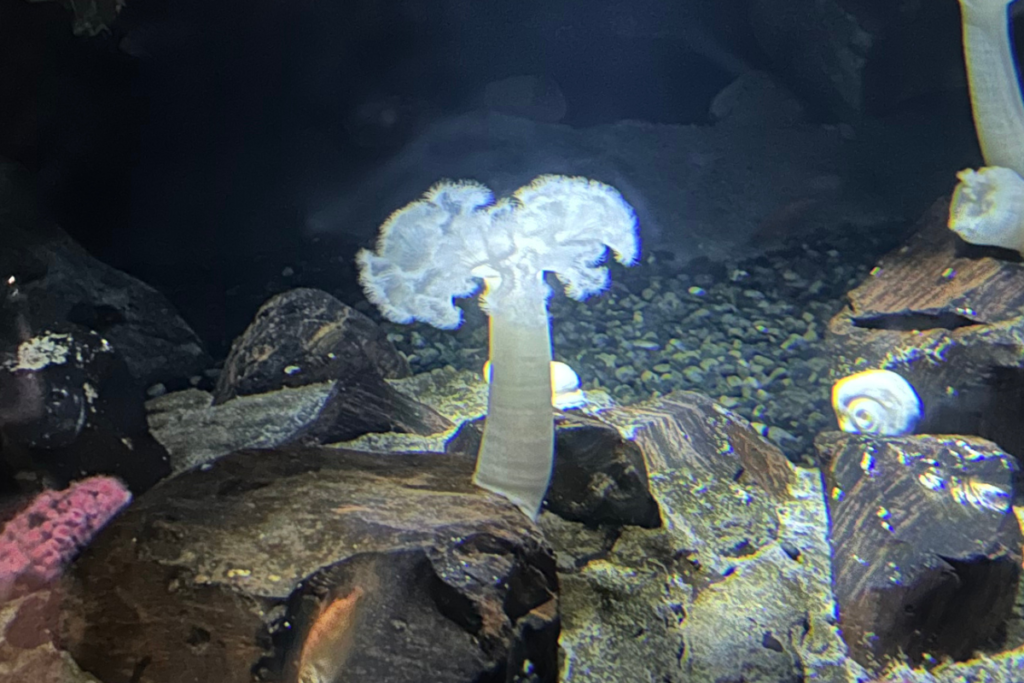
The Common Plumose Anemone is one of the most recognizable sea anemones found in temperate marine environments. Its dense crown of feathery tentacles gives it an appearance more similar to an underwater flower than a marine predator. This unusual look has made it one of the most photographed invertebrates along many northern coastlines.
Despite resembling a plant, the Common Plumose Anemone is an animal. It belongs to the phylum Cnidaria, the same group that includes jellyfish, corals, and hydroids. This relationship often surprises people because its appearance differs dramatically from many of its relatives.
The scientific name Metridium senile has been used for centuries and remains one of the best-known sea anemone names in marine biology. The species is widely studied because of its abundance, broad distribution, and ecological importance. Researchers frequently encounter it during coastal marine surveys.
One remarkable fact is that individual anemones can remain attached to the same surface for many years. Unlike fish or marine mammals that move regularly, these animals often spend most of their lives anchored in a single location. Their success comes from adaptation rather than mobility.
The species occurs across large portions of the Northern Hemisphere. From North American coastlines to European waters, the Common Plumose Anemone has become a familiar component of countless marine ecosystems.
Unique Common Plumose Anemone Appearance Facts
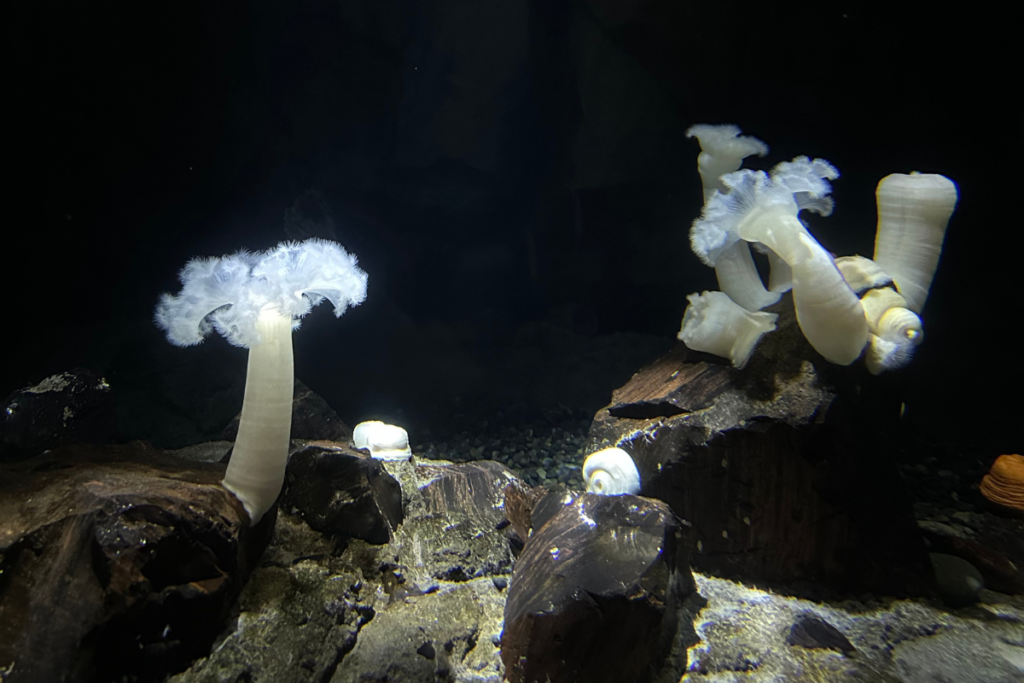
The most distinctive feature of the Common Plumose Anemone is its tentacle crown. A fully expanded individual may possess hundreds of delicate tentacles arranged in a dense circular pattern. This structure creates the soft, plume-like appearance responsible for its common name.
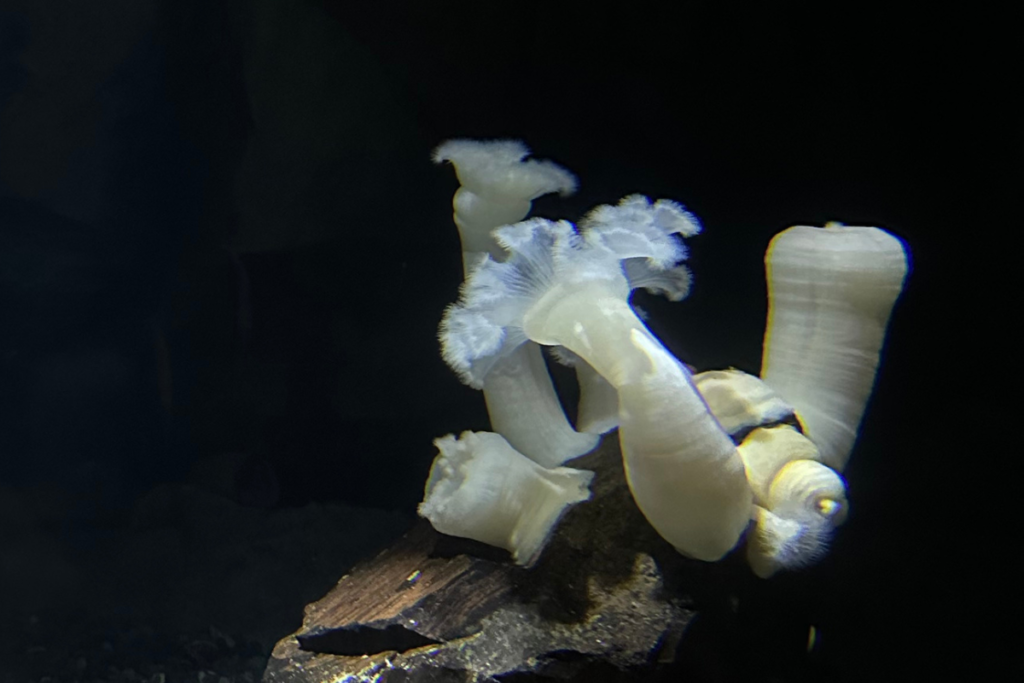
Color variation is surprisingly extensive. While white specimens are among the most frequently observed, populations may also contain cream, orange, pink, tan, brown, or gray individuals. In some locations, several color forms occur together within the same colony.
Large specimens can appear much bigger than expected. Although many individuals measure only a few inches tall, some grow large enough to rival the height of a water bottle. Their size often surprises observers who assume sea anemones are always small.
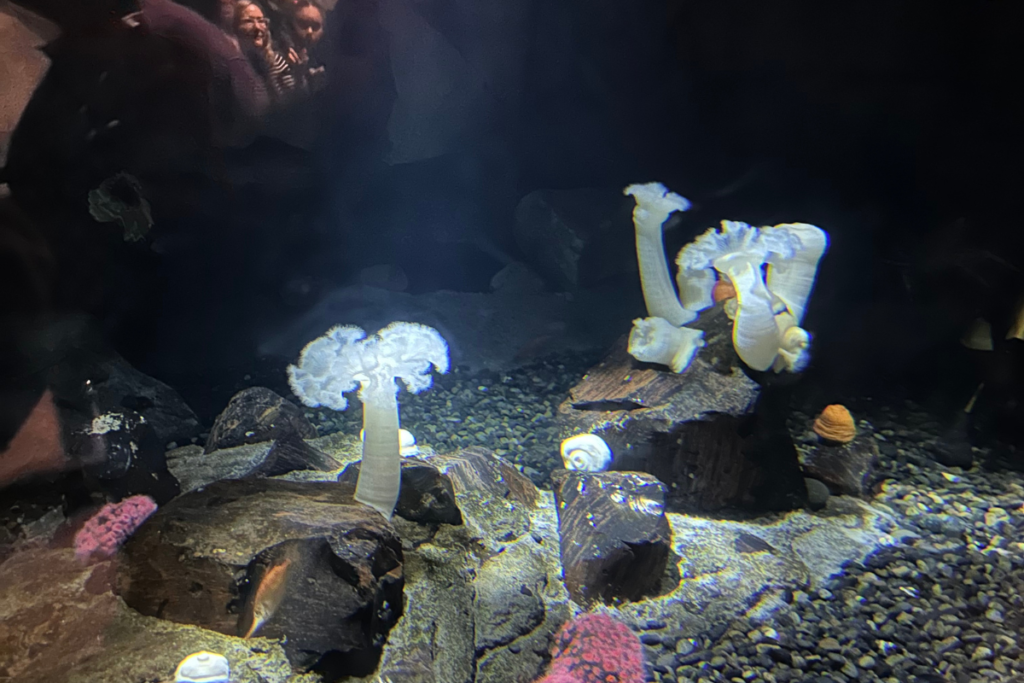
Unlike many marine organisms that rely on camouflage, the Common Plumose Anemone often stands out visually. White individuals attached to dark rocks can be visible from considerable distances underwater. Their bright coloration frequently creates dramatic contrasts within marine environments.
Many people compare these anemones to flowers, feather dusters, pom-poms, or decorative ornaments. Such comparisons highlight just how unusual their appearance is among marine invertebrates. Few coastal species possess such a distinctive and elegant form.
Surprising Common Plumose Anemone Biology Facts
One fascinating fact is that the Common Plumose Anemone can reproduce in more than one way. In addition to sexual reproduction, it can also produce genetically identical offspring through asexual processes. This flexibility contributes significantly to its ecological success.
The species begins life as a microscopic larva drifting through the water column. At this stage, it bears almost no resemblance to the adult form. Only after settlement does it gradually develop the familiar tentacle crown and body structure.
Despite lacking a brain, the anemone remains capable of responding to its surroundings. It can detect changes in environmental conditions and react by expanding or contracting portions of its body. These responses help improve survival in constantly changing marine environments.
Its tentacles contain specialized stinging cells called nematocysts. These microscopic structures function like tiny spring-loaded harpoons. Although invisible without magnification, they represent one of the species’ most important biological adaptations.
The Common Plumose Anemone also possesses impressive regenerative abilities. Damaged tissues can often be repaired, helping individuals survive injuries that might be fatal to less resilient organisms. This capability contributes to their long lifespan and persistence within coastal ecosystems.
Fascinating Common Plumose Anemone Ecology Facts
Large colonies of Common Plumose Anemones can transform underwater landscapes. Rocks, docks, pilings, and seawalls may become covered with hundreds of individuals, creating living structures that support diverse marine communities. These colonies often resemble underwater gardens.
The species plays an important role in coastal food webs. By capturing suspended organisms and organic material from the water, it helps transfer energy throughout marine ecosystems. This ecological function connects open-water productivity with life attached to the seafloor.
One particularly interesting fact is that artificial structures often become important habitat. Harbors, marinas, and underwater infrastructure frequently support thriving colonies. In many regions, these human-made surfaces have expanded available habitat for the species.
Some colonies persist for decades, continuously growing and expanding across suitable surfaces. Their long-term presence contributes stability to marine communities and provides habitat for numerous smaller organisms. Few marine invertebrates achieve such a lasting ecological influence.
Perhaps the most remarkable fact about the Common Plumose Anemone is that it combines beauty, resilience, and ecological importance in a single species. Its flower-like appearance attracts attention, but its adaptability and environmental contributions are what have allowed it to become one of the most successful sea anemones inhabiting temperate waters around the world.
Popular Searches About Plumose Anemones
Explore Plumose Anemone Guide
Explore More Exhibits

Support Encounters World
Help support wildlife photography and get behind the scenes discoveries on Patreon.