
Banker Horse Reproduction Guide: Breeding, Foals, and Population Growth
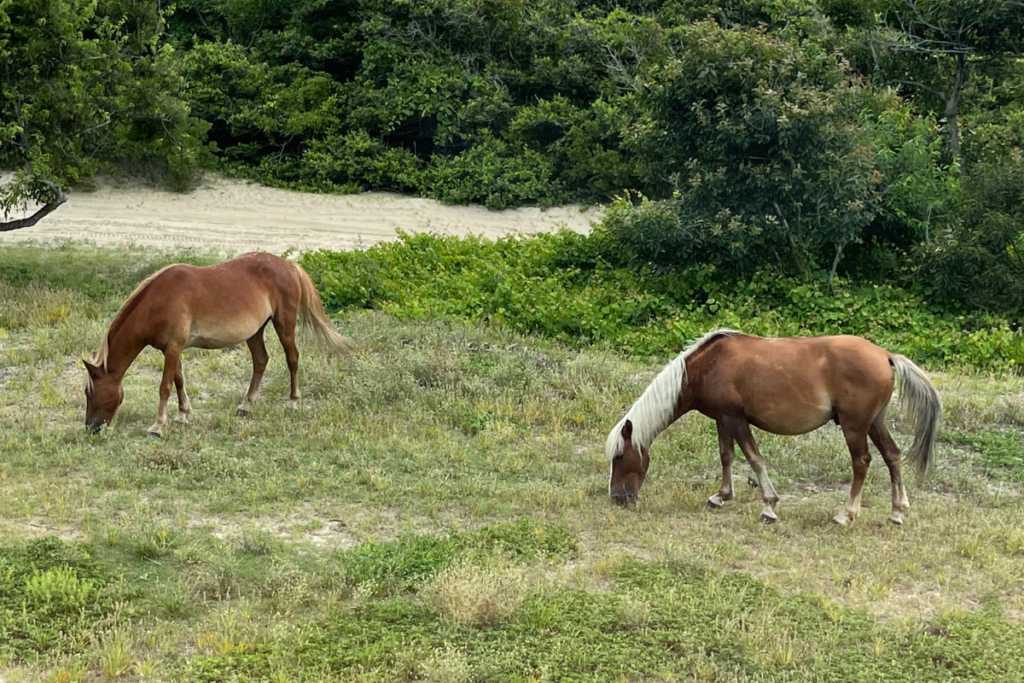
Quick Facts
Reproductive Method: Sexual Reproduction
Breeding System: Herd-Based Breeding Structure
Breeding Season: Primarily Spring and Summer
Gestation Period: Approximately 11 Months
Average Offspring: One Foal
Age of Maturity: Approximately 2–4 Years
Introduction to Banker Horse Reproduction
The Banker Horse (Equus ferus caballus) is a historic feral horse population that has persisted along North Carolina’s barrier islands for centuries. The continuation of this population depends entirely on successful reproduction, healthy foal development, and the ability of new generations to reach adulthood. Every horse within the population exists because countless reproductive cycles have occurred across hundreds of years.
Reproduction serves as the foundation of long-term population survival. Without the successful production of foals, even the most well-adapted horse population would eventually disappear. For Banker Horses, breeding ensures that their unique genetic heritage continues into future generations.
Unlike domestic horses managed by humans, reproduction in feral populations occurs naturally. Breeding success is influenced by environmental conditions, population structure, health, and social dynamics. These factors combine to determine how many young horses are added to the population each year.
The reproductive process of the Banker Horse follows patterns common to many horse populations while also reflecting the realities of life in a natural environment. From courtship and mating to birth and foal development, each stage plays an important role in maintaining this remarkable population.
Banker Horse Breeding Season and Courtship
Breeding activity typically follows seasonal patterns that maximize the likelihood of successful offspring development. Most mating occurs during spring and early summer, allowing foals to be born during periods when environmental conditions are generally more favorable. This timing increases the chances of survival during the earliest stages of life.
Within horse herds, reproduction is often influenced by social structure. Mature stallions compete for breeding opportunities while maintaining access to mares within their group. These relationships help determine which individuals contribute to the next generation.
Courtship involves a variety of visual, vocal, and behavioral signals. Stallions may display alert postures, increased attention toward mares, and other forms of social interaction associated with breeding readiness. These displays help establish reproductive opportunities while reducing unnecessary conflict.
Competition among stallions can occur, particularly when multiple mature males are present within the same area. Most conflicts involve displays of strength, posture, and dominance rather than serious injury. These interactions help establish breeding hierarchies within the population.
A useful comparison is to think of the breeding season as a natural selection process occurring each year. Strong, healthy, and socially successful individuals often gain more opportunities to reproduce, helping shape future generations of Banker Horses.
Banker Horse Pregnancy and Foal Development
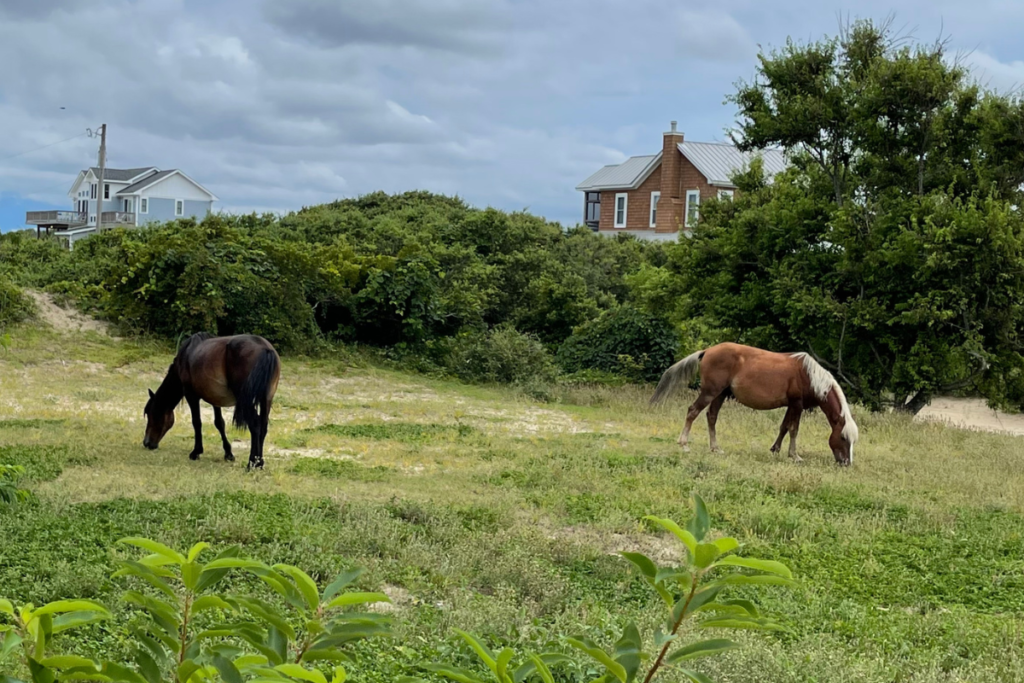
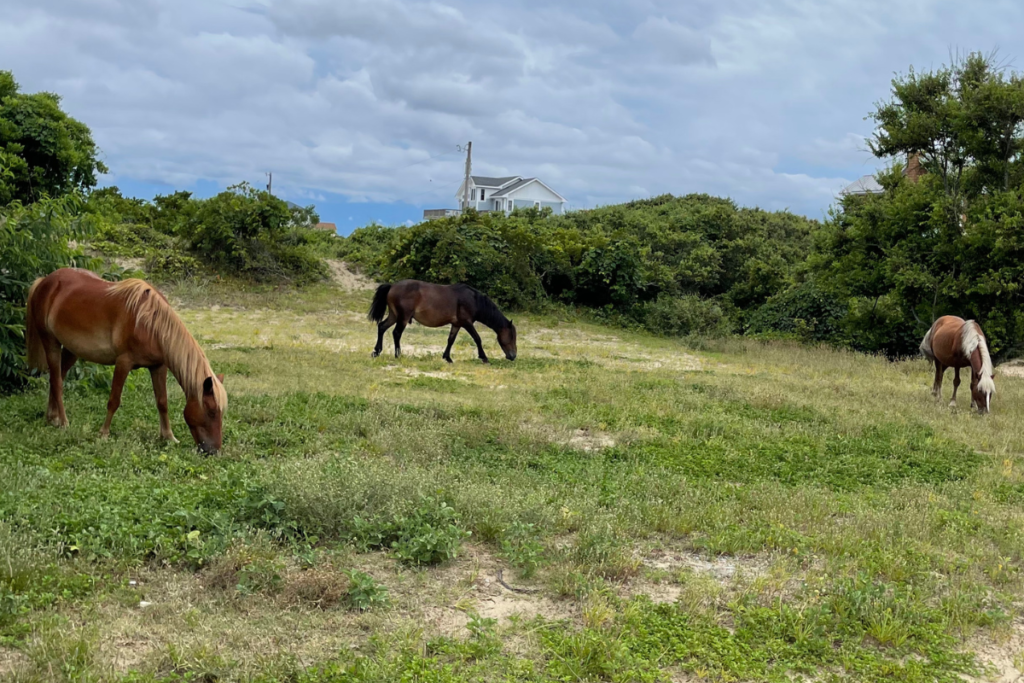
Following successful mating, mares enter a gestation period lasting approximately eleven months. During this time, the developing foal grows within the mother’s body while receiving nutrients necessary for development. Pregnancy represents one of the most important stages in the reproductive cycle.
As birth approaches, physical changes become increasingly noticeable. The mare’s body gradually adjusts to support the growing foal, preparing for one of the most significant events in the life cycle. Most pregnancies result in the birth of a single foal rather than twins.
Foals are born remarkably well developed compared to many other mammals. Within a relatively short period after birth, young horses are often capable of standing and moving independently. This rapid development is crucial because mobility improves survival prospects.
The first weeks of life focus heavily on growth and learning. Foals remain close to their mothers while developing coordination, strength, and awareness of their surroundings. During this period, they gradually begin interacting with other members of the herd.
Milk provides the primary source of nutrition during early life. As the foal grows, it slowly transitions toward consuming vegetation while continuing to nurse. This gradual shift supports healthy development and prepares the young horse for independence.
Banker Horse Population Growth and Reproductive Success
The survival of foals represents one of the most important factors affecting population growth. Birth alone does not guarantee recruitment into the adult population. Young horses must successfully navigate the challenges of development before reaching reproductive maturity.
Herd structure contributes significantly to reproductive success. Adult horses provide a stable social environment in which foals can learn behaviors, establish social relationships, and develop the skills necessary for adulthood. This social framework improves overall population stability.
As juveniles mature, they gradually become less dependent on their mothers and more integrated into the broader herd. Physical growth continues for several years before full adult size is reached. Eventually, these individuals become capable of reproducing and contributing to future generations.
Because Banker Horses exist within a relatively limited geographic range, maintaining healthy reproductive rates is especially important. Population managers and conservation organizations often monitor herd numbers to ensure long-term viability while preserving genetic diversity.
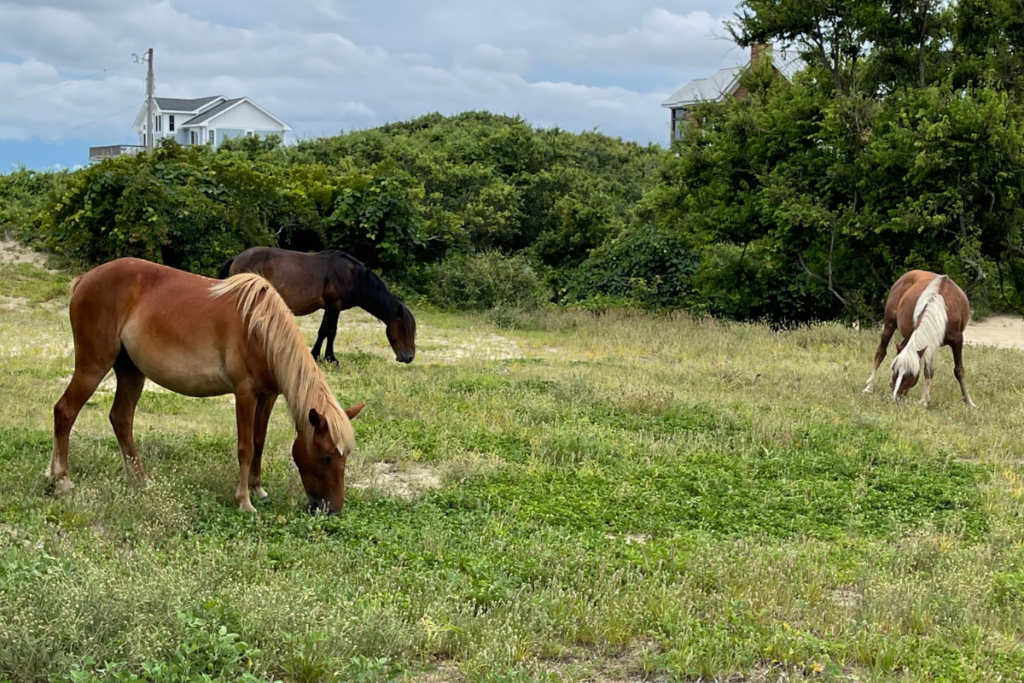
The reproductive cycle of the Banker Horse represents a continuous process connecting past, present, and future generations. Through seasonal breeding, successful pregnancies, healthy foal development, and eventual maturity, the population continues to persist. These reproductive processes have sustained Banker Horses for centuries and remain essential to preserving one of North America’s most historically significant feral horse populations.
Popular Searches About Banker Horses
Explore Banker Horse Guide
Explore More Wildlife

Support Encounters World
Help support wildlife photography and get behind the scenes discoveries on Patreon.