
Banker Horse Ecosystem Role Guide: Ecological Importance and Environmental Impact
Quick Facts
Ecosystem Role: Large Herbivorous Mammal
Food Web Position: Primary Consumer
Environmental Contribution: Vegetation Management and Nutrient Cycling
Habitat Influence: Shapes Plant Community Structure
Ecological Importance: Supports Biodiversity and Ecosystem Function
Ecosystem Type: Coastal Barrier Island Ecosystems
Introduction to the Banker Horse's Ecosystem Role
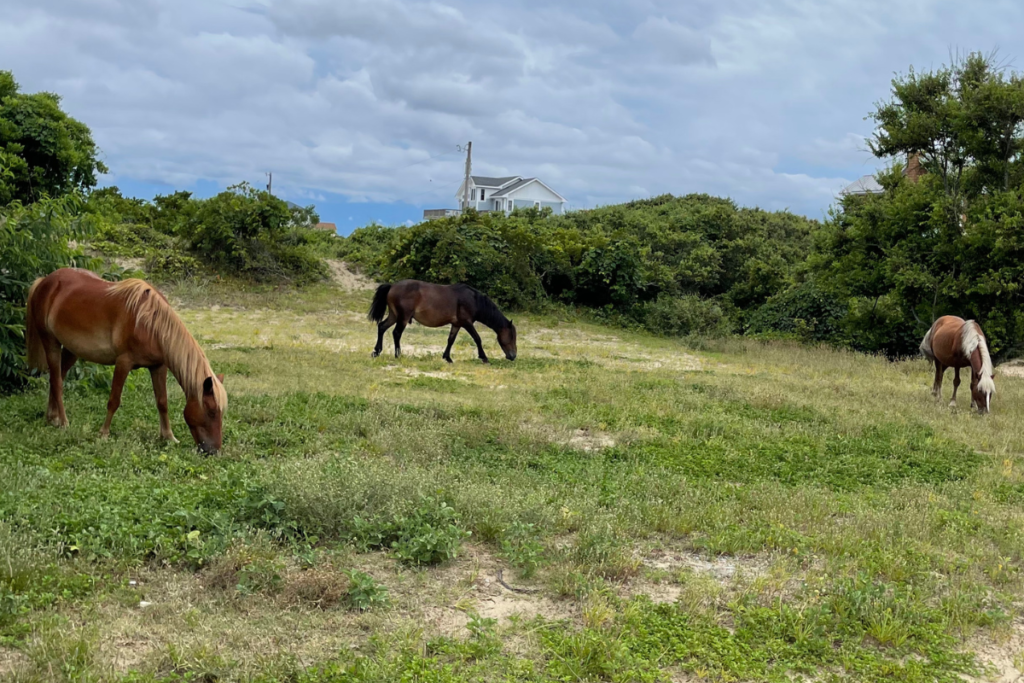
The Banker Horse (Equus ferus caballus) is more than a historic feral horse population. As one of the largest mammals occupying North Carolina’s barrier islands, it serves an important ecological role within the coastal environment. Through its daily activities, the species influences vegetation, nutrient movement, and the overall structure of the ecosystem.
Every ecosystem contains organisms that help shape the environment around them. Some species influence ecosystems through predation, while others alter landscapes through feeding, movement, or habitat modification. The Banker Horse contributes primarily through its role as a large herbivore interacting continuously with plant communities.
Because the population occupies a relatively restricted geographic range, its ecological effects are concentrated within a unique coastal setting. Over generations, the presence of these horses has become intertwined with the natural processes occurring across the barrier islands. Their influence extends beyond the individual animals themselves.
Understanding the ecosystem role of the Banker Horse provides a broader perspective on its importance. While many people appreciate these horses for their historical significance, they also contribute to ecological processes that help maintain the balance and diversity of the environments they inhabit.
Banker Horse Position in the Coastal Food Web
The Banker Horse occupies the role of a primary consumer within the food web. As a herbivore, it obtains energy by consuming vegetation and converting plant material into biomass. This position connects plant communities to higher levels of the ecosystem and helps transfer energy through ecological networks.
Unlike predators that regulate prey populations, Banker Horses influence ecosystems through consumption of plant resources. Their role is comparable to that of bison on grasslands or deer in forest ecosystems. Although the environments differ, each species contributes by interacting directly with vegetation.
The horses themselves may occasionally become part of the broader food web through interactions with scavengers following natural mortality events. Nutrients contained within their bodies are eventually returned to the ecosystem, supporting other organisms and ecological processes.
Their presence also indirectly affects smaller species. Changes in vegetation structure can influence insects, birds, reptiles, and mammals that depend on specific plant communities. In this way, the ecological influence of the Banker Horse extends far beyond its direct interactions with plants.
A useful comparison is to think of the species as a link within a chain. Plants capture energy from sunlight, Banker Horses utilize that energy through feeding, and ecological processes distribute those nutrients throughout the environment. This connection helps maintain ecosystem function over time.
Banker Horse Influence on Vegetation and Habitat Structure
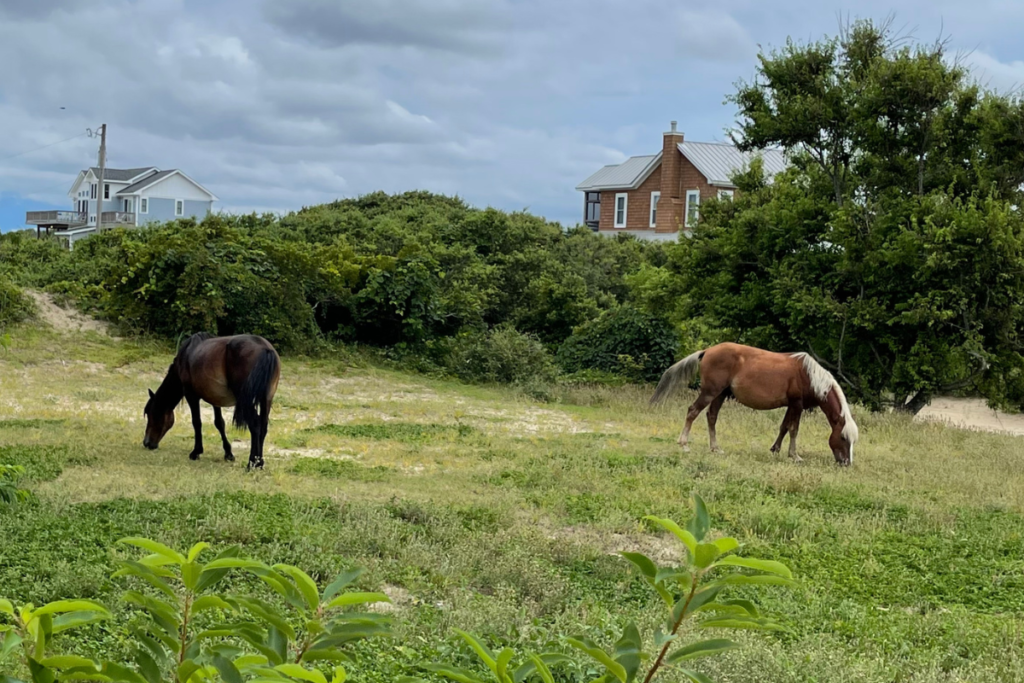
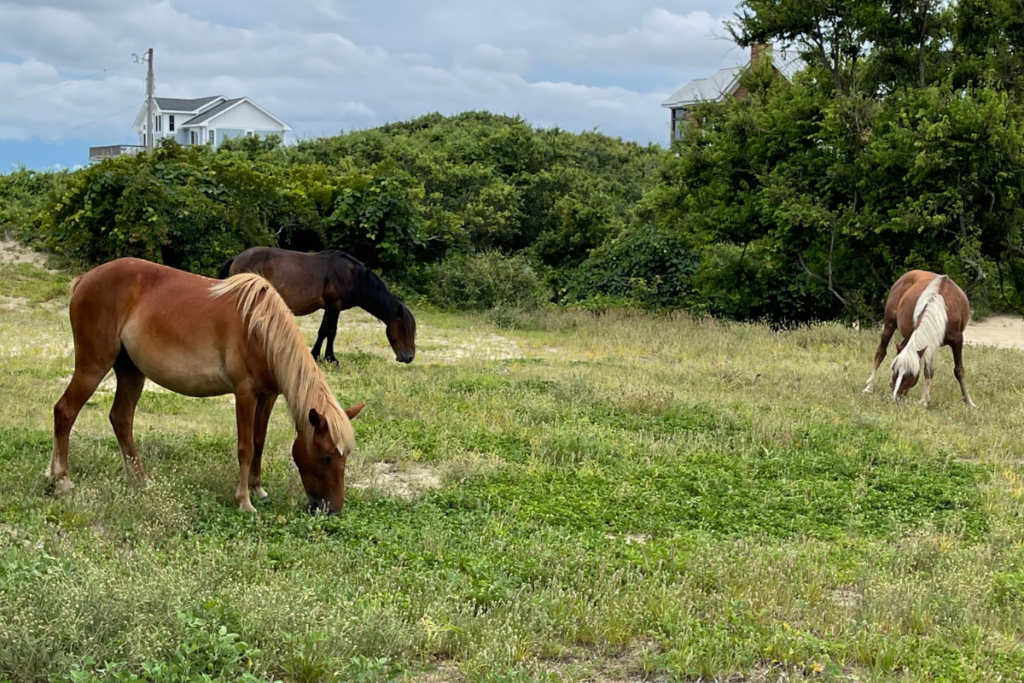
One of the most significant ecological contributions of the Banker Horse involves its effect on vegetation. As horses move through the landscape and consume plant material, they influence which species grow, spread, and compete for space. These interactions help shape the overall appearance of plant communities.
Large herbivores often prevent certain plants from becoming overly dominant. By feeding across a variety of locations, Banker Horses contribute to a more dynamic vegetation structure. This influence can increase habitat diversity by creating variation within plant communities.
The horses also contribute to seed dispersal. Seeds may be transported externally on fur or internally through digestive processes before being deposited elsewhere. This movement helps plants expand into new areas and contributes to the distribution of vegetation across the landscape.
Trails created through repeated movement can further influence habitat structure. These pathways alter how plants grow and create corridors used by other wildlife. Although subtle, such changes accumulate over time and become part of the ecological character of the environment.
A comparison can be made to gardeners maintaining a landscape. While Banker Horses do not intentionally manage vegetation, their feeding and movement naturally influence plant growth patterns. These effects contribute to habitat complexity and help support diverse ecological communities.
Banker Horse Contributions to Nutrient Cycling and Ecosystem Stability
Nutrient cycling represents another important ecological function performed by Banker Horses. As they consume vegetation and process plant material, nutrients move through their bodies and are eventually returned to the environment. This process helps redistribute essential resources across the ecosystem.
The movement of nutrients through herbivores is a critical component of ecosystem health. Organic matter deposited across the landscape contributes to soil enrichment and supports plant growth. In this way, Banker Horses help maintain the productivity of the environments they occupy.
Their constant movement also contributes to the distribution of nutrients across different areas. Rather than remaining concentrated in one location, resources are transported throughout the landscape. This redistribution promotes ecological connectivity and supports a broader range of organisms.
Because Banker Horses have occupied the region for generations, their ecological influence has become integrated into long-term environmental processes. Their presence contributes stability to an ecosystem shaped by weather, seasonal changes, and natural disturbances. Large herbivores often play important roles in maintaining this balance.
Ultimately, the Banker Horse functions as more than a symbol of coastal history. Through vegetation management, nutrient redistribution, seed dispersal, and participation in food-web dynamics, it contributes meaningfully to ecosystem function. These ecological roles highlight the importance of preserving not only the horses themselves but also the natural environments that support one of North America’s most distinctive feral horse populations.
Popular Searches About Banker Horses
Explore Banker Horse Guide
Explore More Wildlife

Support Encounters World
Help support wildlife photography and get behind the scenes discoveries on Patreon.