
Banker Horse Facts Guide: Fascinating Facts About Banker Horses
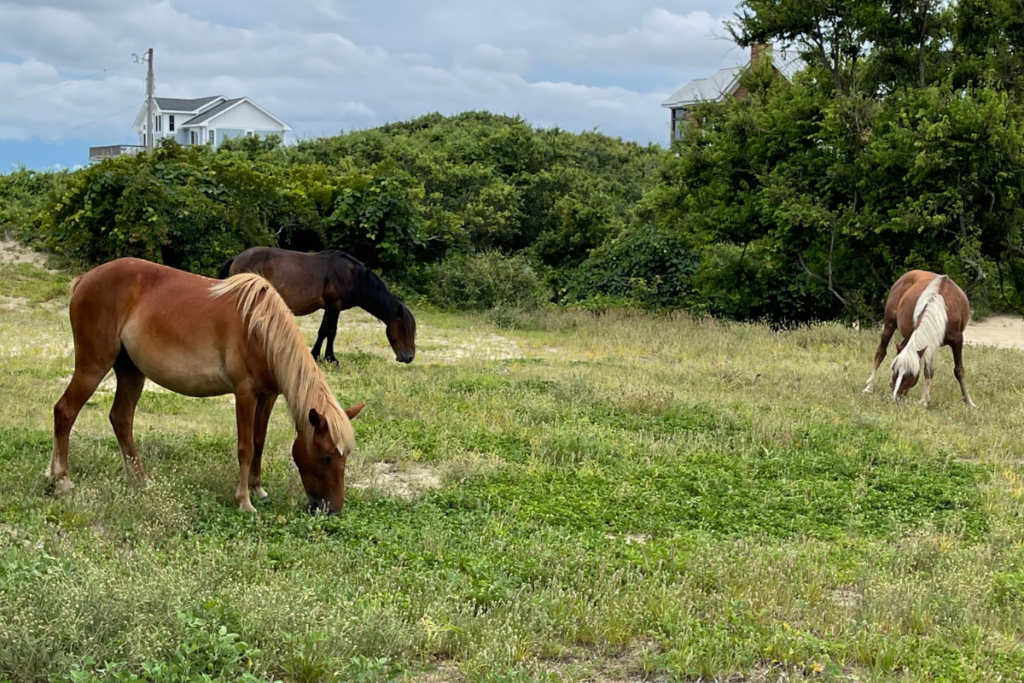
Quick Facts
Scientific Name: Equus ferus caballus
Common Name: Banker Horse
Horse Type: Feral Horse Population
Primary Location: North Carolina Barrier Islands
Ancestral Origin: Spanish Colonial Horses
Conservation Status: Managed Population
Amazing Banker Horse Facts and Overview
The Banker Horse is one of the oldest and most historically significant feral horse populations in North America. These horses have occupied North Carolina’s barrier islands for centuries, creating a living connection to some of the earliest horses introduced to the continent by Europeans. Their long history has made them both a biological and cultural treasure.
Despite being commonly referred to as wild horses, Banker Horses are technically feral. This means they descend from domestic horses whose ancestors escaped or were released and eventually established self-sustaining populations. Over generations, they adapted to life without direct human management.
Many visitors are surprised to learn how geographically restricted the population is. Unlike Mustangs that roam across multiple western states, Banker Horses occupy only a small portion of the Atlantic coastline. Their limited range has contributed to their uniqueness and helped preserve distinctive traits.
The horses have become one of the most recognizable symbols of North Carolina’s Outer Banks. Photographs of Banker Horses standing against coastal scenery are widely associated with the region and attract wildlife enthusiasts from around the world.
Few feral horse populations combine history, ecology, and cultural importance as effectively as the Banker Horse. Their story extends far beyond simple survival and reflects centuries of adaptation within a specialized coastal environment.
Unique Banker Horse Appearance Facts
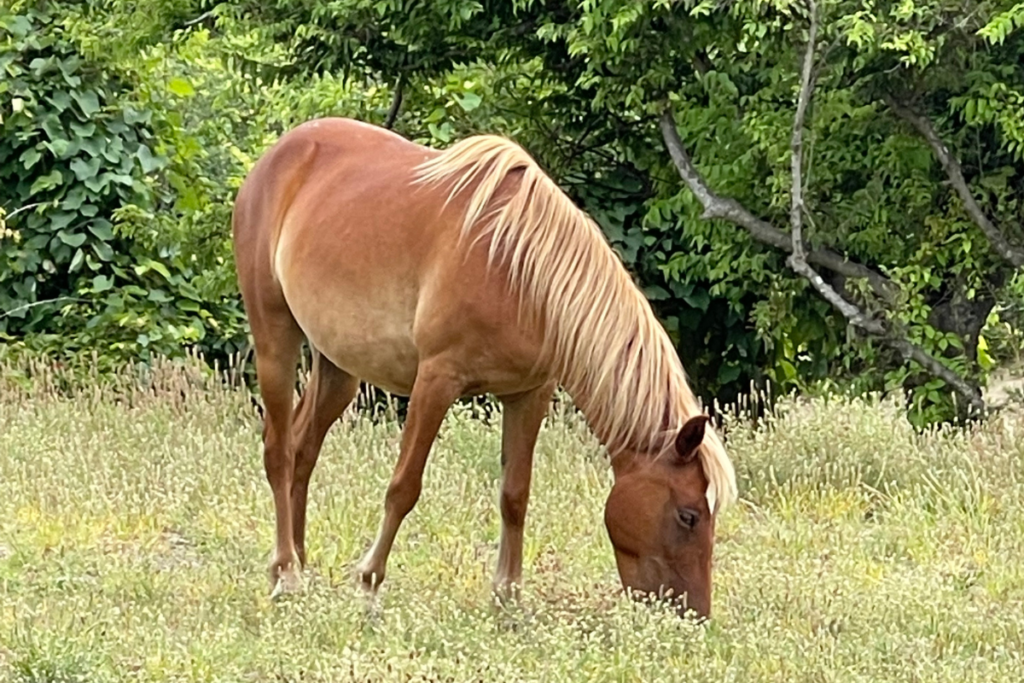
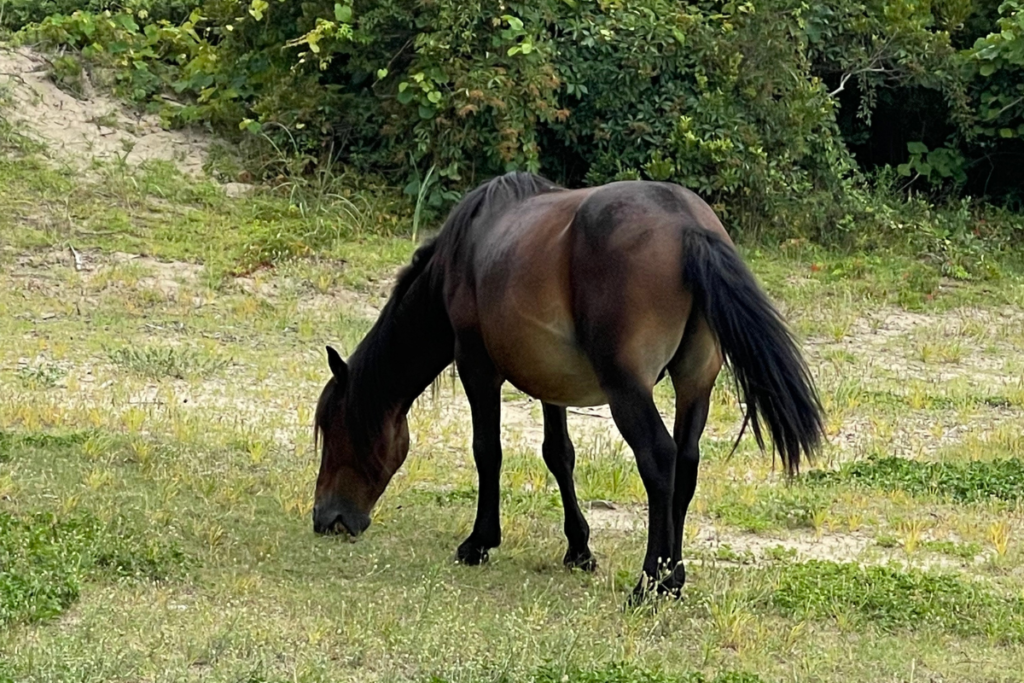
Banker Horses are generally smaller than many modern riding horses. Most adults stand between 13 and 15 hands tall, giving them a compact and efficient build. Although not exceptionally large, their muscular bodies often make them appear stronger than their height suggests.
Their physical structure differs noticeably from many specialized horse breeds. Rather than being bred for racing, jumping, or pulling heavy loads, Banker Horses retain a practical body shape that reflects generations of natural selection. This gives them a sturdy and balanced appearance.
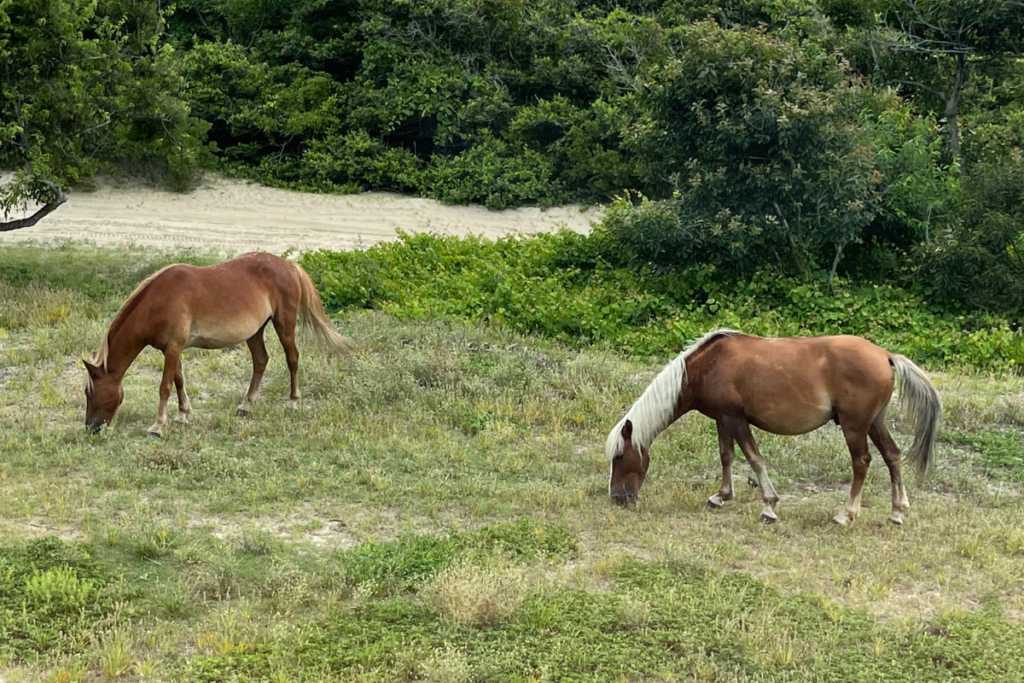
Color variation is common throughout the population. Bay, chestnut, brown, black, and dun are among the most frequently observed coat colors. Some individuals also display lighter manes and tails that create striking visual contrasts.
One of the most famous physical traits involves their hooves. Banker Horses are known for exceptionally durable hooves capable of functioning without horseshoes. This characteristic has become one of the defining features of the population.
Many horse enthusiasts compare their appearance to historical colonial horses. Their body structure often resembles illustrations and descriptions of horses that existed centuries ago, providing a glimpse into the past that is rarely seen in modern breeds.
Surprising Banker Horse History Facts
The exact origin of the Banker Horse remains one of the most fascinating topics surrounding the population. While legends often describe shipwrecked horses swimming ashore, many researchers believe intentional introductions by Spanish explorers and colonists played a major role in establishing the population.
Genetic studies have revealed connections between Banker Horses and Spanish colonial horse lineages. These findings support historical theories suggesting that at least part of their ancestry can be traced to horses brought to North America during the early colonial period.
The name “Banker Horse” comes from the barrier islands, historically called “the Banks.” Residents referred to the horses living there as Banker Horses, a name that eventually became widely accepted. Today, the term is recognized throughout the equestrian and wildlife communities.
For centuries, local residents occasionally captured and used Banker Horses for transportation, agriculture, and work. Despite these interactions, enough horses remained feral to maintain independent populations on the barrier islands.
In many ways, Banker Horses function as living historical artifacts. While buildings and documents preserve parts of the past, these horses represent a living population whose ancestry may extend back hundreds of years.
Fascinating Banker Horse Ecology and Conservation Facts
Banker Horses play an important ecological role as large herbivores. Through grazing and movement, they influence vegetation patterns and contribute to nutrient cycling within the ecosystems they occupy. Their presence helps shape portions of the landscape over time.
Unlike many large mammals, Banker Horses have adapted to conditions influenced by ocean winds, salt exposure, and seasonal storms. This makes them one of the few horse populations in North America specifically associated with coastal environments.
Modern populations are carefully managed to ensure long-term health and genetic diversity. Conservation programs help balance population size with available resources while preserving the historic characteristics that make the horses unique.
Tourism has also contributed to the horses’ significance. Thousands of visitors travel each year hoping to observe Banker Horses in their natural environment. This attention helps increase awareness of conservation efforts and the importance of protecting the population.
Perhaps the most remarkable fact about Banker Horses is their ability to persist through centuries of environmental change. They have survived storms, isolation, shifting landscapes, and changing human influences while maintaining their identity as one of America’s most iconic feral horse populations. Their continued existence represents a rare combination of history, adaptation, and resilience that few wildlife populations can match.
Popular Searches About Banker Horses
Explore Banker Horse Guide
Explore More Wildlife

Support Encounters World
Help support wildlife photography and get behind the scenes discoveries on Patreon.