
Yellow-Banded Millipede Distribution Guide: Range, Geographic Locations, and Regional Occurrence
Quick Facts
Primary Range: Eastern North America
Core Distribution: Appalachian Region and Eastern United States
Northern Extent: Northeastern United States
Southern Extent: Southeastern United States
Habitat Availability: Most Common in Large Woodland Systems
Distribution Pattern: Regional and Locally Common
Yellow-Banded Millipede Range and Geographic Overview
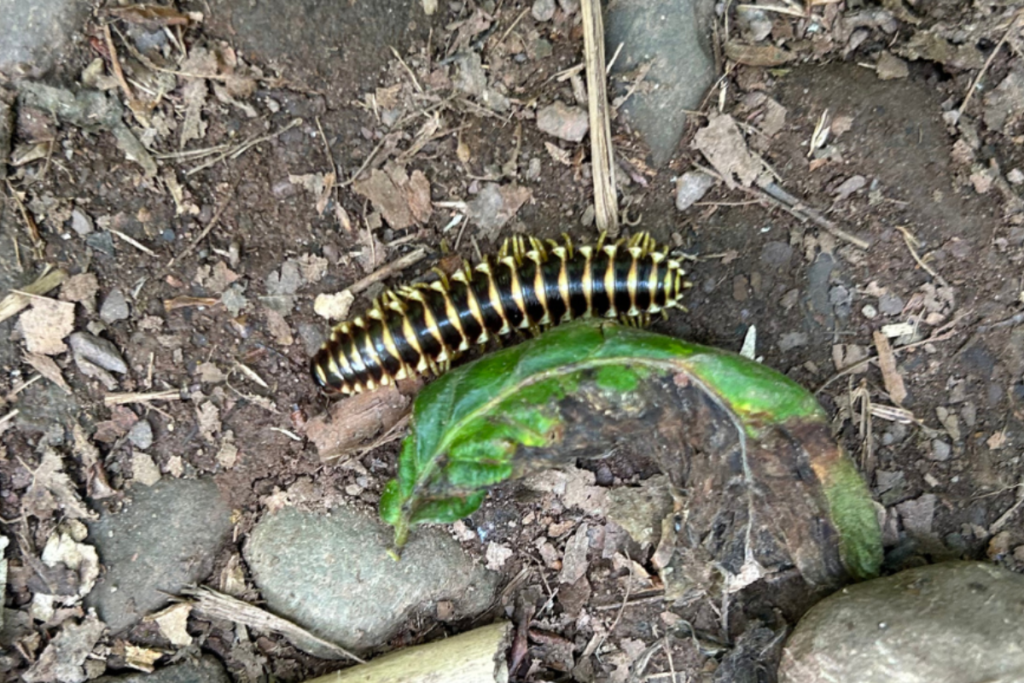
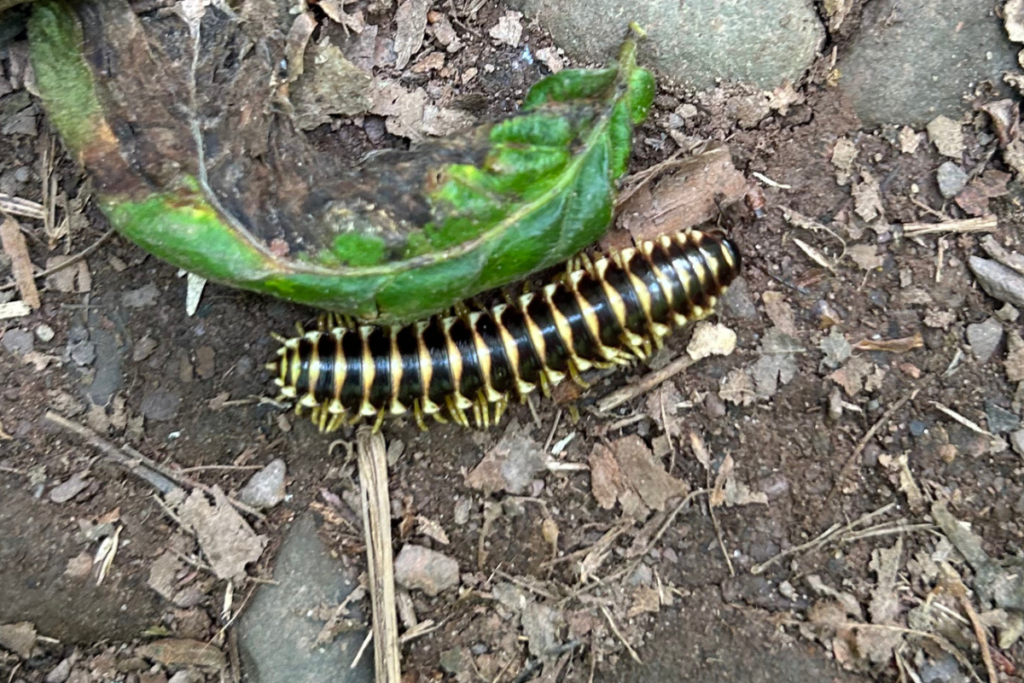
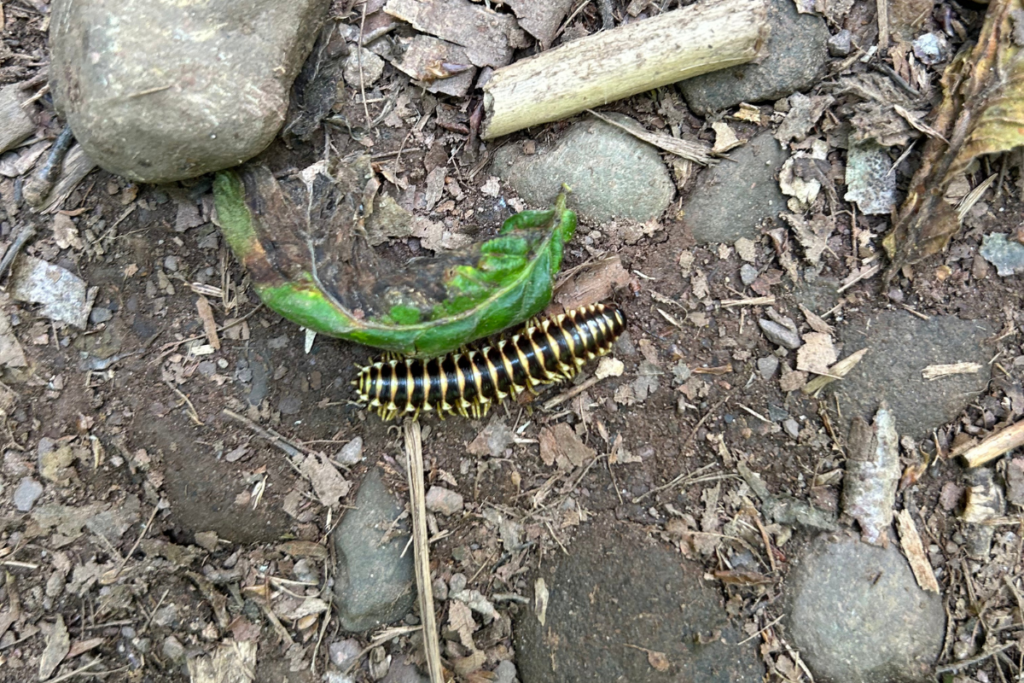
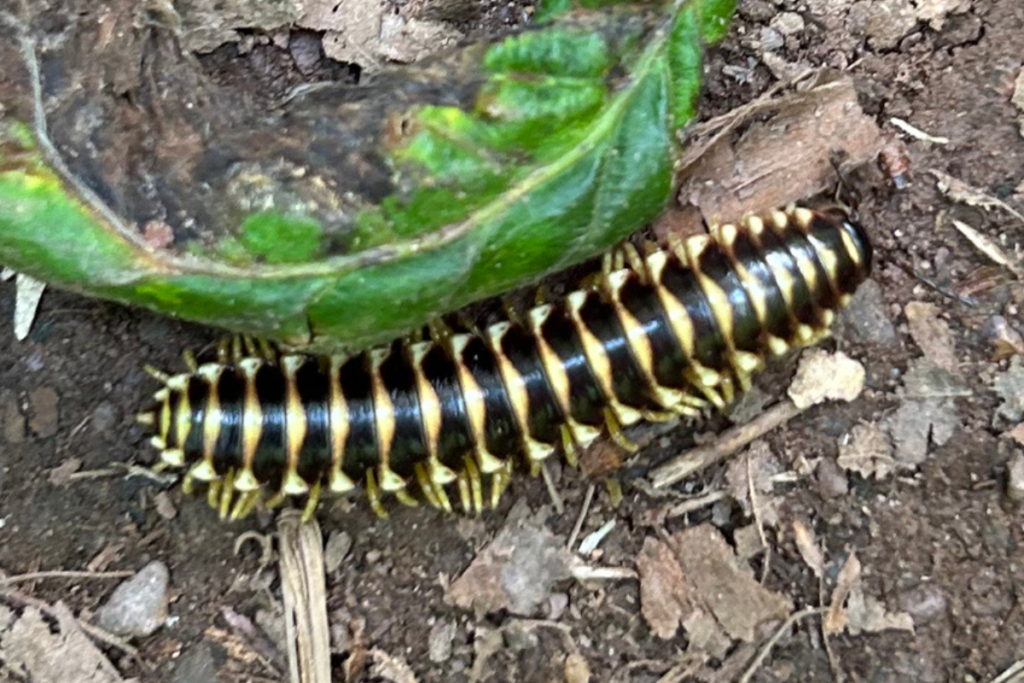
The Yellow-Banded Millipede (Apheloria sp.) is a distinctive millipede found throughout portions of eastern North America. Its distribution is centered within regions known for extensive forests, seasonal climates, and diverse woodland ecosystems. Although not present across the entire continent, it occupies a significant portion of the eastern United States where suitable environmental conditions exist.
Naturalists most frequently encounter this species in areas associated with the Appalachian Mountains and surrounding landscapes. These regions contain many of the characteristics that support healthy populations, including mature forests, abundant organic matter, and long-established ecological communities. As a result, the Yellow-Banded Millipede has become one of the more recognizable woodland millipedes within its range.
Observations have been documented across multiple states, demonstrating that the species is not restricted to a single local area. Instead, populations occur throughout a network of connected regions that share similar environmental characteristics. This broad distribution allows the species to occupy a variety of landscapes while remaining concentrated within eastern North America.
A person traveling from the northeastern United States through portions of the Appalachian corridor may encounter Yellow-Banded Millipedes in numerous locations along the way. Their range spans hundreds of miles and includes a variety of elevations and terrain types. Despite this broad distribution, the species remains most strongly associated with eastern woodland ecosystems rather than open or arid regions.
Yellow-Banded Millipede Distribution Across Eastern North America
The majority of Yellow-Banded Millipede records originate from the eastern United States. States within the Appalachian region support many populations due to their extensive forest cover and favorable environmental conditions. These areas represent the core of the species’ known distribution and contain some of its most reliable observation locations.
The species occurs across both northern and southern portions of its range. In northern regions, populations experience colder winters and shorter growing seasons. Farther south, individuals inhabit landscapes characterized by warmer temperatures and longer periods of biological activity throughout the year.
Compared to highly localized invertebrates that exist only within a handful of counties or isolated mountain ranges, the Yellow-Banded Millipede occupies a much broader geographic area. However, it is not as widespread as some common millipede species found across much of North America. This places it in an intermediate category—regionally widespread but not continent-wide in distribution.
Local abundance can vary considerably from one area to another. Some forests may support numerous individuals that are encountered regularly, while nearby locations contain relatively few observations. These differences often reflect variations in environmental quality, forest continuity, and the availability of suitable ecological conditions.
Regional distribution patterns also reveal the species’ association with long-established natural landscapes. Large blocks of connected woodland often support stronger populations than highly fragmented environments. This pattern helps explain why the species is frequently associated with protected forests, natural areas, and mature woodland ecosystems throughout its range.
Yellow-Banded Millipede Regional Hotspots and Occurrence Patterns
The Appalachian Mountains represent one of the most important distribution centers for the Yellow-Banded Millipede. Stretching from the northeastern United States into the Southeast, this mountain system provides extensive habitat across multiple states. Many documented observations originate from areas within or near this region.
Wooded foothills, upland forests, and mountain valleys all contribute to the species’ regional occurrence. The variety of landscapes found throughout the Appalachian region creates numerous opportunities for populations to establish themselves. As a result, the species often appears across a broad range of elevations within these areas.
Beyond the mountains themselves, populations can extend into surrounding woodland systems. Forested regions adjacent to major mountain ranges frequently contain environmental conditions similar to those found within the core distribution area. These connected landscapes help support a wider geographic presence than mountain habitats alone would provide.
Distribution is rarely uniform across an entire state or region. Instead, populations tend to occur in clusters where environmental conditions remain favorable. A county with extensive woodland cover may contain numerous records, while neighboring areas with less suitable conditions may produce fewer observations despite being relatively close geographically.
For wildlife enthusiasts, protected forests and large natural preserves often provide the best opportunities to encounter this species. These areas maintain the ecological continuity that supports healthy millipede populations. As a result, many of the most reliable observation sites occur within landscapes that have experienced relatively limited disturbance over time.
Environmental Factors Influencing Yellow-Banded Millipede Distribution
The distribution of the Yellow-Banded Millipede is closely connected to climate and environmental stability. Regions with moderate precipitation and seasonal weather patterns tend to support the strongest populations. These conditions help maintain the ecological processes upon which the species depends.
Temperature plays an important role in defining the boundaries of the species’ range. Areas that experience extremely dry conditions, prolonged drought, or harsh environmental extremes generally support fewer suitable locations. By contrast, regions with balanced seasonal cycles provide more favorable long-term conditions.
Vegetation patterns also influence where the species occurs. Landscapes dominated by extensive forest cover typically support a higher likelihood of occupancy than heavily urbanized or intensively developed areas. Forest ecosystems create the environmental structure necessary for many woodland invertebrates, including Yellow-Banded Millipedes.
A useful comparison can be made to certain woodland salamanders that rely on stable environmental conditions across large forested regions. While the two groups differ biologically, both tend to occur where ecological processes remain intact and environmental quality remains relatively high. This shared dependence on healthy natural systems helps shape their overall distribution patterns.
Changes in land use can influence local occurrence over time. Habitat fragmentation, forest clearing, and large-scale environmental alterations may reduce suitable areas within portions of the range. Conversely, protected forests and conserved landscapes help maintain the conditions necessary for long-term population stability.
The current distribution of the Yellow-Banded Millipede reflects a combination of geography, climate, vegetation, and environmental history. Together, these factors determine where the species can successfully persist and explain why it remains strongly associated with eastern North America’s forested regions. Understanding these distribution patterns provides valuable insight into both the species itself and the ecosystems that support it.
Popular Searches About Banded Millipedes
Explore Banded Millipede Guide
Explore More Wildlife

Support Encounters World
Help support wildlife photography and get behind the scenes discoveries on Patreon.