
Yellow-Banded Millipede Life Cycle: Growth Stages, Development, and Lifespan Guide
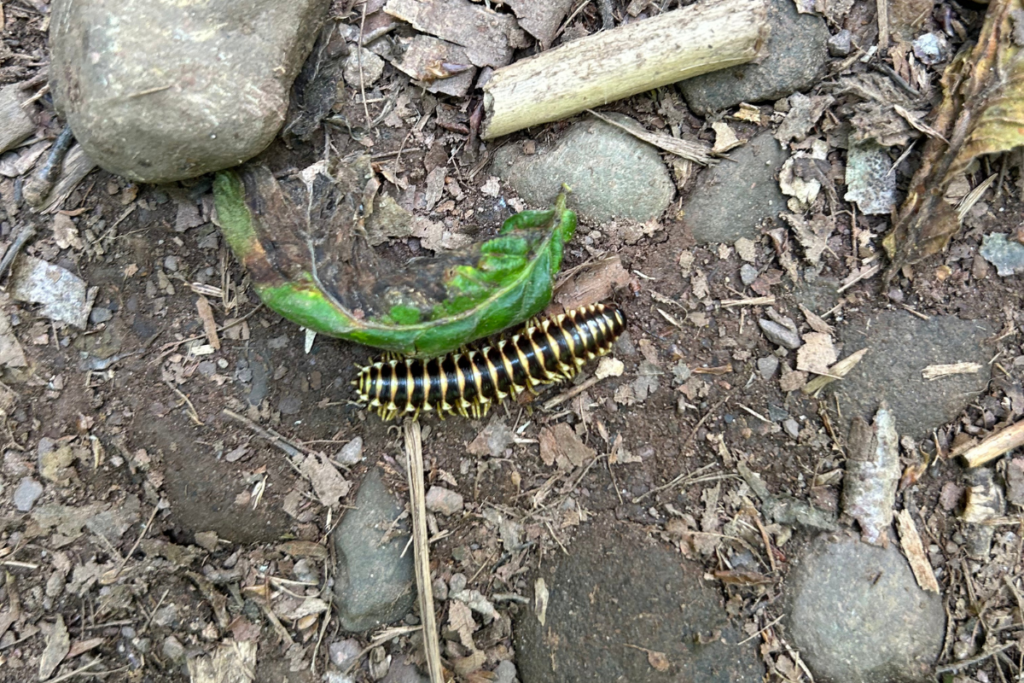
Quick Facts
Life Cycle Type: Gradual Development
Reproduction Method: Sexual Reproduction
Egg Stage: Deposited in Protected Soil Chambers
Juvenile Form: Miniature Millipede with Fewer Segments and Legs
Time to Maturity: Approximately 2–3 Years
Average Lifespan: 2–5 Years
Yellow-Banded Millipede Life Cycle Overview
The Yellow-Banded Millipede (Apheloria sp.) undergoes a gradual and fascinating life cycle that differs significantly from the complete metamorphosis seen in butterflies, beetles, and many other insects. Instead of transforming through distinct larval and pupal stages, this species develops through a series of molts that slowly increase its size, body segments, and number of legs. Each stage builds upon the previous one until the animal reaches full maturity.
Throughout eastern North America, Yellow-Banded Millipedes follow a developmental pattern that is closely tied to environmental conditions and seasonal cycles. Growth occurs steadily over multiple years rather than within a single season. This slower pace allows individuals to gradually develop the physical structures needed for adult life while minimizing the risks associated with rapid growth.
At first glance, young millipedes already resemble miniature versions of adults. However, important differences become visible upon closer inspection. Juveniles possess fewer body segments, fewer legs, and less developed coloration, making them noticeably different from the larger adults commonly encountered on the forest floor.
The life cycle can be compared to the gradual construction of a building. Rather than appearing fully formed overnight, each stage adds new components and strengthens existing structures. Through repeated molts and steady development, the Yellow-Banded Millipede progresses from a tiny hatchling into one of the most recognizable millipedes found in eastern forests.
Yellow-Banded Millipede Reproduction and Egg Development
The life cycle begins when mature male and female millipedes reproduce during favorable environmental conditions. Courtship and mating occur on the forest floor where individuals encounter one another within suitable habitat. While the process is not as visually elaborate as that of many birds or insects, successful reproduction ensures the continuation of future generations.
Following fertilization, the female deposits eggs in protected locations where they remain sheltered from environmental extremes. These eggs are often placed within soil, beneath organic debris, or in concealed chambers that help maintain stable conditions. The protective placement reduces exposure to predators and environmental fluctuations during this vulnerable stage.
Eggs remain inactive while development occurs inside the protective outer shell. During this period, the future millipede gradually forms the structures necessary for survival after hatching. Although invisible from the outside, significant biological development takes place before the young animal ever emerges.
Environmental conditions influence the success of egg development. Temperature, moisture, and overall habitat quality can affect how well eggs survive and complete development. When conditions remain favorable, the eggs eventually hatch, beginning the next stage of the Yellow-Banded Millipede life cycle.
Unlike species that produce large numbers of highly mobile offspring immediately after hatching, millipede hatchlings emerge as small and relatively simple versions of the adult form. This direct developmental approach allows growth to continue gradually over an extended period rather than relying on dramatic transformations later in life.
Yellow-Banded Millipede Juvenile Growth and Molting Stages
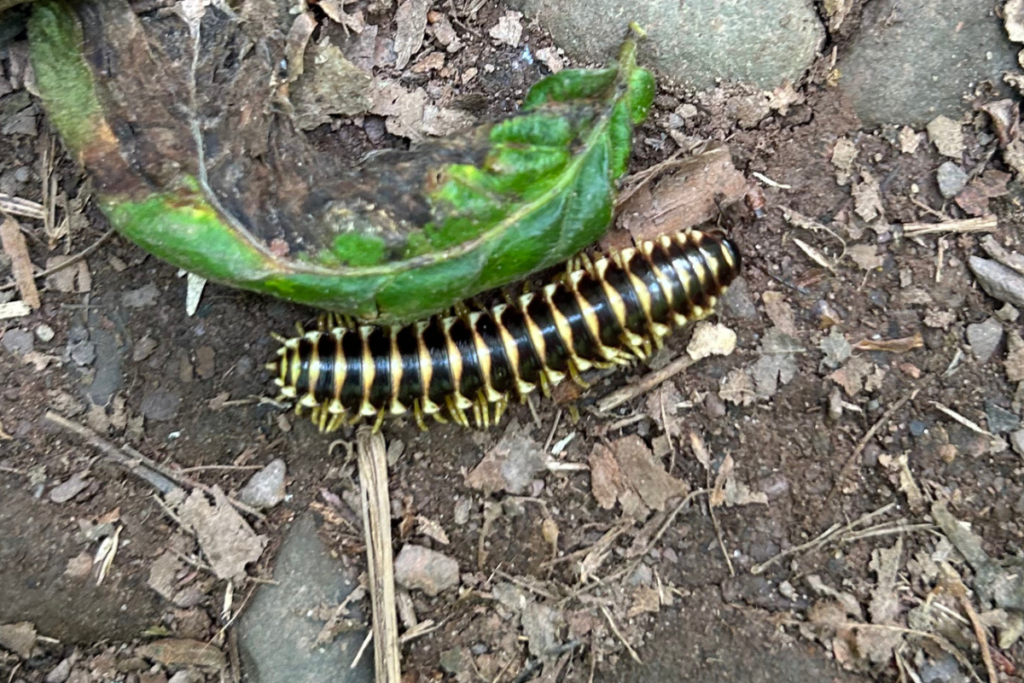
Young Yellow-Banded Millipedes begin life considerably smaller than adults and possess fewer body segments. At hatching, they already resemble miniature millipedes, but their overall appearance remains much less developed. Their coloration is often less pronounced, and many of the characteristics associated with mature individuals are still absent.
Growth occurs through a process known as molting. Because the external skeleton cannot expand indefinitely, the millipede must periodically shed its old exoskeleton and form a larger replacement. Each molt allows the animal to increase in size while adding new segments and additional pairs of legs.
This developmental process differs from the dramatic metamorphosis observed in butterflies. A caterpillar transforms into an entirely different-looking adult, while a juvenile millipede gradually becomes a larger and more complex version of itself. The changes are continuous rather than sudden, creating a smooth progression between life stages.
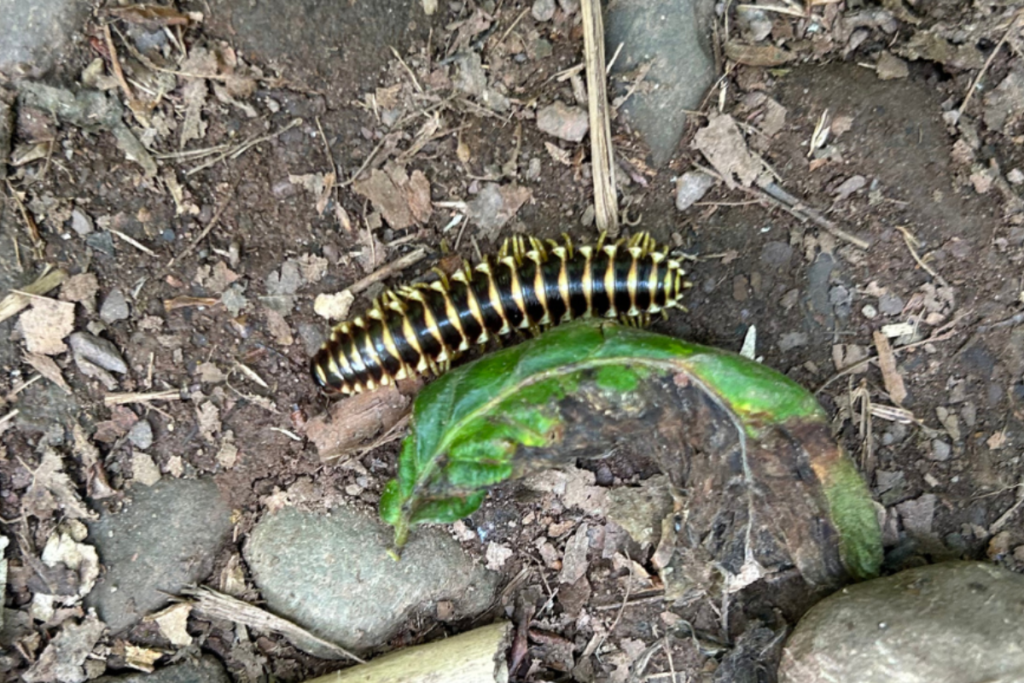
Multiple molts occur throughout the juvenile period. With each stage, the millipede gains additional body length, increased leg numbers, and more developed coloration. The distinctive black-and-yellow pattern becomes increasingly visible as the individual approaches adulthood.
A useful comparison is the way a tree adds growth rings over time. Each year contributes additional structure without changing the tree’s basic form. Similarly, every molt adds complexity and size while maintaining the overall body plan that defines the species.
Yellow-Banded Millipede Adult Stage and Lifespan
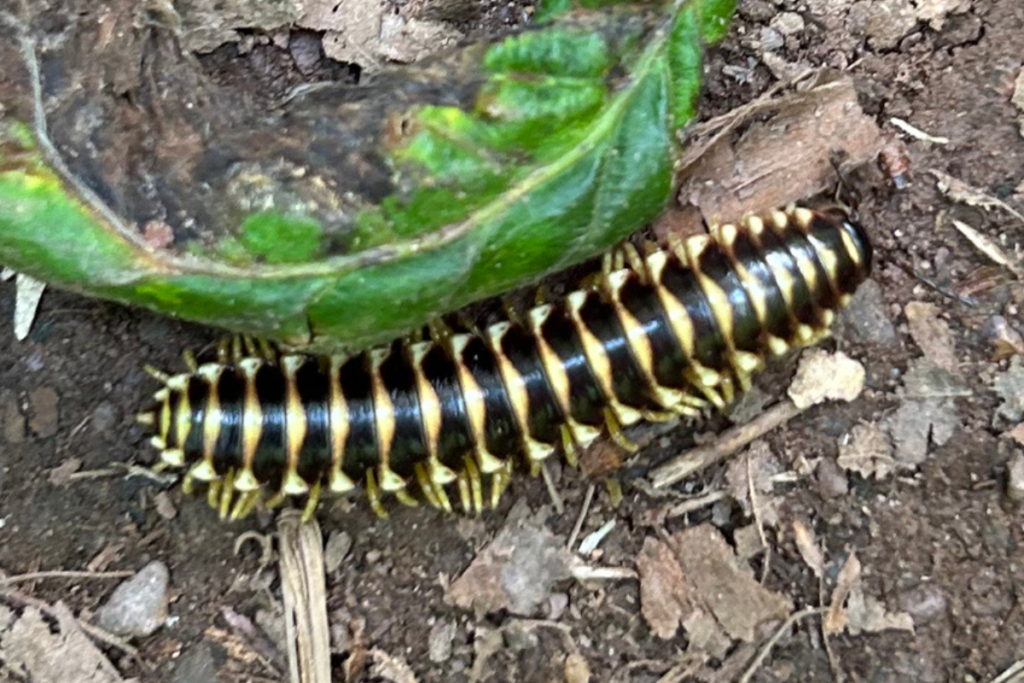
After several years of gradual growth, the Yellow-Banded Millipede reaches maturity. Adult individuals possess the full complement of body segments, numerous legs, and the striking yellow-banded coloration that makes the species easy to recognize. At this stage, growth slows considerably as energy is increasingly directed toward maintenance and reproduction.
The adult phase represents the longest and most visible portion of the life cycle for many observers. Mature millipedes are commonly encountered crossing trails, moving through leaf litter, or traveling across woodland surfaces after periods of rainfall. Their larger size and distinctive appearance make them far easier to notice than juveniles.
Lifespan estimates generally range between two and five years, although individual longevity can vary depending on environmental conditions and survival challenges. This relatively long lifespan is notable among many invertebrates and reflects the species’ gradual developmental strategy. Instead of growing rapidly and reproducing within a single season, Yellow-Banded Millipedes invest in steady long-term development.
Natural mortality occurs through a variety of factors, including predation, environmental stress, disease, and aging. Individuals that successfully navigate these challenges may survive long enough to participate in multiple reproductive seasons. This increases the likelihood of contributing offspring to future generations.
The life cycle ultimately returns to its starting point when mature adults reproduce and produce the next generation. Eggs hatch into young millipedes, juveniles grow through repeated molts, and adults continue the cycle through reproduction. This ongoing process has allowed Yellow-Banded Millipedes to persist in eastern North American forests for countless generations, maintaining their role as one of the region’s most distinctive and recognizable decomposers.
Popular Searches About Banded Millipedes
Explore Banded Millipede Guide
Explore More Wildlife

Support Encounters World
Help support wildlife photography and get behind the scenes discoveries on Patreon.