
ellow-Banded Millipede Facts Guide: Interesting Facts, Unique Traits, and Surprising Discoveries
Quick Facts
Scientific Name: Apheloria sp.
Common Name: Yellow-Banded Millipede
Animal Group: Millipede (Class Diplopoda)
Average Length: 2–4 Inches (5–10 cm)
Primary Defense: Chemical Secretions
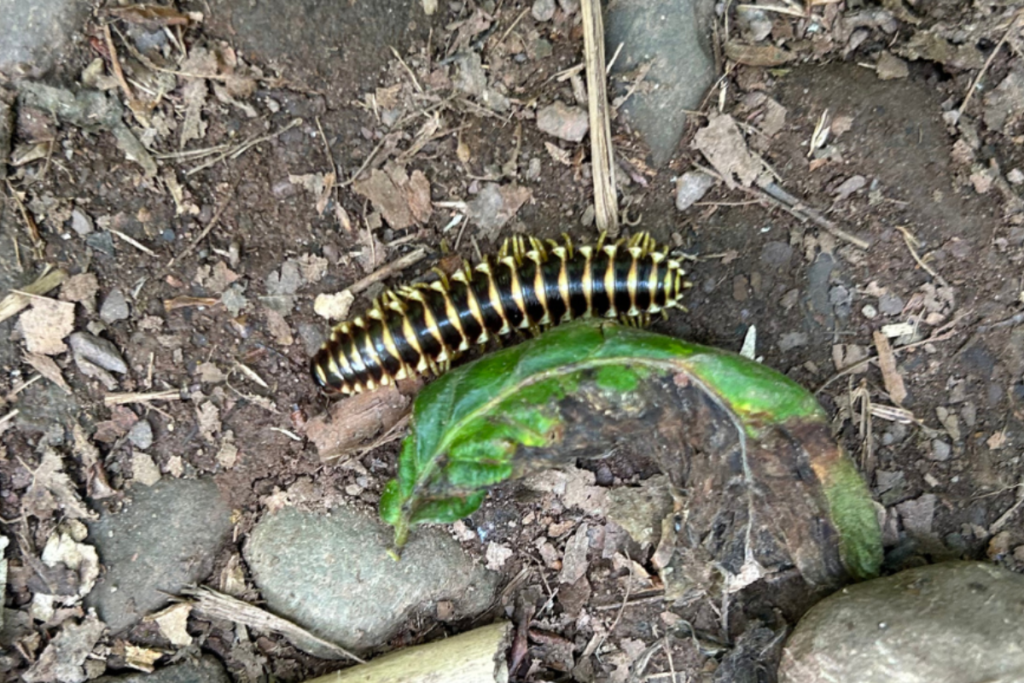
Most Distinctive Feature: Bright Yellow Bands on a Glossy Black Body
Fascinating Yellow-Banded Millipede Facts Overview
The Yellow-Banded Millipede (Apheloria sp.) is one of the most recognizable millipedes found in eastern North America. Its striking black-and-yellow coloration immediately attracts attention, making it stand out among the many small creatures that inhabit the forest floor. While many invertebrates rely on camouflage to avoid detection, this species follows a completely different strategy that makes it one of the easiest millipedes to identify.
Despite its unusual appearance, most people know very little about this fascinating arthropod. Millipedes are often overlooked in favor of larger wildlife, yet they have existed on Earth for hundreds of millions of years. Their ancestors were already thriving long before mammals appeared and even before dinosaurs dominated terrestrial ecosystems.
The Yellow-Banded Millipede belongs to a group of animals known as diplopods, a name referring to the paired leg arrangement found on most body segments. This characteristic helps separate millipedes from centipedes, which possess only a single pair of legs on each segment. Although both groups are frequently confused, they occupy very different ecological roles.
A closer look reveals that the Yellow-Banded Millipede is much more than a colorful forest crawler. Its biology, defensive adaptations, and ecological importance make it one of the more interesting invertebrates found within eastern woodland ecosystems. Learning a few surprising facts about the species helps reveal why it has become a favorite subject among naturalists and wildlife photographers.
Surprising Yellow-Banded Millipede Physical Facts
One of the most interesting facts about the Yellow-Banded Millipede is that it usually has far fewer than one thousand legs despite belonging to a group commonly associated with extremely high leg counts. The name “millipede” literally means “thousand feet,” but most species possess significantly fewer legs. Even so, the large number of limbs remains impressive when viewed up close.
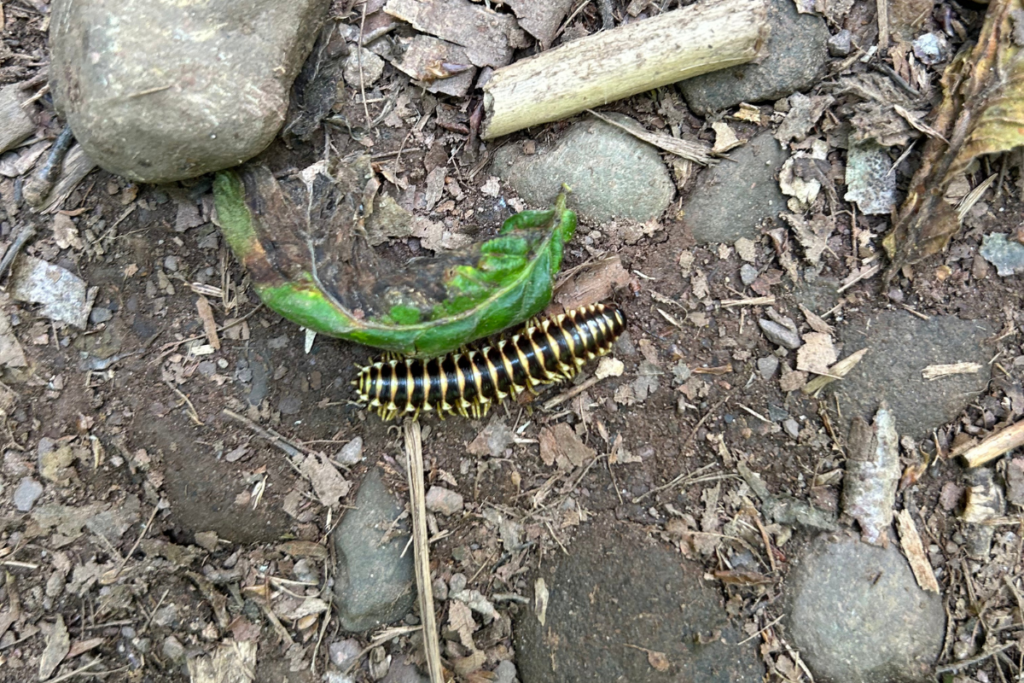
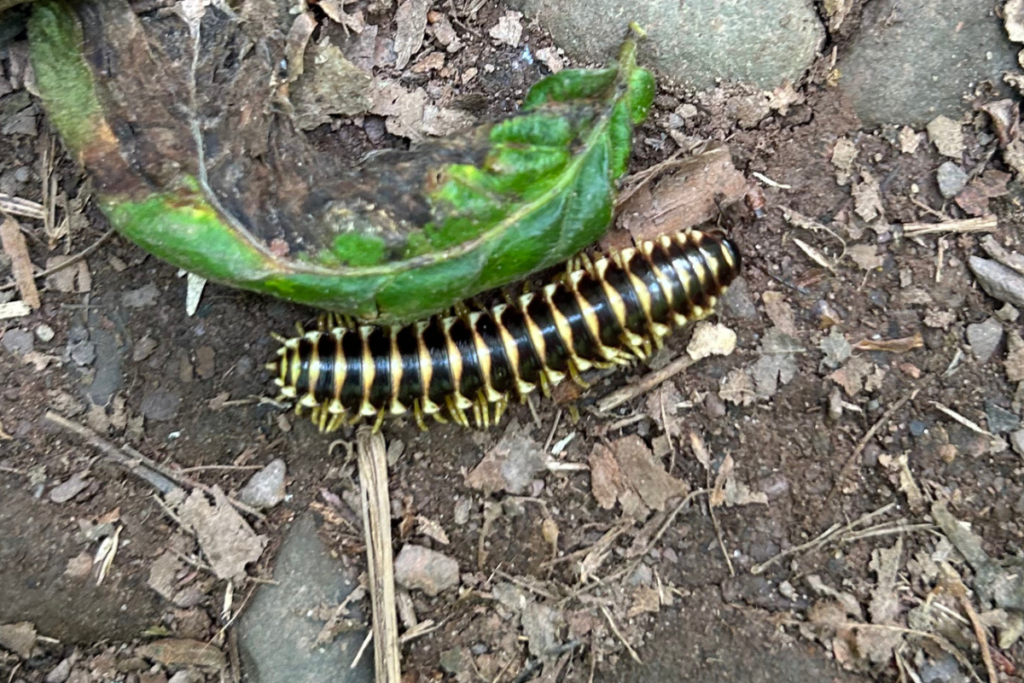
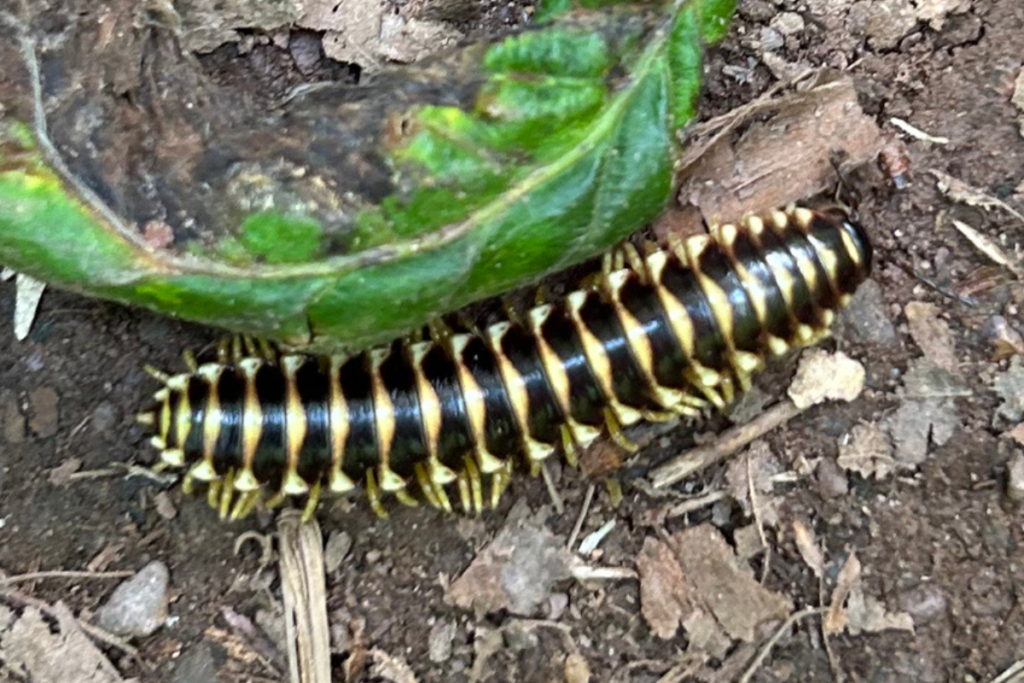
Its flattened body shape also sets it apart from many other millipede species. Broad extensions along the sides of each segment create an armored appearance that resembles overlapping plates. This unique structure contributes to its recognizable profile and helps distinguish it from more cylindrical millipedes.
The bright yellow bands are not simply decorative. These markings serve an important purpose by acting as a warning signal to potential predators. The coloration communicates that the animal possesses chemical defenses, helping reduce the likelihood of attacks before they occur.
Another remarkable feature is the glossy appearance of the exoskeleton. Under favorable lighting conditions, the body can appear polished or varnished. Combined with the bold yellow markings, this reflective surface gives the species one of the most striking appearances among eastern North American millipedes.
Many observers are surprised by the size of mature individuals. Adults commonly reach lengths of several inches, making them noticeably larger than many other forest-floor arthropods. Their size, coloration, and body structure combine to create an animal that is difficult to overlook once encountered.
Yellow-Banded Millipede Defense and Survival Facts
The Yellow-Banded Millipede possesses one of the most effective passive defense systems found among woodland invertebrates. Rather than relying on speed or aggression, it survives by discouraging predators before an attack occurs. This approach reduces the need for dangerous confrontations and helps conserve energy.
Perhaps the most famous fact about the species is its ability to produce cyanide-related defensive compounds. While the quantities are small and generally harmless to humans during normal encounters, these chemicals are highly effective at discouraging predators. Birds, reptiles, and small mammals often learn to avoid millipedes after experiencing these unpleasant secretions.
Unlike centipedes, Yellow-Banded Millipedes cannot bite or sting. Many people assume that brightly colored arthropods are aggressive, but this species is remarkably peaceful. Its defenses are designed to make predators leave rather than to actively attack other animals.
When threatened, the millipede may curl its body into a protective position. This posture shields more vulnerable areas while exposing the tougher outer surface. The behavior provides an additional layer of protection alongside its chemical defenses and warning coloration.
Predators that ignore the visual warning often receive a memorable lesson. The unpleasant taste and odor associated with defensive secretions encourage future avoidance. Over time, this creates a powerful survival advantage that benefits both individual millipedes and the broader population.
Amazing Yellow-Banded Millipede Ecological Facts
The Yellow-Banded Millipede plays a critical role in maintaining healthy forest ecosystems. As a decomposer, it helps break down organic material that accumulates on the forest floor. Without organisms performing this function, woodland environments would become overwhelmed by layers of undecomposed debris.
Every autumn, forests produce enormous quantities of fallen leaves. Yellow-Banded Millipedes contribute to processing this material, helping return nutrients to the soil where they can be used again by plants. This nutrient recycling process supports the growth of trees, wildflowers, mosses, and countless other organisms.
One surprising ecological fact is that the species acts as a natural recycler without receiving much attention. Large animals often receive credit for shaping ecosystems, yet small decomposers perform some of the most important ecological work. Their activities influence soil quality, nutrient availability, and overall forest productivity.
The millipede also contributes to complex food-web relationships. Although protected by chemical defenses, it still interacts with predators and other organisms throughout its life. These connections help integrate the species into the broader ecological community and demonstrate how even small invertebrates influence ecosystem function.
Perhaps the most impressive fact is that millipedes have been performing these ecological roles for hundreds of millions of years. Long before modern forests developed, ancient millipede relatives were already helping recycle organic material within terrestrial ecosystems. The Yellow-Banded Millipede represents a modern continuation of that ancient and essential ecological legacy.
From its warning coloration and chemical defenses to its role in nutrient recycling, the Yellow-Banded Millipede is filled with fascinating characteristics that make it far more remarkable than its size might suggest. These facts highlight why this colorful arthropod remains one of the most interesting and ecologically valuable invertebrates found throughout eastern North American forests.
Popular Searches About Banded Millipedes
Explore Banded Millipede Guide
Explore More Wildlife

Support Encounters World
Help support wildlife photography and get behind the scenes discoveries on Patreon.