
Groundhog Habitat: Where Groundhogs Live Across North America
Quick Facts
Primary Habitat: Open woodland edges and grassy fields
Secondary Habitat: Farmland, meadows, roadsides, and suburban green spaces
Climate Preference: Temperate climates with distinct seasons
Environment Type: Mixed open landscapes with nearby cover
Elevation Range: Sea level to approximately 10,000 feet (3,048 m)
Geographic Distribution: Canada, United States, and parts of Alaska
Groundhog Range and Natural Environment Introduction
The groundhog (Marmota monax), also known as the woodchuck, is one of the most widely recognized mammals in North America. This large member of the squirrel family occurs throughout much of the eastern and central United States, southern Canada, and portions of Alaska. Its broad distribution has allowed it to become familiar to people living in both rural and suburban regions.
Across its range, the species occupies a remarkable variety of landscapes. Travelers driving through agricultural valleys, rolling countryside, or lightly developed communities often encounter groundhogs along roadsides or open clearings. Their widespread presence reflects an ability to persist in environments that have been shaped by both natural processes and human activity.
Unlike wildlife species restricted to isolated regions, groundhogs occur across a broad geographic area containing diverse climates and terrain. From northern forests influenced by long winters to warmer regions with extended growing seasons, populations have successfully established themselves across many environmental settings. This flexibility contributes significantly to their success.
The environments occupied by groundhogs often contain a mixture of open space and surrounding vegetation. These landscapes create opportunities for the species to thrive while remaining one of the most visible native mammals in many parts of North America. Whether encountered in countryside fields or near suburban neighborhoods, the groundhog has become closely associated with the continent’s changing landscapes.
Groundhog Habitat Overview Across Its Geographic Range
Groundhogs are considered highly adaptable mammals compared to many other members of the marmot family. While some marmot species are limited to mountainous regions or specialized environments, the groundhog occupies a much broader variety of landscapes. This adaptability has allowed the species to establish populations across an enormous portion of North America.
Throughout its distribution, groundhogs are most commonly associated with areas where open ground exists alongside nearby vegetation. These environments provide a balance of visibility and cover that supports the species across different regions. As a result, they can be found in landscapes that vary considerably from one state or province to another.
The species is especially successful in transitional environments where different vegetation communities meet. Areas combining open space with patches of shrubs, trees, or mixed plant growth often support healthy populations. Such environments create diverse conditions that groundhogs readily utilize throughout their range.
Compared to wildlife species that require large tracts of undisturbed wilderness, groundhogs frequently persist in landscapes altered by people. Agricultural regions, parks, utility corridors, and suburban green spaces often support populations alongside more natural areas. This ability to occupy both natural and modified environments makes the species more adaptable than many similarly sized mammals.
Although groundhogs are broadly distributed, their abundance varies by region. Some locations support high densities where suitable conditions are widespread, while other areas contain only scattered populations. Even so, the species remains one of the most geographically successful native rodents in North America.
Groundhog Habitat Types and Landscape Preferences
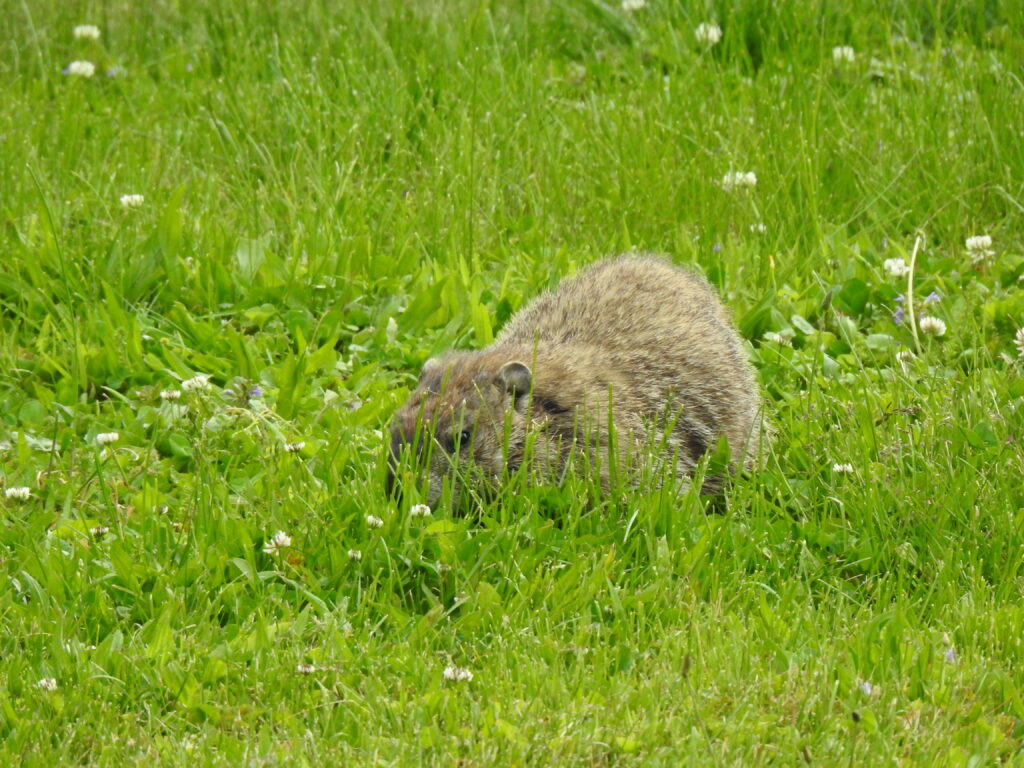
Groundhogs occupy a variety of habitat types throughout their range, each offering different environmental characteristics. One of the most commonly used habitat categories includes open meadows and grassy landscapes. These areas provide expansive visibility and support vegetation communities frequently associated with groundhog populations.
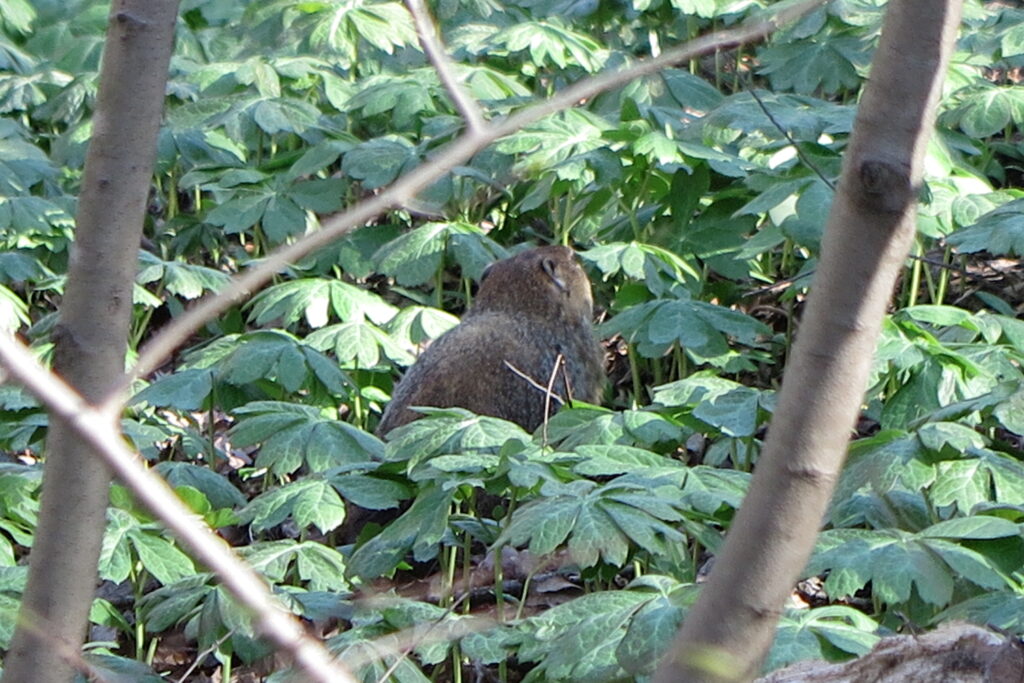
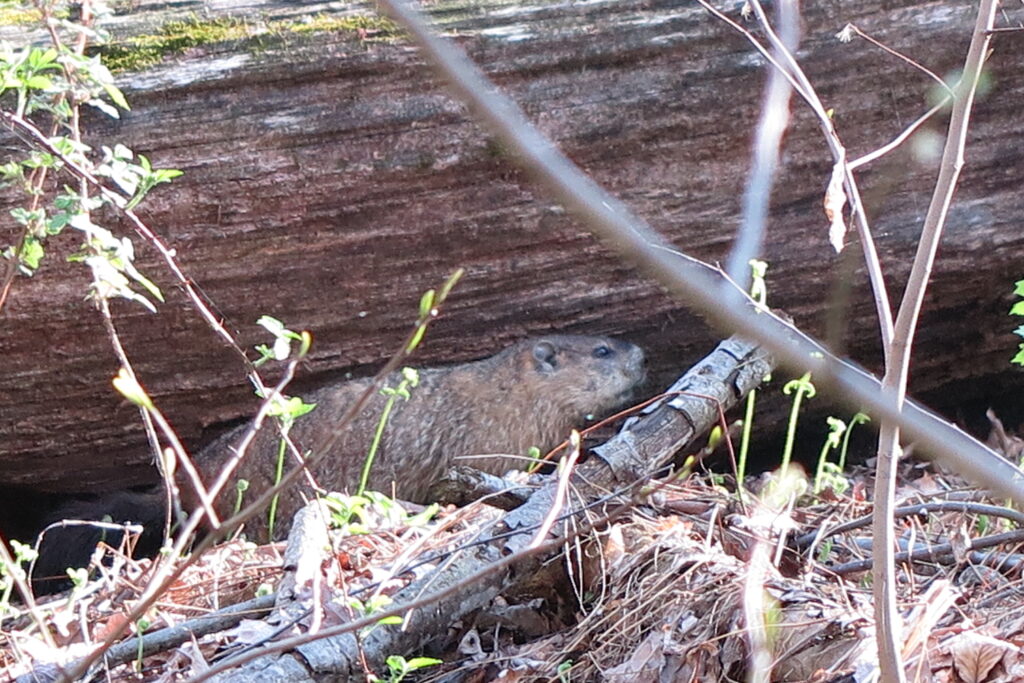
Woodland edges represent another important habitat type. Rather than occupying dense forest interiors, groundhogs are more frequently associated with transition zones where forests meet open land. These edge environments combine features from multiple habitat types, creating conditions that support a wide range of wildlife species.
Agricultural landscapes also provide significant habitat opportunities. Crop fields, pasturelands, hay fields, and rural farm properties frequently support groundhog populations. In many regions, agricultural development has created extensive areas of suitable habitat that resemble the open environments the species naturally utilizes.
Human-altered environments contribute another major habitat category. Groundhogs commonly occur near parks, golf courses, utility easements, railroad corridors, and suburban green spaces. Unlike some wildlife species that avoid developed areas entirely, groundhogs often persist where patches of vegetation remain available within modified landscapes.
Habitat variation can occur even within a single local population. Some individuals occupy open grasslands, while others utilize shrubby field margins or lightly wooded areas nearby. This flexibility allows the species to take advantage of different habitat types while maintaining a broad presence across its range.
Environmental Conditions Supporting Groundhog Populations
Groundhogs thrive in regions characterized by temperate climates and distinct seasonal changes. Much of their range experiences warm summers, cool autumns, cold winters, and moderate spring conditions. These seasonal patterns influence the environments where populations become established and persist over time.
Temperature tolerance is one reason the species occupies such a large geographic area. Groundhogs occur in regions that experience freezing winter conditions as well as areas with relatively mild climates. Their distribution demonstrates an ability to persist across a wide range of seasonal temperature extremes.
Terrain also influences habitat suitability. Groundhogs are commonly associated with landscapes containing gentle slopes, rolling hills, valleys, and relatively well-drained ground. Extremely rocky terrain, permanently flooded environments, or heavily saturated soils are generally less favorable than stable, moderately elevated areas.
Vegetation structure plays an important role in supporting populations. Groundhogs are frequently associated with environments containing a combination of low-growing plants, scattered shrubs, and nearby tree cover. This arrangement creates a layered landscape that supports wildlife diversity while providing suitable environmental conditions.
Seasonal environmental changes further shape where groundhogs occur. During spring and summer, vegetation growth transforms many landscapes into lush green environments. In contrast, winter conditions can dramatically alter visibility and ground cover. The species persists through these annual cycles much like many other temperate-zone mammals that experience pronounced seasonal variation.
When viewed broadly, the environmental conditions favored by groundhogs can be compared to the mixed landscapes often found throughout the eastern United States and southern Canada. Rolling countryside, agricultural valleys, woodland margins, and suburban green spaces collectively represent the types of environments where this adaptable mammal continues to thrive across North America.
Popular Searches About Groundhogs
Explore Groundhog Guide
Explore More Wildlife

Support Encounters World
Help support wildlife photography and get behind the scenes discoveries on Patreon.