
Spring Field Cricket Diet: What Spring Field Crickets Eat and How They Find Food
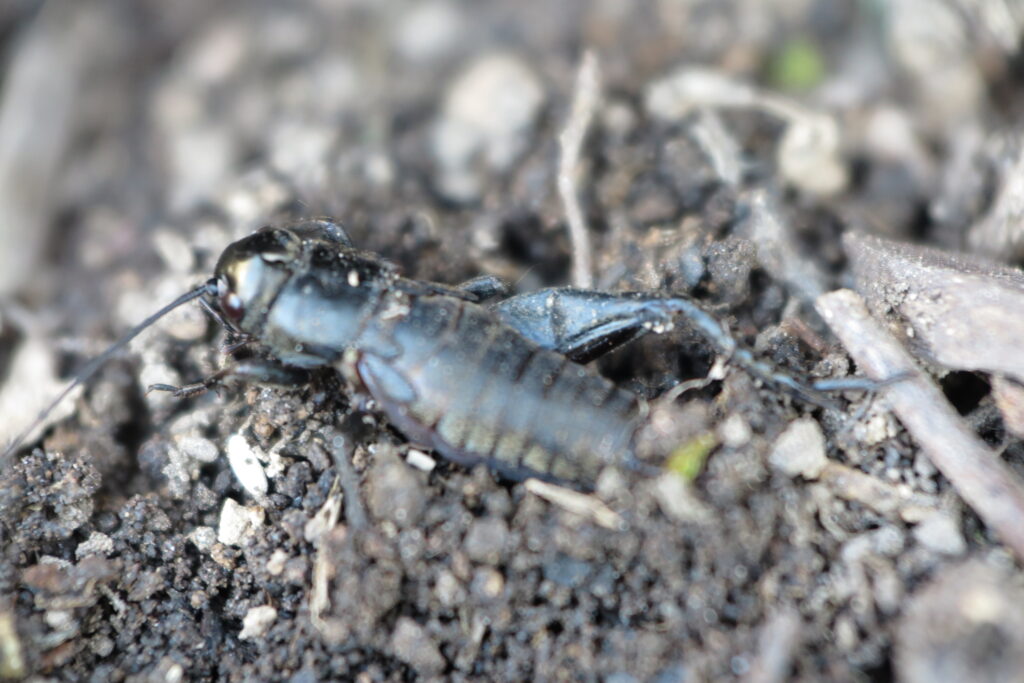
Quick Facts
Diet Type: Omnivore
Main Food Sources: Plant material, seeds, fungi, decaying organic matter, and small invertebrates
Feeding Time: Primarily Evening and Night
Foraging Method: Ground-level searching and opportunistic feeding
Seasonal Diet Changes: Varies with food availability throughout the year
Predatory Adaptations: Strong mandibles and flexible feeding habits
Spring Field Cricket Feeding Habits and Natural Diet Introduction
The Spring Field Cricket (Gryllus veletis) is a widespread North American insect known for its seasonal appearance and adaptable lifestyle. Found across much of eastern and central North America, it occupies a variety of landscapes where food resources can change throughout the year. Like many successful insects, its survival depends heavily on its ability to take advantage of whatever nutritional opportunities are available.
In many environments, food availability fluctuates constantly. Plant growth changes with the seasons, organic material accumulates and decomposes, and populations of other small organisms rise and fall over time. The Spring Field Cricket exists within this dynamic system, relying on a feeding strategy that allows it to respond to changing conditions rather than depending on a single food source.
A closer examination of this species reveals that its diet is one of the reasons it remains common across such a broad geographic range. Rather than being restricted to one specialized resource, it utilizes a wide variety of nutritional sources. This flexibility helps reduce competition and allows populations to persist in many different landscapes.
Food plays an important role in every stage of the cricket’s life. Growth, development, reproduction, and seasonal survival all depend upon obtaining sufficient nutrients from the surrounding environment. Understanding what the Spring Field Cricket eats provides valuable insight into how this insect functions within larger ecological communities.
Spring Field Cricket Diet Overview and Feeding Flexibility
The Spring Field Cricket is best described as an omnivore. Instead of relying exclusively on plant material or animal prey, it consumes a mixture of both depending on what resources are available at a given time. This broad feeding strategy gives the species access to numerous food sources throughout the year.
One of the defining characteristics of its diet is flexibility. Environmental conditions differ significantly across the cricket’s geographic range, yet populations continue to thrive in many areas. The ability to utilize different food resources allows individuals to adjust to local conditions without requiring identical food sources everywhere they occur.
Compared to highly specialized insects that depend on a single plant species, the Spring Field Cricket follows a far more adaptable approach. Some insects may disappear from an area if their preferred host plant declines. The Spring Field Cricket, however, can shift its feeding focus among multiple available resources, reducing its dependence on any one source.
Diet composition can also vary between individuals. Younger crickets, mature adults, and insects living in different environments may consume slightly different combinations of foods. These variations are normal and reflect the species’ opportunistic feeding tendencies rather than a fixed dietary formula.
A useful comparison can be made to a person shopping at a well-stocked grocery store rather than relying on a single item for every meal. The Spring Field Cricket takes advantage of a diverse menu of available resources, selecting from numerous options as conditions change. This dietary versatility contributes significantly to its long-term success across North America.
Natural Food Sources Consumed by Spring Field Crickets
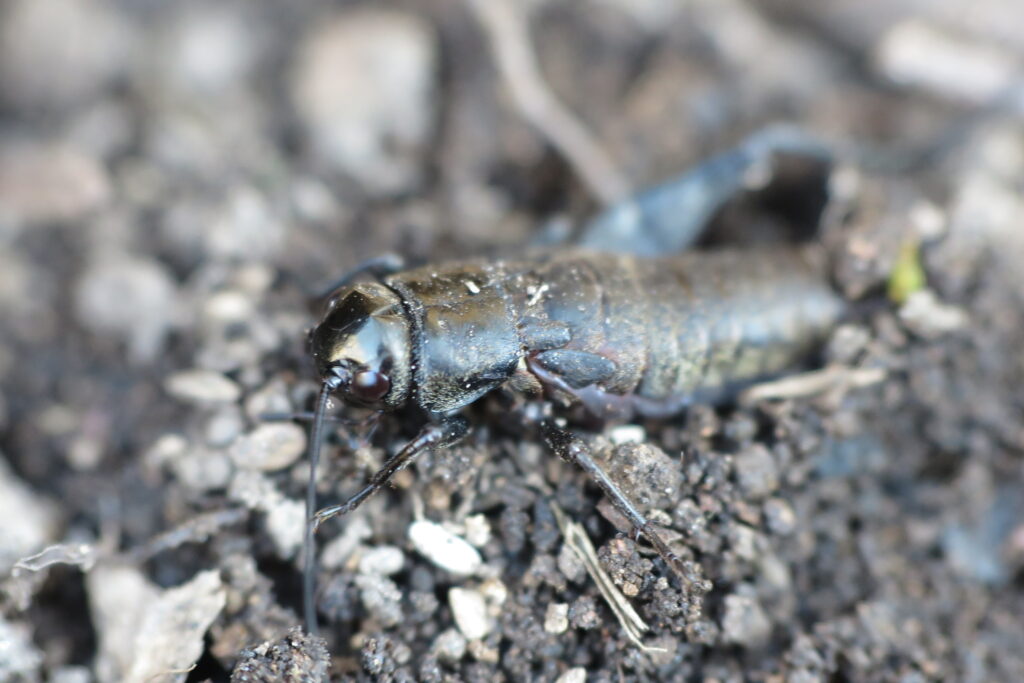
Plant material forms an important portion of the Spring Field Cricket’s diet. Leaves, tender vegetation, sprouts, and various plant fragments may be consumed when available. These materials provide energy and nutrients that support growth and daily biological functions.
Seeds are another commonly utilized food source. Small seeds scattered across the ground can offer concentrated nutritional value and are frequently encountered during normal foraging activities. In environments where seeds accumulate seasonally, they may become an important component of the diet.
Fungi and decomposing organic matter also contribute to the species’ nutritional intake. Fallen plant material gradually breaks down and supports microbial growth, creating additional feeding opportunities. By consuming these resources, the cricket gains access to nutrients that might otherwise remain unavailable.
Animal-based foods are incorporated into the diet as well. Small invertebrates, insect remains, and other protein-rich materials may be consumed when encountered. These resources can be particularly valuable because they provide nutrients needed for growth, tissue maintenance, and reproduction.
Food choices often shift depending on availability. During one period, plant material may dominate the diet, while at another time fungi or animal-derived resources become more important. This ability to utilize multiple food categories allows the Spring Field Cricket to respond effectively to changing environmental conditions throughout the year.
Spring Field Cricket Feeding Behavior and Food-Finding Strategies
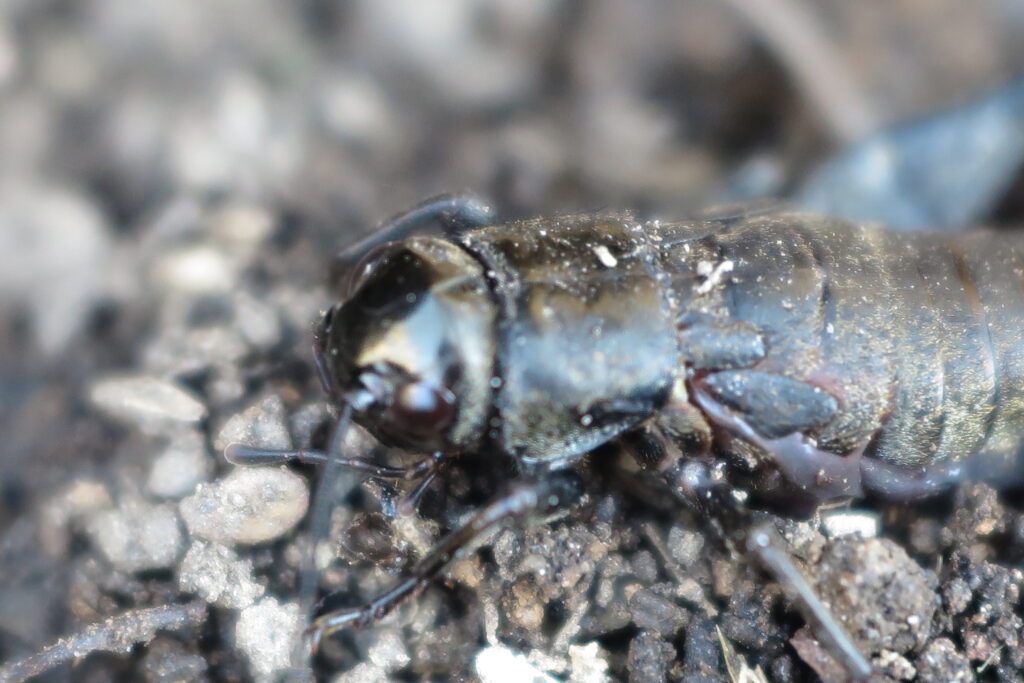
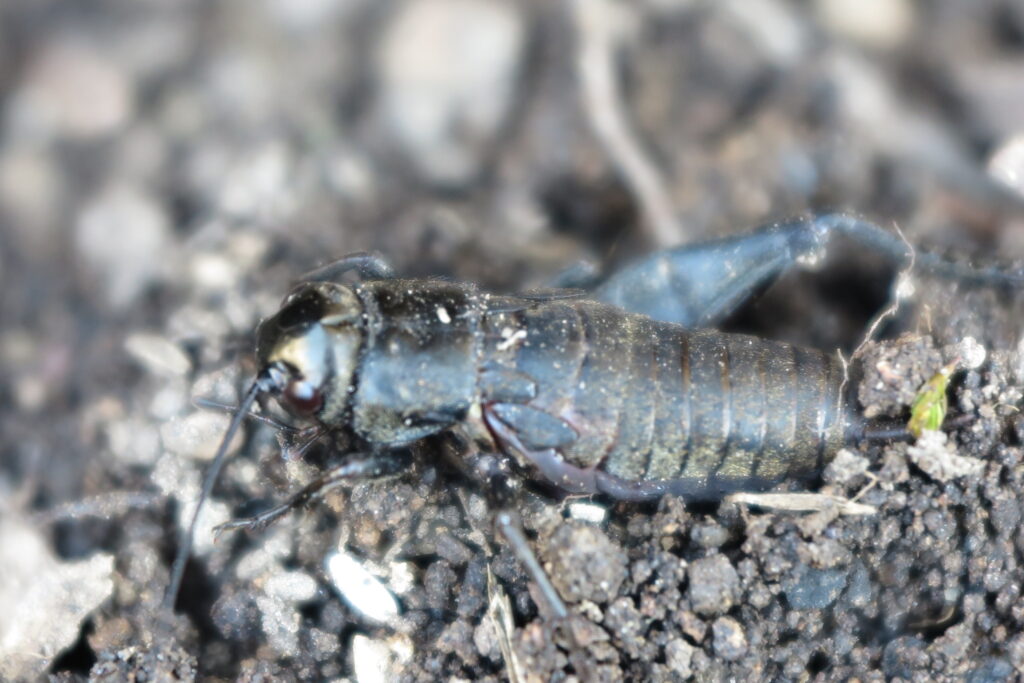
The Spring Field Cricket relies on active searching rather than waiting for food to come to it. Most feeding occurs at ground level, where individuals move through their surroundings investigating potential food sources. Long antennae help gather information about nearby objects and assist in locating suitable feeding opportunities.
Foraging is typically deliberate rather than random. A cricket may pause frequently, examine its surroundings, and inspect potential food items before feeding. This careful approach helps maximize energy gained while reducing unnecessary effort spent on unsuitable resources.
Competition for food can occur when multiple individuals occupy the same area. Rather than specializing in a narrow resource, the Spring Field Cricket reduces competitive pressure by taking advantage of many different food types. This flexibility allows neighboring individuals to utilize different resources even within the same general location.
When preferred foods become scarce, the species can adjust its feeding behavior accordingly. An individual encountering fewer plant resources may increase its use of organic debris, fungi, or animal-derived foods. This adaptability provides an important survival advantage during periods of environmental change.
A practical example can be seen following seasonal shifts that alter resource availability. Instead of depending on a single food item that may disappear, the Spring Field Cricket broadens its feeding options and continues utilizing whatever resources remain accessible. This opportunistic strategy helps explain why the species persists successfully across a wide range of environments and changing seasonal conditions.
Popular Searches About Spring Field Crickets
Explore Spring Field Cricket Guide
Explore More Wildlife

Support Encounters World
Help support wildlife photography and get behind the scenes discoveries on Patreon.