
Common Plumose Anemone Overview: Identification, Appearance, and Ecological Importance
Quick Facts
Scientific Name: Metridium senile
Common Name: Common Plumose Anemone
Location: Marine Coastal Waters
Average Size: 4–12 inches (10–30 cm) tall
Lifespan: Several decades
Global Range: North Atlantic Ocean, North Pacific Ocean, and European Coastlines
Conservation Status: Not Evaluated
Notable Feature: Feather-like crown of hundreds of delicate tentacles
Location Observed: Atlanta Georgia Aquarium, USA
Field Observation
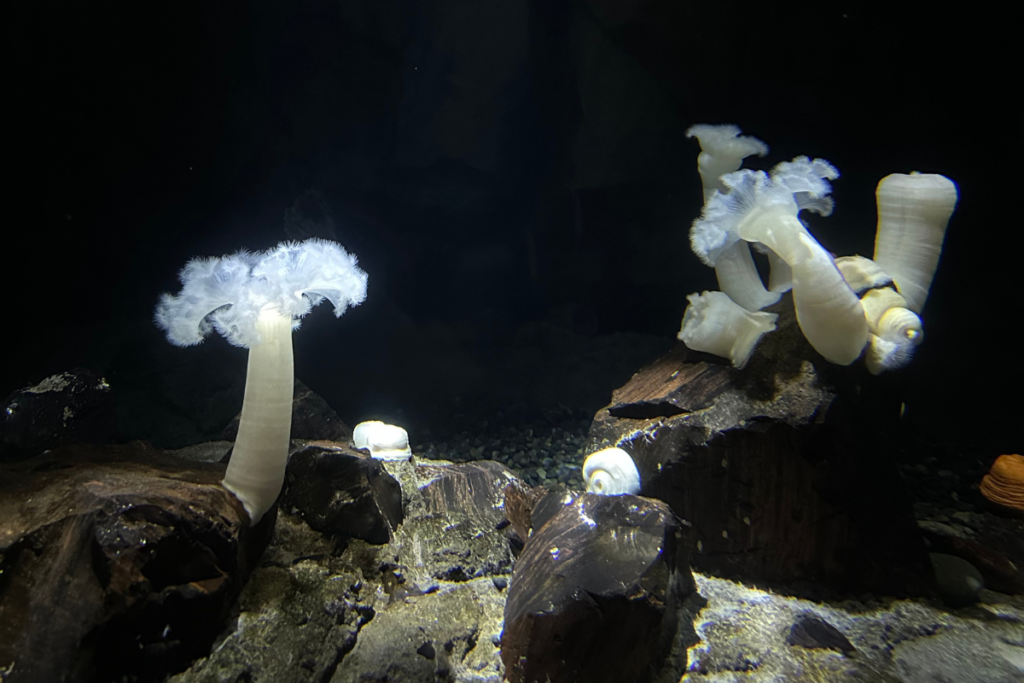
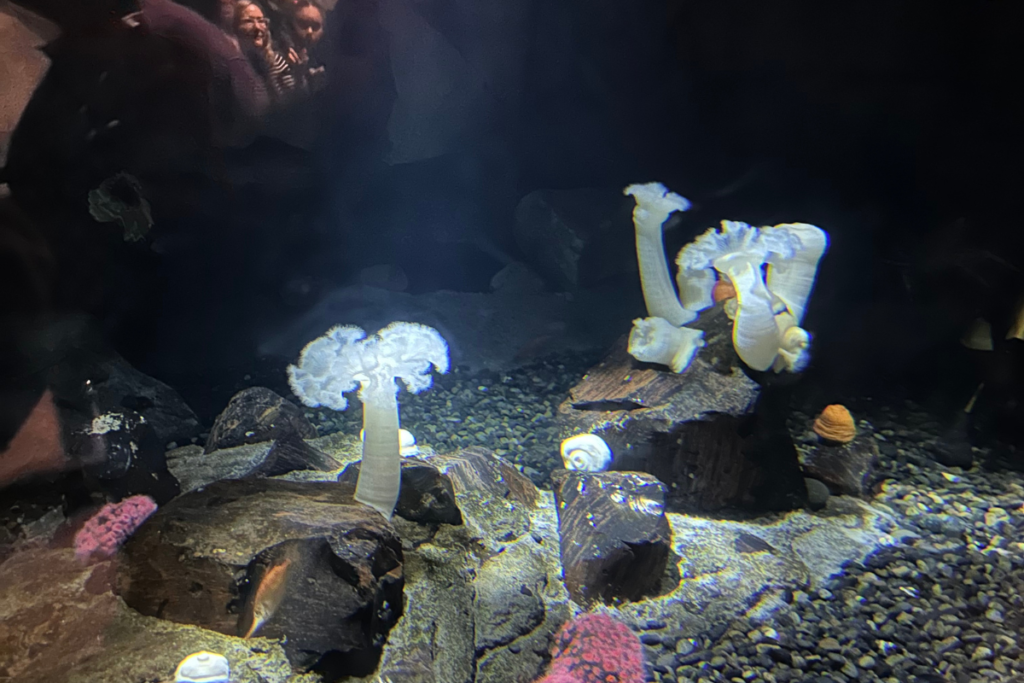
During my observation, multiple Common Plumose Anemones were attached to rocks, extending several inches upward from the surface. Their pale white columns and feathery crowns gave them a ghost-like appearance as they projected into the water, with some individuals appearing noticeably thicker and larger than others within the group.
Introduction to the Common Plumose Anemone
The Common Plumose Anemone (Metridium senile) is one of the most recognizable sea anemones found in temperate marine waters. Known for its tall column and elegant crown of feathery tentacles, this species creates an appearance more reminiscent of an underwater flower than a predatory marine animal. Its distinctive shape has made it a familiar sight in aquariums, tidewater habitats, and coastal ecosystems across the Northern Hemisphere.
This species occurs throughout portions of the North Atlantic and North Pacific Oceans, where it inhabits coastal regions stretching across Europe and North America. Populations can be found along rocky shorelines, underwater structures, and marine environments influenced by nutrient-rich currents. Its broad distribution has allowed it to become one of the most widely recognized sea anemones in temperate waters.
Unlike many tropical marine species known for bright colors, the Common Plumose Anemone often impresses observers through its form rather than vivid pigmentation. When fully expanded, its soft tentacle crown resembles a delicate plume swaying in the water. Large colonies can create remarkable underwater scenes where dozens or even hundreds of individuals occupy the same area.
For divers and marine enthusiasts, encountering a cluster of plumose anemones often transforms an ordinary underwater landscape into something extraordinary. Their flower-like appearance contrasts sharply with surrounding rocks and marine structures, creating one of the most visually distinctive sights in temperate coastal waters.
Common Plumose Anemone Appearance and Physical Overview
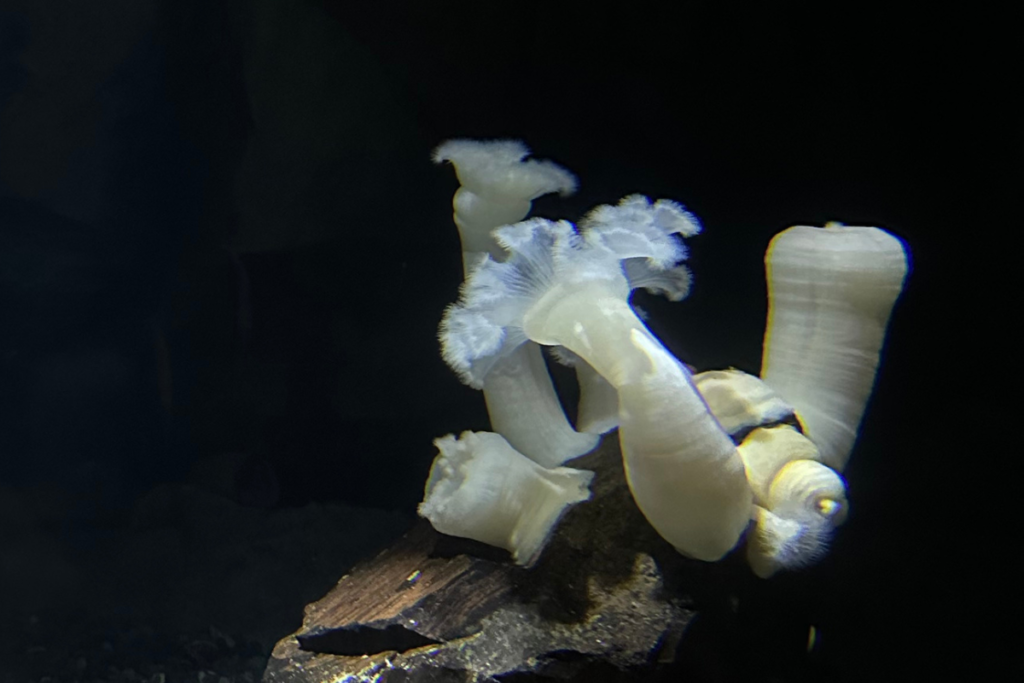
At first glance, the Common Plumose Anemone appears remarkably similar to a flowering plant. A long cylindrical column rises upward from the attachment point, supporting a circular crown filled with hundreds of delicate tentacles. This structure gives the animal a soft, feathery appearance unlike most other marine invertebrates.
Coloration varies considerably among individuals and populations. White forms are perhaps the most familiar, but specimens may also appear cream, tan, orange, brown, pink, or light gray. In some regions, multiple color forms occur side by side, creating visually diverse colonies that resemble underwater gardens.
Size can vary significantly depending on age and environmental conditions. Smaller individuals may stand only a few inches tall, while large specimens can exceed a foot in height when fully extended. A mature anemone is roughly comparable to the height of a large coffee mug or small water bottle, though exceptionally large individuals can be even taller.
In the wild, these anemones often occur in dense groups attached to hard surfaces. When currents flow through an area, their tentacles expand outward into soft circular plumes. From a distance, a colony may resemble a field of white flowers growing from submerged rocks.
The species demonstrates considerable adaptability throughout its range. Although individuals may vary in size and color, the overall appearance remains remarkably consistent. Regardless of location, the combination of a smooth column and feather-like tentacle crown makes the Common Plumose Anemone one of the easiest sea anemones to recognize.
Distinctive Characteristics of the Common Plumose Anemone
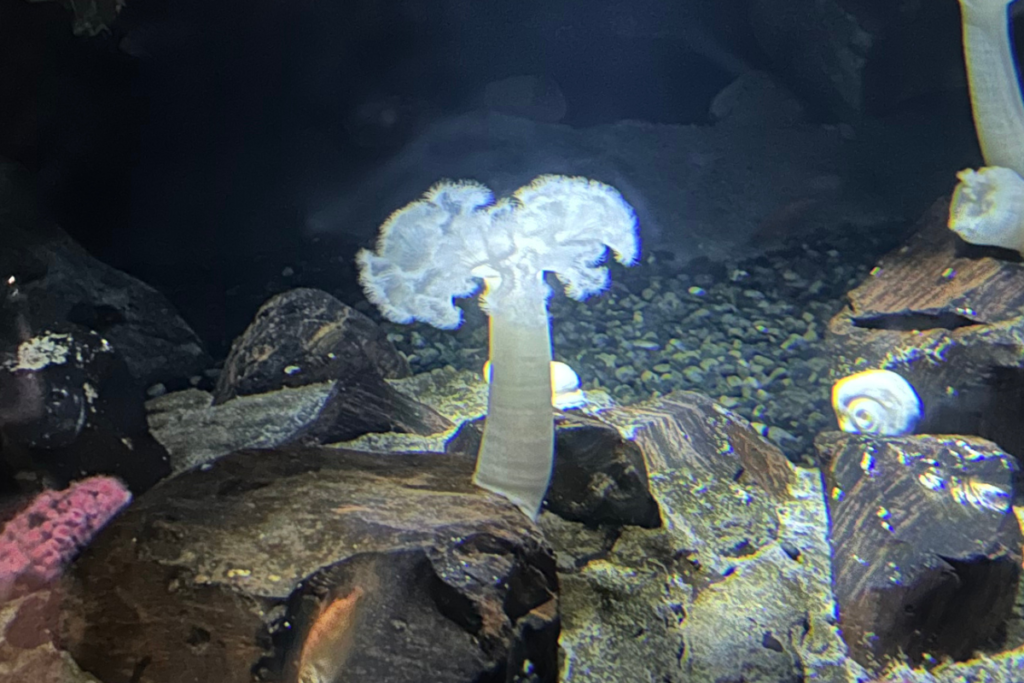
The defining feature of the Common Plumose Anemone is its enormous number of tentacles. Unlike many sea anemones that possess thicker, more widely spaced tentacles, this species develops hundreds of fine structures packed closely together. The resulting crown resembles a decorative feather duster or soft pom-pom suspended underwater.
Its body structure is also highly distinctive. The column is smooth, elongated, and relatively uniform in width. This simple design creates a striking contrast with the intricate tentacle crown at the top, emphasizing the dramatic difference between the two portions of the animal.
A useful comparison can be made to ornamental flowers. While many sea anemones resemble daisies or sunflowers with clearly visible tentacles, the Common Plumose Anemone resembles a chrysanthemum or ornamental plume. The densely packed tentacles create a textured appearance that appears almost fluffy when viewed closely.
Another unusual characteristic is the species’ ability to form extensive colonies. Large numbers of individuals may occupy the same structure, creating a living curtain of tentacles. Such colonies can transform docks, pilings, rocks, and submerged surfaces into vibrant marine communities.
Even among sea anemones, Metridium senile remains instantly recognizable. Its combination of height, tentacle density, and flower-like form separates it from nearly every other species encountered in temperate marine environments. These features have made it one of the most photographed and studied sea anemones in coastal ecosystems.
Common Plumose Anemone Role in Marine Ecosystems
The Common Plumose Anemone occupies an important position within coastal marine ecosystems. As a stationary invertebrate, it contributes to the complexity and biodiversity of underwater communities. Its presence adds structure to marine environments and creates additional ecological opportunities for other organisms.
Many marine species utilize anemone-covered areas as part of their habitat. Dense colonies increase the physical complexity of underwater surfaces, providing shelter, attachment points, and microhabitats for smaller organisms. These living structures help support diverse marine communities throughout their range.
The species also contributes to energy movement within marine food webs. Like countless other marine invertebrates, it participates in the transfer of nutrients and biological energy throughout coastal ecosystems. Its ecological role connects it to a larger network of marine organisms that collectively support ecosystem stability.
An excellent example of its environmental contribution can be seen on submerged docks and rocky coastlines. Areas populated by plumose anemones often support a variety of additional marine life, creating localized biodiversity hotspots. Their presence helps transform otherwise simple surfaces into biologically active environments.
Beyond ecological functions, the Common Plumose Anemone serves as an indicator of healthy marine conditions in many regions. Its colonies contribute beauty, biodiversity, and structural complexity to coastal waters. Through these roles, the species helps support the intricate ecological balance that allows temperate marine ecosystems to thrive.
Observation Location
Observed in Atlanta Georgia Aquarium, USA
Popular Searches About Plumose Anemones
Explore Plumose Anemone Guide
Explore More Exhibits

Support Encounters World
Help support wildlife photography and get behind the scenes discoveries on Patreon.