
Common Plumose Anemone Behavior Guide: Activity Patterns, Responses, and Survival Strategies
Quick Facts
Activity Type: Passive but Responsive
Social Structure: Solitary or Colonial Clusters
Territorial Behavior: Minimal
Movement Style: Stationary with Slow Body Adjustments
Communication Method: Chemical and Physical Responses
Defense Strategy: Tentacle Retraction and Stinging Cells
Introduction to Common Plumose Anemone Behavior
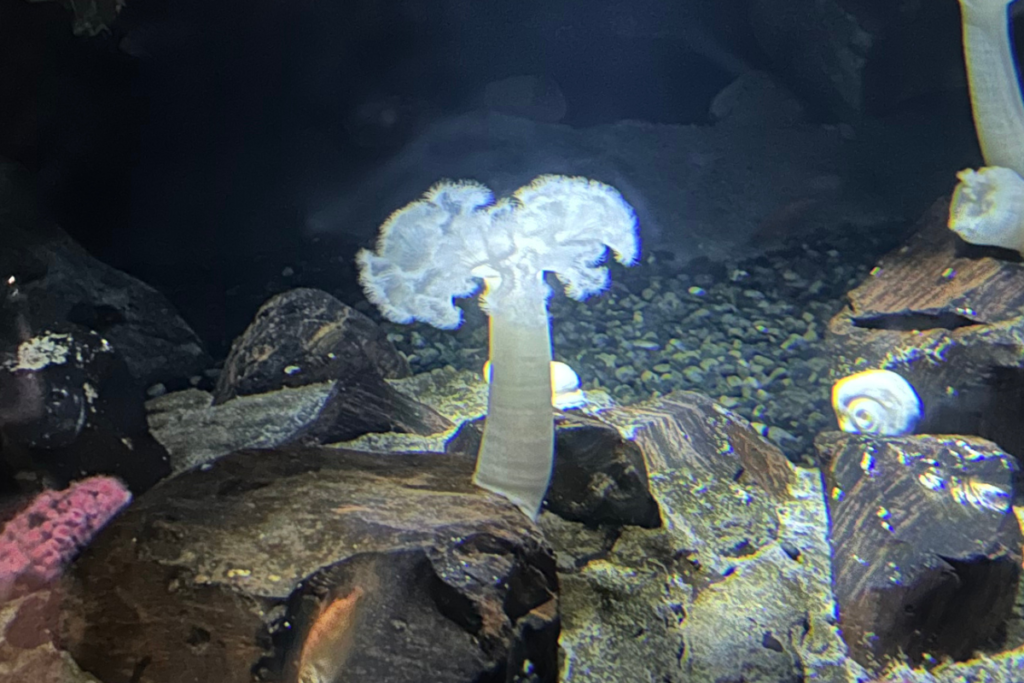
The Common Plumose Anemone (Metridium senile) is a marine invertebrate found throughout temperate coastal waters of the North Atlantic and North Pacific Oceans. Often attached to rocks, pilings, docks, and other submerged surfaces, this species is recognized by its feathery crown of tentacles and flower-like appearance. Although it may appear motionless at first glance, closer observation reveals a surprisingly responsive animal.
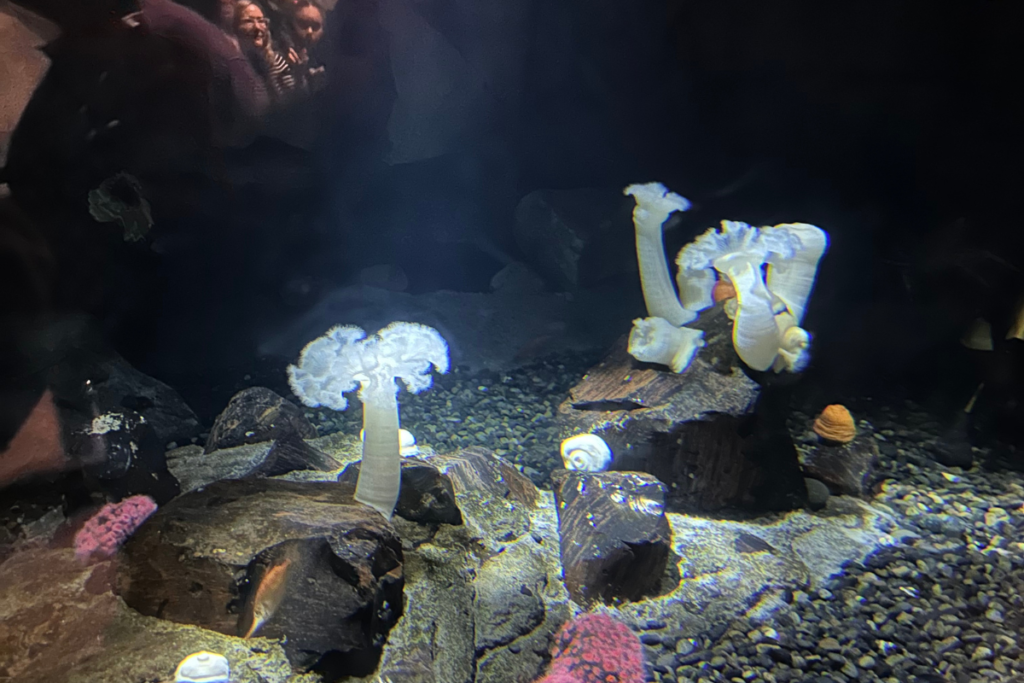
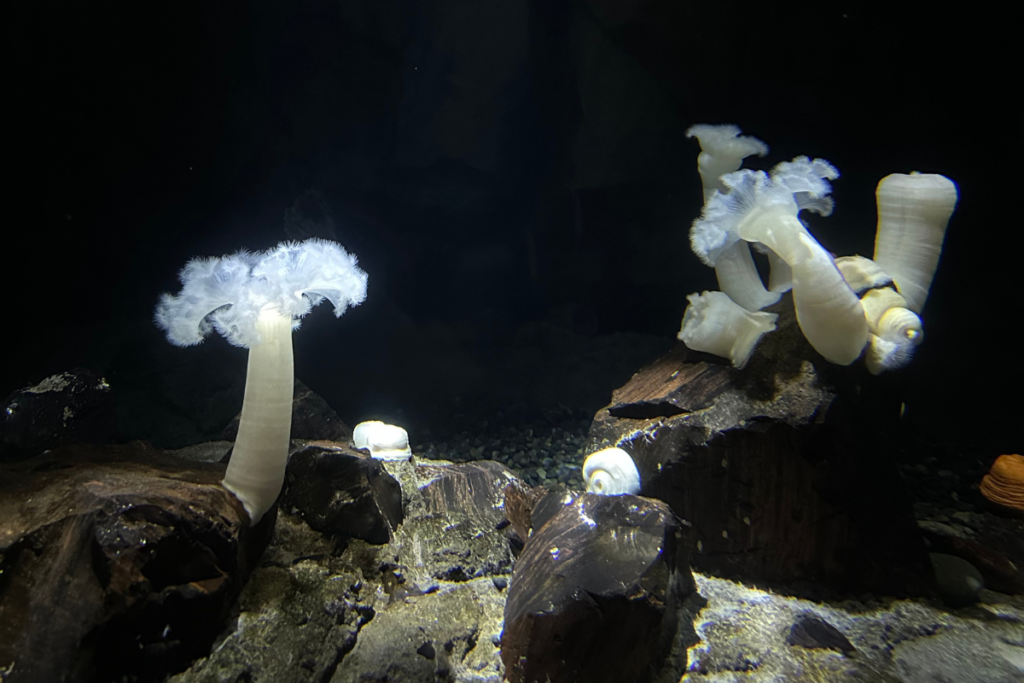
Large groups of plumose anemones often create the impression of an underwater garden. Their tentacles expand outward into the surrounding water, forming soft plumes that sway with changing currents. To a casual observer, they may seem more like marine plants than animals.
Unlike highly mobile marine species, the Common Plumose Anemone spends most of its life attached to a single location. This stationary lifestyle does not mean inactivity. Numerous biological processes occur continuously, allowing the anemone to respond to environmental conditions and surrounding activity.
Watching a colony over time reveals subtle but fascinating changes. Tentacles expand and contract, body columns alter shape, and individual anemones adjust their overall posture in response to shifting conditions. These gradual movements form the foundation of the species’ behavioral patterns.
Common Plumose Anemone Behavioral Tendencies and Daily Activity
The Common Plumose Anemone demonstrates a behavioral style centered on patience and efficiency. Rather than actively searching for opportunities, it allows surrounding water conditions to bring resources within reach. This strategy conserves energy while taking advantage of constant movement within marine environments.
When conditions remain favorable, anemones often maintain a fully expanded appearance for extended periods. Hundreds of delicate tentacles spread outward to maximize exposure to the surrounding water. In this state, the animal resembles a decorative feather duster opened to its fullest extent.
Compared to active marine animals such as fish or crabs, plumose anemones operate on a dramatically different timescale. Their responses are often measured in minutes or hours rather than seconds. Observing one can feel similar to watching a flower slowly open during the morning rather than observing a fast-moving animal.
Adaptability is an important part of their behavior. Individuals regularly adjust tentacle expansion, body posture, and overall shape based on changing conditions. These modifications allow them to remain effective even when environmental circumstances shift throughout the day.
When undisturbed, most Common Plumose Anemones appear calm and stable. They do not display dramatic activity but instead maintain a consistent presence. This steady behavioral approach allows them to function successfully within environments where energy conservation is often more valuable than constant movement.
Common Plumose Anemone Movement and Activity Patterns
Although attached to solid surfaces, Common Plumose Anemones are not completely immobile. Small adjustments occur throughout the day as tentacles expand, contract, and reposition themselves. These movements help the animal respond to changing conditions without requiring relocation.
Tentacle motion is heavily influenced by water movement. As currents pass through an area, the tentacles bend, sway, and shift direction. The resulting appearance resembles soft grass moving in a gentle breeze or the strands of a feather floating in slow motion.
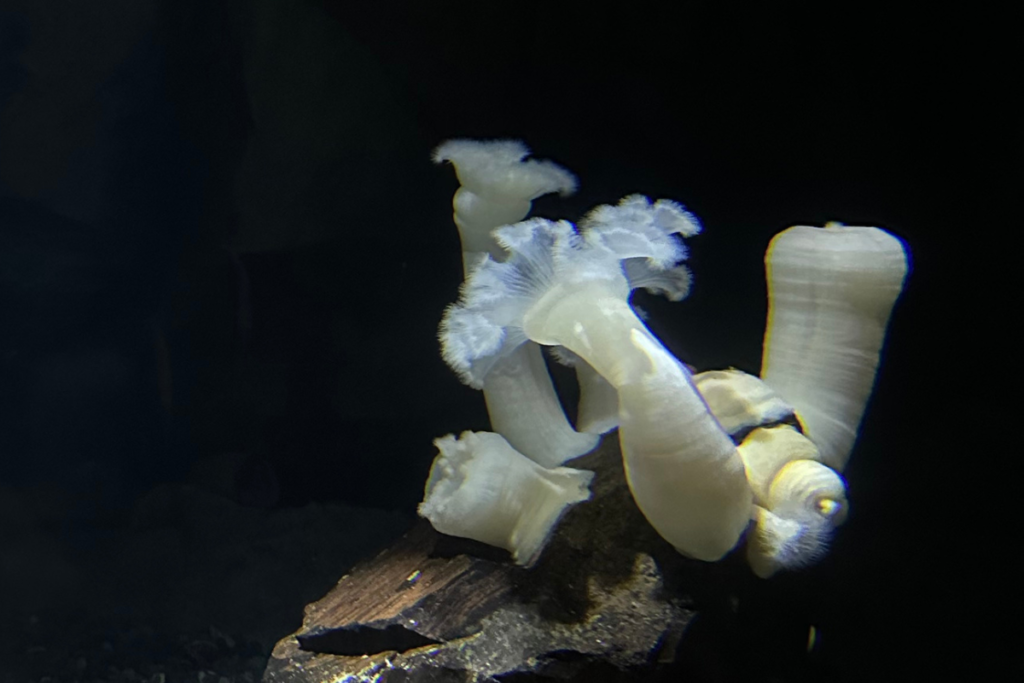
Activity levels often vary between expanded and contracted states. During favorable conditions, tentacles may extend fully to form a large circular crown. Under less favorable circumstances, portions of the body may retract, reducing the animal’s visible profile and conserving energy.
Unlike animals that travel significant distances, movement in the Common Plumose Anemone focuses on body transformation rather than locomotion. The column can shorten, elongate, or alter its shape depending on environmental conditions. These adjustments provide flexibility while maintaining attachment to the same surface.
Seasonal influences may also affect overall activity. Growth rates and expansion patterns can vary throughout the year as environmental conditions fluctuate. Even so, the species maintains its characteristic slow-paced lifestyle, relying on gradual adjustments rather than rapid bursts of activity.
Common Plumose Anemone Interaction and Survival Behavior
The Common Plumose Anemone interacts with its environment primarily through physical and chemical responses. While it lacks the ability to chase threats or flee danger, it possesses effective mechanisms for detecting changes in nearby conditions. These responses help support survival despite its stationary existence.
One of the most common reactions involves tentacle retraction. When disturbed by contact, sudden changes, or potential threats, an individual may quickly withdraw portions of its tentacle crown. This response reduces exposure and helps protect delicate structures from damage.
Stinging cells provide another important defensive adaptation. Located within the tentacles, these specialized structures serve as a protective barrier against many potential threats. Although microscopic, they play a significant role in the animal’s ability to survive within competitive marine environments.
Social behavior differs greatly from that of schooling fish or group-living mammals. Large colonies may occur in close proximity, yet each anemone functions as an independent individual. Dense clusters often form because multiple anemones successfully occupy the same suitable surface rather than because they actively cooperate.
A useful example of survival behavior can be observed when an anemone experiences sudden disturbance. Instead of escaping, it responds by withdrawing vulnerable structures and reducing its exposed surface area. This instinctive reaction is comparable to a turtle retreating into its shell, allowing the Common Plumose Anemone to endure challenges while remaining firmly attached to its chosen location.
Popular Searches About Plumose Anemones
Explore Plumose Anemone Guide
Explore More Exhibits

Support Encounters World
Help support wildlife photography and get behind the scenes discoveries on Patreon.