
Common Plumose Anemone Habitat Guide: Where Common Plumose Anemones Live in the Wild
Quick Facts
Primary Habitat: Rocky Coastal Marine Environments
Secondary Habitat: Docks, Pilings, and Artificial Structures
Climate Preference: Cool to Temperate Marine Waters
Environment Type: Coastal Ocean Ecosystems
Elevation / Depth Range: Intertidal Zone to Over 650 Feet (200 m)
Geographic Distribution: North Atlantic Ocean, North Pacific Ocean, and European Coastlines
Introduction to Common Plumose Anemone Habitats
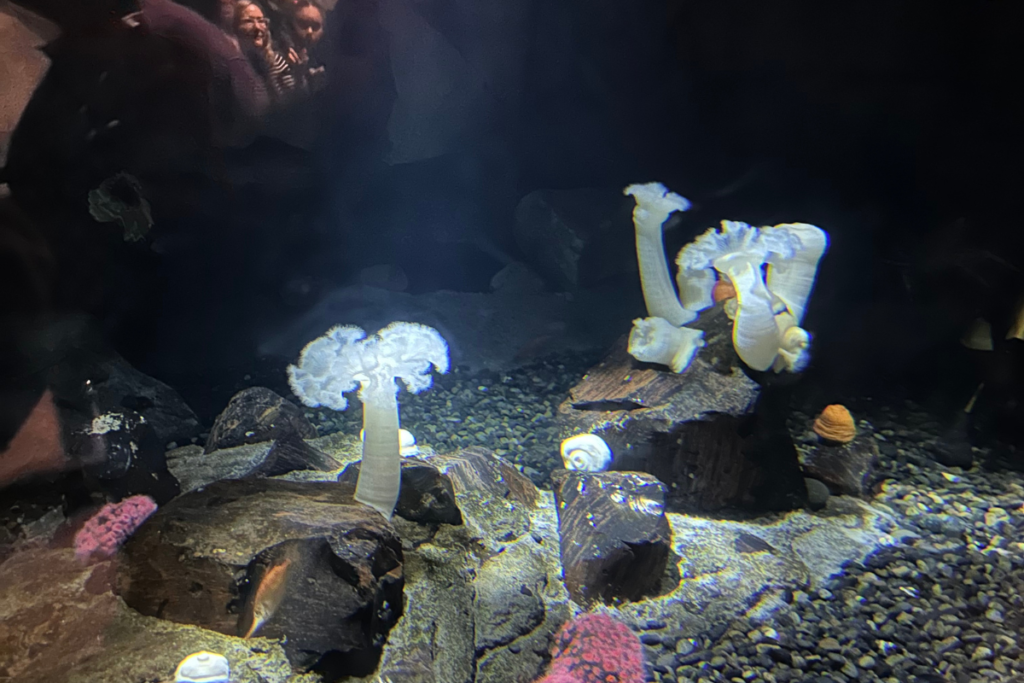
The Common Plumose Anemone (Metridium senile) inhabits coastal waters across much of the Northern Hemisphere. This marine invertebrate is found throughout portions of the North Atlantic and North Pacific Oceans, where it occupies a variety of underwater environments shaped by tides, currents, and seasonal marine conditions. Its widespread distribution has made it one of the most familiar sea anemones in temperate waters.
Unlike many marine species associated exclusively with tropical reefs, the Common Plumose Anemone thrives in cooler coastal regions. It occurs along rugged shorelines, protected bays, and offshore marine areas where suitable attachment surfaces are available. These environments support large populations that can persist for decades.
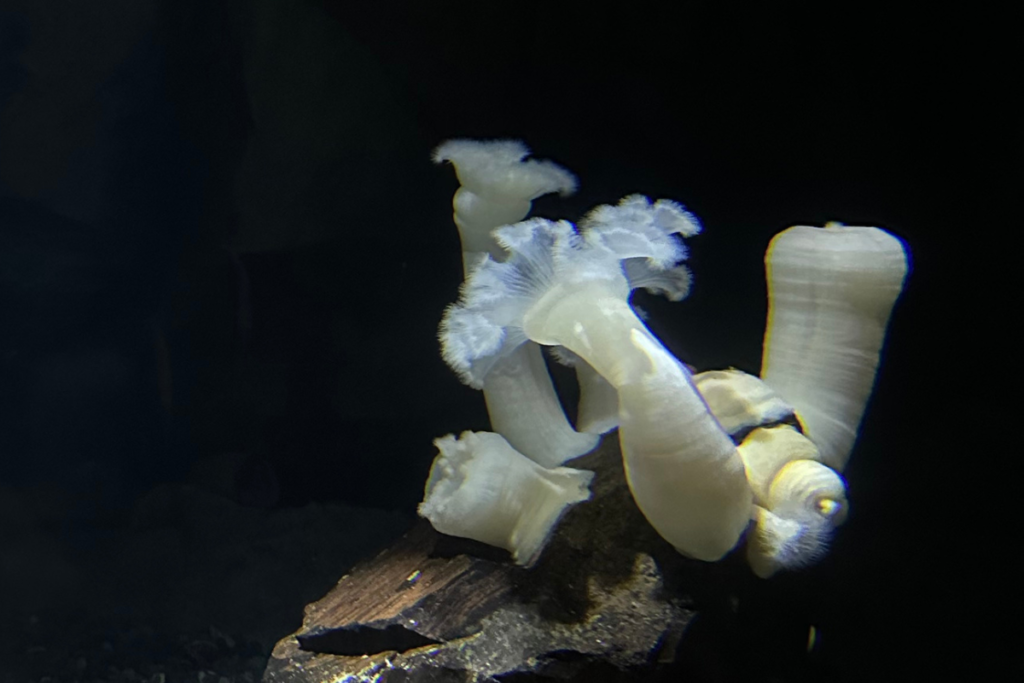
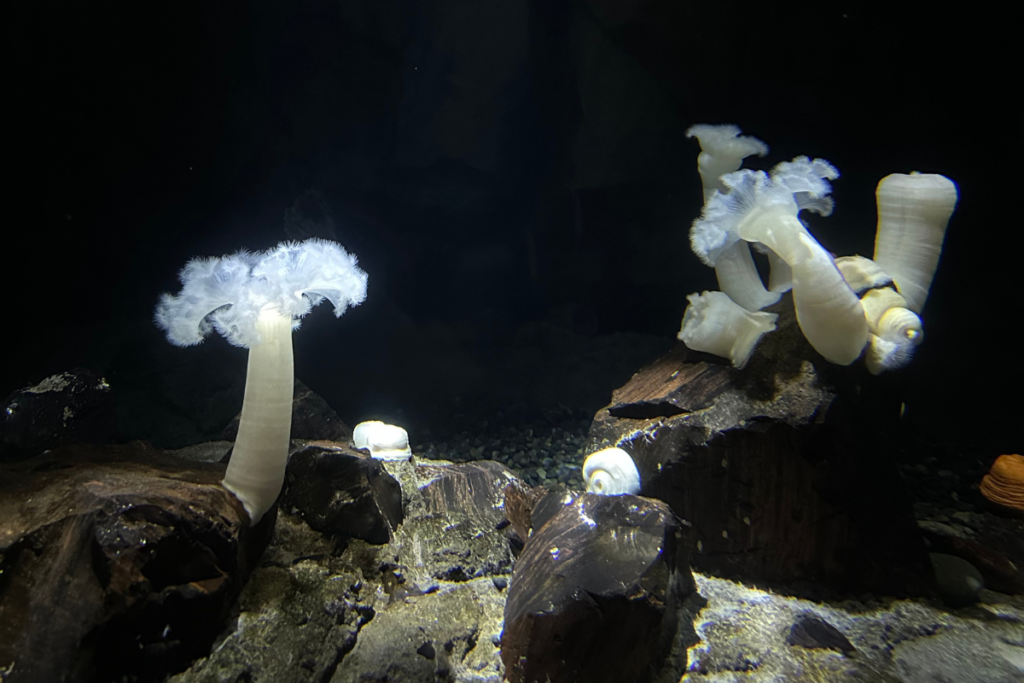
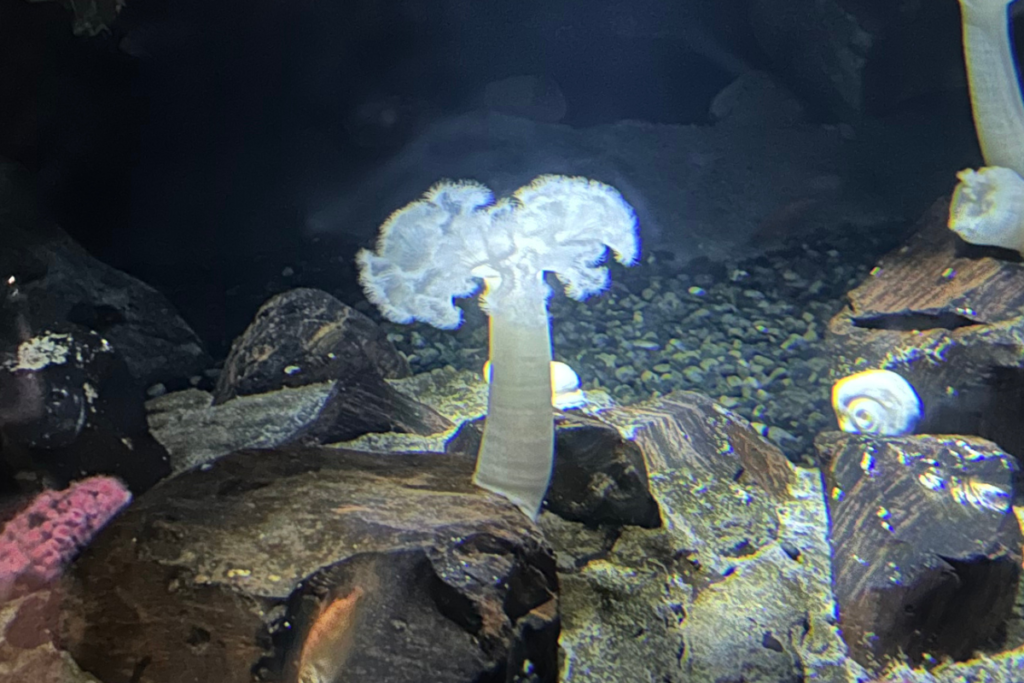
Marine observers often encounter this species attached to submerged surfaces beneath docks, along rocky coastlines, or within underwater communities dominated by invertebrates. Its feathery appearance makes it highly visible against darker marine backgrounds. Large colonies frequently transform ordinary underwater structures into vibrant biological landscapes.
Across its range, the Common Plumose Anemone demonstrates a remarkable ability to occupy environments influenced by constantly changing ocean conditions. From shallow coastal waters to deeper marine zones, it remains one of the most recognizable residents of temperate ocean ecosystems.
Common Plumose Anemone Distribution and Habitat Overview
The Common Plumose Anemone occupies a broad range of marine environments across northern coastal regions. Populations occur on both sides of the Atlantic Ocean and throughout significant portions of the Pacific coastline. This extensive distribution allows the species to inhabit a greater geographic area than many marine invertebrates with more restricted ranges.
Although widespread, the species remains strongly associated with coastal ocean ecosystems. It is not commonly found in open ocean environments far from suitable attachment surfaces. Instead, its distribution follows areas where underwater structures provide stable locations for long-term growth.
Compared to some sea anemones that are confined to specific regions or narrow environmental conditions, the Common Plumose Anemone displays considerable flexibility. Its ability to thrive in a variety of coastal settings contributes to its broad distribution. This adaptability helps explain why the species is encountered across such a large geographic area.
The species occurs in both natural and human-influenced marine environments. Rocky shorelines, offshore structures, harbors, and submerged infrastructure may all support populations. This willingness to occupy different environment categories distinguishes it from species that depend exclusively on untouched habitats.
Within its overall range, the Common Plumose Anemone often becomes one of the most visually prominent invertebrates present. Large colonies can dominate available surfaces, creating extensive living communities that are easily recognizable to divers and marine researchers alike.
Common Plumose Anemone Habitat Types and Marine Environments
Rocky coastal habitats represent one of the most important environments occupied by the Common Plumose Anemone. Submerged rock faces, boulders, cliffs, and ledges provide durable surfaces where individuals can remain attached for long periods. These areas often support dense concentrations of anemones.
Intertidal environments also support populations in some regions. Here, individuals experience regular tidal fluctuations as water levels rise and fall. Conditions can vary dramatically throughout the day, yet suitable locations continue to provide opportunities for long-term establishment.
Artificial marine structures have become increasingly important habitat types. Docks, seawalls, pilings, piers, and submerged infrastructure frequently support extensive colonies. These surfaces function similarly to natural rock formations, providing stable attachment points within coastal waters.
Offshore marine habitats represent another significant category. Some populations occur on submerged structures well below the surface where sunlight becomes less important. These deeper environments can support thriving communities despite differing greatly from shallow coastal areas.
Variation exists even within individual habitat categories. Some anemones occupy exposed surfaces where water movement is constant, while others occur beneath overhangs or within more sheltered locations. This range of habitat use demonstrates the species’ ability to occupy numerous marine settings while remaining attached to solid substrates.
Environmental Conditions Supporting Common Plumose Anemones
Cool to temperate water temperatures are among the most important environmental requirements for the Common Plumose Anemone. Unlike tropical species dependent on warm reef waters, this anemone is adapted to environments where temperatures remain considerably lower throughout much of the year. Such conditions characterize many northern coastal ecosystems.
Water movement plays a major role in shaping suitable environments. Coastal currents, tidal flows, and wave action continually influence the conditions surrounding attached individuals. These dynamic forces create an environment comparable to a constantly flowing river, except occurring within a marine setting.
Hard substrates are essential for long-term establishment. The species requires stable surfaces capable of supporting attachment over many years. Rocky formations, submerged structures, and durable marine surfaces provide the foundation necessary for colony development.
Seasonal changes affect environmental conditions throughout much of the species’ range. Winter may bring colder temperatures and stronger storms, while summer often produces more stable marine conditions. Despite these fluctuations, populations remain adapted to environments where seasonal variation is a normal part of life.
Water quality and oxygen availability also contribute to habitat suitability. Healthy coastal ecosystems typically provide the environmental stability necessary for long-lived marine invertebrates. Together, temperature, water movement, substrate availability, seasonal cycles, and ocean conditions create the environmental framework that allows the Common Plumose Anemone to thrive across much of the North Atlantic and North Pacific Oceans.
Popular Searches About Plumose Anemones
Explore Plumose Anemone Guide
Explore More Exhibits

Support Encounters World
Help support wildlife photography and get behind the scenes discoveries on Patreon.