
Common Plumose Anemone Diet Guide: What Common Plumose Anemones Eat in the Wild
Quick Facts
Diet Type: Carnivore
Main Food Sources: Plankton, Tiny Crustaceans, Larvae, and Organic Particles
Feeding Time: Day and Night
Foraging Method: Passive Filter Feeding with Tentacles
Seasonal Diet Changes: Varies with Plankton Availability
Predatory Adaptations: Stinging Cells and Dense Tentacle Crown
Introduction to the Common Plumose Anemone's Diet
The Common Plumose Anemone (Metridium senile) is a marine invertebrate found throughout temperate coastal waters of the North Atlantic and North Pacific Oceans. Although it resembles a delicate underwater flower, this species is an active carnivore that relies on surrounding water currents to provide a continuous supply of food. Its feeding strategy differs greatly from that of fish, crabs, or other mobile marine animals.
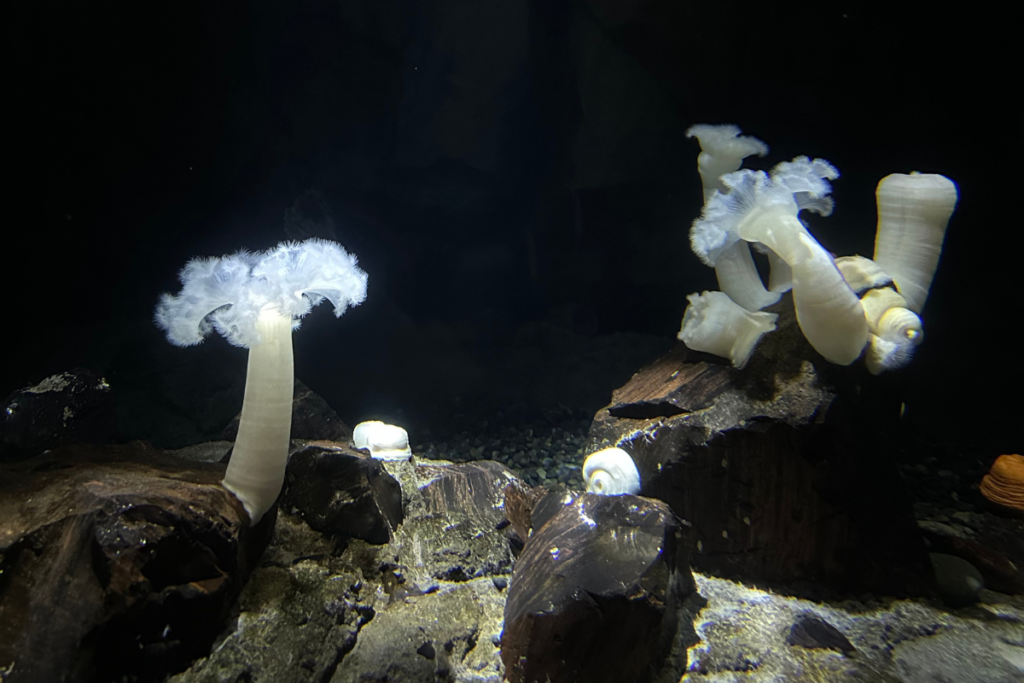
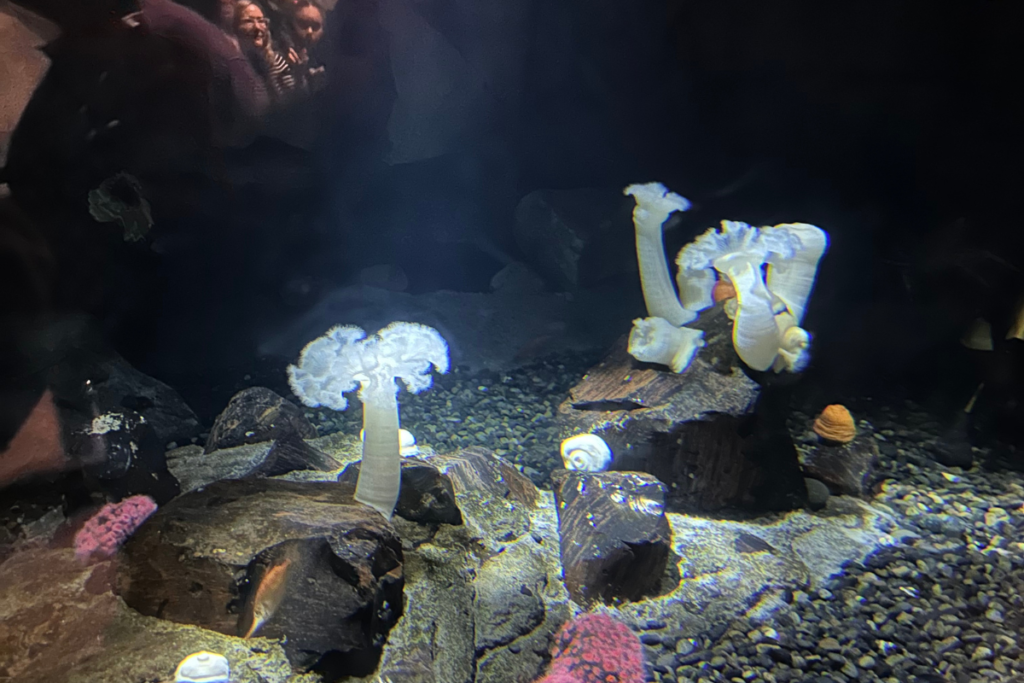
Large colonies often cover submerged rocks, docks, pilings, and other underwater surfaces. While these anemones remain attached to a single location, they are far from inactive when it comes to obtaining nutrition. Their feathery tentacles function as highly effective feeding structures capable of capturing resources carried through the water.
Food availability changes constantly within coastal marine environments. Ocean currents transport enormous quantities of microscopic organisms and organic material, creating feeding opportunities for species adapted to filter food from the water column. The Common Plumose Anemone is particularly well suited to taking advantage of these conditions.
To an observer, a colony of plumose anemones may appear motionless and decorative. Beneath this calm appearance, however, each individual is continuously interacting with the surrounding water and collecting resources necessary for growth, maintenance, and reproduction. This feeding process plays a central role in the species’ success throughout its range.
Common Plumose Anemone Diet Overview and Feeding Strategy
The Common Plumose Anemone is classified as a carnivore because it obtains nutrients primarily from animal-based sources. Unlike herbivorous marine organisms that depend on algae or plant material, this species relies on living organisms and organic particles suspended in the water. Its feeding strategy centers on capturing food rather than actively pursuing it.
One of the most distinctive aspects of its diet is the reliance on water movement. Rather than searching for prey, the anemone allows currents to deliver food directly to its tentacles. This approach enables it to feed efficiently while remaining attached to a single location throughout its life.
Compared to predators that hunt larger prey, the Common Plumose Anemone specializes in collecting extremely small organisms. Its feeding method resembles a fisherman casting a large net into a river rather than pursuing individual fish. The extensive tentacle crown increases the likelihood of intercepting food as it passes by.
Diet composition can vary across different regions of the species’ range. Coastal ecosystems differ in productivity, water movement, and seasonal biological activity, influencing the resources available at any given location. Despite these differences, the overall feeding strategy remains remarkably consistent.
The species demonstrates a balance between specialization and flexibility. While it depends heavily on suspended food sources, it can utilize a wide variety of organisms and particles. This flexibility helps support populations across diverse coastal environments throughout the Northern Hemisphere.
Natural Food Sources of the Common Plumose Anemone
Plankton forms the foundation of the Common Plumose Anemone’s diet. These microscopic and small drifting organisms occur in enormous numbers throughout marine ecosystems. As currents carry plankton past expanded tentacles, some become trapped and incorporated into the anemone’s food supply.
Tiny crustaceans are among the most important prey items. Copepods and other small drifting animals provide concentrated sources of energy and nutrients. Although nearly invisible to casual observers, these organisms play a major role in sustaining marine food webs and supporting species such as the Common Plumose Anemone.
Larval forms of various marine animals also contribute to the diet. Many marine species release microscopic offspring into the water column, creating additional feeding opportunities. These larvae contain valuable nutrients that support growth and long-term survival.
Organic particles suspended in seawater represent another significant food source. Fragments of biological material, decomposing organisms, and nutrient-rich debris are continuously transported through coastal waters. The anemone can capture and utilize portions of this material as part of its overall nutritional intake.
Food composition may vary according to local conditions and seasonal productivity. During periods of high plankton abundance, individuals may encounter greater feeding opportunities than during less productive times. This natural variation helps explain differences in growth rates and colony development across different regions.
Common Plumose Anemone Feeding Behavior and Survival Adaptations
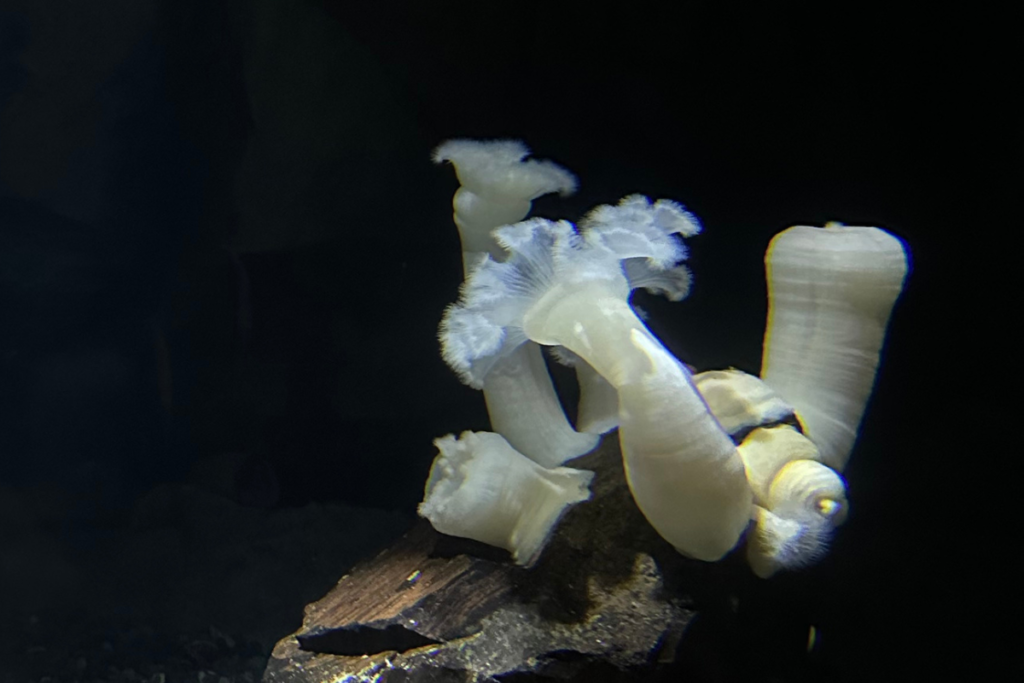
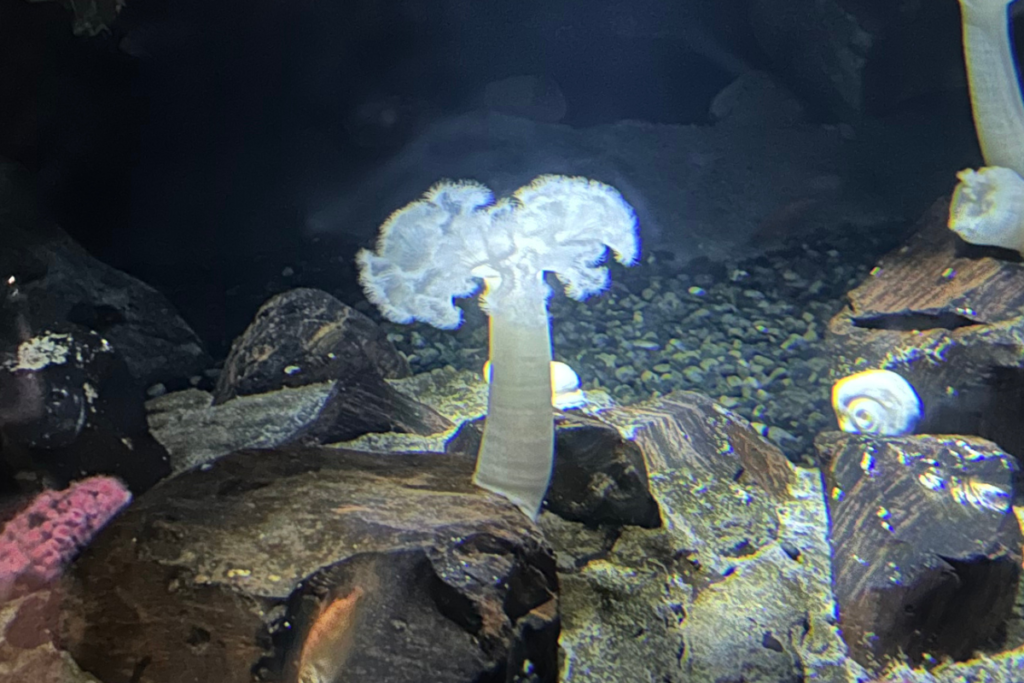
The Common Plumose Anemone relies on a feeding system built around its remarkable tentacle crown. Hundreds of fine tentacles extend outward into the surrounding water, dramatically increasing the surface area available for capturing food. This arrangement functions much like an intricate underwater net.
Specialized stinging cells located on the tentacles play a crucial role in securing food. When suitable prey comes into contact with these structures, microscopic harpoon-like mechanisms help immobilize or retain the organism. This adaptation allows the anemone to capture food without requiring active pursuit.
Once food is secured, tentacles gradually transport it toward the central mouth located at the top of the body. This process may appear slow to human observers, but it is highly effective. The movement resembles a conveyor system steadily directing resources toward a collection point.
Competition for suspended food can occur when large numbers of filter-feeding organisms occupy the same area. The Common Plumose Anemone benefits from its expansive tentacle crown, which maximizes contact with passing resources. Dense colonies may collectively intercept significant amounts of food moving through local currents.
When food availability declines, survival depends on efficiency. By remaining stationary and allowing currents to perform much of the work, the species conserves energy while continuing to collect available resources. This strategy has proven highly successful over evolutionary time, enabling the Common Plumose Anemone to thrive across vast stretches of temperate coastline and remain one of the most recognizable filter-feeding predators in northern marine ecosystems.
Popular Searches About Plumose Anemones
Explore Plumose Anemone Guide
Explore More Exhibits

Support Encounters World
Help support wildlife photography and get behind the scenes discoveries on Patreon.