
Gold Laced Wyandotte Eggs Guide: Egg Color, Size, Production, and Characteristics
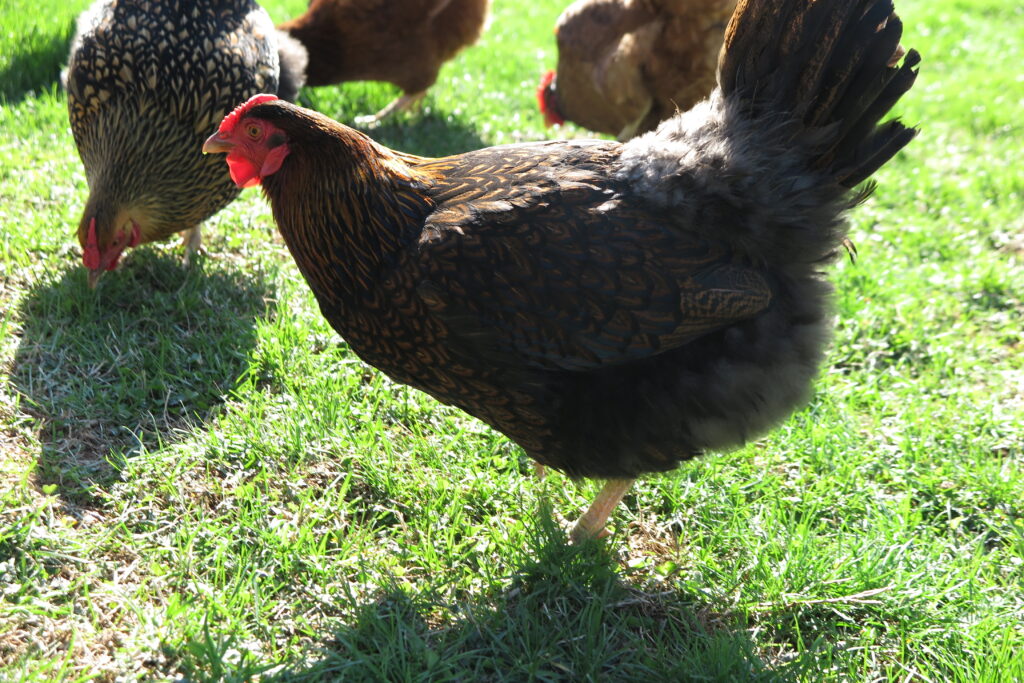
Quick Facts
Egg Color: Light Brown to Medium Brown
Average Egg Size: Medium to Large
Annual Egg Production: 180–260 Eggs Per Year
Laying Age: Approximately 5–7 Months
Global Range: Domestic breed found worldwide
Breed Status: Heritage Chicken Breed
Notable Feature: Reliable brown egg production throughout much of the year
Introduction to Gold Laced Wyandotte Eggs
The Gold Laced Wyandotte is one of the most popular heritage chicken breeds among poultry keepers who value both appearance and dependable egg production. While the breed is often admired for its intricate feather pattern, it has also earned recognition as a reliable layer of attractive brown eggs. Across farms, backyard flocks, and homesteads worldwide, Gold Laced Wyandotte hens continue to provide a consistent source of eggs throughout much of the year.
Originally developed in the United States during the late nineteenth century, the breed quickly gained attention for its balanced combination of utility and beauty. Unlike some ornamental poultry breeds that contribute little to food production, Gold Laced Wyandottes were bred to remain practical working birds. Their egg-laying ability became an important part of their long-term popularity.
For many poultry keepers, collecting eggs from Gold Laced Wyandottes is a daily routine that highlights the value of heritage chickens. Fresh eggs often appear in nesting boxes lined with straw, wood shavings, or other bedding materials. The sight of smooth brown eggs against natural nesting material is one of the most familiar images associated with backyard poultry keeping.
Today, Gold Laced Wyandotte eggs remain highly valued because they combine dependable production with the charm of a traditional heritage breed. Whether raised in small backyard flocks or larger agricultural settings, these hens continue to contribute to sustainable poultry keeping around the world.
Gold Laced Wyandotte Egg Appearance and Production Overview
Gold Laced Wyandotte eggs are most commonly recognized by their brown shell coloration. Although shades vary slightly between individual hens, most eggs range from light brown to a richer medium-brown tone. The warm shell color is often preferred by poultry keepers who enjoy collecting naturally colored eggs from heritage breeds.
The eggs themselves are generally medium to large in size. Mature hens typically produce eggs comparable to those found in grocery stores, though slight variation occurs depending on age and genetics. Younger hens often begin with somewhat smaller eggs before gradually producing larger and more consistent sizes as they mature.
Shell quality is another notable characteristic. Gold Laced Wyandotte eggs usually possess strong, smooth shells that help protect the contents during laying and handling. In natural light, the shells often display a subtle matte appearance rather than a glossy finish, contributing to their traditional farm-fresh look.
Compared to some commercial egg-laying breeds, Gold Laced Wyandottes produce eggs with a slightly more rounded profile. This shape gives the eggs a classic appearance often associated with heritage poultry. Their balanced proportions and dependable shell quality make them popular among backyard flock owners.
Egg coloration can occasionally change throughout the year. Seasonal influences, age, and laying frequency may cause shells to appear slightly lighter or darker at different times. These variations are normal and add to the natural diversity found within a flock.
Although egg appearance receives considerable attention, production consistency is equally important. Gold Laced Wyandottes are known for maintaining steady laying patterns over extended periods. This combination of attractive eggs and dependable output has helped establish them as one of the most respected heritage laying breeds available today.
Key Characteristics of Gold Laced Wyandotte Egg Production
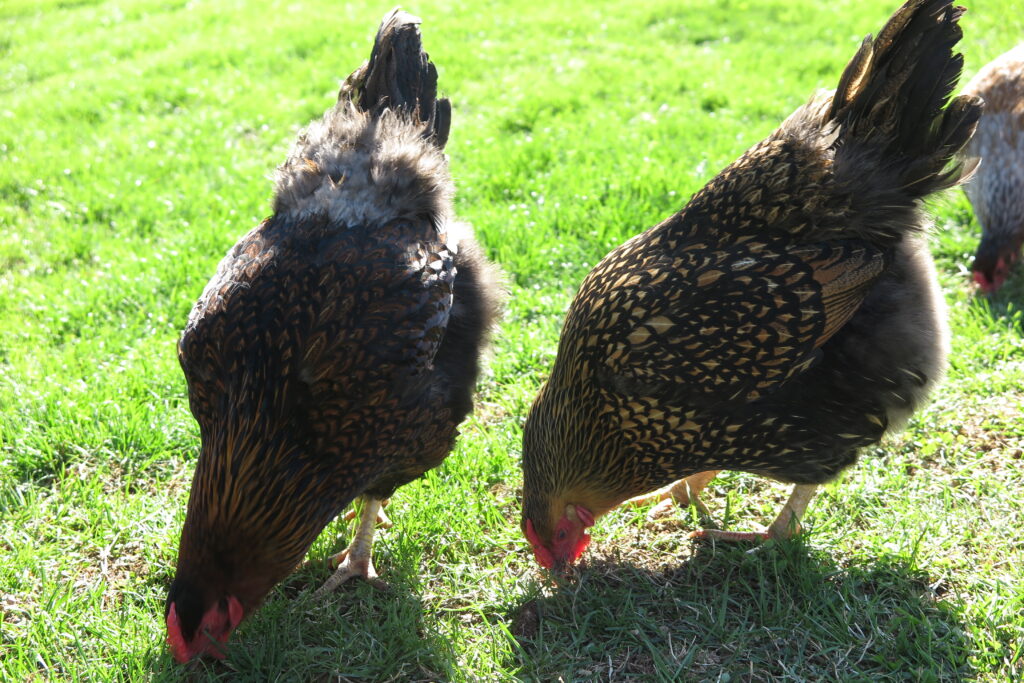
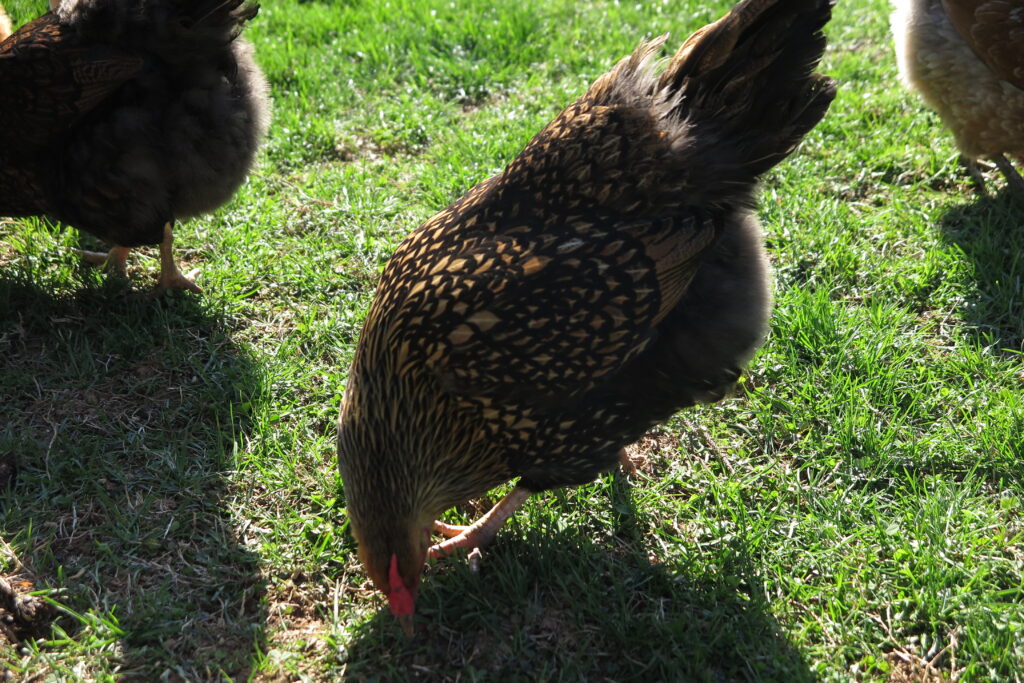
Gold Laced Wyandotte hens are considered dependable moderate layers, producing between 180 and 260 eggs annually under favorable conditions. While they do not match the extreme output of specialized commercial layers, they provide a balanced level of production that satisfies many homesteaders and backyard poultry keepers.
Most hens begin laying between five and seven months of age. The exact timing varies depending on genetics, nutrition, and seasonal conditions. During the early stages of laying, eggs are often smaller before gradually reaching their typical adult size.
One notable characteristic of the breed is its ability to remain productive during cooler weather. Thanks in part to their dense feather coverage and cold tolerance, Gold Laced Wyandottes frequently continue laying through periods when other breeds reduce production more significantly. This reliability makes them especially valuable in regions with pronounced winters.
The breed also maintains a reputation for consistency rather than extremes. Some chickens produce exceptionally large numbers of eggs but experience shorter productive periods. Gold Laced Wyandottes instead balance moderate production with long-term sustainability, allowing hens to remain useful layers for several years.
Another important trait involves egg uniformity. Within a healthy flock, eggs often display relatively consistent color, shape, and shell quality. This predictability is appreciated by poultry keepers who prefer dependable results rather than wide variation between individual hens.
Because Gold Laced Wyandottes are heritage birds, they also contribute to preserving traditional poultry genetics. Their egg production reflects breeding goals that emphasized balance and durability rather than maximum output alone. This heritage background continues to attract poultry enthusiasts seeking a more traditional chicken-keeping experience.
Gold Laced Wyandotte Eggs and Their Agricultural Importance
Gold Laced Wyandotte eggs play an important role in small-scale agriculture and backyard food production. For many homesteads, a steady supply of fresh eggs represents one of the most valuable contributions chickens can provide. Gold Laced Wyandotte hens help support this goal through reliable and sustained laying performance.
Beyond household food production, eggs are essential to maintaining future generations of the breed. Fertilized eggs allow breeders to preserve desirable characteristics and continue established bloodlines. Through careful breeding practices, Gold Laced Wyandotte populations remain healthy and genetically diverse.
Within agricultural systems, egg production also contributes to broader sustainability efforts. Backyard flocks can reduce reliance on commercially produced eggs while encouraging local food generation. Gold Laced Wyandottes fit especially well into these systems because they combine productive laying with heritage breed preservation.
Educational farms and agricultural programs frequently use Gold Laced Wyandotte eggs to teach visitors about poultry development and livestock management. Eggs provide a visible connection between breeding, incubation, and chick development, helping people better understand agricultural life cycles.
The breed’s continued popularity has also helped maintain interest in heritage poultry conservation. Every flock that produces Gold Laced Wyandotte eggs supports awareness of traditional livestock genetics and the value of preserving older breeds. This role extends beyond food production and into long-term agricultural stewardship.
More than a century after the breed’s development, Gold Laced Wyandotte eggs remain an important part of its legacy. Their dependable production, attractive appearance, and contribution to sustainable poultry keeping ensure that they continue to be appreciated by farmers, homesteaders, and poultry enthusiasts around the world.
Popular Searches About Gold Laced Wyandotte
Explore Gold Laced Wyandotte Guide
Explore More Domestic Animals

Support Encounters World
Help support wildlife photography and get behind the scenes discoveries on Patreon.