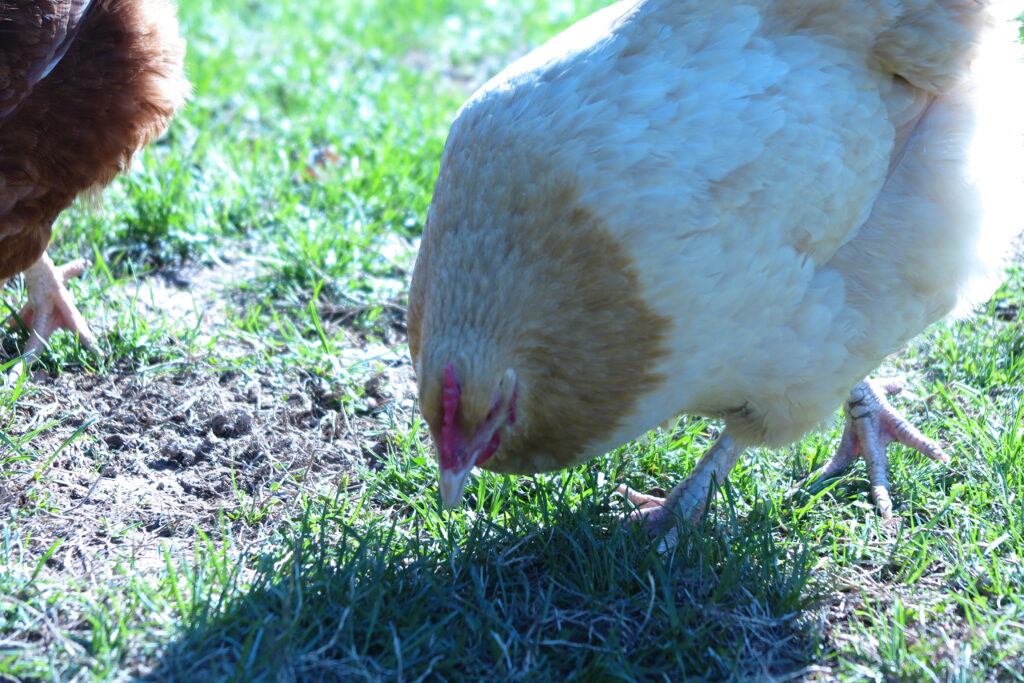
Buff Orpington Rooster vs Hen Guide – Key Differences, Identification, and What to Look For
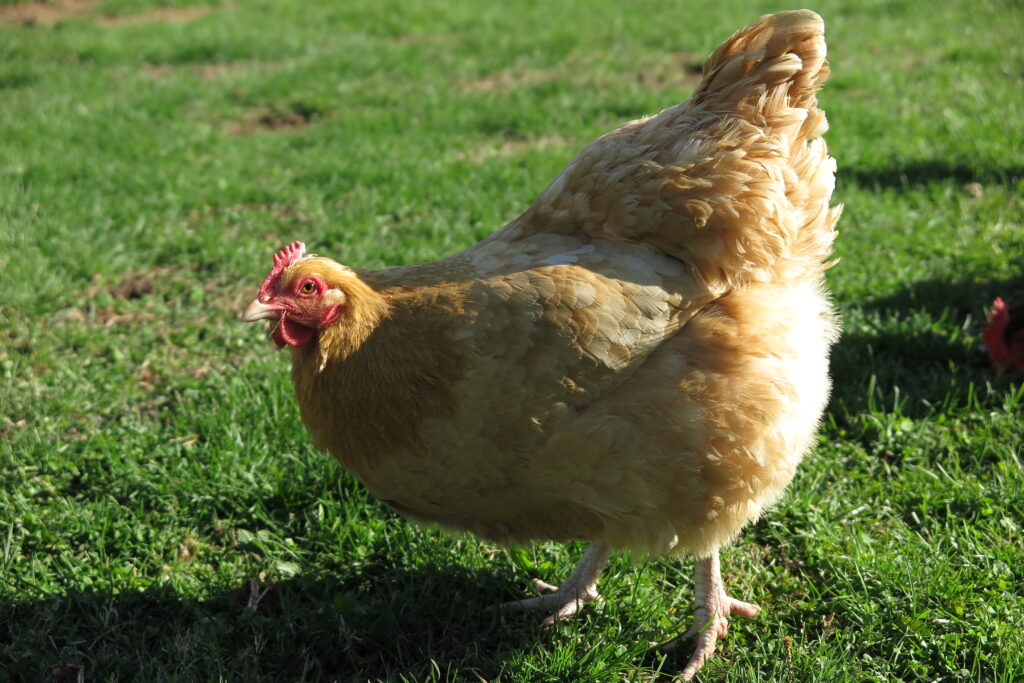
Quick Facts
Location: Domestic environments worldwide
Average Size: Hens 6–8 lbs, Roosters 8–10 lbs
Lifespan: 5–10 years
Global Range: Originally England, now worldwide
Conservation Status: Not Evaluated (domestic breed)
Notable Feature: Roosters have larger combs and longer tail feathers than hens
Buff Orpington Rooster vs Hen Introduction and Identification Overview
The Buff Orpington chicken (Gallus gallus domesticus) is a well-known domestic breed recognized for its golden plumage and rounded body shape. Found in backyard flocks and farm environments around the world, it is commonly raised for both egg production and general poultry keeping. Within this breed, distinguishing between roosters and hens becomes an important part of understanding their role and appearance.
Across its global range, Buff Orpington chickens are typically observed in managed environments where both males and females may be present. At a glance, they can appear quite similar due to their shared coloration and overall body structure. This similarity often makes identification more challenging for those unfamiliar with the breed.
When observing a flock, subtle differences begin to emerge between roosters and hens. These differences are not always immediately obvious but become clearer with closer attention to physical traits. Features such as size, feather structure, and head characteristics provide important clues.
This guide focuses on identifying those differences clearly and effectively. By understanding what to look for, it becomes easier to distinguish between a Buff Orpington rooster and hen without relying on behavior or environmental context. These distinctions are essential for accurate identification within the breed.
Buff Orpington Rooster vs Hen Appearance and Visual Differences
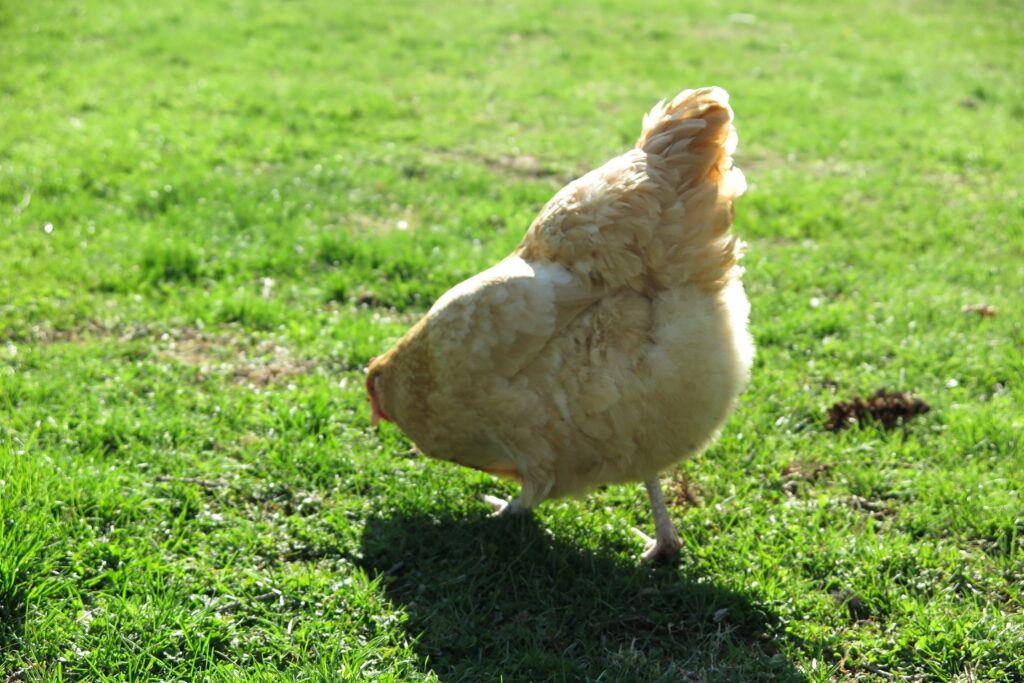
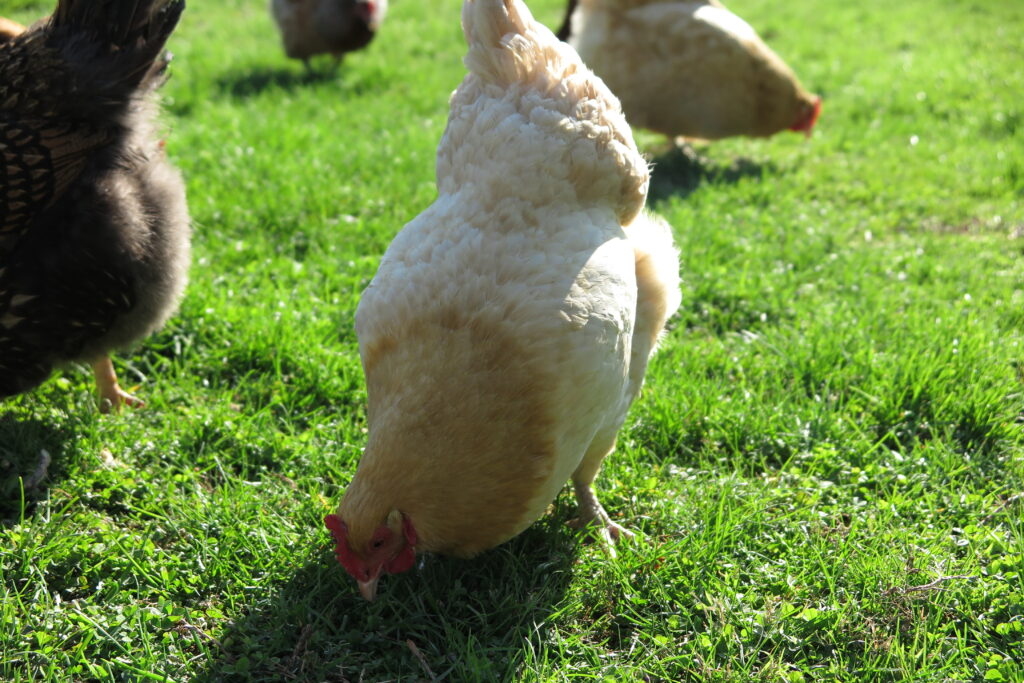
Buff Orpington roosters and hens share the same warm golden coloration, but their overall appearance differs in subtle yet noticeable ways. Roosters generally appear larger and more upright, while hens have a more compact and rounded silhouette. This difference in posture creates a visual contrast when both are seen together.
In terms of size, roosters can be compared to a larger, more elongated version of the hen. Their bodies extend slightly higher and appear more defined, whereas hens resemble a fuller, softer shape similar to a rounded cushion. This distinction becomes more noticeable as the birds mature.
Tail feathers provide one of the clearest visual differences. Roosters develop longer, more curved tail feathers that arc outward, giving them a more dramatic appearance. Hens, by contrast, have shorter and more uniform tail feathers that maintain a consistent outline.
The comb and wattles also differ between the two. Roosters typically have larger, more prominent combs that stand upright and are more vivid in color. Hens have smaller, more subtle combs that blend more naturally with their overall appearance.
Distinctive Characteristics That Separate Buff Orpington Roosters and Hens
One of the most defining characteristics of a Buff Orpington rooster is the presence of longer, pointed feathers around the neck and lower back. These feathers, often referred to as saddle and hackle feathers, create a more textured and layered appearance. Hens lack these elongated feathers, maintaining a smoother and more uniform outline.
The body proportions of roosters also differ slightly from hens. Roosters tend to have a more pronounced chest and a slightly taller stance, giving them a more structured appearance. Hens, on the other hand, appear wider and lower to the ground, emphasizing their rounded form.
Another distinguishing feature is the development of spur growth on the legs of roosters. While not always immediately visible in younger birds, these structures become more noticeable over time. Hens typically do not develop prominent spurs, making this a useful identifying trait in mature individuals.
When compared side by side, these characteristics combine to create a clear visual distinction. The rooster’s more defined features contrast with the hen’s softer and more compact form. These differences allow for reliable identification even without prior experience.
Buff Orpington Rooster vs Hen Role and Importance in Managed Environments
Within domestic settings, Buff Orpington roosters and hens serve different roles that contribute to the overall function of the environment. Hens are primarily associated with egg production, making them a key part of small-scale agriculture and backyard flocks. Their consistent output supports both sustainability and observation.
Roosters, while not involved in egg production, play a role in reproduction and flock structure. Their presence ensures the continuation of the breed when breeding is part of the environment. This distinction highlights the complementary roles of males and females within the species.
In the broader context of managed ecosystems, both roosters and hens contribute to environmental balance. Their interactions with the ground, vegetation, and surrounding elements influence the structure of their habitat. These effects, while subtle, are part of a larger ecological system.
The differences between roosters and hens extend beyond appearance, shaping how they are integrated into domestic environments. Together, they create a balanced and functional system that supports both biological processes and human management. Understanding these roles adds depth to identifying and appreciating the breed.