Buff Orpington Eggs Guide – Color, Size, and What to Expect from This Chicken Breed
Quick Facts
Egg Type: Large brown eggs
Average Egg Size: Medium to large
Lifespan: 5–10 years
Global Range: Originally England, now worldwide
Conservation Status: Not Evaluated (domestic breed)
Notable Feature: Consistent light brown egg color
Buff Orpington Eggs Introduction and General Overview
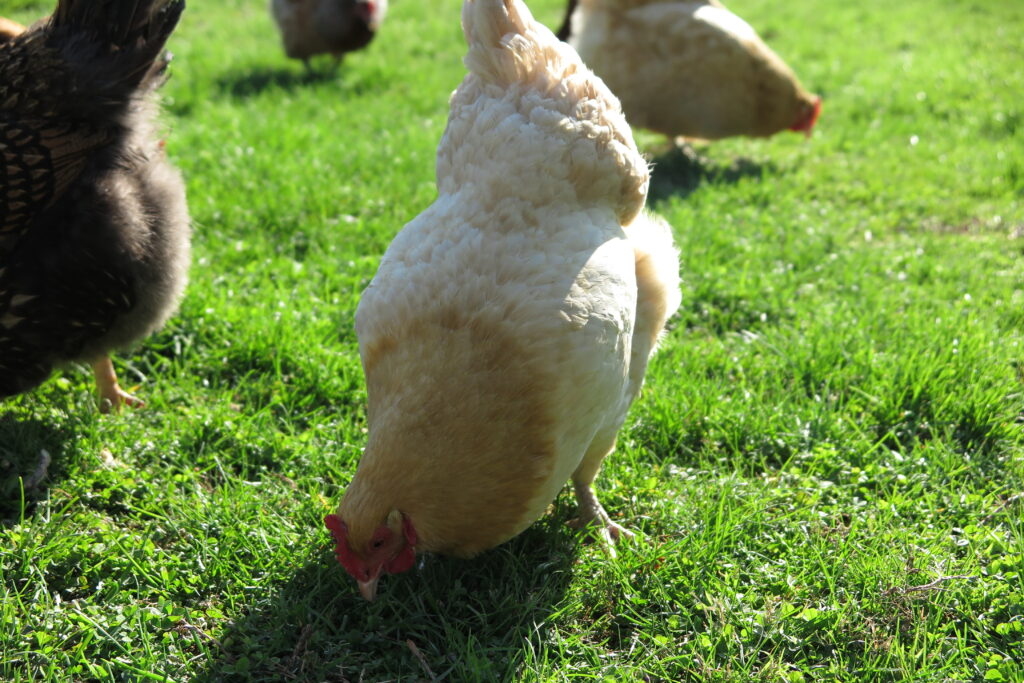
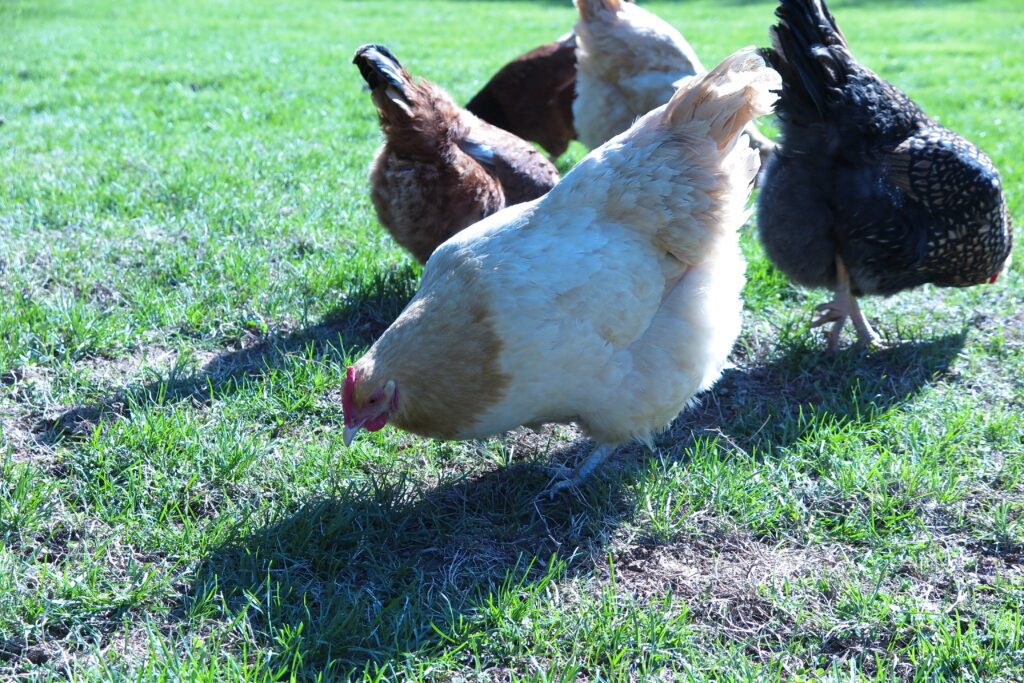
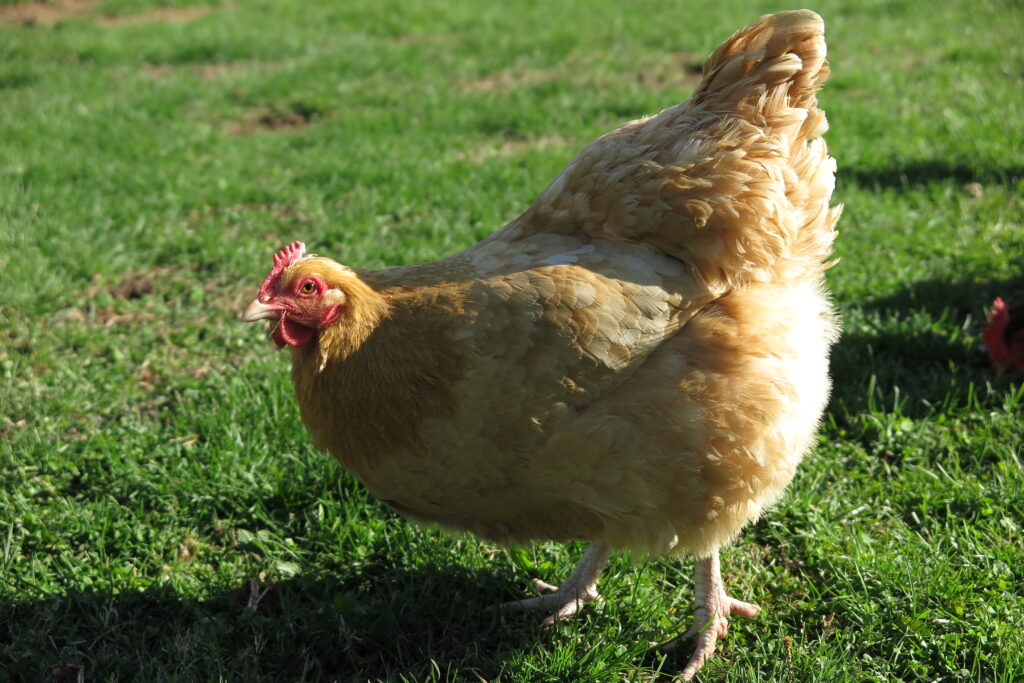
Buff Orpington chickens are widely recognized for their reliable egg production and distinctive brown eggs. As a domestic breed developed in England, they are now found in backyard flocks and farms across the world. Their eggs are a key reason for their popularity, making them a frequent choice for both beginners and experienced keepers.
Across their range, Buff Orpington eggs are commonly associated with consistent size and coloration. These eggs are typically laid in managed environments, where conditions support regular production. Because of this, they are often observed in settings where chickens are raised for both utility and observation.
When first encountering Buff Orpington eggs, their appearance is usually what stands out. They are known for having a smooth shell with a uniform tone, making them easy to recognize among other chicken eggs. This consistency contributes to their appeal and reliability.
Understanding Buff Orpington eggs involves looking at both their physical traits and how they fit into the overall lifecycle of the bird. These eggs represent a key stage in reproduction while also serving as a recognizable feature of the breed. Their characteristics make them an important part of identifying and understanding Buff Orpington chickens.
Buff Orpington chickens are known for producing approximately 180–280 eggs per year, depending on care, environment, and individual variation. This places them in a reliable middle range compared to other domestic chicken breeds. Their steady production makes them a consistent layer rather than a high-output specialist.
Buff Orpington hens typically begin laying eggs at around 5 to 7 months of age. This timing can vary slightly based on factors such as nutrition, daylight exposure, and overall health. Once they begin laying, they often maintain a regular and predictable cycle.
Buff Orpington Egg Appearance and Physical Traits
Buff Orpington eggs are typically light brown in color, with a smooth and slightly matte surface. The tone can vary slightly between individuals, ranging from pale tan to a richer brown shade. This variation is subtle but noticeable when comparing eggs side by side.
In terms of size, these eggs are generally considered medium to large. They can be compared to the size of a standard grocery-store egg, though some may appear slightly larger depending on the bird. Their oval shape is consistent, with one end slightly more rounded than the other.
The shell texture is firm but not overly thick, providing protection while maintaining a clean, polished look. When held, the surface feels smooth without roughness or irregularities. This uniform texture contributes to their recognizable appearance.
When viewed in a group, Buff Orpington eggs often appear consistent in both size and color. This uniformity makes them stand out compared to breeds that produce more varied eggs. Their predictable appearance is one of the defining traits associated with the breed.
Distinctive Characteristics of Buff Orpington Eggs
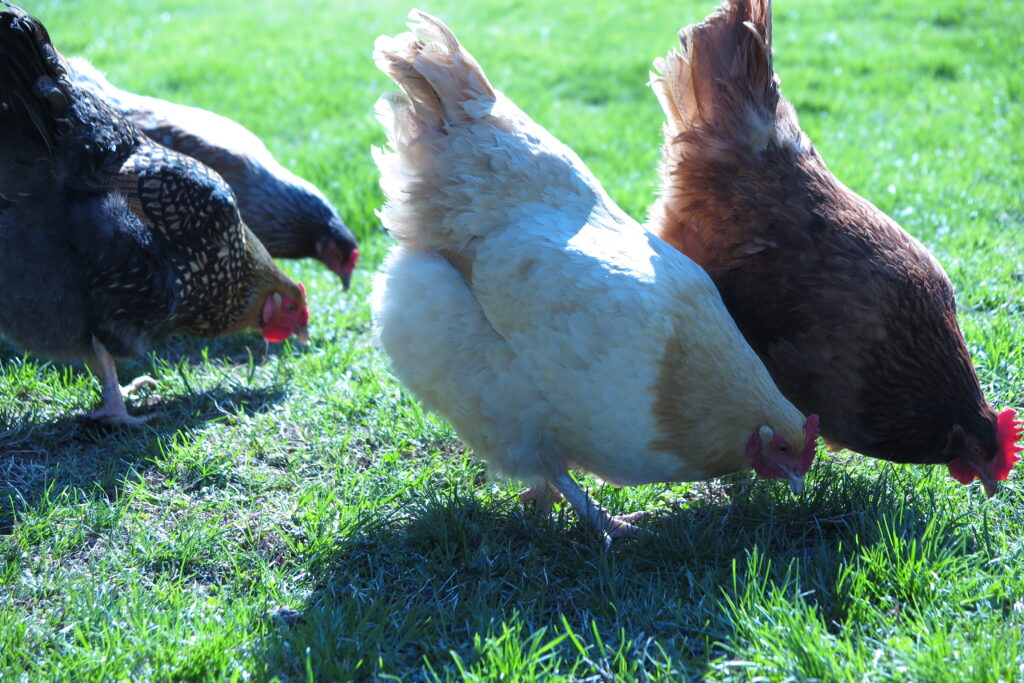
One of the most notable characteristics of Buff Orpington eggs is their consistent coloration. Unlike breeds that produce white or speckled eggs, Buff Orpingtons are known for their steady brown tones. This makes them easy to identify when compared to other common chicken eggs.
Another defining feature is the overall size of the eggs. While not the largest among all chicken breeds, they are still substantial enough to be considered reliable in terms of output. Their size strikes a balance between consistency and practicality.
The shape of Buff Orpington eggs also contributes to their recognition. They maintain a standard oval form that is symmetrical and smooth. This regularity sets them apart from eggs that may appear elongated or uneven.
Compared to eggs from other breeds, Buff Orpington eggs present a combination of color, size, and uniformity. This combination creates a clear and recognizable profile. These characteristics make them a consistent and dependable feature of the breed.
Buff Orpington Eggs Role in Life Cycle and Environment
Buff Orpington eggs play a central role in the lifecycle of the breed, representing the starting point of development for new individuals. Each egg contains the potential for growth, making it a critical stage in reproduction. This process ensures the continuation of the breed across generations.
Within domestic environments, these eggs are also part of a larger system that includes both animal care and environmental interaction. Their presence reflects a stable and managed setting where chickens can reproduce successfully. This connection highlights their importance beyond simple observation.
In broader ecological terms, eggs serve as a link within the food web, even in domestic settings. They can be a resource for other animals or part of controlled agricultural systems. This interaction places them within a wider environmental context.
Beyond their biological role, Buff Orpington eggs contribute to the overall function of domestic ecosystems. Their consistent production supports both sustainability and observation within managed environments. Through this role, they remain an essential aspect of the breed’s presence.