Common Garter Snake Behavior – Activity Patterns, Movement, and Survival Strategies Explained
Quick Facts
Activity Type: Diurnal (primarily active during the day)
Social Structure: Mostly solitary, but may gather seasonally
Territorial Behavior: Non-territorial
Movement Style: Smooth, undulating motion with quick bursts when startled
Communication Method: Body posture, scent cues, and subtle physical signals
Defense Strategy: Rapid escape, musking, and bluff displays
Introduction – Observing Common Garter Snake Behavior in Natural Settings
The Common Garter Snake is a familiar reptile across much of North America, often encountered in places where human activity meets natural space. Its range spans from southern Canada through the United States and into northern Mexico, placing it in a wide variety of climates and environments. Because of this, its behavior reflects both adaptability and consistency, allowing it to remain active in diverse conditions.
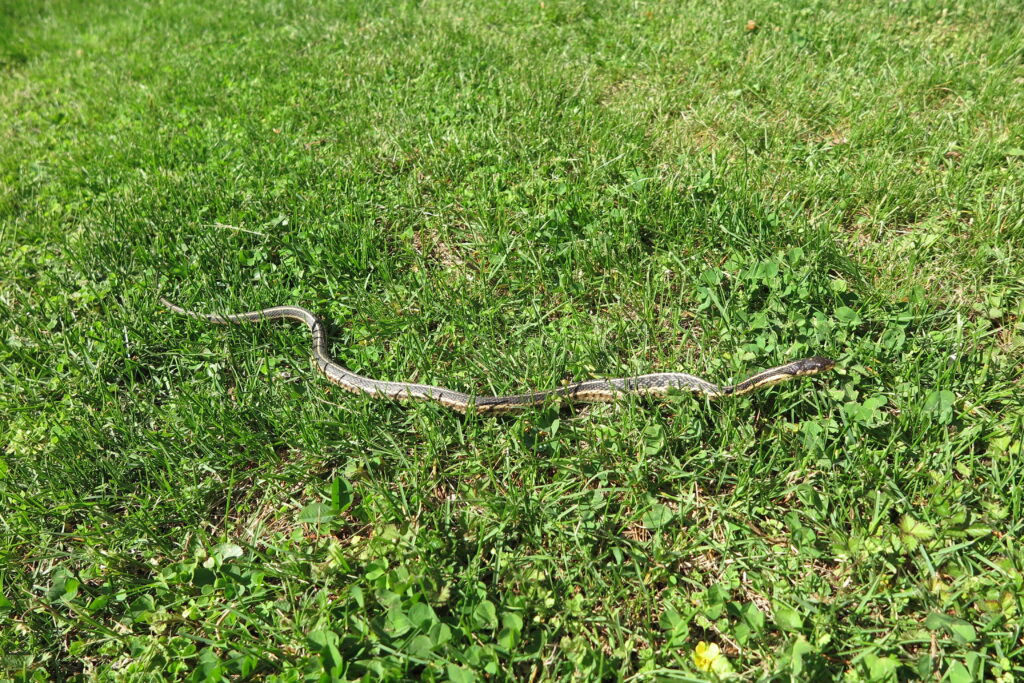
In everyday encounters, this snake is typically seen moving quietly through grass, along the edges of paths, or near low vegetation. It rarely announces its presence, instead appearing suddenly as a subtle movement or shifting line against the ground. This understated presence contributes to its reputation as a common yet easily overlooked species.
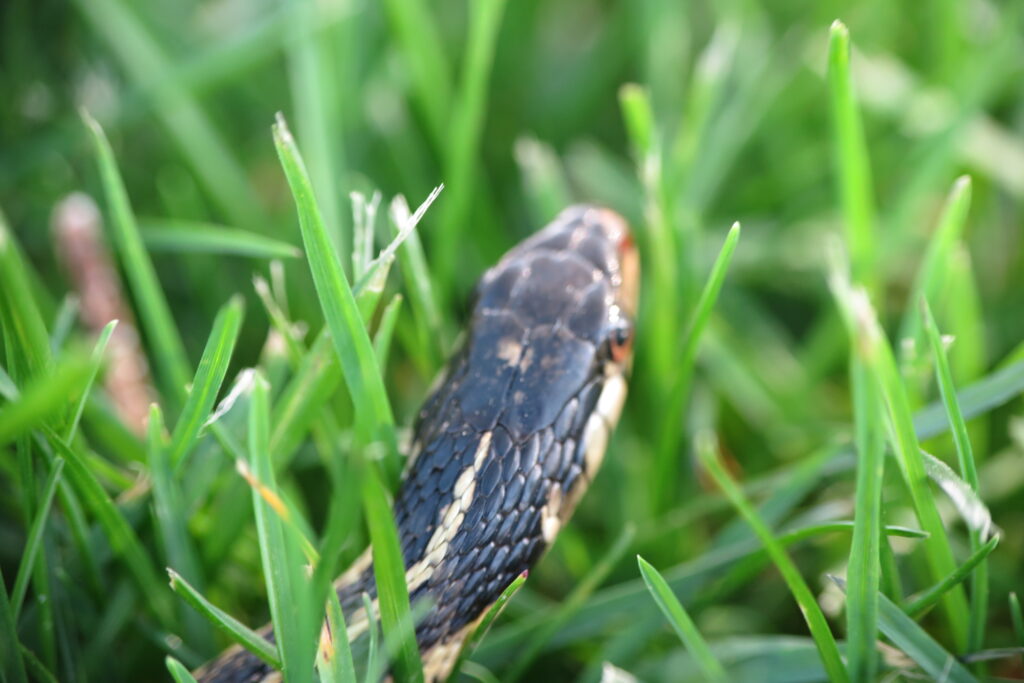
Observers often notice that the snake seems alert without appearing frantic. Even in open areas, it maintains a sense of awareness, pausing or adjusting direction in response to nearby movement. This creates an impression of cautious confidence rather than constant fear or aggression.
From a distance, its behavior may appear simple, but closer observation reveals a steady rhythm of movement, awareness, and response. These patterns make it an ideal subject for studying how reptiles interact with their surroundings without drawing unnecessary attention to themselves.
Behavior Overview – General Activity and Responsiveness of the Common Garter Snake
The common garter snake demonstrates a balanced behavioral style that blends cautious awareness with steady, purposeful movement. It does not exhibit constant high-energy activity, but it is far from inactive. Instead, it maintains a moderate level of engagement with its surroundings, adjusting its actions based on what it senses nearby.
When undisturbed, this snake often appears calm and focused, moving with intention rather than randomness. Its actions resemble a slow, deliberate search pattern, similar to how someone might scan an area while walking through tall grass. This measured pace allows it to remain efficient without drawing attention.
Its responsiveness to environmental changes is immediate but controlled. A sudden vibration, shadow, or nearby motion can trigger a pause or quick directional shift. Rather than reacting dramatically, it often chooses the least noticeable adjustment, reinforcing its reliance on subtlety over confrontation.
Compared to more reactive or defensive reptiles, the common garter snake behaves more like a cautious observer. It prioritizes awareness and positioning, allowing it to avoid conflict before it begins. This approach helps it conserve energy while maintaining a constant readiness to respond if needed.
Movement & Activity Patterns – How the Common Garter Snake Travels and Stays Active
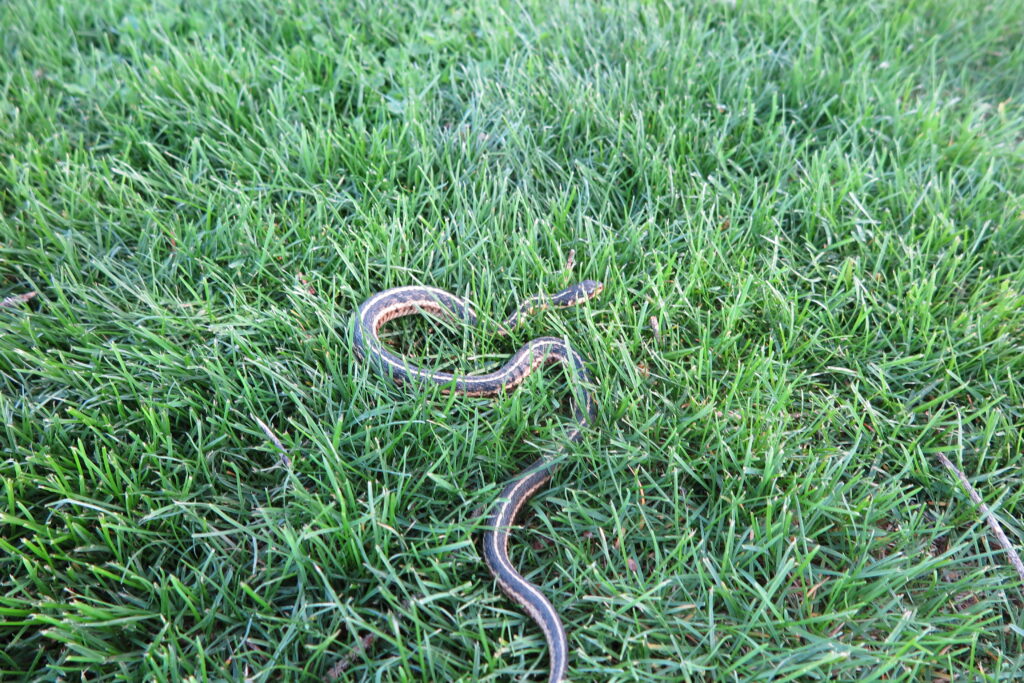
Movement in the common garter snake is defined by a smooth, flowing motion that allows it to travel efficiently across a variety of surfaces. Its body forms gentle curves as it pushes against the ground, creating a wave-like progression that propels it forward. This motion is both quiet and controlled, minimizing disturbance in its surroundings.
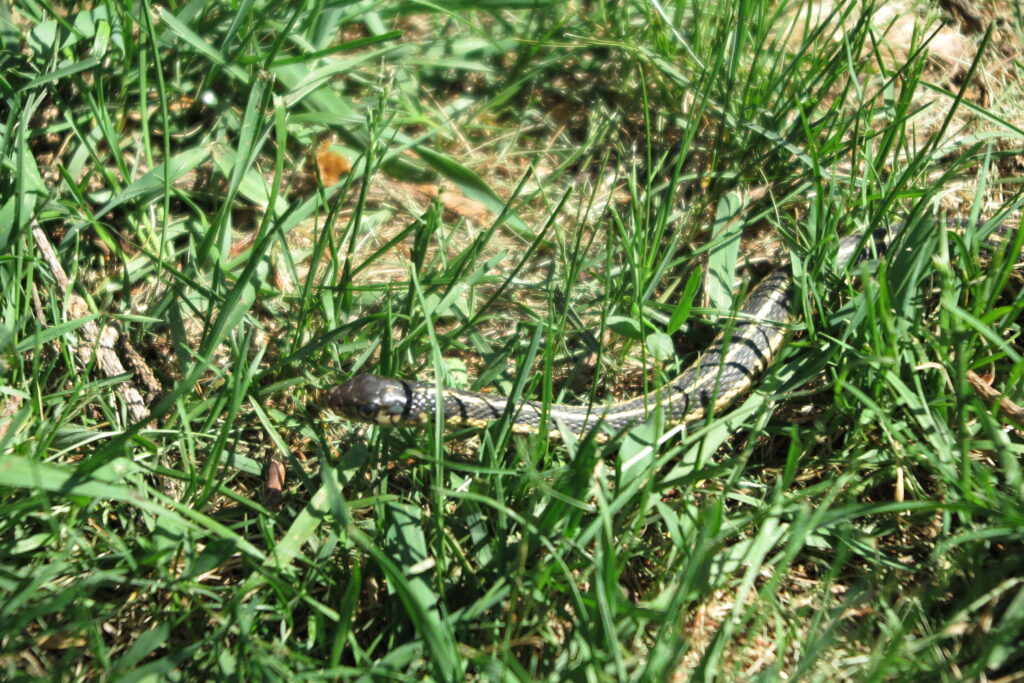
In open areas, the snake may move in a relatively straight path, while in dense grass it weaves between obstacles with precision. This adaptability makes its movement appear almost fluid, similar to a ribbon sliding through narrow spaces. When necessary, it can increase speed quickly, shifting from steady travel to rapid escape within seconds.
Daily activity tends to align with daylight hours, especially in moderate temperatures. During cooler mornings, it may be slower and more deliberate, gradually becoming more active as conditions warm. In hotter periods, activity may shift slightly to avoid peak heat, demonstrating an ability to adjust timing without becoming fully nocturnal.
Seasonal changes also influence how and when the snake moves. In warmer months, it is more frequently observed traveling and exploring, while colder conditions lead to reduced activity. Rather than maintaining constant movement year-round, it follows a pattern that balances energy use with environmental conditions, much like a commuter adjusting their routine based on weather.
Interaction & Survival Behavior – How the Common Garter Snake Responds to Threats and Surroundings
The common garter snake relies heavily on avoidance as its primary survival strategy. When it detects potential danger, its first instinct is to retreat quickly and quietly rather than confront the threat. This response often happens so fast that the snake seems to vanish into nearby vegetation within moments.
If escape is not immediately possible, the snake may adopt defensive behaviors designed to discourage further interaction. It can flatten its body slightly, remain still, or make subtle movements to appear less noticeable. These actions are not aggressive but are intended to create hesitation in whatever is approaching.
In more direct encounters, it may release a strong-smelling musk as a deterrent. This defense is not harmful but can be unpleasant, serving as a clear signal that the snake should be left alone. Combined with quick, unpredictable movement, this strategy increases its chances of avoiding prolonged contact.
Socially, the species is generally solitary, but temporary groupings can occur under certain conditions. Even in these situations, interactions remain minimal, with individuals maintaining space and independence. Overall, the common garter snake’s survival depends on awareness, rapid decision-making, and the ability to remain unnoticed whenever possible.