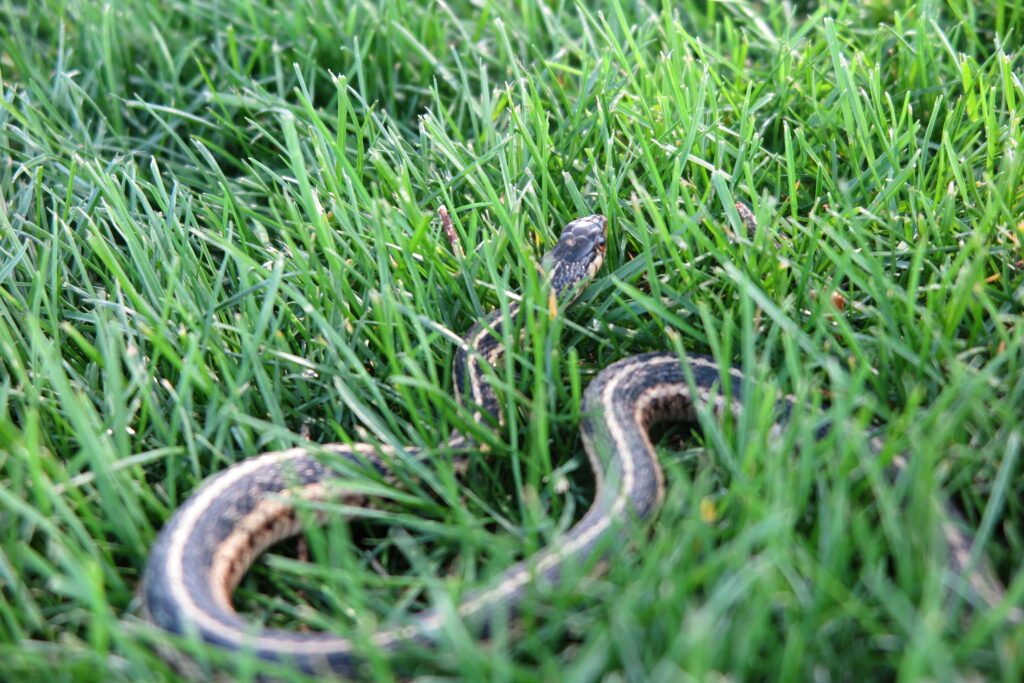
Common Garter Snake Habitat – Where They Live, Range, and Environmental Conditions Explained
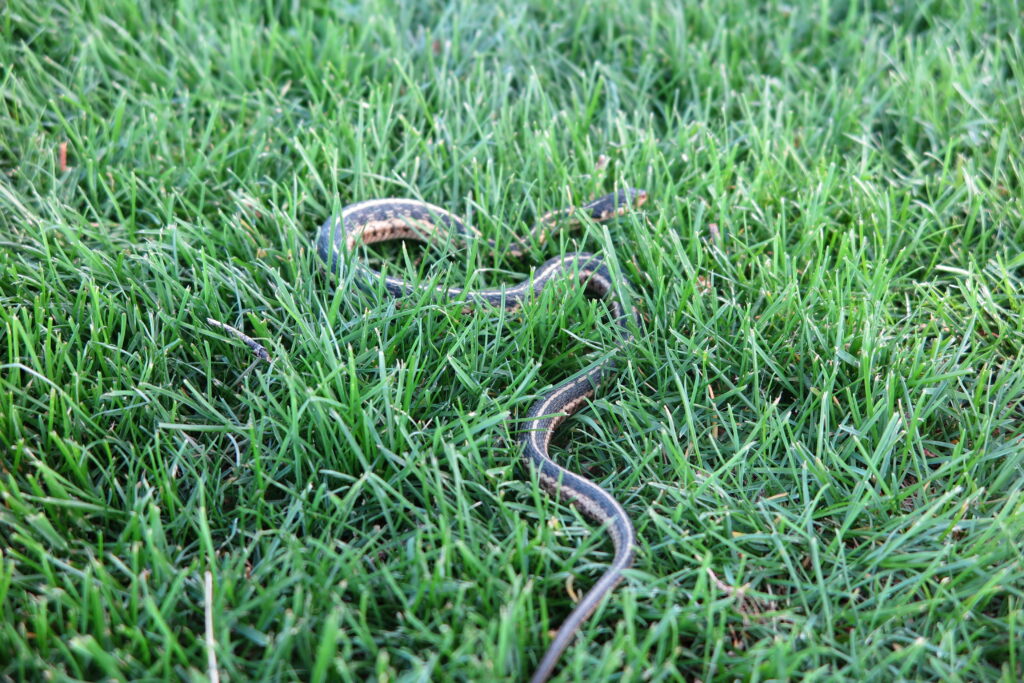
Quick Facts
Primary Habitat: Mixed vegetation areas near moisture
Secondary Habitat: Suburban yards, forest edges, and open fields
Climate Preference: Temperate climates with seasonal variation
Environment Type: Terrestrial with frequent proximity to water
Elevation / Depth Range: Sea level to over 8,000 feet (2,400 m)
Geographic Distribution: Southern Canada, United States, northern Mexico
Introduction – The Natural Range and Environmental Presence of the Common Garter Snake
The Common Garter Snake is one of the most widely distributed reptiles in North America, appearing across an expansive range that stretches from southern Canada through much of the United States and into parts of northern Mexico. This broad presence allows it to exist in regions with very different landscapes, from cooler northern zones to warmer southern areas. As a result, it is often encountered in a variety of everyday settings where natural and developed spaces overlap.
Across this range, the species maintains a consistent presence without being limited to a narrow region or specialized location. It is equally at home in rural landscapes as it is in suburban environments, which contributes to its frequent visibility around people. This widespread occurrence gives it a reputation as one of the most familiar snakes across the continent.
In many places, the common garter snake exists quietly alongside human activity, often unnoticed until it moves through grass or along the ground. Its ability to remain inconspicuous allows it to occupy spaces that are regularly used by people without drawing attention. This subtle coexistence highlights its adaptability to a wide range of surroundings.
Although its presence is widespread, each location offers a slightly different version of the environment it occupies. From northern regions with shorter warm seasons to southern areas with extended periods of activity, the snake adjusts to varying conditions while maintaining a consistent role in the landscape. This flexibility is a defining aspect of its environmental presence.
Habitat Overview – The Broad Environmental Range of the Common Garter Snake
The common garter snake occupies a wide spectrum of environments across its range, making it one of the most adaptable snake species in North America. Rather than being confined to a single type of landscape, it appears across a mix of natural and human-influenced settings. This ability to exist in multiple environments allows it to maintain stable populations across diverse regions.
In general terms, it is found in areas that provide a balance between open space and available cover. These environments often include a mix of vegetation, ground-level structure, and accessible pathways for movement. This combination allows the snake to remain both mobile and concealed at the same time.
Compared to more specialized reptiles that require very specific conditions, the common garter snake demonstrates a much broader tolerance. Some species are restricted to deserts, dense forests, or strictly aquatic zones, but this snake bridges multiple categories with ease. Its presence across such varied environments highlights its flexibility and resilience.
This adaptability also means that it can persist in areas where environmental changes occur over time. Whether landscapes shift due to seasonal changes or human development, the snake often continues to occupy the space if basic conditions remain suitable. This ability to adjust contributes to its continued success across a large geographic range.
Habitat Types – Specific Environments Where the Common Garter Snake Lives
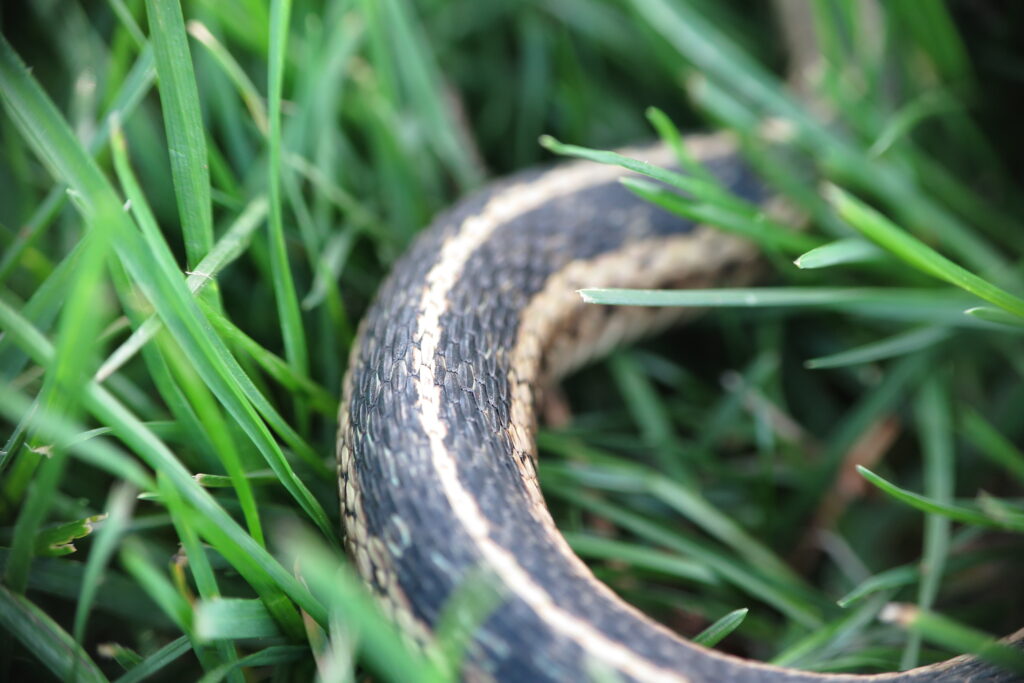
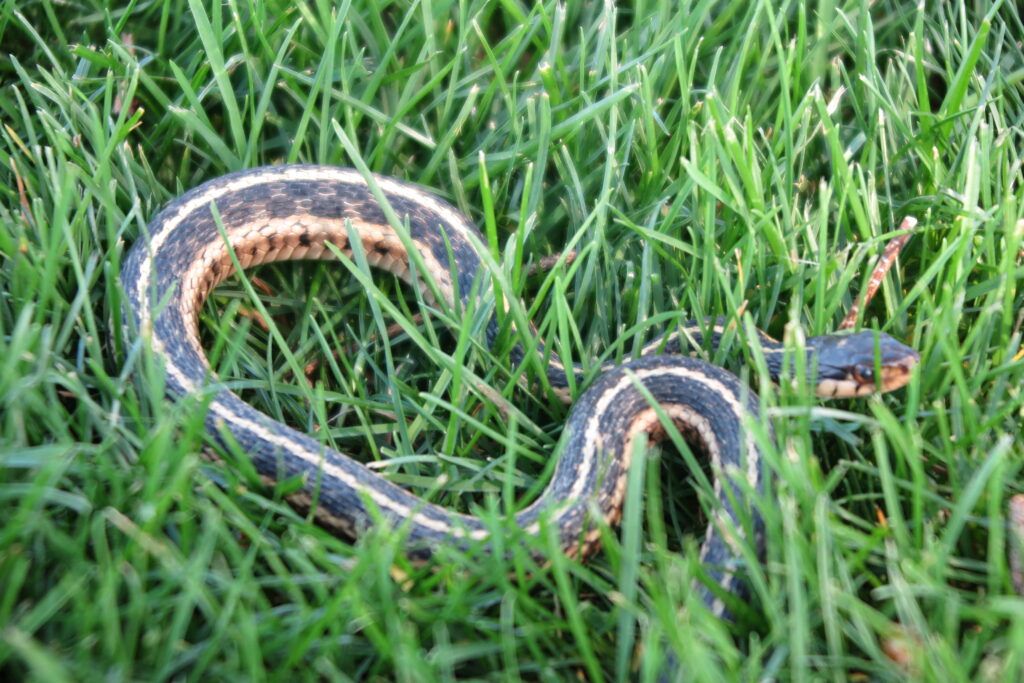
The common garter snake is frequently associated with environments that include a combination of vegetation and open ground. Grasslands are one of the most common habitat types, where the snake moves through dense blades that provide both cover and access routes. These areas allow it to remain partially hidden while still maintaining visibility of its surroundings.
Wooded areas and forest edges also serve as important habitat zones. Rather than staying deep within dense forests, the snake is more often found along transitional spaces where trees meet open ground. These edge environments offer a blend of shade, cover, and movement pathways, making them particularly suitable.
Wetland areas, including marshes, ponds, and streams, are another key habitat type for this species. While it is not fully aquatic, it is often found near water sources where moisture levels are higher and vegetation is abundant. These areas provide a unique combination of conditions that support its presence throughout much of its range.
In addition to natural environments, the common garter snake frequently occupies human-altered spaces such as gardens, parks, and suburban yards. These areas can mimic natural habitat features by offering grass, ground cover, and small pockets of vegetation. Its ability to thrive in these modified environments makes it one of the most commonly encountered snakes near human habitation.
Environmental Conditions – Climate, Terrain, and Physical Factors Supporting the Common Garter Snake
The common garter snake thrives in climates that experience seasonal variation, particularly those with warm summers and cooler winters. It is well-suited to temperate regions where temperatures fluctuate throughout the year. This seasonal pattern influences how and when it is active, but it remains capable of enduring a wide range of conditions.
Moisture plays an important role in supporting its presence, especially in areas where vegetation remains dense and ground conditions are stable. Environments that retain some level of humidity tend to provide more consistent cover and support plant growth. These conditions create a more stable setting compared to dry, exposed landscapes.
Terrain also contributes to habitat suitability, with the snake favoring areas that include a mix of flat ground and natural structure. Slight variations in elevation, fallen debris, or uneven surfaces can provide opportunities for concealment. These features help break up open space, allowing the snake to move while remaining partially hidden.
Seasonal changes bring noticeable shifts in environmental conditions, particularly in regions with cold winters. During these periods, the landscape becomes less active, and temperatures drop significantly. In contrast, warmer months create conditions similar to a mild, humid summer day, where vegetation is thick and the ground retains warmth. These changing conditions shape the environments in which the snake persists throughout the year.