
Buff Orpington Chicken Habitat Guide: Environment, Climate, and Living Conditions
Quick Facts
Primary Habitat: Farms and backyard homesteads
Secondary Habitat: Rural agricultural landscapes
Climate Preference: Temperate climates with moderate seasonal variation
Environment Type: Grasslands, open farmland, and managed domestic environments
Elevation / Depth Range: Sea level to moderate upland farms
Geographic Distribution: Domestic breed found worldwide
Introduction to Buff Orpington Chicken Habitat and Global Distribution
The Buff Orpington chicken is a domesticated poultry breed found in agricultural settings across much of the world. Originally developed in England during the late nineteenth century, the breed spread rapidly because of its adaptability, large body size, and ability to thrive in different climates. Today, Buff Orpingtons are commonly associated with traditional farm environments, backyard flocks, and small homestead properties.
Unlike wild bird species tied to a single ecosystem or narrow geographic range, Buff Orpington chickens exist almost entirely in human-managed environments. They are especially common in rural regions where open land, farming activity, and poultry keeping remain part of daily life. In many countries, the breed has become a familiar sight near barns, fenced fields, and grassy farmyards.
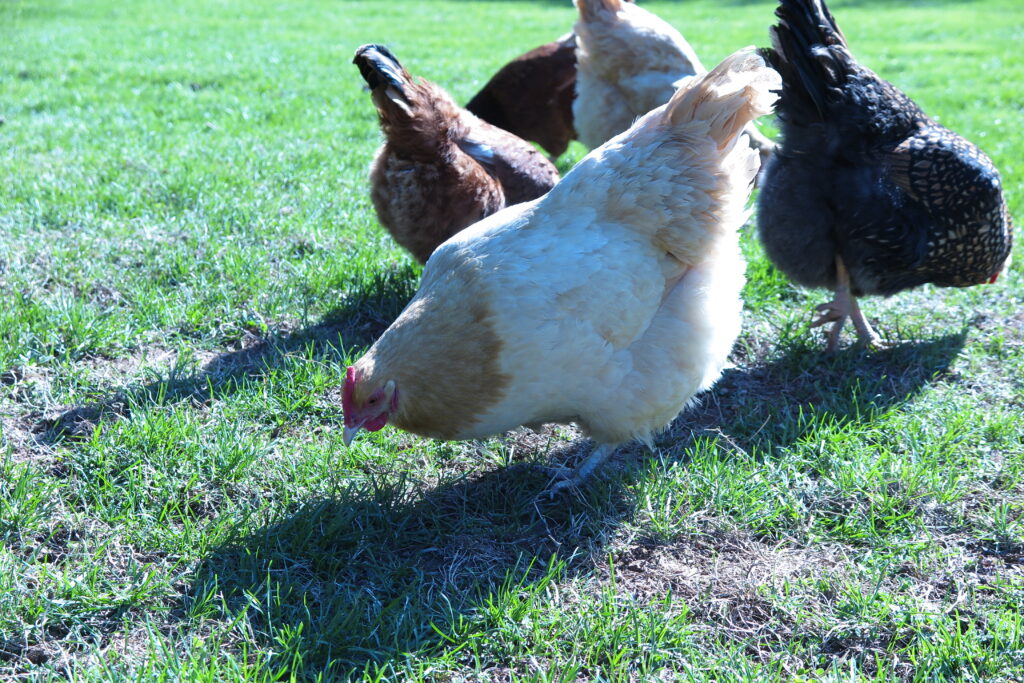
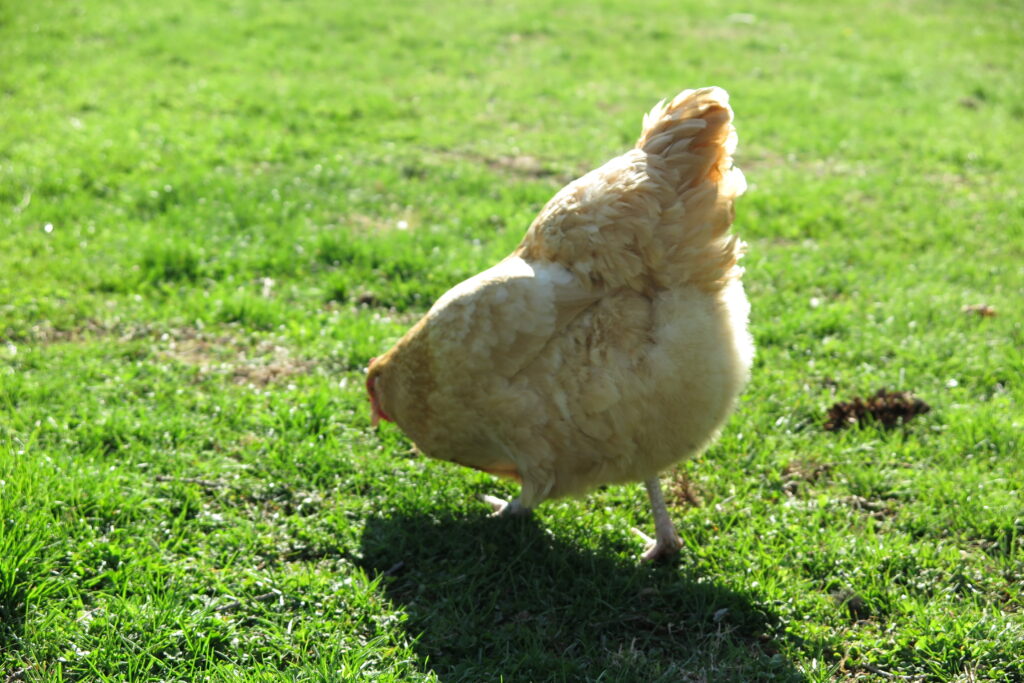
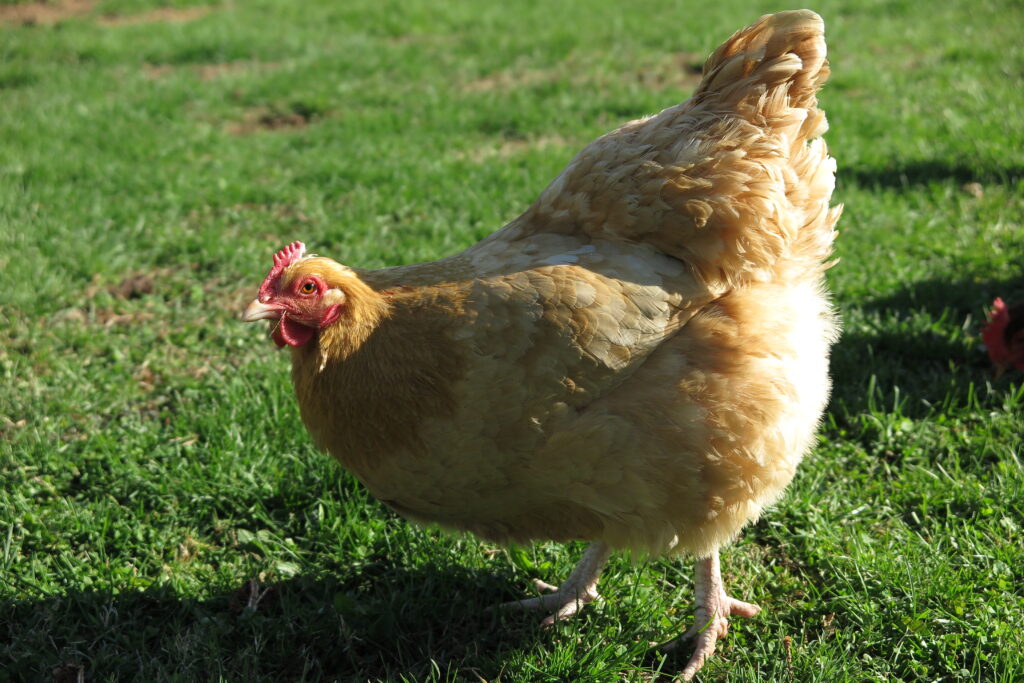
The surroundings where Buff Orpingtons are raised often reflect calm and open agricultural landscapes. Wooden coops, dirt paths, grassy patches, and cultivated land create a setting that suits the breed’s heavy-bodied form and ground-oriented lifestyle. Their soft buff-colored plumage blends naturally into dry grass, straw bedding, and sunlit farmland, giving them a classic countryside appearance.
Because the breed has been selectively bred for domestic life over many generations, Buff Orpingtons are highly adaptable to managed outdoor environments. They are found in cold northern climates, humid temperate regions, and even areas with fluctuating seasonal weather. This broad distribution has helped establish the Buff Orpington as one of the most recognizable heritage chicken breeds worldwide.
Buff Orpington Chicken Habitat Overview and Environmental Adaptability
Buff Orpington chickens are strongly associated with open agricultural environments and managed rural landscapes. Their habitat range extends across farms, backyard poultry enclosures, homesteads, and small livestock properties where they are protected and cared for by people. Unlike some delicate poultry breeds that struggle outside narrow climate ranges, Buff Orpingtons are considered highly adaptable to varied outdoor conditions.
The breed is especially common in temperate regions where seasonal weather changes occur throughout the year. In these areas, Buff Orpingtons are often seen roaming through grassy farmyards or resting near barns and fencing. Their thick feather coverage helps them tolerate cooler conditions more effectively than many lighter-bodied chickens with less insulation.
Buff Orpingtons are also widely distributed because they adapt well to both large farms and smaller backyard spaces. Some domestic chicken breeds are raised primarily in commercial systems, while Buff Orpingtons are frequently chosen for hobby flocks and heritage poultry collections. This flexibility allows the breed to remain common in both rural and suburban settings.
Compared to more specialized chicken breeds bred only for industrial egg production, Buff Orpingtons fit comfortably into a wider variety of environments. They are commonly raised in free-ranging outdoor systems, enclosed runs, and mixed farm properties containing gardens, sheds, and pastureland. Their calm nature and broad environmental tolerance contribute greatly to their widespread popularity.
The breed’s habitat adaptability also extends across different weather conditions. Buff Orpingtons are often raised successfully in regions with cold winters, rainy springs, and warm summers. Their heavy plumage provides insulation that supports survival in climates where smaller or lightly feathered chickens may struggle outdoors for extended periods.
Even though Buff Orpingtons are domestic birds, the environments they occupy still resemble traditional agricultural ecosystems shaped by open land and human activity. Whether observed in fenced pasture areas or near wooden coops surrounded by grass, the breed remains closely connected to classic farm landscapes throughout much of its global range.
Buff Orpington Chicken Habitat Types and Farm Environments
Buff Orpington chickens occupy several distinct types of human-managed habitats, each providing shelter, open space, and environmental stability. One of the most common habitat categories includes traditional farms with grassy fields, barns, feed storage areas, and fenced roaming space. These locations offer a mixture of open ground and protective structures suited to domestic poultry.
Backyard homesteads represent another important habitat type for the breed. In suburban or rural residential settings, Buff Orpingtons are often kept in enclosed coops with attached outdoor runs. These smaller environments may include gardens, patches of lawn, shrubs, and shaded resting areas that create a manageable but varied landscape for chickens.
Free-range pasture systems are especially well suited to Buff Orpingtons because of their steady movement and ground-focused activity. In these habitats, chickens roam across open grassland while remaining near coops or protective fencing. The environment often includes mixed vegetation, uneven soil, and scattered natural cover such as bushes or small trees.
Some Buff Orpingtons are also raised within exhibition and agricultural fair environments. These settings differ from open farms because they involve enclosed pens, controlled shelter areas, and carefully maintained grounds. Even so, the breed’s calm temperament allows it to adapt relatively well to these more structured environments compared to highly nervous poultry breeds.
Habitat variation can also occur within the same property. A Buff Orpington may spend time in grassy pasture during part of the day before returning to sheltered coop interiors lined with straw or wood shavings. This combination of indoor and outdoor environments helps support protection, temperature regulation, and general flock management.
Edge habitats are often preferred within outdoor spaces. Buff Orpingtons commonly remain near fencing, vegetation edges, coop entrances, or partially sheltered areas rather than standing in completely exposed open ground for long periods. These transitional spaces provide a balance between visibility, shelter, and accessibility within managed agricultural landscapes.
Environmental Conditions Supporting Buff Orpington Chickens
Buff Orpington chickens thrive best in temperate climates with moderate seasonal variation and reliable shelter from extreme conditions. Their thick feathering provides strong insulation during cold weather, making the breed particularly suited to regions with cool autumns and snowy winters. Compared to lighter breeds with tighter feather coverage, Buff Orpingtons often tolerate low temperatures more comfortably.
Cold-resistant plumage is one of the defining environmental advantages of the breed. Dense feathers trap body heat effectively and shield much of the skin from exposure to wind or freezing air. In winter landscapes, Buff Orpingtons can often remain active outdoors while frost covers surrounding grass or soil, resembling small feathered cushions moving slowly through snow-dusted farmyards.
Although they handle cold weather well, excessively hot and humid conditions can become more difficult because of their large size and heavy insulation. During summer heat, shaded areas, airflow, and access to cooler ground become increasingly important. Prolonged high temperatures may place more physical stress on Buff Orpingtons than on smaller, lighter-bodied chickens.
The terrain within suitable environments is usually relatively open and easy to navigate. Grassy fields, dirt surfaces, loose soil, and straw-covered enclosures support natural movement while reducing stress on the birds’ legs and feet. Steep rocky terrain or heavily wooded landscapes are generally less suitable because the breed’s bulky body structure is designed for stable ground-level movement rather than climbing or agile navigation.
Vegetation structure also influences environmental quality for Buff Orpingtons. Low grasses, scattered shrubs, and open farm vegetation create accessible spaces while still offering occasional shade and visual cover. Thick forests or dense undergrowth are rarely associated with this breed because domestic chickens depend more on managed open landscapes than enclosed wild habitats.
Seasonal environmental changes strongly shape the conditions surrounding Buff Orpingtons throughout the year. Spring rains may soften farm soil and increase vegetation growth, while autumn conditions often produce dry fields covered in straw-colored grass that visually matches the birds’ buff plumage. These shifting agricultural landscapes create an environment where the breed remains comfortable across a broad range of changing outdoor conditions.
Popular Searches About Buff Orpingtons
Explore Buff Orpington Guide
Explore More Domestic Animals

Support Encounters World
Help support wildlife photography and get behind the scenes discoveries on Patreon.