
Buff Orpington Colors Guide: Buff, Blue, Black, Lavender, and Rare Color Varieties
Quick Facts
Primary Color Variety: Buff (Golden Tan)
Recognized Color Varieties: Buff, Black, Blue, White, Splash, Lavender
Average Size: 7–10 pounds
Global Range: Domestic breed found worldwide
Conservation Status: Domesticated Breed
Notable Feature: One of the most visually diverse heritage chicken breeds
Introduction to Buff Orpington Color Varieties
The Buff Orpington is one of the most recognizable heritage chicken breeds in the world, but many people are surprised to learn that Orpington chickens exist in far more colors than the classic golden-buff variety. While the buff form remains the most famous, breeders have developed numerous color varieties that showcase the breed’s broad genetic diversity. These color differences have helped make Orpingtons popular among both poultry enthusiasts and exhibition breeders.
Originally developed in England during the late nineteenth century, the Orpington breed quickly gained international attention because of its attractive appearance and adaptable nature. As breeding programs expanded, additional feather color varieties emerged through selective breeding. Over time, these color forms became an important part of the breed’s identity.
Today, Orpington chickens can be found in many countries, appearing in backyard flocks, poultry exhibitions, and heritage breed conservation programs. Although all varieties share the same basic body structure and breed characteristics, feather coloration can vary dramatically. Some birds display rich golden tones, while others appear blue-gray, black, white, or even lavender.
The variety of colors available has contributed significantly to the breed’s lasting popularity. Poultry keepers often select specific color forms based on personal preference, breeding goals, or exhibition standards. This diversity makes the Orpington one of the most visually interesting heritage chicken breeds available today.
Buff Orpington Color Overview and Visual Diversity
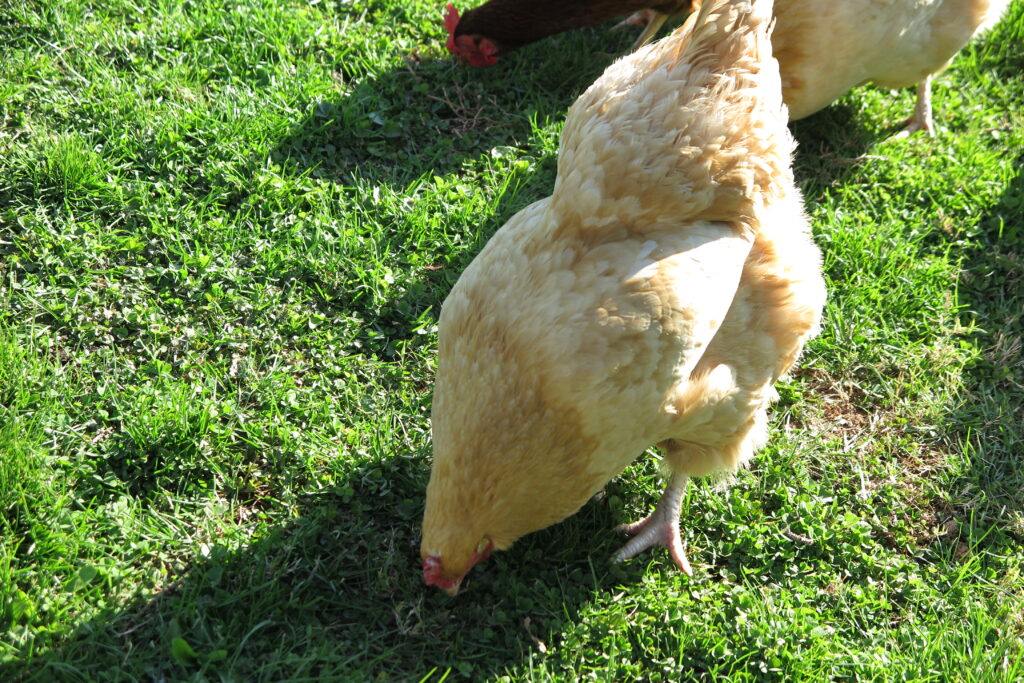
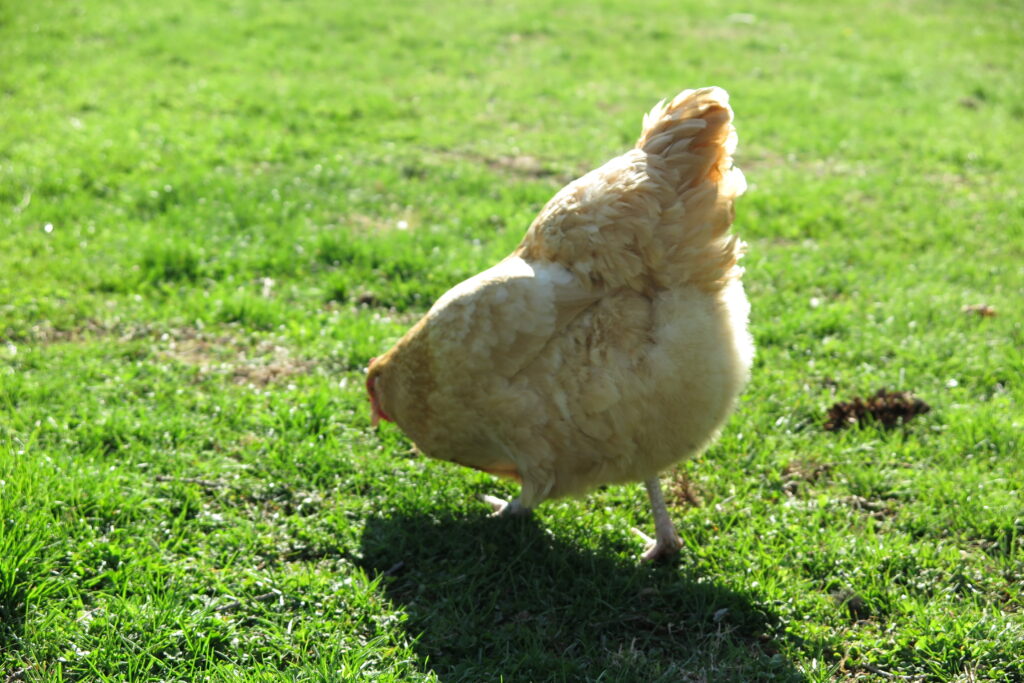
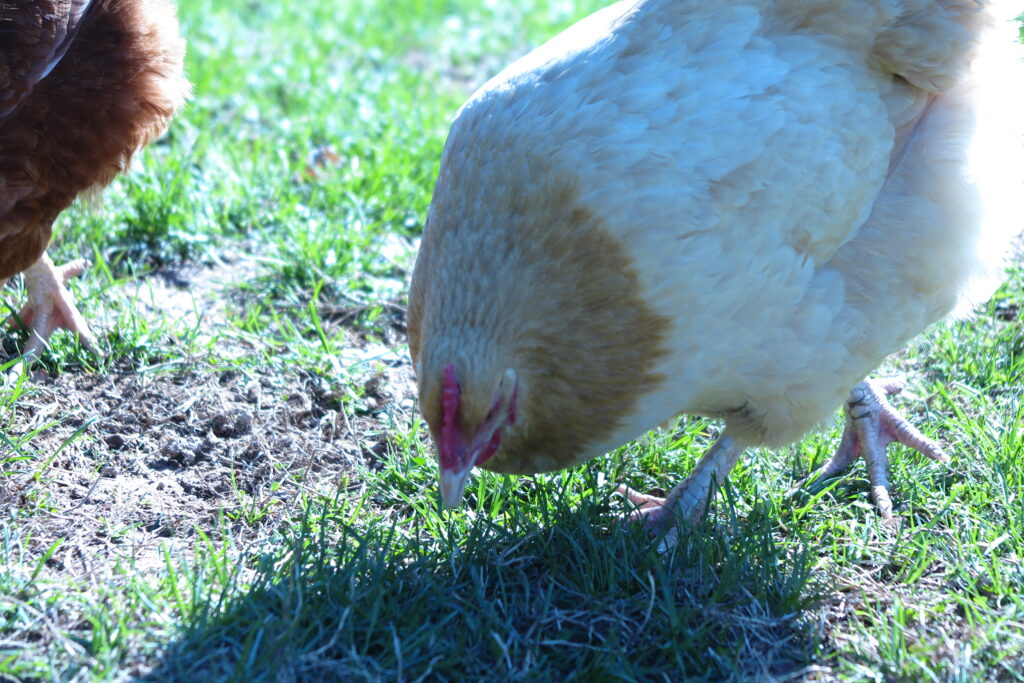
The classic Buff Orpington remains the most widely recognized color variety. Its plumage displays warm golden-buff tones that resemble dried wheat fields, polished honey, or sunlit straw. This coloration became so popular that many people associate the entire breed exclusively with the buff form.
Black Orpingtons offer a completely different visual appearance. Their feathers display a deep black coloration that often reflects green or purple iridescence in direct sunlight. When viewed outdoors, these birds can appear almost metallic compared to the softer appearance of Buff Orpingtons.
Blue Orpingtons are especially prized because of their unique slate-blue feather coloration. Rather than appearing bright blue, their plumage resembles storm clouds or weathered steel. This unusual color creates a striking contrast against the breed’s rounded body shape and abundant feather coverage.
White Orpingtons present a clean and elegant appearance with pure white plumage across the body. Their bright feathers often make them highly visible in open environments. Against green grass or dark soil, White Orpingtons stand out dramatically compared to darker color varieties.
Splash Orpingtons display one of the most distinctive patterns within the breed. These birds typically feature pale feathers marked with scattered blue-gray splashes and irregular patches. No two Splash Orpingtons look exactly alike, giving each bird a unique appearance.
Lavender Orpingtons have become increasingly popular among poultry enthusiasts in recent years. Their feathers display a soft silver-lavender coloration that can appear almost pastel under certain lighting conditions. Compared to traditional Buff Orpingtons, lavender birds often look more ornamental and visually unusual.
Distinctive Characteristics of Buff, Blue, Black, and Lavender Orpingtons
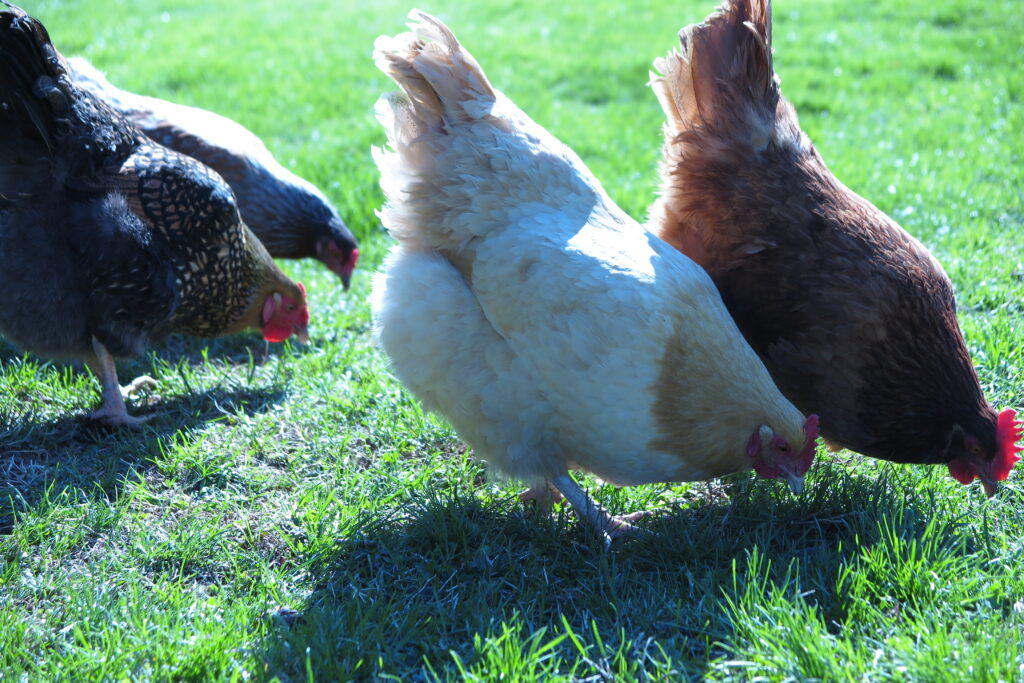
Although color varies significantly between varieties, all Orpingtons share the breed’s characteristic body structure. Broad frames, dense feather coverage, and rounded profiles remain consistent regardless of feather coloration. This means a Black Orpington and a Buff Orpington should possess similar overall proportions despite looking dramatically different.
The Buff variety is often considered the benchmark for comparison because it is the most established and widely recognized form. High-quality Buff Orpingtons display uniform coloration across the body with minimal shading differences. Breeders often seek rich golden tones without excessive fading or patchiness.
Blue Orpingtons possess one of the most complex color genetics within the breed. Their slate-blue appearance results from a dilution effect that softens black pigmentation. Because of these genetic factors, breeding Blue Orpingtons can also produce black and splash offspring depending on parental combinations.
Black Orpingtons are valued for their deep, consistent feather coloration. In strong sunlight, subtle green or purple highlights may become visible, adding depth to their appearance. This iridescent effect distinguishes them from many other black-feathered chicken breeds.
Lavender Orpingtons differ from Blue Orpingtons in both genetics and appearance. While Blue Orpingtons often show darker feather edging and variable shading, Lavender Orpingtons display a more uniform silver-gray coloration throughout the body. The result is a softer and more evenly distributed color pattern.
Some breeders also work with rarer color projects that are not universally recognized by poultry organizations. Chocolate, cuckoo, jubilee, and other experimental varieties occasionally appear within specialty breeding programs. These uncommon colors demonstrate the remarkable diversity possible within the Orpington breed.
The Importance of Color Variety in Orpington Breed Conservation
Color diversity plays an important role in maintaining healthy and sustainable Orpington breeding programs. Each recognized variety represents a unique genetic combination that contributes to the overall diversity of the breed. Preserving multiple color lines helps protect valuable genetic traits that could otherwise be lost over time.
Heritage poultry conservation organizations often encourage breeders to maintain a range of color varieties rather than focusing exclusively on the most popular forms. This approach strengthens the breed’s long-term stability and reduces the risk of excessive genetic narrowing. Maintaining diversity is especially important for heritage livestock populations.
Color varieties also contribute significantly to public interest in heritage chickens. Poultry exhibitions frequently showcase multiple Orpington colors side by side, allowing visitors to appreciate the breed’s visual diversity. These displays often attract new poultry enthusiasts who may later become involved in conservation efforts.
From an educational perspective, Orpington color genetics provide excellent examples of selective breeding and inheritance. Different color outcomes demonstrate how specific genetic traits can influence feather pigmentation while leaving the breed’s overall structure unchanged. This makes Orpingtons valuable teaching tools in agricultural and breeding programs.
The popularity of rare colors such as Lavender and Splash Orpingtons has helped introduce new audiences to heritage poultry keeping. While many people initially become interested because of unusual feather colors, they often develop a deeper appreciation for the breed’s history and conservation importance. In this way, color diversity indirectly supports broader preservation efforts.
Whether displaying golden buff feathers, deep black plumage, soft lavender tones, or striking splash patterns, every Orpington variety contributes to the breed’s remarkable legacy. Together, these color forms help preserve one of the world’s most celebrated heritage chicken breeds while ensuring future generations can continue to enjoy its extraordinary visual diversity.
Popular Searches About Buff Orpingtons
Explore Buff Orpington Guide
Explore More Domestic Animals

Support Encounters World
Help support wildlife photography and get behind the scenes discoveries on Patreon.