
Buff Orpington Facts Guide: 15 Interesting Facts About This Popular Chicken Breed
Quick Facts
Breed Origin: Orpington, Kent, England
Average Adult Weight: 7–10 pounds
Average Lifespan: 6–10 years
Global Range: Domestic breed found worldwide
Conservation Status: Domesticated Breed
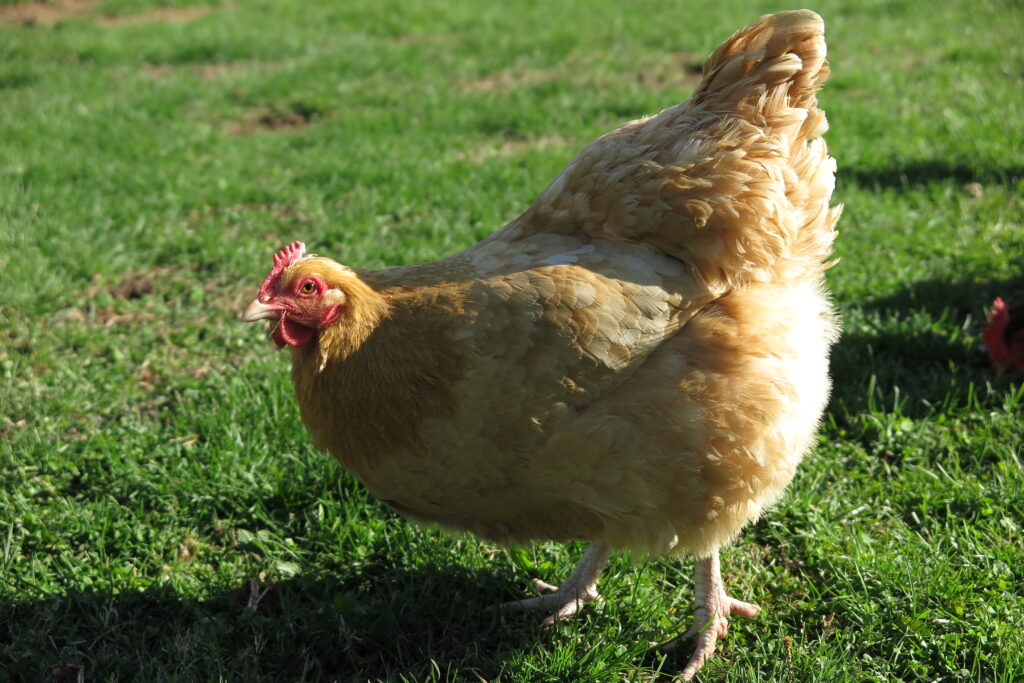
Notable Feature: Famous for its golden buff plumage and gentle personality
Introduction to Buff Orpington Chicken Facts
The Buff Orpington is one of the most recognized heritage chicken breeds in the world, known for its distinctive golden feathers and long history in poultry keeping. Since its development in England during the late nineteenth century, the breed has become a favorite among farmers, homesteaders, and backyard flock owners. Its popularity extends across multiple continents, making it one of the most widespread heritage chickens still actively raised today.
Many people first encounter Buff Orpingtons because of their attractive appearance, but the breed’s story extends far beyond its feathers. Over more than a century of development, Buff Orpingtons have earned a reputation for versatility, durability, and broad appeal. Their combination of practical and ornamental qualities has helped them remain relevant even as poultry farming has changed dramatically.
The breed can now be found in a wide range of settings, from small family coops to large agricultural exhibitions. Poultry enthusiasts often choose Buff Orpingtons as an introduction to heritage breeds because they are easy to recognize and widely available. Their enduring popularity has led to countless interesting facts surrounding their history, development, and role in agriculture.
Learning about these facts helps provide a deeper understanding of why Buff Orpingtons continue to attract attention around the world. From their English origins to their global success, the breed offers a fascinating example of how selective breeding can shape one of the most beloved domestic chickens in existence.
Fascinating Buff Orpington Breed Facts and Origins
One of the most interesting facts about the Buff Orpington is that it was created by a single breeder, William Cook, in the town of Orpington, England. Cook wanted a practical chicken that could perform well in multiple farming roles while still maintaining an attractive appearance. The breed ultimately became one of the most successful poultry projects of the Victorian era.
Another notable fact is that Buff Orpingtons were not the first Orpington color variety developed. Early Orpington breeding programs produced black birds before the buff variety gained widespread popularity. Eventually, the buff coloration became so successful that it overshadowed the breed’s other original color forms.
The breed spread internationally with remarkable speed. Within only a few decades of its creation, Buff Orpingtons were being raised throughout Europe and North America. Their rapid expansion helped establish them as one of the first truly global heritage chicken breeds.
Buff Orpingtons also became popular in poultry exhibitions because of their distinctive appearance. Their rounded body shape and rich coloration stood out among many competing breeds. This exhibition success helped drive further demand among poultry enthusiasts and breeders.
Another surprising fact is that the breed was originally designed during a period when poultry keeping was becoming increasingly competitive. Agricultural fairs and poultry shows encouraged breeders to create chickens with both practical and visual appeal. Buff Orpingtons succeeded in both categories, helping secure their long-term popularity.
Today, the breed remains one of the most recognized names in poultry keeping. More than a century after its development, Buff Orpingtons continue to represent one of the most successful examples of heritage chicken breeding ever achieved.
Unique Buff Orpington Characteristics and Lesser-Known Facts
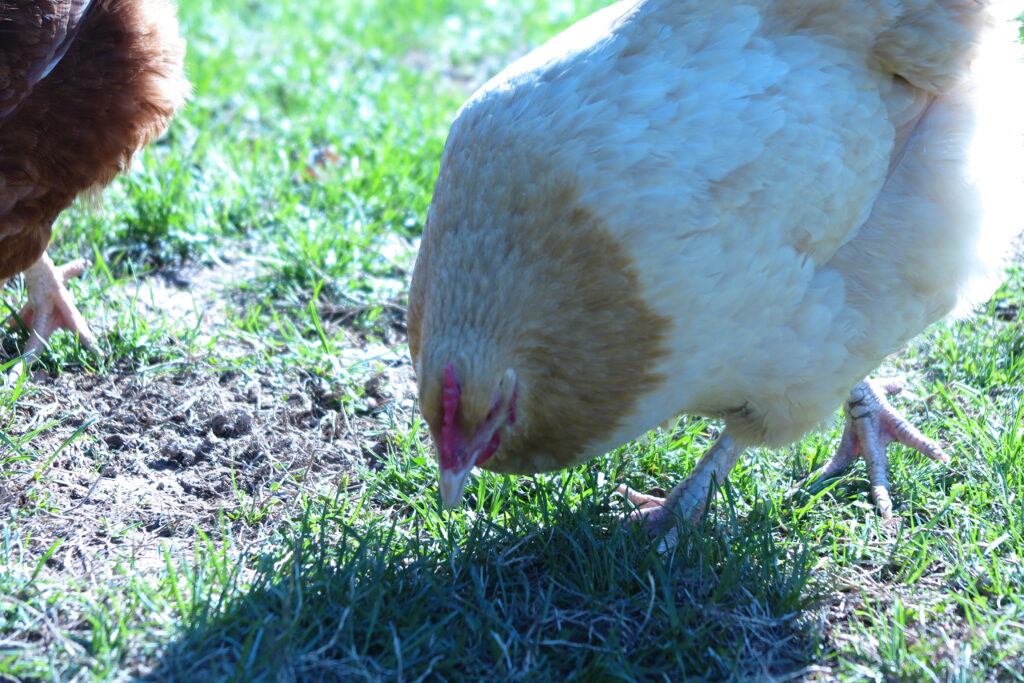
One defining fact about Buff Orpingtons is their unusually heavy feather coverage. The breed’s abundant plumage creates a rounded appearance that often makes the birds seem larger than they actually are. This characteristic contributes significantly to their distinctive silhouette.
Their buff coloration is another unique feature. The golden hue is often compared to wheat fields, honey, or dried straw under sunlight. Few other chicken breeds display such a consistently warm and recognizable color pattern.
Many people are surprised to learn that Buff Orpingtons are considered large chickens. Mature hens commonly weigh between seven and eight pounds, while roosters frequently exceed ten pounds. This places them among the heavier heritage poultry breeds maintained today.
The breed is also known for developing a remarkably uniform appearance. High-quality individuals display consistent coloration, feather texture, and body proportions. This visual consistency helped establish Buff Orpingtons as a respected exhibition breed.
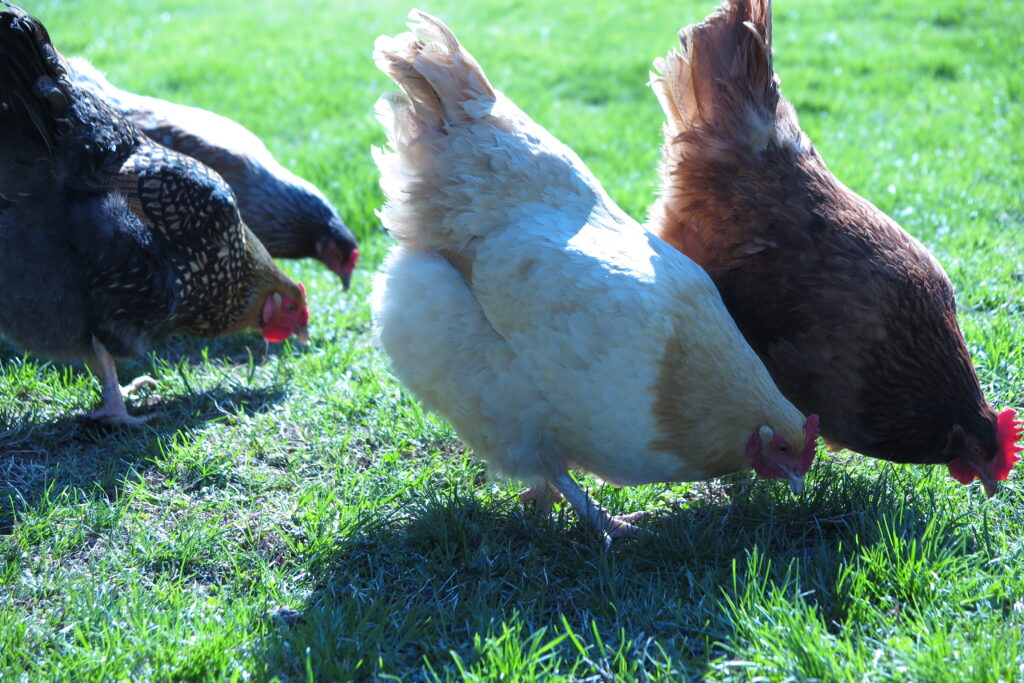
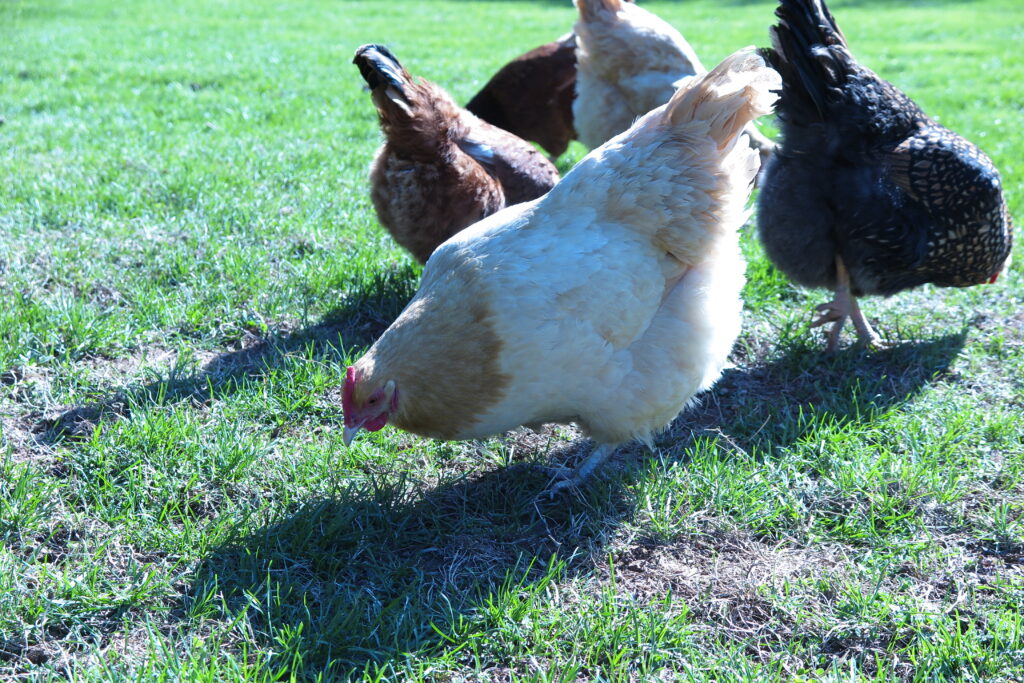
Another interesting fact is that Orpington chickens exist in several colors beyond buff. Black, blue, white, splash, and lavender varieties all exist within the broader Orpington breed family. Despite this diversity, the buff variety remains by far the most famous.
Buff Orpingtons are frequently used as an example when teaching poultry breed identification. Their combination of body shape, feather quality, and coloration makes them relatively easy to recognize compared to many other heritage chickens. This educational value has helped maintain their visibility in agricultural programs and exhibitions.
Why Buff Orpingtons Remain Important Today
Buff Orpingtons continue to play an important role in preserving heritage poultry genetics. As commercial poultry production increasingly focuses on specialized strains, traditional breeds help maintain broader genetic diversity. This diversity may become increasingly valuable for future breeding and conservation efforts.
The breed also serves as a living connection to agricultural history. Raising Buff Orpingtons allows modern poultry keepers to work with birds that closely resemble those kept by farmers more than a century ago. This historical continuity provides insight into traditional livestock management practices.
Agricultural fairs and poultry exhibitions frequently feature Buff Orpingtons because of their visual appeal and historical significance. These events introduce new generations to heritage livestock while helping preserve interest in traditional breeds. Their presence often sparks curiosity about poultry history and conservation.
Buff Orpingtons also contribute to educational outreach programs focused on farming and animal husbandry. Their recognizable appearance makes them excellent ambassadors for teaching visitors about poultry breeds and agricultural diversity. Many schools, farms, and community programs use them as examples of successful heritage livestock.
The breed’s widespread popularity has helped support conservation efforts aimed at maintaining heritage poultry populations. Continued demand encourages responsible breeding practices and helps prevent valuable genetic lines from disappearing. In this way, Buff Orpingtons contribute to preserving agricultural biodiversity.
Perhaps the most remarkable fact of all is that Buff Orpingtons have remained relevant for more than 130 years. Few livestock breeds maintain such enduring popularity across multiple generations and changing agricultural systems. Their lasting success demonstrates the value of balanced breeding, strong genetics, and a distinctive identity that continues to capture attention worldwide.
Popular Searches About Buff Orpingtons
Explore Buff Orpington Guide
Explore More Domestic Animals

Support Encounters World
Help support wildlife photography and get behind the scenes discoveries on Patreon.