
Buff Orpington Lifespan Guide: How Long Do Buff Orpington Chickens Live?
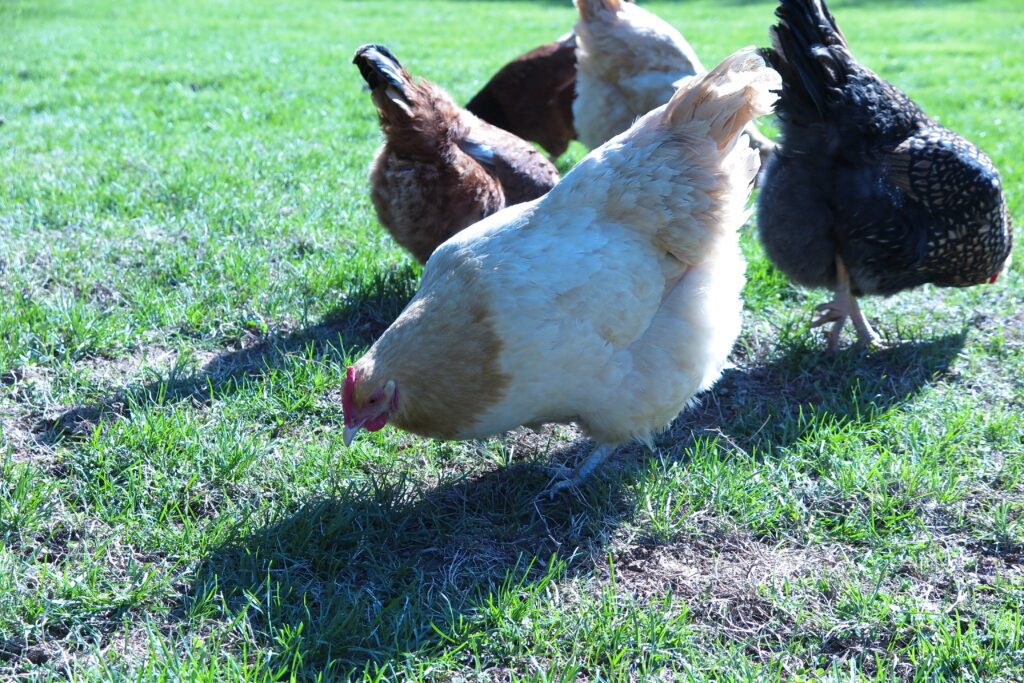
Quick Facts
Location: Farms, backyard flocks, and homesteads
Average Size: 7–10 pounds
Average Lifespan: 6–10 years
Global Range: Domestic breed found worldwide
Conservation Status: Domesticated Breed
Notable Feature: Long lifespan for a heavy heritage chicken breed
Introduction to Buff Orpington Chicken Lifespan and Longevity
The Buff Orpington chicken is widely recognized as one of the most durable and long-lived heritage poultry breeds commonly kept on farms and backyard homesteads. Originally developed in England during the late nineteenth century, the breed became popular because of its calm temperament, cold tolerance, and dependable productivity over multiple years. Today, Buff Orpingtons are raised across many regions of the world, where their lifespan remains an important factor for poultry keepers choosing long-term flock birds.
Unlike highly specialized commercial chickens bred mainly for rapid egg production, Buff Orpingtons are valued for overall balance and longevity. Their sturdy body structure and adaptable nature often allow them to remain healthy and active for many years under proper care conditions. Because of this, they are frequently considered a reliable choice for smaller farms and homesteads looking for sustainable heritage poultry.
Buff Orpington chickens commonly live between six and ten years, though individual birds occasionally exceed this range under especially favorable conditions. Lifespan can vary depending on genetics, climate, nutrition, predator exposure, and overall flock management. Hens and roosters may also age differently, with laying demands sometimes influencing the long-term condition of hens more heavily.
As Buff Orpingtons mature, their appearance gradually changes over time. Young birds develop quickly into large, heavily feathered adults, while older chickens often display worn feather edges, slower movement, and slightly faded plumage coloration. These visible signs of aging help poultry keepers recognize different life stages within a flock while also highlighting the breed’s relatively steady and prolonged lifespan compared to many modern production chickens.
Buff Orpington Lifespan Overview and Aging Stages
Buff Orpington chickens pass through several recognizable life stages throughout their lifespan, beginning as small yellow chicks before gradually developing into large mature adults. Early growth occurs rapidly during the first few months, with feathers replacing down and body size increasing steadily. By approximately five to seven months of age, most Buff Orpingtons begin reaching physical maturity.
The breed’s longest and healthiest period generally occurs during the prime adult years between one and five years old. During this stage, hens usually maintain their most reliable egg production while roosters display full feather development and strong body condition. Adult Buff Orpingtons at this age often appear broad, heavily feathered, and physically balanced.
As chickens continue aging beyond middle adulthood, gradual physical changes become more noticeable. Feather quality may become rougher or less vibrant, and older birds sometimes move more slowly compared to younger flock members. Comb coloration can also appear slightly duller with age, especially during colder seasons or periods of reduced activity.
Compared to highly productive commercial laying breeds, Buff Orpingtons often age more steadily and naturally. Industrial egg-laying chickens are commonly bred for maximum short-term production, which can place significant stress on the body over time. Buff Orpingtons instead represent a slower-developing heritage breed that balances productivity with longer-term physical durability.
Body size also influences the aging process. Because Buff Orpingtons are large and heavily built chickens, older birds may eventually place more strain on their legs and joints than lighter breeds. Even so, many individuals continue living comfortably for years when provided with stable care and manageable outdoor conditions.
Environmental consistency strongly affects how gracefully Buff Orpingtons age throughout their lifespan. Birds protected from severe weather, poor nutrition, and predator threats often maintain healthier feather condition and stronger body weight for longer periods. Under good management, older Buff Orpingtons can remain visually impressive even after their peak laying or breeding years have passed.
General Characteristics That Influence Buff Orpington Longevity
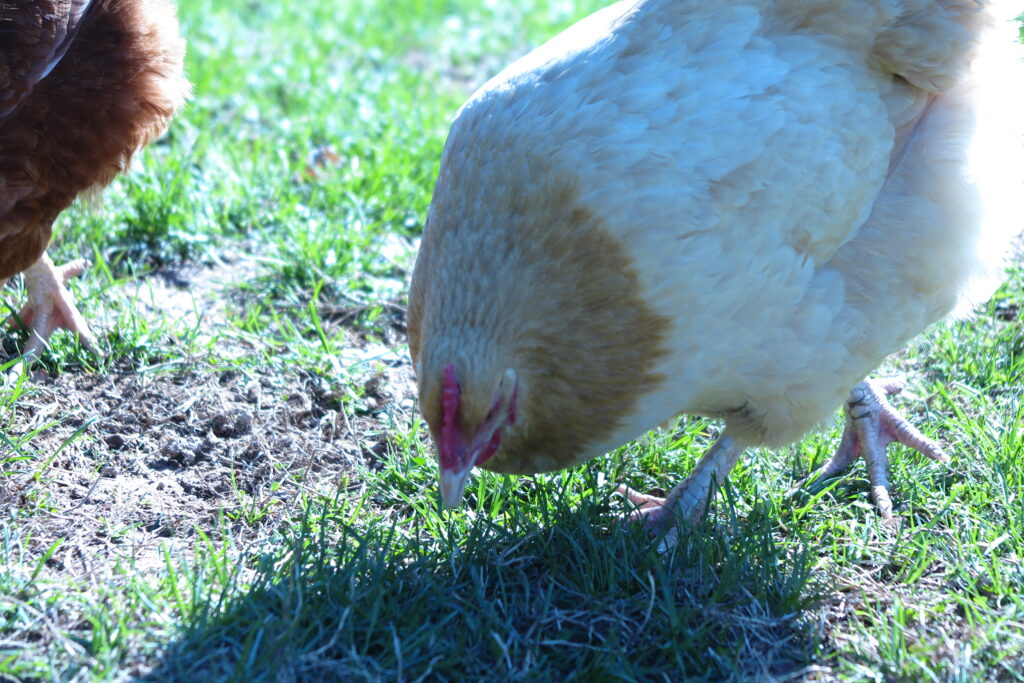
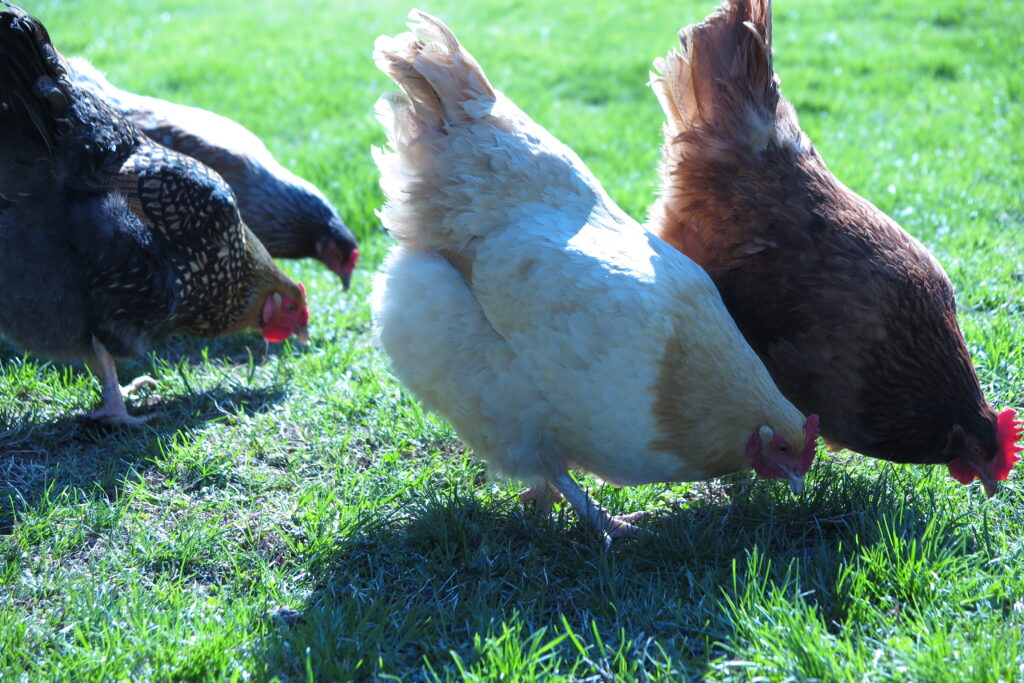
Several physical and genetic characteristics contribute to the Buff Orpington’s relatively long lifespan among domestic chicken breeds. One of the most important is the breed’s sturdy body structure, which was developed through selective breeding for balanced agricultural performance rather than extreme specialization. This broader genetic balance often supports greater long-term resilience.
Heavy feather coverage also plays a major role in survival and longevity. Buff Orpingtons possess dense insulating plumage that protects them from cold temperatures and harsh seasonal weather. In colder climates, this thick feathering can help reduce environmental stress and improve overall comfort during winter months.
The breed’s calm temperament may indirectly contribute to lifespan as well. Highly nervous or aggressive chickens often experience greater stress within flock environments, particularly in crowded conditions. Buff Orpingtons usually maintain a steadier and more relaxed demeanor, which can support more stable flock interactions and reduce unnecessary physical strain.
Compared to slimmer breeds such as White Leghorns, Buff Orpingtons appear far more robust and heavily built. Their broad bodies and deep feather layers resemble insulated farm birds designed for endurance rather than speed or rapid production cycles. This visual sturdiness reflects the breed’s long-standing reputation as a durable heritage chicken.
Genetics also influence individual longevity within the breed. Some family lines are known for maintaining stronger egg production, healthier feather condition, or improved winter hardiness over longer periods. Birds bred carefully from healthy stock often display better long-term physical stability than poorly managed or heavily inbred lines.
Another defining characteristic tied to lifespan is the breed’s adaptability to varied climates and farm systems. Buff Orpingtons tolerate cool temperatures, mixed flock environments, and moderate seasonal changes relatively well compared to more delicate poultry breeds. This environmental flexibility reduces some of the stressors that can shorten lifespan in less adaptable chickens.
Buff Orpington Lifespan and Its Role in Agricultural Systems
The relatively long lifespan of Buff Orpington chickens makes the breed especially valuable within traditional agricultural and homestead systems. Unlike commercial production birds often replaced after short productive periods, Buff Orpingtons are commonly kept for many years as stable members of backyard flocks. Their extended usefulness supports smaller-scale and more sustainable poultry management practices.
Long-lived hens contribute to ongoing egg production while also supporting natural flock reproduction through brooding and chick rearing. Even after peak laying years decline, older hens may still assist in maintaining social flock stability and incubation behavior. Their continued presence within the flock reduces the need for constant replacement birds.
Roosters also benefit from longer lifespan within heritage poultry systems. Mature Buff Orpington roosters help preserve desirable breed traits over multiple breeding seasons, contributing to the continuation of stable heritage bloodlines. Maintaining older breeding birds can strengthen genetic continuity within carefully managed flocks.
From an ecological perspective, longer-lived chickens help reduce turnover in small farming systems. Constant replacement of poultry requires additional resources, feed, transportation, and breeding pressure. Buff Orpingtons support a slower and more traditional agricultural rhythm that aligns closely with sustainable homestead practices.
The breed’s lifespan also contributes to educational and conservation efforts involving heritage poultry. Farms, agricultural exhibits, and educational homesteads often keep Buff Orpingtons because their long-term care allows visitors to observe multiple life stages over time. This visibility helps connect people to traditional poultry keeping and domestic animal stewardship.
Preserving heritage breeds with strong longevity traits remains important for maintaining domestic poultry diversity overall. As industrial agriculture increasingly prioritizes rapid production efficiency, breeds like the Buff Orpington continue representing a more balanced model of poultry development. Their extended lifespan reflects the value of durability, adaptability, and long-term sustainability within traditional farming systems.
Popular Searches About Buff Orpingtons
Explore Buff Orpington Guide
Explore More Domestic Animals

Support Encounters World
Help support wildlife photography and get behind the scenes discoveries on Patreon.