
Buff Orpington Chick Guide: Growth Stages, Appearance, and Development
Quick Facts
Location: Farms, hatcheries, backyard coops, and homesteads
Average Size: 1.5–2 inches at hatch
Lifespan: 6–10 years
Global Range: Domestic breed found worldwide
Conservation Status: Domesticated Breed
Notable Feature: Soft golden-yellow down that develops into buff-colored adult plumage
Introduction to Buff Orpington Chicks and Early Development
Buff Orpington chicks represent the earliest life stage of one of the world’s most recognizable heritage chicken breeds. Developed from the famous Buff Orpington lineage first established in England during the late nineteenth century, these chicks are now raised across farms, homesteads, hatcheries, and backyard flocks throughout many regions of the world. Their appealing appearance and steady growth have made them popular among both experienced poultry keepers and beginners.
Freshly hatched Buff Orpington chicks are remarkably different from the large, heavily feathered adults they eventually become. At hatch, they are covered in soft down rather than true feathers and possess a much lighter coloration than mature birds. Their small size and rounded shape create an appearance often compared to a moving ball of yellow fluff.
Across North America, Europe, Australia, and many other regions, Buff Orpington chicks are commonly raised as part of heritage poultry programs and backyard flock projects. Their popularity comes not only from their attractive adult appearance but also from the relatively predictable development they display during the first weeks of life. Poultry enthusiasts often find them especially rewarding to watch as their appearance changes rapidly over time.
The transition from hatchling to mature Buff Orpington is one of the most visually dramatic growth processes seen in domestic poultry. Within only a few months, a tiny chick weighing a few ounces develops into a substantial juvenile bird. This remarkable transformation highlights the breed’s unique combination of size, feather quality, and heritage characteristics that have made Buff Orpingtons famous worldwide.
Buff Orpington Chick Appearance and Growth Stage Overview
Buff Orpington chicks hatch with a soft covering of pale yellow or creamy golden down. This fluffy layer provides insulation during the first stage of life and creates the familiar appearance many people associate with newly hatched chickens. In bright light, the down often resembles freshly dried wheat or pale golden straw.
Most chicks are small enough to fit comfortably in the palm of a hand during their first days after hatching. Their bodies are compact and rounded, with short legs and tiny wings that are still developing beneath the down. Compared to adult birds, their proportions appear oversized in certain areas, particularly the eyes and feet.
As chicks enter their second and third weeks of development, the first true feathers begin emerging along the wings. These juvenile feathers often appear slightly darker than the surrounding down and create a patchwork appearance during the transition period. At this stage, Buff Orpington chicks can look somewhat uneven as fluffy down and developing feathers exist side by side.
Color variation among young chicks is usually subtle compared to the differences seen in some other chicken breeds. Most Buff Orpington chicks maintain shades of cream, pale gold, and light buff throughout early development. Some individuals display slightly darker feathering around the wings or back as juvenile plumage emerges.
By six to eight weeks of age, chicks begin taking on a more recognizable chicken shape. The body becomes longer, wing feathers expand significantly, and the fluffy hatchling appearance gradually disappears. Although still much smaller than adults, young birds begin showing the broad body structure associated with the Buff Orpington breed.
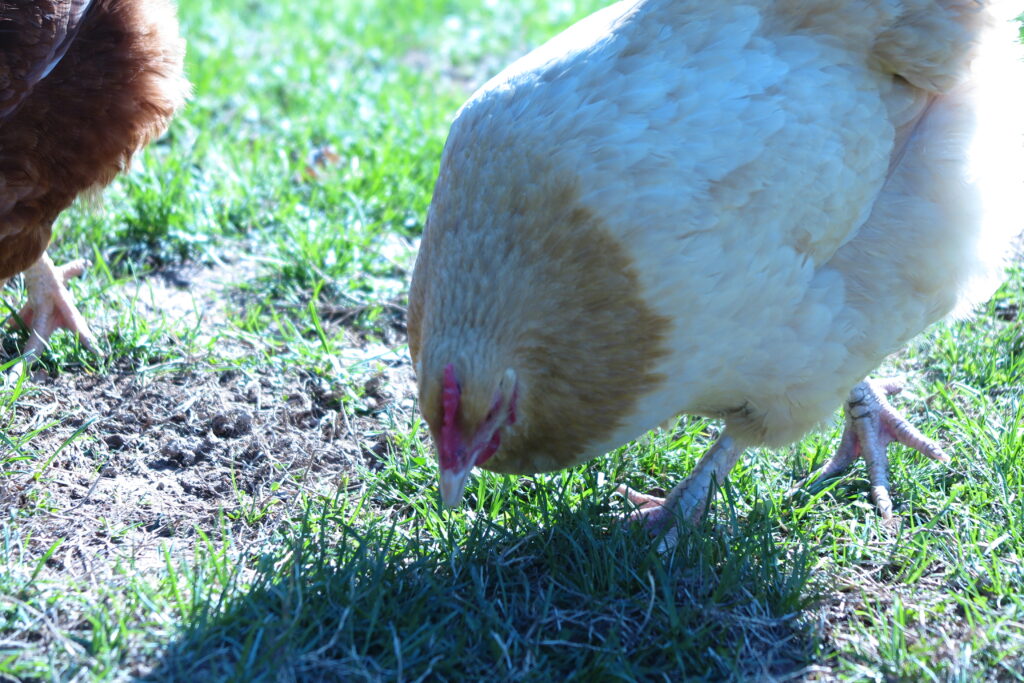
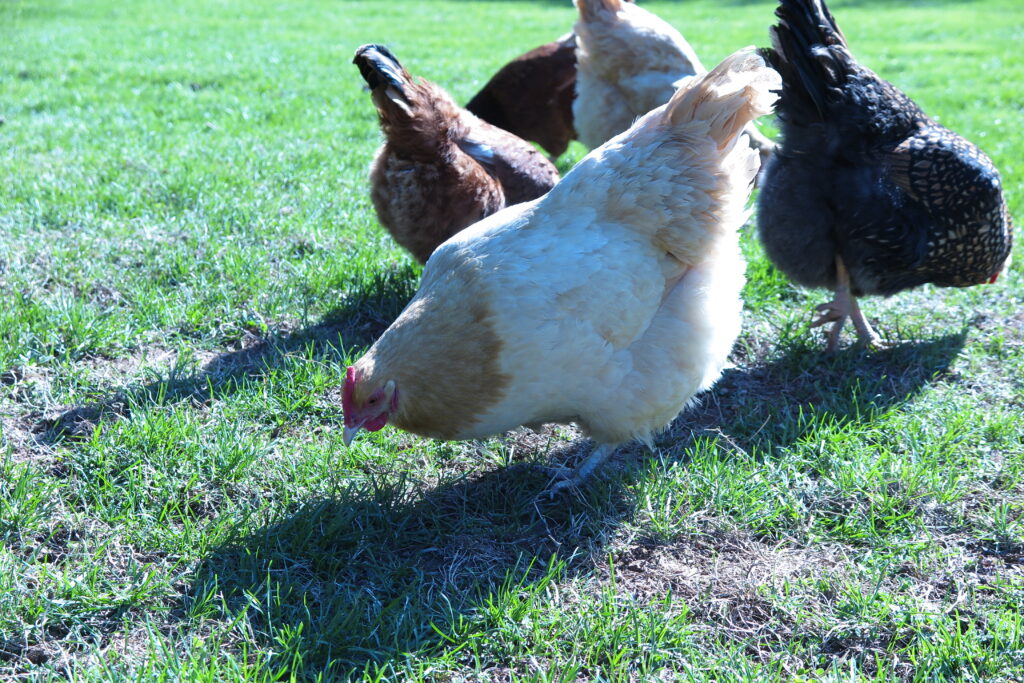
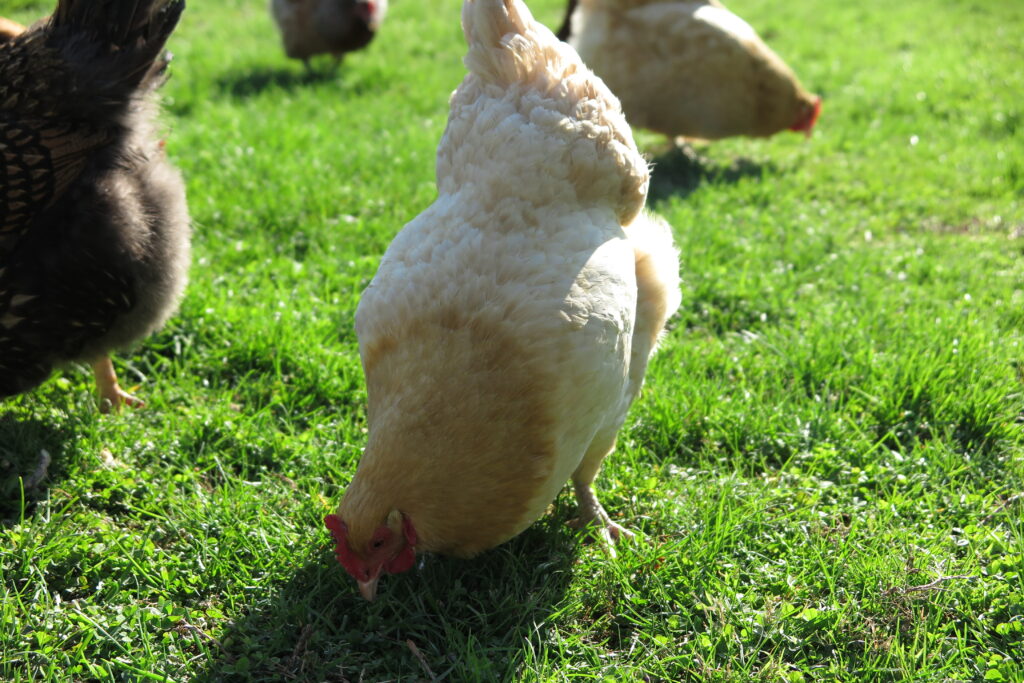
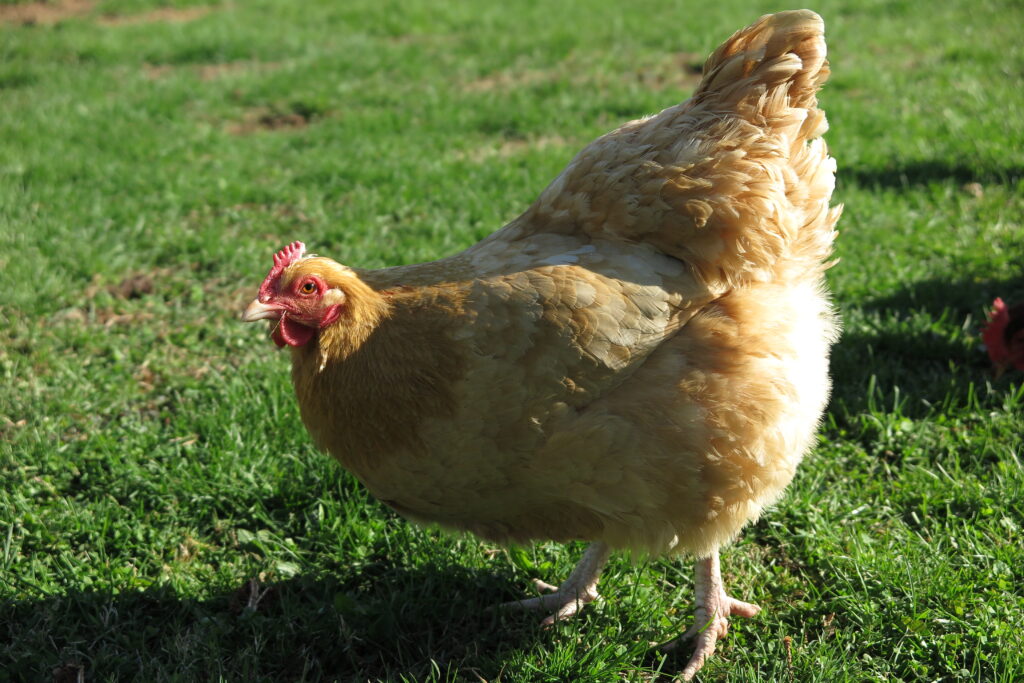
As growth continues through adolescence, the developing plumage gradually shifts toward the warm buff coloration characteristic of mature birds. What began as soft yellow down slowly transforms into the rich golden feathering that makes Buff Orpingtons one of the most visually distinctive heritage chicken breeds in the world.
Distinctive Characteristics of Buff Orpington Chicks
One of the defining characteristics of Buff Orpington chicks is their exceptionally soft and dense down. Compared to some leaner poultry breeds, the chicks often appear fuller and more rounded even during the earliest days of life. This fluffy appearance provides an early hint of the heavy feather coverage that will develop later in adulthood.
Their broad body shape becomes noticeable surprisingly early. While many young chickens appear narrow and lightweight, Buff Orpington chicks often display a wider chest and thicker overall build as they mature. This characteristic helps distinguish them from lighter breeds such as Leghorns, which generally develop a more slender frame.
The legs of Buff Orpington chicks are usually clean and free of feathering, displaying pale pink, cream, or light-colored tones. Their sturdy leg structure supports the rapid weight gain that occurs during juvenile growth. As birds mature, this solid foundation contributes to the breed’s reputation as a large and durable heritage chicken.
Another recognizable feature is the gradual development of the breed’s characteristic feather texture. Even during juvenile stages, emerging feathers tend to appear softer and fuller than those of many commercial poultry breeds. This quality eventually produces the thick, rounded appearance seen in mature Buff Orpingtons.
The chicks’ heads remain relatively small compared to their growing bodies, creating a balanced and compact appearance. Their beaks are short and sturdy, while their bright eyes contribute to an alert and healthy expression. Together, these features create the distinctive look that many poultry enthusiasts find especially appealing.
Compared to some ornamental breeds with unusual feather patterns or dramatic coloration, Buff Orpington chicks display a more understated beauty. Their appeal comes from uniformity, soft coloration, and steady physical development rather than striking markings. This simplicity is part of what has made the breed a favorite among heritage poultry keepers for generations.
Buff Orpington Chicks and Their Role in Agricultural Systems
Buff Orpington chicks represent the foundation of future generations within heritage poultry populations. Every mature Buff Orpington rooster and hen begins life as a small hatchling, making chicks an essential stage in maintaining the breed. Their successful development ensures the continuation of valuable genetic traits that have been preserved for more than a century.
Within agricultural systems, chicks contribute to the long-term sustainability of poultry flocks. Farmers and backyard poultry keepers often raise young birds to replace aging hens and breeding stock. This gradual transition helps maintain stable flock populations while preserving desirable characteristics such as size, feather quality, and adaptability.
Heritage breed chicks also play an important role in genetic conservation. Modern commercial poultry production often focuses on a limited number of specialized strains, while breeds like the Buff Orpington help preserve broader domestic chicken diversity. Raising and maintaining healthy chicks supports the continued existence of these traditional poultry lines.
Educational farms frequently use Buff Orpington chicks to teach visitors about animal life cycles and agricultural development. Watching a chick grow into a mature chicken provides a clear example of biological growth and domesticated livestock management. These experiences often help connect people to farming practices they might otherwise never observe firsthand.
The presence of healthy chicks also contributes to local and regional poultry breeding programs. Small farms and homesteads often exchange breeding stock to maintain strong genetic lines and reduce inbreeding risks. Chicks therefore become part of a larger network supporting sustainable poultry populations across different regions.
Although small and vulnerable during the earliest stages of life, Buff Orpington chicks represent the future of the breed. Their growth into productive adults supports agriculture, heritage breed conservation, and educational outreach. Through this role, each chick contributes to the continued success and preservation of one of the world’s most beloved domestic chicken breeds.
Popular Searches About Buff Orpingtons
Explore Buff Orpington Guide
Explore More Domestic Animals

Support Encounters World
Help support wildlife photography and get behind the scenes discoveries on Patreon.