Blue Jay Behavior Guide: Activity Patterns, Communication, and Survival Behaviors of Cyanocitta cristata
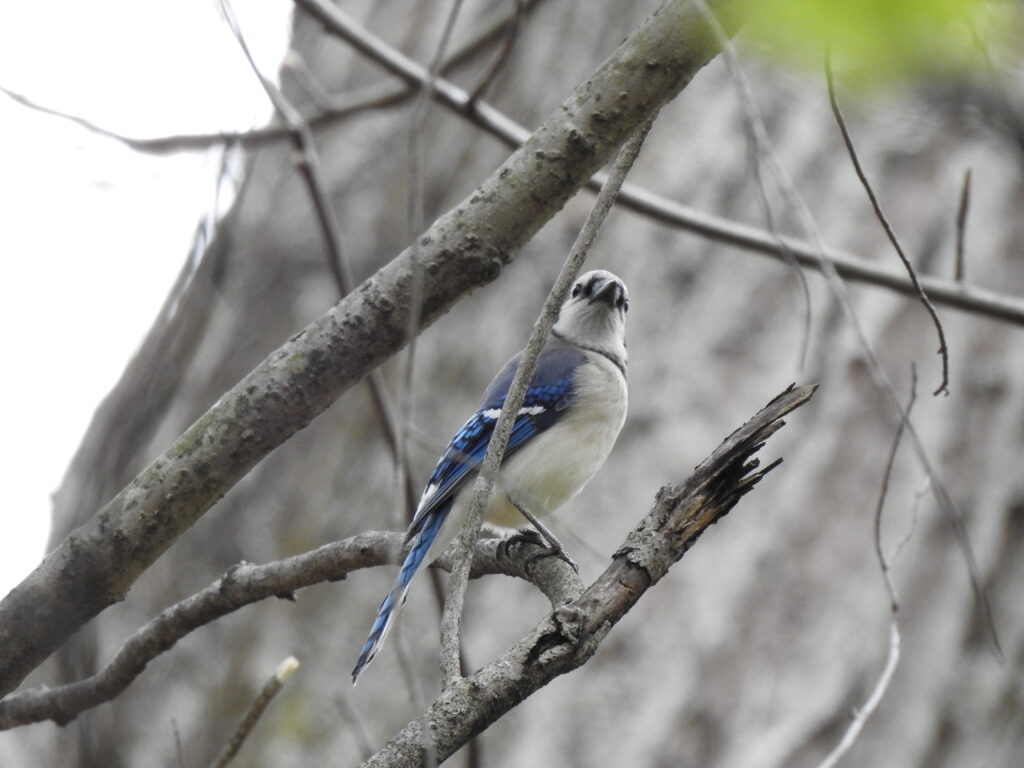
Quick Facts
Activity Type: Diurnal
Social Structure: Small family groups and loose flocks
Territorial Behavior: Defensive around nesting and feeding areas
Movement Style: Agile hopping, gliding, and direct flight
Communication Method: Loud vocal calls, body posture, and crest movement
Defense Strategy: Alarm calling, mobbing predators, and rapid escape flights
Introduction to Blue Jay Behavior in North American Woodlands
The Blue Jay is a highly active woodland bird known for its intelligence, awareness, and bold personality. Found throughout much of eastern and central North America, the species is commonly seen moving through forests, suburban parks, and tree-lined neighborhoods. Its loud calls and bright coloration often make it one of the easiest birds to notice in heavily wooded areas. Even brief encounters usually reveal a bird that appears alert and constantly attentive to nearby movement.
Across its range, Blue Jays occupy a wide variety of landscapes where mature trees are present. They may be seen perched high in canopies, crossing open spaces with steady wingbeats, or watching from branches overlooking clearings. Unlike quieter woodland birds that remain hidden for long periods, Blue Jays often announce their presence loudly. This visibility contributes to their reputation as one of the more expressive birds in North America.
The species displays behavior that feels both cautious and confident at the same time. A Blue Jay may approach an unfamiliar area curiously while still pausing repeatedly to scan its surroundings. Its posture frequently shifts between relaxed observation and sudden alertness depending on nearby activity. These rapid behavioral changes give the bird a sharp, reactive personality compared to calmer songbird species.
During observations in wooded environments, Blue Jays often appear to patrol sections of the forest while monitoring activity around them. Their movements through the trees can feel purposeful rather than random, as though they are continuously evaluating the environment. Loud calls echoing through the canopy frequently reveal their location before the bird itself becomes visible. This combination of vocal presence and active movement makes the species stand out strongly within mixed bird communities.
General Blue Jay Behavioral Tendencies and Awareness
The overall behavior of the Blue Jay is energetic, observant, and highly responsive to environmental changes. Even while perched quietly, the bird often turns its head frequently and reacts quickly to distant sounds or motion. Compared to more passive woodland birds, Blue Jays behave almost like sentries watching over the forest canopy. Their awareness level can resemble that of squirrels constantly checking for danger while moving through trees.
When undisturbed, Blue Jays spend much of their time observing from elevated branches or shifting between nearby perches. They rarely appear completely motionless for long periods. Small adjustments of the crest, tail, or body posture occur constantly as the bird remains engaged with its surroundings. This restless but controlled activity gives the species an alert and intelligent appearance.
Blue Jays also display strong adaptability in their behavior depending on the environment around them. In quiet forests, they may remain more cautious and reserved, while birds living near suburban neighborhoods often appear bolder around people. Some individuals become comfortable using feeders, fences, or rooftops as regular observation points. This flexibility has helped the species remain widespread across both natural and developed landscapes.
Another defining aspect of Blue Jay behavior is vocal expression. Their calls range from harsh warning sounds to softer whistles and varied vocalizations. A single bird may produce several completely different sounds within a short period of time. This constant communication contributes to the impression that Blue Jays are socially aware and highly connected to activity occurring around them.
Blue Jay Movement Patterns and Daily Activity Cycles
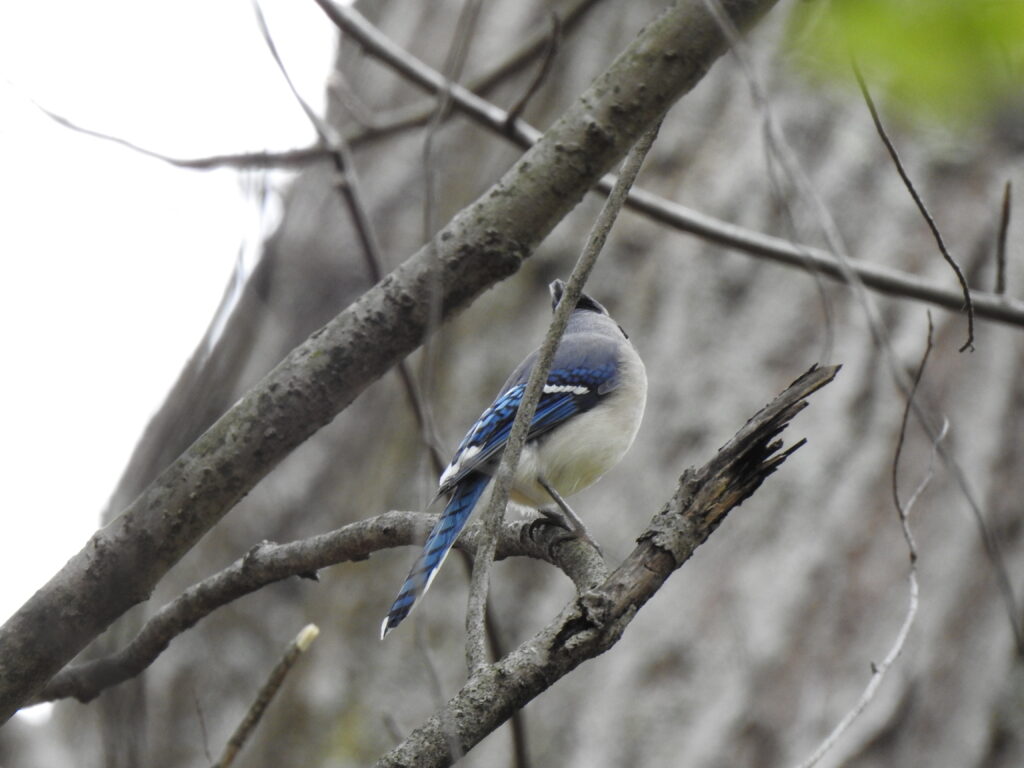
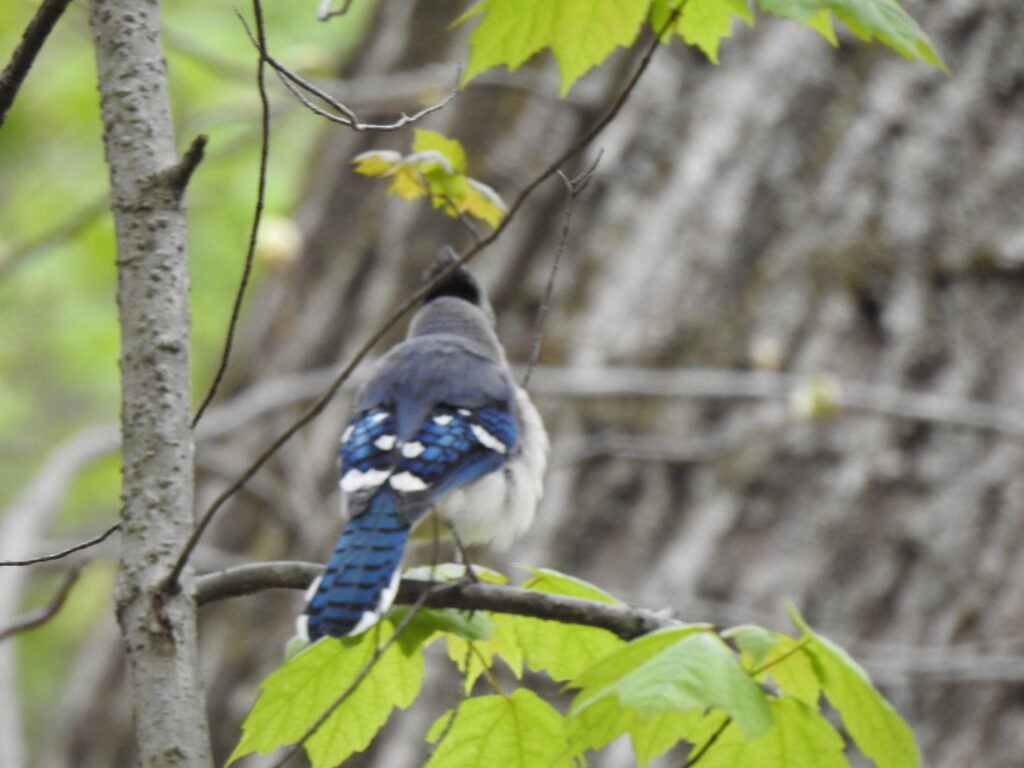
The Blue Jay is active primarily during daylight hours, with most movement occurring from early morning through late afternoon. Activity usually increases shortly after sunrise as birds begin moving through trees and scanning open spaces. During cooler parts of the day, Blue Jays often travel frequently between branches while vocalizing loudly. Midday activity may slow slightly during periods of intense heat before increasing again later in the afternoon.
In motion, Blue Jays combine quick hops, short glides, and direct flight patterns. Their movement through branches appears agile and controlled, allowing them to navigate dense tree cover efficiently. When flying across open areas, they use steady wingbeats followed by brief gliding periods that create a smooth but powerful motion. Compared to the fluttering flight of smaller birds like sparrows, Blue Jay movement feels heavier and more deliberate.
Seasonal changes also influence activity patterns. During colder months, Blue Jays often appear more focused on conserving energy while still remaining alert. Winter birds may spend longer periods perched quietly before making short, purposeful flights between trees. In warmer seasons, movement becomes more frequent and energetic, especially during periods associated with nesting and increased territorial activity.
Their physical movement often resembles the cautious pacing of an animal surveying unfamiliar territory. A Blue Jay may land briefly on one branch, pause to scan in several directions, then quickly move again moments later. This repeated pattern creates the impression of a bird constantly gathering information about its environment. Even while feeding or resting, sudden movement nearby can trigger immediate repositioning or flight.
Blue Jay Interaction, Communication, and Survival Responses
The Blue Jay relies heavily on awareness, vocal communication, and quick reactions to survive in the wild. One of its most recognizable defensive behaviors involves loud alarm calls directed toward potential threats. These calls can spread rapidly through wooded areas and often alert other nearby animals as well. In many forests, Blue Jays act almost like early warning systems because of how quickly they react to disturbance.
When confronted by danger, Blue Jays commonly retreat into dense branches while continuing to vocalize loudly. They may also engage in mobbing behavior, where multiple birds gather around a predator while calling aggressively. Hawks, owls, snakes, and mammals may all trigger these defensive responses depending on the situation. This coordinated reaction helps reduce surprise attacks and increases awareness among surrounding birds.
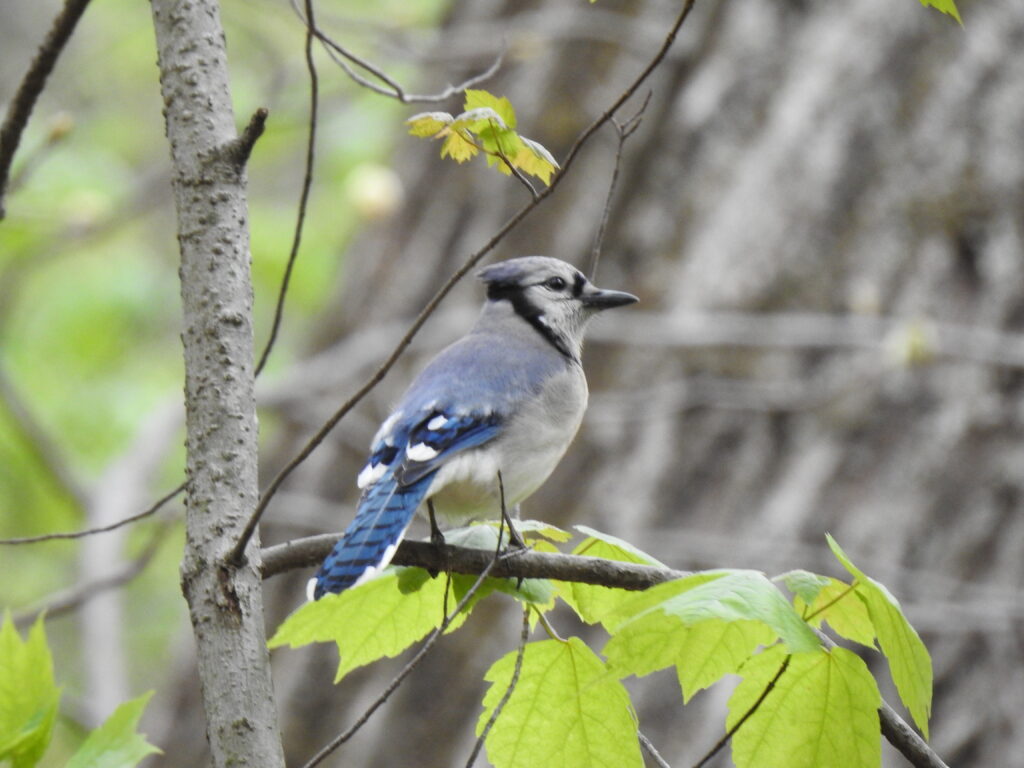
Social interaction between Blue Jays ranges from cooperative communication to territorial disputes. Birds may tolerate one another in loose groups during certain times of year while becoming highly defensive near nesting areas. Crest position, posture, and vocal intensity all appear to play roles in communication between individuals. A raised crest combined with direct body orientation often signals heightened alertness or agitation.
Survival instincts in Blue Jays are strongly tied to rapid decision-making and environmental awareness. A bird perched calmly one moment may instantly launch into fast flight after detecting sudden motion nearby. In some cases, Blue Jays have even been observed imitating the calls of hawks, potentially creating confusion among surrounding animals. These complex behaviors demonstrate a level of adaptability and intelligence that helps the species remain successful across a wide range of habitats and changing environmental conditions.
Popular Searches About Blue Jay
Explore Blue Jay Guide
Explore More Wildlife

Support Encounters World
Help support wildlife photography and get behind the scenes discoveries on Patreon.