Northern Cardinal Facts Guide: Interesting Facts and Identification Details

Quick Facts
Average Size: 8–9 inches long
Average Lifespan: 3–15 years
Global Range: Eastern and central North America
Conservation Status: Least Concern
Primary Coloration: Bright red males and warm brown females
Notable Feature: One of the few North American songbirds where both males and females sing
Introduction to Northern Cardinal Facts and Identification
The Northern Cardinal is one of the most recognizable and widespread songbirds in North America, known for its brilliant coloration, melodic whistles, and year-round visibility. Found throughout forests, suburban neighborhoods, parks, woodland edges, and backyard feeding areas, the species has become deeply connected to eastern North American birdlife. Its bright appearance and bold crest make it one of the easiest birds for beginners to identify.
Northern Cardinals are especially common across the eastern and central United States, where they remain active throughout all seasons instead of migrating long distances. Their ability to survive through snowy winters, humid summers, and rapidly changing seasonal conditions has helped them adapt successfully to both natural and human-shaped environments. Even in heavily suburban areas, cardinals remain among the most visible backyard birds.
One reason the species attracts so much attention is the dramatic contrast between male and female coloration. Males display vivid scarlet-red plumage, while females possess softer brown and tan tones accented by muted red highlights. Together, the pair creates one of the most visually recognizable bird combinations in North America.
Northern Cardinals are also strongly connected to culture, symbolism, and seasonal imagery. Their bright red feathers against winter snow have made them iconic birds in photography, artwork, greeting cards, and wildlife calendars. Beyond appearance alone, however, the species possesses many fascinating characteristics that contribute to its popularity and ecological importance.
Northern Cardinal Appearance Facts and Visual Identification
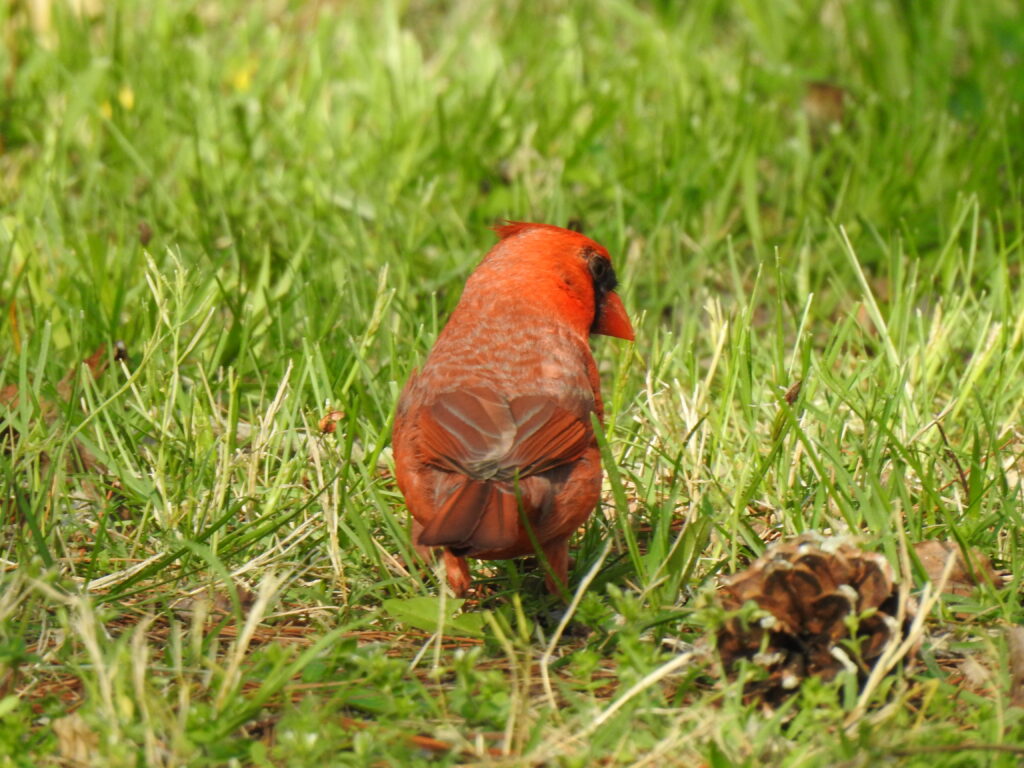
One of the most well-known facts about Northern Cardinals is the striking difference between males and females. Male cardinals are covered in brilliant red plumage with a contrasting black facial mask surrounding the beak. Females appear more softly colored, displaying warm brown and tan feathers with subtle reddish accents on the wings, tail, and crest.
Both sexes possess thick orange-red beaks shaped like strong triangular cones. These powerful beaks allow cardinals to crack seeds efficiently while also contributing heavily to their recognizable facial structure. Even young cardinals can often be identified by their sturdy beak shape before adult coloration fully develops.
The species also possesses a tall pointed crest that changes position depending on alertness and mood. When excited or cautious, the crest stands sharply upright, giving the bird a dramatic profile. Relaxed birds may flatten the crest backward against the head, creating a smoother silhouette.
Northern Cardinals typically grow between 8 and 9 inches long, making them slightly larger than many common backyard songbirds. In size comparison, they are roughly similar in length to a human hand from wrist to fingertips. Their long tails and sturdy bodies give them a balanced and elegant appearance.
Compared to the House Finch, Northern Cardinals appear larger, more heavily built, and far more boldly crested. House Finches possess slimmer beaks and softer body structure, while cardinals display stronger facial features and more vivid coloration.
Juvenile Northern Cardinals also look surprisingly different from adults during early development stages. Young birds usually possess gray-brown plumage and dark beaks before gradually transitioning into adult coloration. This developmental change often causes confusion for beginner birdwatchers trying to identify fledglings.
Another interesting fact is that cardinal feathers may appear brighter or darker depending on lighting conditions. Early morning sunlight often intensifies the rich red coloration of males, while shaded environments create deeper crimson tones. This shifting appearance contributes to the species’ visual appeal in natural settings.

General Northern Cardinal Facts and Unique Characteristics
Northern Cardinals are one of the few North American songbirds where both males and females sing. While male songs are often louder and more frequent, females also produce clear whistles and repeated phrases used for communication. This shared vocal ability is relatively uncommon among many backyard bird species.
The species is also highly territorial throughout much of the year. Cardinals frequently defend feeding areas and nesting territory through vocal displays and visible posturing rather than direct physical conflict. Males may even react aggressively toward their own reflections during breeding season because they mistake the reflection for a rival bird.
Unlike migratory birds that travel long distances seasonally, Northern Cardinals remain within relatively stable territories year-round. Their constant visibility through winter has helped make them one of the most familiar birds across snowy northern landscapes. Seeing a bright red cardinal perched on snow-covered branches is considered iconic throughout much of North America.
Northern Cardinals are also surprisingly adaptable to human presence. They thrive not only in forests but also in suburban neighborhoods, parks, gardens, and backyard feeding stations. Dense shrubs and trees often provide enough cover for cardinals to remain comfortable even in developed environments.
Compared to the Blue Jay, Northern Cardinals generally appear calmer and quieter in overall behavior. Blue Jays often dominate areas through loud calls and energetic movement, while cardinals project a more steady and composed presence within vegetation.
Another fascinating characteristic is the species’ strong pair bonding behavior. Male and female cardinals are often seen feeding together or moving closely through the same territory. Their visible pairing contributes heavily to cultural symbolism associated with loyalty and companionship.
Northern Cardinals also possess remarkable vocal clarity. Their whistles carry cleanly through forests and neighborhoods, especially during calm early mornings. Birdwatchers commonly describe cardinal songs as sounding almost flute-like because of their smooth repeated phrases.
Northern Cardinals and Their Ecological Importance
Northern Cardinals play an important role within eastern North American ecosystems through seed dispersal, insect consumption, and participation in local food webs. As they move between shrubs, trees, and feeding areas, they help distribute plant seeds throughout their environment. This natural seed movement contributes to vegetation growth and ecological diversity.
The species also helps regulate insect populations during warmer seasons. Although seeds form a major part of their feeding habits, cardinals consume insects and other small invertebrates as well. This feeding activity contributes to ecological balance across forests, suburban habitats, and woodland edges.
Northern Cardinals additionally serve as prey for larger predators including hawks, owls, snakes, raccoons, and mammals. Their presence supports broader predator-prey relationships while helping transfer energy throughout ecosystems. Even common backyard birds play essential roles within natural food webs.
Because Northern Cardinals remain active throughout winter, they contribute ecological continuity during seasons when many migratory birds are absent. Their year-round feeding, movement, and vocal activity help maintain stable bird communities throughout changing environmental conditions.
The species also influences human appreciation for wildlife more strongly than many other birds. Their bright coloration and frequent backyard appearances encourage interest in birdwatching, conservation, and native landscaping. For many people, Northern Cardinals are among the first wild birds they learn to identify confidently.
Dense shrubs and natural vegetation are especially important for supporting healthy cardinal populations. These environments provide shelter, nesting cover, and safe movement corridors throughout the year. Habitat preservation directly affects the long-term success of local populations.
Northern Cardinals have also become deeply tied to seasonal and cultural imagery throughout North America. Winter scenes featuring cardinals are widely associated with warmth, hope, and natural beauty during colder months. Their symbolic presence extends far beyond simple wildlife observation.
Through seed dispersal, insect control, predator-prey interaction, and strong cultural connection, Northern Cardinals remain one of the most ecologically and socially important songbirds in eastern North America. Their adaptability, beauty, and constant visibility continue making them one of the most beloved birds across forests, neighborhoods, and backyard landscapes.

Popular Searches About Northern Cardinals
Explore Northern Cardinal Guide
Explore More Wildlife

Support Encounters World
Help support wildlife photography and get behind the scenes discoveries on Patreon.