
Blacklet Fly Behavior Guide: Activity Patterns, Movement, and Survival Strategies

Quick Facts
Activity Type: Primarily Diurnal
Social Structure: Mostly Solitary
Territorial Behavior: Limited Territorial Tendencies
Movement Style: Quick Flights with Frequent Stops
Communication Method: Visual Cues and Chemical Signals
Defense Strategy: Rapid Escape and Concealment
Blacklet Fly Daily Activity and Natural Behavior Overview
Blacklet flies belong to the diverse Heleomyzidae family, a group of insects found across much of the world. They can be encountered in North America, Europe, Asia, South America, Africa, and Oceania, occupying a wide variety of landscapes. Although small and often overlooked, these flies are active participants in many natural communities.
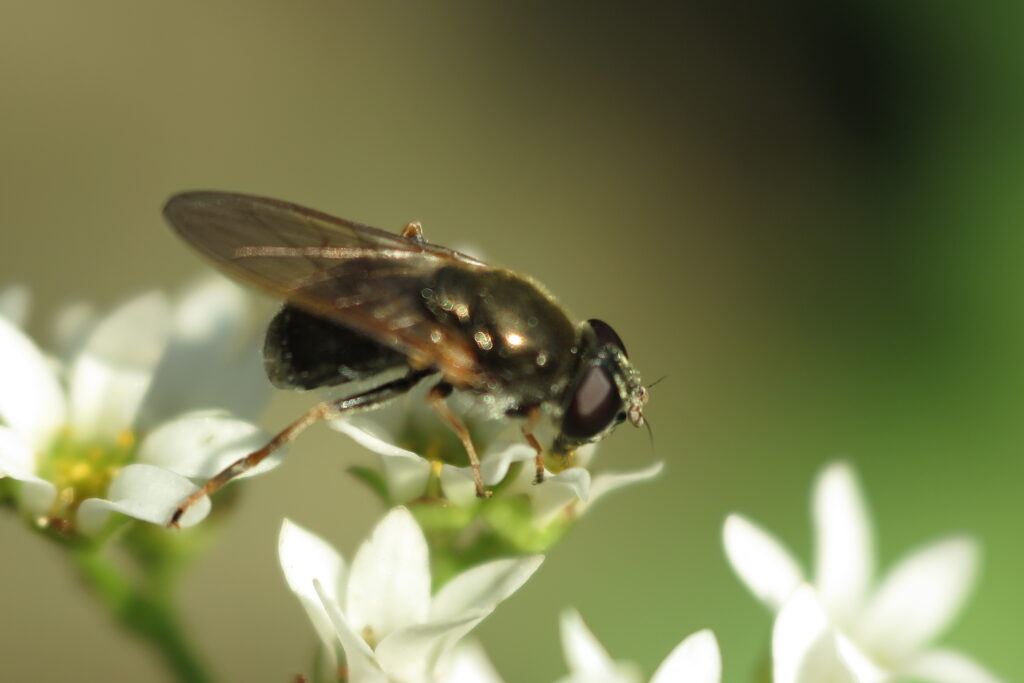
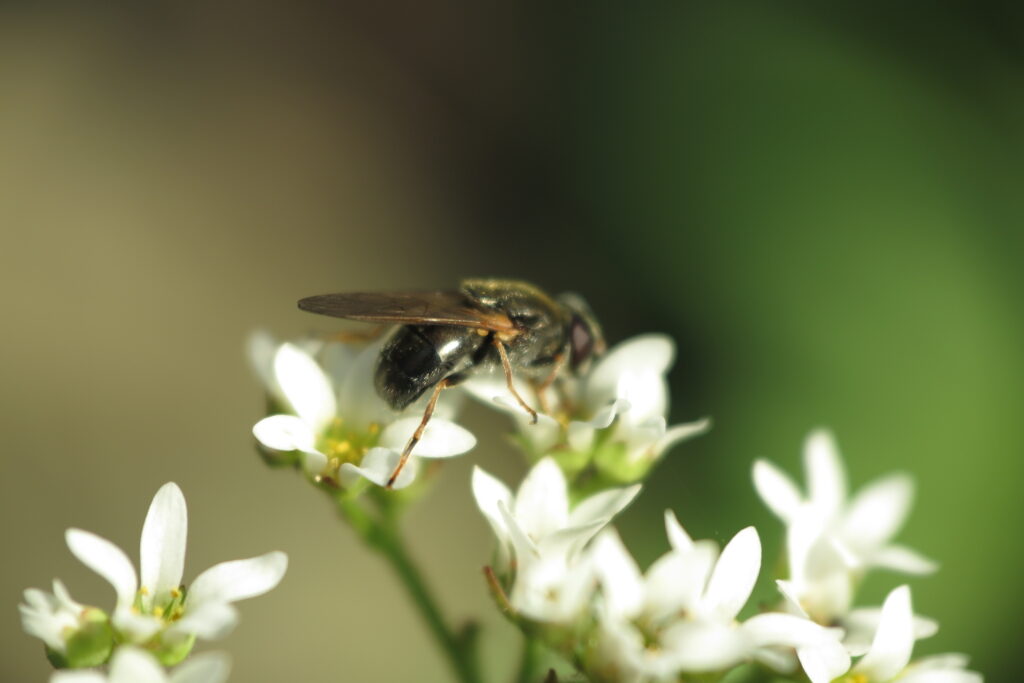
A casual observer may notice a blacklet fly resting briefly on a flower, leaf, or stem before disappearing from view moments later. Their presence often goes unnoticed because of their modest size and dark coloration. Unlike brightly colored butterflies or highly visible dragonflies, blacklet flies blend quietly into their surroundings.
Throughout their global range, members of this family appear in locations ranging from woodland edges to open meadows and cultivated gardens. Their ability to occur in many different regions demonstrates a flexible lifestyle that has helped the group persist across diverse climates. This adaptability contributes to their success in both natural and human-influenced environments.
When viewed closely, blacklet flies often create the impression of constant awareness. Even while resting, they appear prepared to react to changes nearby. This alert nature becomes one of the most recognizable aspects of their behavior and serves as the foundation for many of their daily activities.
Blacklet Fly Behavioral Tendencies and Environmental Awareness
Blacklet flies are generally active and responsive insects that spend much of their time investigating their surroundings. Rather than remaining stationary for extended periods, they frequently change positions and explore nearby surfaces. This creates an impression of continuous engagement with the environment.
When undisturbed, a blacklet fly may pause briefly before shifting to another perch or taking flight. These pauses are often short and appear purposeful rather than idle. The insect seems to evaluate nearby conditions before making its next movement, giving it an observant and deliberate character.
Compared to a housefly darting unpredictably around a room, a blacklet fly often appears more measured and controlled. Its actions can resemble a person walking through a crowded market, periodically stopping to inspect different points of interest before continuing onward. This balance between movement and observation is a defining feature of the family.
Environmental conditions influence how active these flies appear. Warm temperatures and favorable weather frequently encourage greater levels of visible activity, while cooler or unfavorable conditions may reduce movement. Their behavior demonstrates flexibility rather than strict dependence on a narrow set of circumstances.
Adaptability is one of the family’s strongest behavioral traits. Individuals can adjust their activity levels and routines based on changing conditions without dramatic shifts in their overall lifestyle. This ability allows blacklet flies to function successfully across a broad geographic range.
Another notable tendency is their apparent sensitivity to disturbances. Nearby motion, shadows, or vibrations often trigger a quick response. Rather than waiting to determine whether a threat is real, many individuals react immediately and prioritize caution.
Despite this alertness, blacklet flies are not aggressive insects. They generally avoid conflict whenever possible and rely on awareness rather than confrontation. Their behavioral strategy emphasizes avoidance, efficiency, and rapid decision-making.
The overall result is an insect that appears busy without seeming frantic. Whether resting, exploring, or changing locations, blacklet flies display a steady rhythm of activity that reflects their highly adaptable nature.

Blacklet Fly Movement Patterns and Activity Cycles
Movement is one of the easiest aspects of blacklet fly behavior to observe. These insects combine short flights with frequent landings, creating a pattern of motion that appears both efficient and purposeful. Rather than traveling continuously for long distances, they often move in a series of brief transitions.
Most blacklet flies are primarily active during daylight hours. Activity tends to increase after temperatures rise during the morning and often remains elevated throughout the day. Bright conditions allow them to navigate effectively and respond quickly to environmental changes.
Their flight style is typically quick and direct. A blacklet fly may launch from a flower, travel several feet, and settle again within seconds. The motion can resemble a tossed piece of paper briefly caught in a light breeze before landing elsewhere.
While airborne, individuals frequently make sudden directional changes. These adjustments allow them to react rapidly to obstacles, disturbances, or opportunities. The resulting flight path may appear erratic from a distance, although it often reflects precise control.
Periods of rest are usually brief. Even when stationary, a blacklet fly often remains poised for immediate movement. This readiness conserves valuable time while maintaining the ability to respond quickly when conditions change.
Seasonal shifts also influence activity patterns. In temperate regions, movement becomes more noticeable during warmer months when environmental conditions are favorable. Cooler seasons generally bring reduced activity as insect populations decline or enter less active stages of their life cycle.
Energy conservation plays an important role in daily movement. Instead of remaining airborne continuously, blacklet flies alternate between active flight and resting periods. This strategy allows them to remain effective throughout the day without unnecessary energy expenditure.
To many observers, their movement resembles someone rapidly moving between appointments while making brief stops along the way. The combination of short flights, quick landings, and constant repositioning creates a distinctive activity pattern that separates blacklet flies from slower-moving insects.
Blacklet Fly Interaction and Survival Responses
Blacklet flies are primarily solitary insects and are most often encountered alone rather than in organized groups. While multiple individuals may occupy the same general area, they typically operate independently. Their interactions with others are usually brief and practical rather than social.
When another fly enters nearby space, responses vary depending on the situation. Some individuals simply relocate, while others remain in place if no immediate conflict exists. These interactions are generally subtle and short-lived.
Rapid escape serves as the family’s primary defense strategy. If approached suddenly by a predator or large animal, a blacklet fly often takes flight almost instantly. This reaction occurs so quickly that the insect may disappear before an observer realizes it has moved.
A common survival response involves abandoning a perch at the first sign of danger. For example, a nearby hand movement, passing shadow, or sudden vibration may trigger immediate flight. This instinct reduces the risk of remaining exposed to potential threats.
Their dark coloration may also provide an additional layer of protection. When resting against stems, bark, or shaded vegetation, blacklet flies can become surprisingly difficult to detect. Remaining unnoticed often serves as an effective defense before escape becomes necessary.
Interactions with predators are largely based on avoidance rather than confrontation. Unlike insects equipped with stingers, strong mandibles, or chemical defenses, blacklet flies depend primarily on speed and awareness. Their success comes from preventing encounters rather than winning them.
Communication within the family is believed to involve a combination of visual recognition and chemical cues. Although less obvious than the communication systems of ants or bees, these signals help individuals navigate interactions related to reproduction and species recognition.
The survival strategy of a blacklet fly can be summarized in three principles: stay alert, react quickly, and avoid unnecessary risks. Through rapid responses, efficient movement, and constant environmental awareness, these small insects have successfully persisted across diverse habitats around the world for millions of years.
Popular Searches About Blacklet Flies
Explore Blacklet Fly Guide
Explore More Wildlife

Support Encounters World
Help support wildlife photography and get behind the scenes discoveries on Patreon.