
Blacklet Fly Habitat Guide: Range, Environmental Conditions, and Preferred Ecosystems
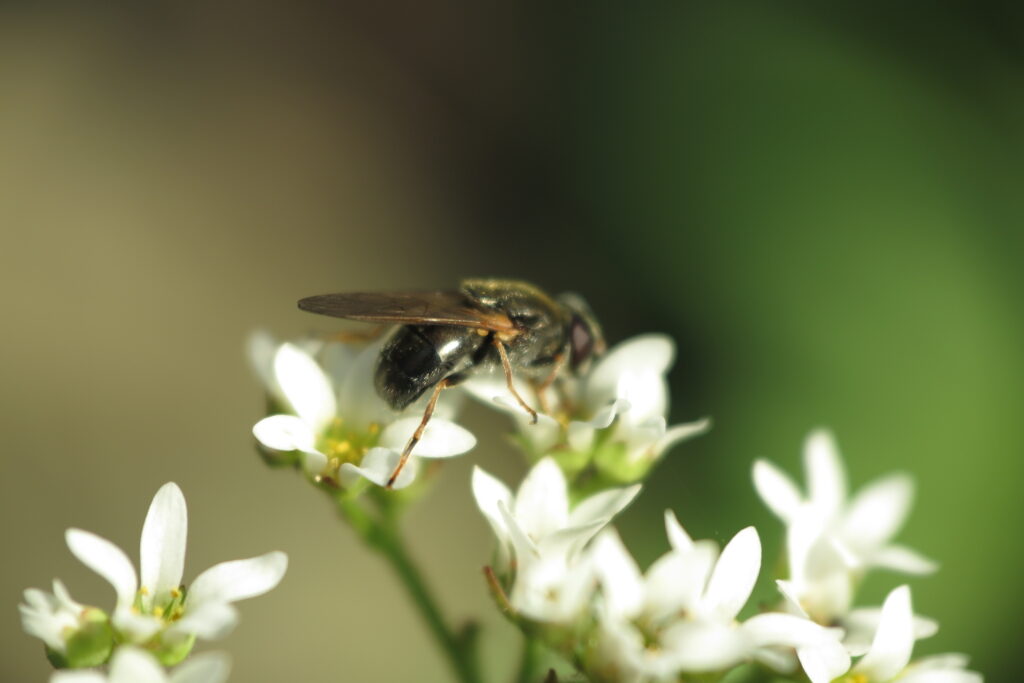
Quick Facts
Primary Habitat: Woodland Edges and Mixed Vegetation Areas
Secondary Habitat: Meadows, Wetlands, Gardens, and Agricultural Landscapes
Climate Preference: Temperate to Mild Tropical Regions
Environment Type: Terrestrial Vegetated Ecosystems
Elevation Range: Sea Level to Over 8,000 Feet (2,400 m), depending on species
Geographic Distribution: North America, Europe, Asia, South America, Africa, and Oceania
Blacklet Fly Range and Environmental Distribution
Blacklet flies belong to the insect family Heleomyzidae, a widespread group of flies found throughout much of the world. Their broad geographic distribution has allowed them to establish populations across multiple continents and climate zones. Although many people rarely notice them, they are present in numerous landscapes where vegetation and organic material support diverse insect communities.
From northern temperate regions to warmer southern environments, members of this family occupy a remarkable variety of locations. Different species have adapted to local conditions while maintaining the core characteristics that define the group. This flexibility has contributed to the long-term success of the family across widely separated regions.
A naturalist exploring fields, forests, parks, or wetland margins may encounter blacklet flies without realizing it. Their dark coloration and small size help them blend into the background, making them less obvious than brightly colored insects. Despite this subtle appearance, they remain a regular component of many ecosystems.
The family’s global reach reflects an ability to function in changing environmental conditions. While some insect groups are restricted to narrow geographic zones, blacklet flies occur across a much wider area. Their distribution demonstrates a level of ecological versatility that allows them to persist in landscapes ranging from highly natural to partially developed.
Blacklet Fly Habitat Overview Across Global Landscapes
Blacklet flies are associated with a broad range of environmental settings rather than a single specialized habitat. Across their global range, they are most often found in areas where vegetation, moisture, and natural biological processes occur together. This allows them to occupy many different landscapes without being limited to one particular ecosystem.
Many species thrive in transitional environments where different habitat types meet. Areas that combine open spaces with vegetation often provide favorable conditions. These mixed landscapes create diverse microenvironments that support numerous insect species, including members of the Heleomyzidae family.
Compared with some insects that require highly specific environmental conditions, blacklet flies display greater adaptability. Certain fly families may be closely tied to only wetlands, forests, or grasslands, whereas blacklet flies frequently occur across multiple landscape categories. This broader ecological tolerance contributes to their widespread distribution.
Their presence is often linked to environments that contain a combination of plant growth, natural decomposition processes, and sheltered locations. These conditions can occur in both wild and human-influenced areas. As a result, blacklet flies are capable of occupying locations that vary considerably in appearance and structure.
Geographic distribution is equally impressive. Species occur throughout large portions of North America and Europe while also extending into parts of Asia, South America, Africa, and Oceania. Few casual observers realize that such a small insect family maintains a nearly worldwide presence.
Although adaptable, blacklet flies are not found equally in every landscape. Local conditions influence abundance, and some regions support larger populations than others. Even so, their ability to utilize multiple environment types makes them more flexible than many insects of similar size.
In broad terms, blacklet flies can be viewed as habitat generalists. Rather than relying on one narrow environmental niche, they occupy a wide collection of suitable landscapes. This adaptability has helped ensure the family’s continued success across numerous ecosystems.
The result is an insect group capable of appearing in settings that range from highly natural environments to locations shaped by human activity. Such flexibility remains one of the defining characteristics of the family.
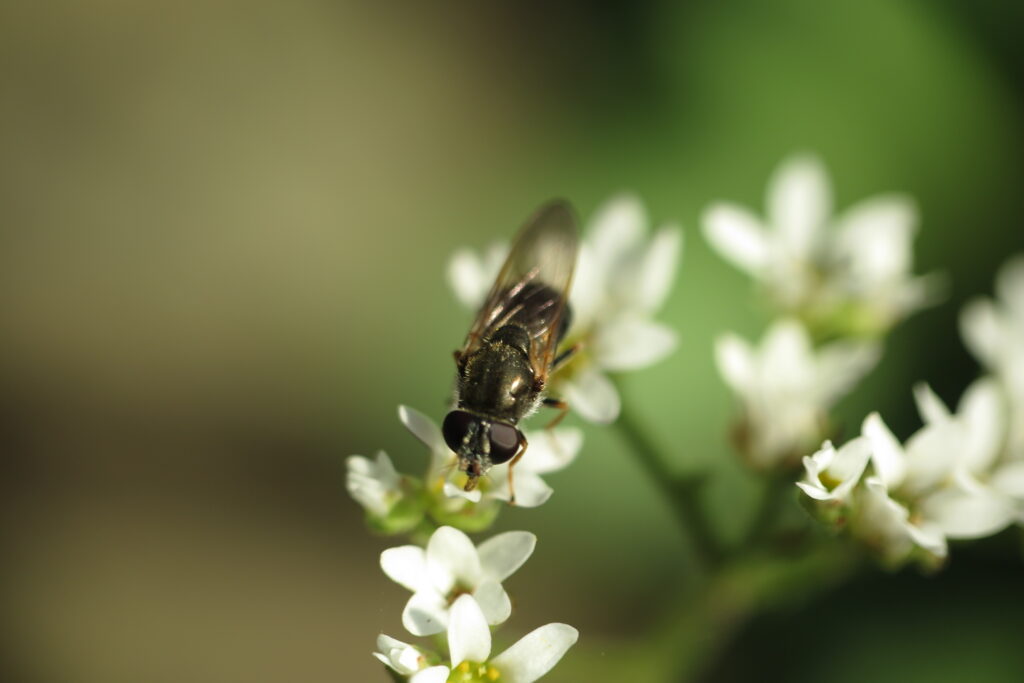

Blacklet Fly Habitat Types and Preferred Ecosystems
Woodland environments represent one of the most common habitat categories occupied by blacklet flies. Forest edges, clearings, and partially shaded areas frequently support populations of these insects. These locations often provide a mixture of vegetation, shelter, and environmental diversity that benefits many small fly species.
Open meadows and grass-dominated landscapes also support blacklet fly populations. Areas containing flowering plants, scattered shrubs, and varied vegetation structure create opportunities for insects to occupy different levels of the habitat. Such locations often contain numerous microhabitats within a relatively small area.
Wetland environments provide another important habitat category. Marshes, wet meadows, stream margins, and seasonally damp areas frequently support insect communities that include members of Heleomyzidae. Moist conditions and abundant plant growth contribute to the ecological complexity found in these landscapes.
Agricultural settings can also serve as suitable habitat. Field margins, hedgerows, drainage areas, and unmanaged vegetation strips often provide conditions that support blacklet flies. These features create small natural refuges within landscapes otherwise dominated by human land use.
Gardens, parks, and suburban green spaces represent additional habitat opportunities. Although altered by human activity, these environments often contain a mixture of vegetation types and sheltered locations. Blacklet flies may occur in these areas alongside a wide variety of other insects.
Variation exists even within a single habitat category. For example, blacklet flies are often more common along woodland edges than deep within dense forest interiors. Transitional zones frequently provide greater environmental diversity and resource availability than more uniform habitats.
Riparian corridors also support many insect species, including blacklet flies. Vegetated areas bordering streams and rivers create natural movement corridors and maintain favorable moisture levels. These environments often contain a rich mixture of plant species and structural complexity.
Taken together, these habitat categories illustrate the family’s ecological flexibility. Blacklet flies are capable of occupying forests, grasslands, wetlands, agricultural landscapes, and developed green spaces while maintaining a consistent presence across each environment type.
Environmental Conditions Supporting Blacklet Fly Populations
Blacklet flies are most commonly associated with regions that provide moderate environmental stability and sufficient biological productivity. Temperature, moisture, vegetation structure, and seasonal conditions all influence where populations are able to persist. The interaction of these factors helps determine habitat suitability across the family’s range.
Temperate climates support many species within the family. Areas characterized by warm summers, cool winters, and distinct seasonal transitions often contain favorable conditions. These regions provide changing environmental conditions that many blacklet fly species have adapted to over time.
Moisture availability plays an important role in habitat quality. Locations with periodic rainfall, damp soils, or nearby water sources frequently support greater ecological diversity. Blacklet flies are often associated with environments where moisture contributes to healthy plant growth and active biological processes.
Vegetation structure is another significant factor. Landscapes containing multiple layers of vegetation—including grasses, wildflowers, shrubs, and trees—tend to support a wider range of insect species. This structural complexity creates sheltered areas, temperature variation, and numerous ecological opportunities.
Terrain can vary considerably across the family’s distribution. Blacklet flies occur in lowland regions, rolling hills, river valleys, and some mountainous environments. Their presence across different elevations demonstrates an ability to tolerate a range of topographic conditions.
Seasonal change strongly influences environmental conditions throughout much of their range. In temperate regions, populations are often most noticeable during warmer months when vegetation growth and insect activity reach peak levels. Cooler seasons bring environmental shifts that affect overall abundance.
A useful comparison can be made to many common wildflowers that flourish during humid summers yet persist through seasonal transitions. Blacklet flies similarly benefit from environments that experience productive growing seasons while remaining capable of tolerating periodic environmental change.
The combination of moderate temperatures, adequate moisture, varied vegetation, and seasonal ecological productivity creates ideal conditions for many members of the Heleomyzidae family. These environmental factors help explain why blacklet flies have successfully established populations across such a large portion of the world.

Popular Searches About Blacklet Flies
Explore Blacklet Fly Guide
Explore More Wildlife

Support Encounters World
Help support wildlife photography and get behind the scenes discoveries on Patreon.