
Buffalo Treehopper Life Cycle: Egg, Nymph, and Adult Development Stages
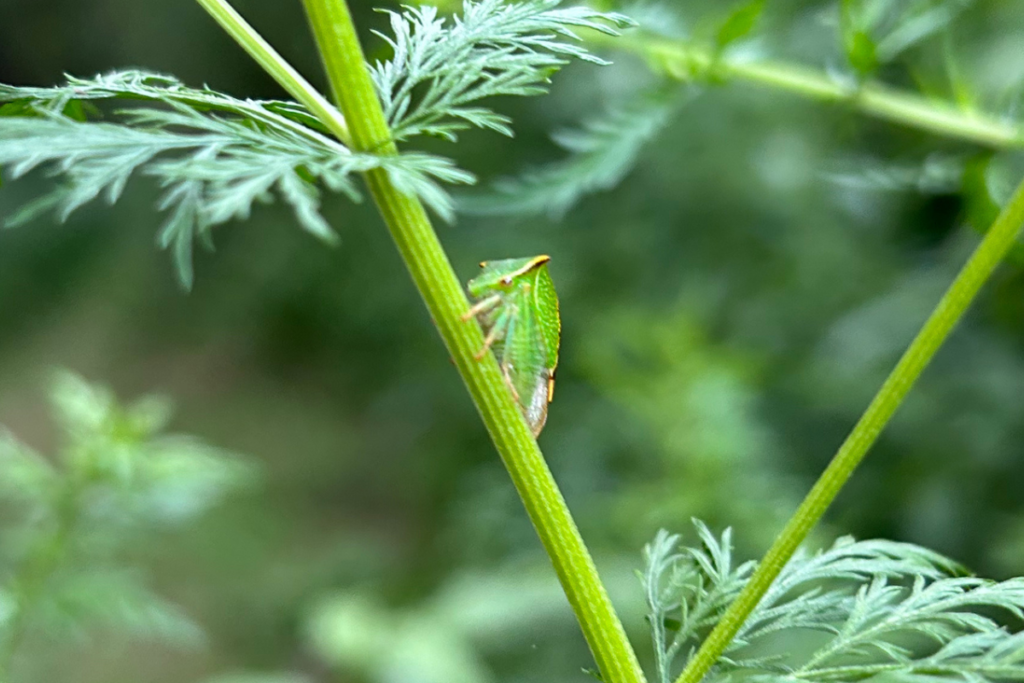
Quick Facts
Life Cycle Type: Incomplete metamorphosis
Egg Stage: Late summer through winter
Nymph Stage: Spring to early summer
Adult Emergence: Mid to late summer
Number of Generations: One generation per year
Development Method: Egg → Nymph → Adult
Understanding the Buffalo Treehopper Life Cycle
The Buffalo Treehopper (Stictocephala bisonia) undergoes a gradual transformation throughout its life, developing through several stages before reaching adulthood. Unlike butterflies or beetles that experience complete metamorphosis, this species changes slowly over time while maintaining a similar body form from youth to maturity.
Across much of North America and introduced regions of Europe, the life cycle follows seasonal patterns that correspond closely with plant growth. Each stage appears during a specific part of the year, allowing the species to take advantage of changing environmental conditions. The timing may vary slightly depending on local climate.
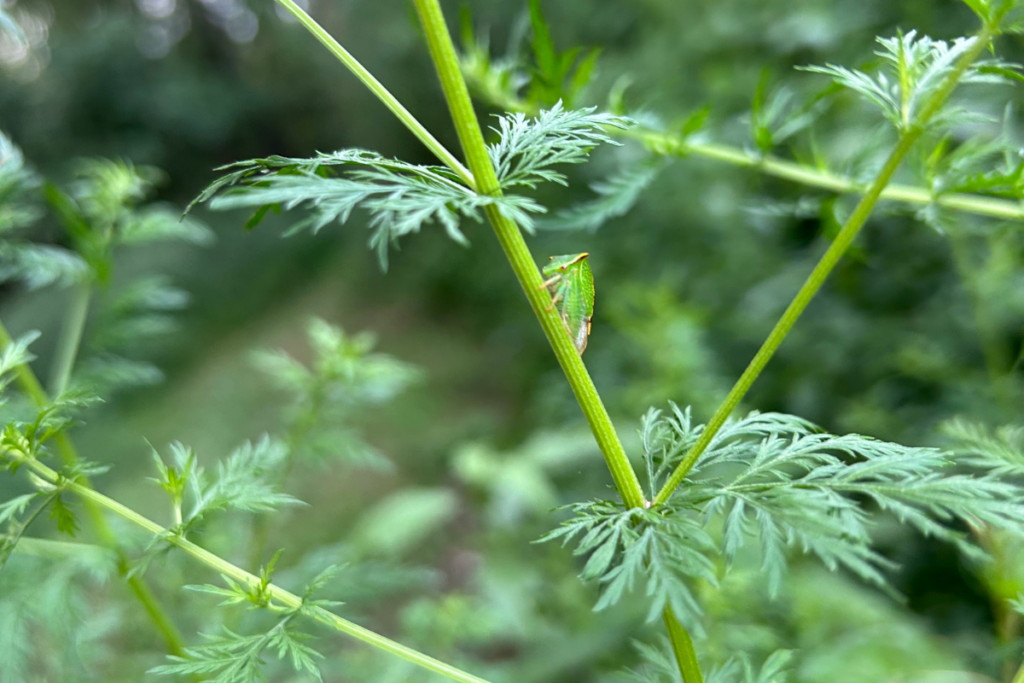
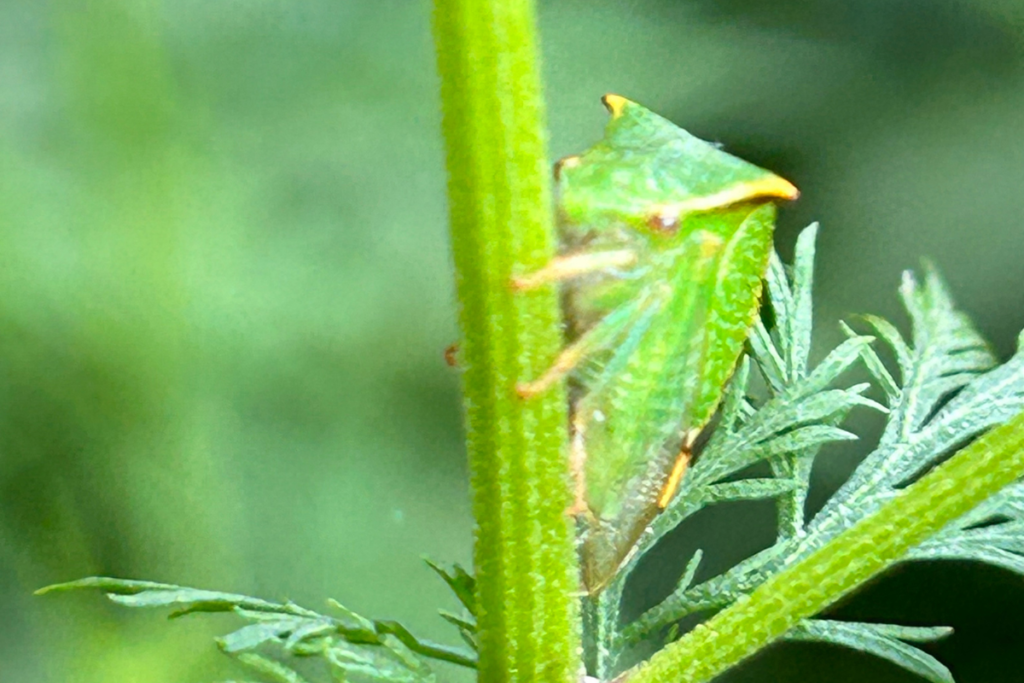
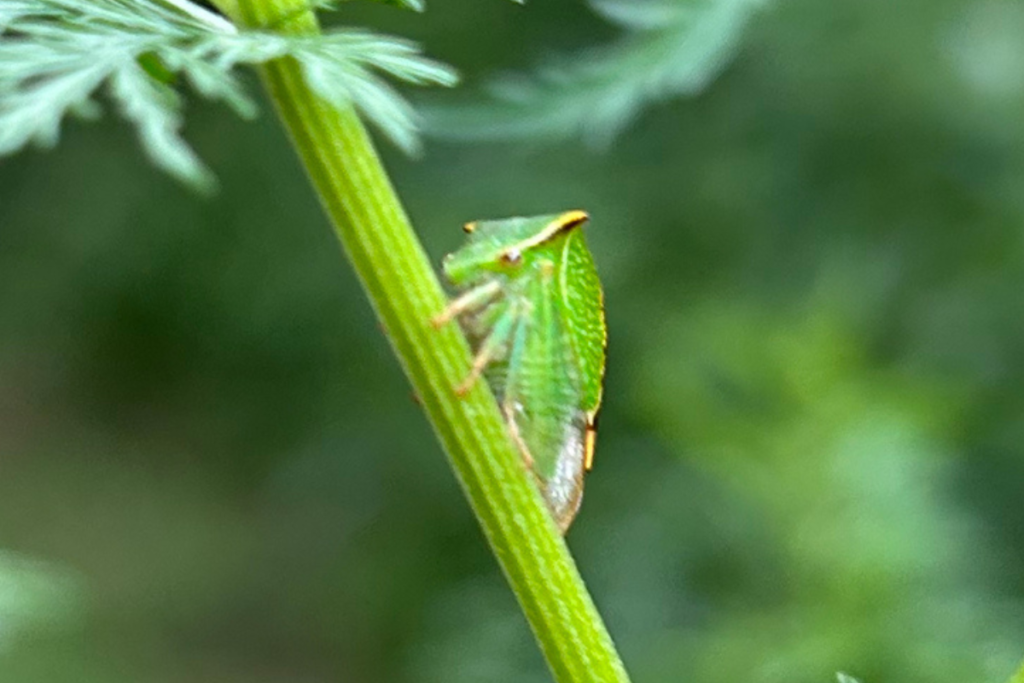
Many people only encounter the adult stage because it is the most recognizable and easiest to observe. The bright green, buffalo-shaped adults appear during the warmer months when vegetation is abundant. Earlier stages often remain hidden among stems and leaves.
The yearly cycle resembles the changing seasons themselves. Eggs survive through winter, young nymphs emerge during spring growth, and adults become common during summer. This repeating pattern allows Buffalo Treehoppers to successfully complete their development each year.
Buffalo Treehopper Egg Stage and Early Development
The life cycle begins when female Buffalo Treehoppers lay eggs near the end of the growing season. Eggs are inserted into small cuts made within plant stems and young branches. These protected locations help shield developing eggs from weather and predators.
Females use specialized egg-laying structures to create narrow slits within plant tissue. Groups of eggs are often placed together beneath the surface of stems, making them difficult to detect. The surrounding plant material provides both protection and insulation.
Throughout autumn and winter, the eggs remain dormant. Cold temperatures slow development and allow the species to survive unfavorable conditions. Snow, frost, and freezing weather typically have little effect because the eggs remain safely enclosed within plant tissue.
The overwintering stage acts as a biological pause. Similar to seeds waiting for spring, Buffalo Treehopper eggs remain inactive until warmer conditions return. Increasing temperatures and new plant growth eventually trigger development.
Eggs are extremely small and rarely observed by casual observers. Their hidden location contributes to the species’ success, as many predators never discover them. By remaining protected through winter, the next generation gains a strong chance of survival.
The egg stage may last several months, making it the longest portion of the annual life cycle. Although no visible activity occurs during this period, important developmental changes continue inside the eggs.
Buffalo Treehopper Nymph Growth and Molting Stages
Nymphs emerge during spring when temperatures rise and fresh vegetation becomes available. Newly hatched individuals look very different from adults, lacking wings and the distinctive buffalo-shaped pronotum. Their bodies often display small spines and unusual projections.
As nymphs grow, they pass through several developmental stages called instars. After each molt, the insect sheds its outer skin and gradually develops adult features. The body slowly enlarges while wing pads begin to appear.
Young nymphs often appear pale green, cream-colored, or slightly brown. Their unusual appearance sometimes causes confusion because they do not immediately resemble adult Buffalo Treehoppers. Some stages possess small spines or waxy structures along the body.
The molting process resembles a child gradually outgrowing clothing several times throughout development. Each new stage brings additional growth and more developed body structures. The insect becomes increasingly recognizable as adulthood approaches.
Development speed depends on temperature and environmental conditions. Warm spring weather generally allows faster growth, while cool periods may slow development. The entire nymph stage often lasts several weeks.
By the final instar, many adult features become visible. Wing pads enlarge, body shape changes, and the characteristic pronotum begins to develop. The insect gradually transitions from a spiny juvenile into the familiar adult form.
Adult Buffalo Treehopper Life and Seasonal Cycle
Adult Buffalo Treehoppers typically appear during summer and early autumn. This stage represents the final and most recognizable portion of the life cycle. Fully developed wings and the distinctive triangular pronotum make adults easy to identify.
Adults spend much of their time feeding, reproducing, and preparing for the next generation. Males and females locate one another during the breeding season, and females eventually lay eggs that will survive through winter. The annual cycle then begins again.
The adult stage often lasts several weeks to a few months depending on climate and environmental conditions. Individuals remain active during warm weather but gradually disappear as temperatures decline. Most adults do not survive through winter.
Seasonal timing may vary throughout the species’ range. Northern populations often experience shorter active seasons, while southern populations may remain active for longer periods. Despite these differences, most populations produce only one generation each year.
The entire life cycle demonstrates remarkable synchronization with seasonal plant growth. Eggs survive winter, nymphs develop during spring, and adults appear during the productive summer months. This timing ensures that every life stage encounters favorable conditions.
Buffalo Treehoppers undergo incomplete metamorphosis, meaning the young resemble miniature versions of adults rather than transforming through a pupal stage. This gradual progression creates a continuous developmental process that differs greatly from butterflies, moths, and beetles.
From hidden eggs to spiny nymphs and finally to the familiar green adults, the Buffalo Treehopper completes one of the more fascinating life cycles among North American insects. Each stage plays an essential role in ensuring the survival of the next generation.
Popular Searches About Buffalo Treehoppers
Explore Buffalo Treehopper Guide
Explore More Wildlife

Support Encounters World
Help support wildlife photography and get behind the scenes discoveries on Patreon.