
Calligrapher Fly Diet: Food Sources, Feeding Habits, and Survival Strategies
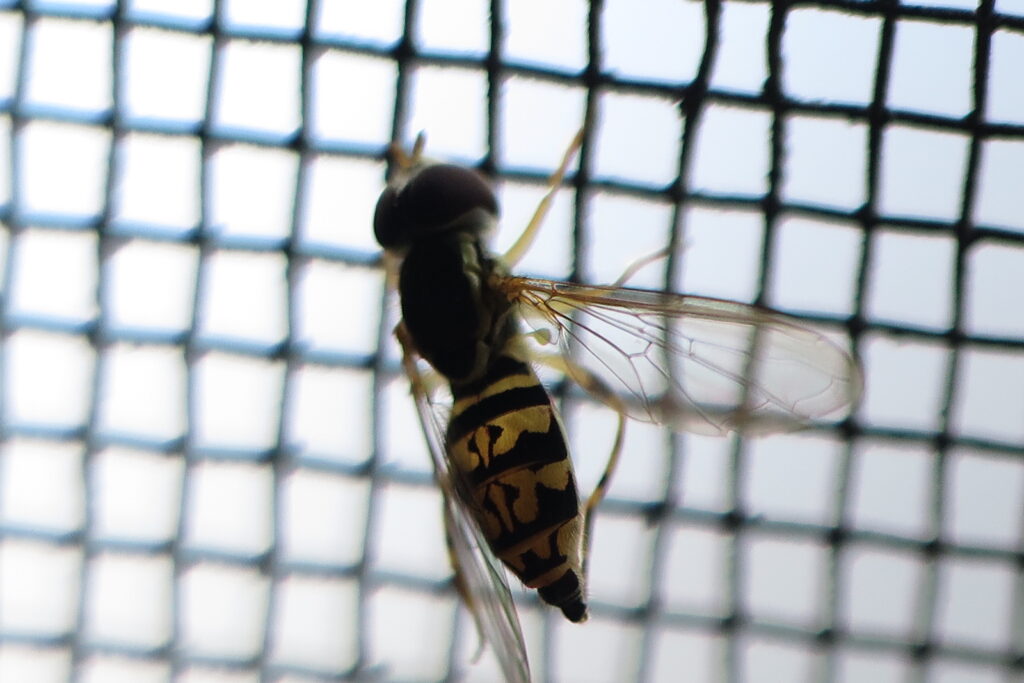
Quick Facts
Diet Type: Omnivorous (varies by life stage)
Main Food Sources: Nectar, pollen, aphids, and other soft-bodied insects
Feeding Time: Primarily daytime hours
Foraging Method: Hovering, searching vegetation, and direct feeding
Seasonal Diet Changes: Varies with flowering seasons and prey availability
Predatory Adaptations: Excellent vision, maneuverable flight, and efficient prey location
Understanding the Calligrapher Fly's Feeding Lifestyle
The calligrapher fly (Toxomerus sp.) is a widespread hoverfly found throughout much of North, Central, and South America. Its bright yellow-and-black markings often attract attention, but its feeding habits are equally important to understanding its role in nature. Across its range, this small insect relies on a combination of plant-derived resources and animal-based food sources during different stages of life.
In many outdoor environments, calligrapher flies can be observed around flowering vegetation and other areas rich in insect activity. Their presence is often connected to the availability of food rather than any single type of landscape. As a result, populations may fluctuate depending on seasonal conditions and local resource abundance.
Unlike animals that rely on only one food source throughout their lives, calligrapher flies undergo dietary changes as they develop. Adults and immature stages often utilize different resources, allowing the species to take advantage of multiple food opportunities within the same ecosystem. This flexibility contributes significantly to their success across a wide geographic range.
Food availability influences many aspects of the calligrapher fly’s daily existence. Access to sufficient resources supports growth, reproduction, and survival across generations. Although small in size, these flies participate in complex feeding relationships that connect plants, insects, and larger animals throughout their ecosystems.
The feeding ecology of the genus is one reason it has become so widespread. Species capable of utilizing multiple food sources often adapt more easily to changing conditions than species dependent on a single resource. This adaptability helps explain why calligrapher flies occur across such a large portion of the Americas.
Examining the diet of the calligrapher fly reveals a surprisingly sophisticated feeding strategy. What appears to be a simple insect actually relies on a combination of nutritional sources that support different life stages and ecological functions. Understanding those relationships provides insight into the species’ broader importance in nature.
Calligrapher Fly Diet Overview and Feeding Adaptability
The overall diet of the calligrapher fly is best described as flexible and life-stage dependent. Adults primarily obtain nutrition from plant-derived resources, while larvae often consume animal-based prey. This combination allows the species to benefit from two very different food pathways during its development.
Compared to highly specialized insects that depend on a narrow range of foods, calligrapher flies demonstrate a greater degree of dietary versatility. Some insects are restricted to a single host plant or a particular prey species. Calligrapher flies, however, can utilize resources that are widely available across many environments.
Diet consistency varies depending on location and seasonal conditions. A population in a northern region may encounter different food opportunities than one living in tropical areas. Despite these differences, the overall feeding strategy remains similar, relying on plant-based nutrition for adults and predatory feeding during larval development.
This adaptability gives the species an advantage when environmental conditions fluctuate. If one food source becomes temporarily scarce, alternative resources may still be available. Such flexibility reduces dependence on a single resource and helps support long-term population stability.
Another notable characteristic is the efficient use of resources at different life stages. Rather than competing directly with their offspring for identical foods, adults and larvae often utilize separate nutritional pathways. This separation allows multiple generations to coexist while reducing internal competition.
In many ways, the feeding strategy resembles a business that diversifies its investments rather than relying on a single source of income. By obtaining nutrition from different resources throughout its life cycle, the calligrapher fly increases its chances of success across varying environmental conditions and geographic regions.
Natural Food Sources Consumed by Calligrapher Flies
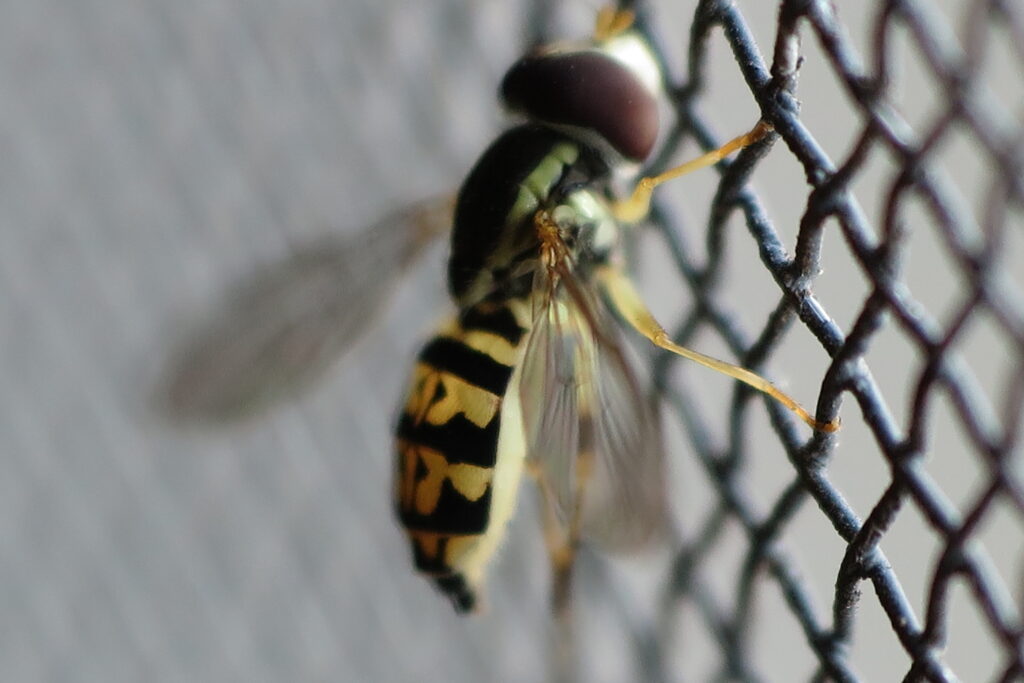
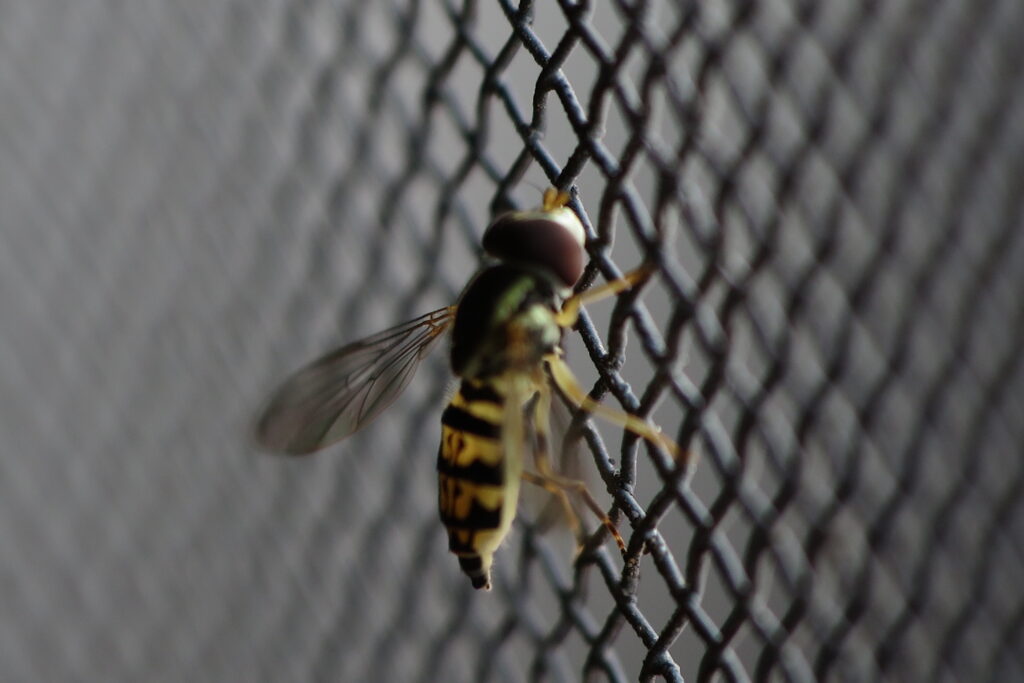
Adult calligrapher flies commonly feed on nectar produced by flowering plants. Nectar provides a concentrated source of carbohydrates that supports daily activity and energy requirements. Flowering vegetation serves as an important resource throughout much of the adult lifespan.
Pollen may also contribute to the diet of adult individuals. While nectar supplies energy, pollen contains proteins and other nutrients that can support reproductive processes and overall health. Together, these floral resources form a major component of adult nutrition.
The larval stage relies on an entirely different food source. Young calligrapher flies commonly consume aphids and other soft-bodied insects found on vegetation. These prey items provide the protein and nutrients required for rapid growth and development.
Aphids are particularly valuable because they often occur in dense concentrations. A single plant may host dozens or even hundreds of individuals, creating an abundant food supply. This allows larvae to feed efficiently without expending excessive energy searching for prey.
Secondary prey may include small plant-feeding insects and other soft-bodied arthropods when available. Diet composition can vary depending on local conditions and the species present within a given environment. This flexibility helps larvae continue feeding even when preferred prey numbers fluctuate.
The contrast between adult and larval diets highlights one of the most interesting aspects of the species’ ecology. Adults depend largely on floral resources, while larvae function as active predators. This division of food sources allows the species to occupy multiple ecological roles throughout its life cycle.
Feeding Behavior and Food-Gathering Survival Strategies
Calligrapher flies rely heavily on visual awareness when locating food resources. Their large compound eyes allow them to detect flowers, prey-rich vegetation, and feeding opportunities from a distance. This strong visual capability contributes to efficient resource discovery during daylight hours.
Adult individuals often approach food sources using controlled flight and precise hovering. Before landing, they may remain suspended in the air while evaluating a potential feeding location. This behavior allows them to assess resources without immediately committing to a landing.
Larvae employ a very different feeding strategy. Rather than searching over large distances, they move among vegetation where prey is concentrated. Once a suitable prey item is encountered, the larva captures and consumes it directly, obtaining nutrients needed for continued growth.
Competition for food can occur when multiple insects utilize the same resources. However, calligrapher flies often benefit from their mobility and ability to exploit numerous feeding opportunities. Rather than depending on a single plant or prey source, they can shift among available resources when necessary.
Resource shortages may require additional flexibility. During periods when floral resources are less abundant, adults may spend more time searching for suitable feeding sites. Similarly, larvae may consume alternative prey if preferred species become scarce within a local area.
A useful example of feeding efficiency can be seen when an adult calligrapher fly encounters a flowering patch. Instead of remaining at one bloom indefinitely, it frequently moves among multiple flowers while gathering nutrition from each. This behavior maximizes resource use while reducing dependence on any single feeding location, helping the insect maintain energy and survive in changing environmental conditions.
Popular Searches About Calligrapher Flies
Explore Calligrapher Fly Guide
Explore More Wildlife

Support Encounters World
Help support wildlife photography and get behind the scenes discoveries on Patreon.