
Calligrapher Fly Pollination Role: Importance as a Pollinator and Ecosystem Contributor
Quick Facts
Ecological Role: Pollinator and beneficial insect
Pollination Type: Incidental pollen transfer
Primary Flower Visits: Wildflowers, garden flowers, and native flowering plants
Pollination Season: Primarily spring through fall
Ecosystem Importance: Supports plant reproduction and biodiversity
Understanding the Calligrapher Fly's Role as a Pollinator
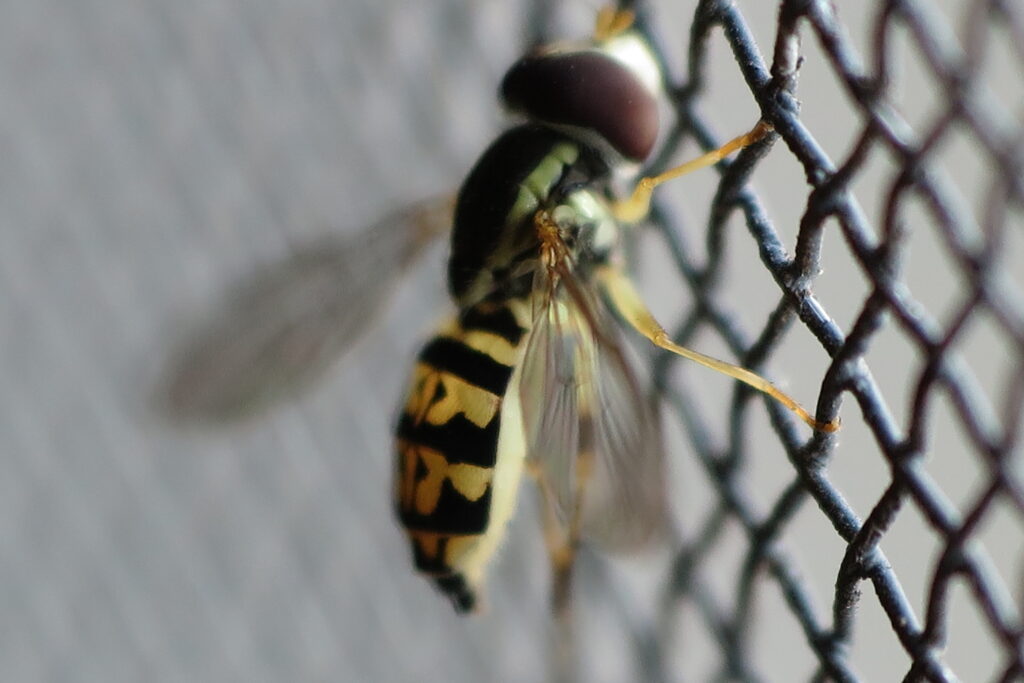
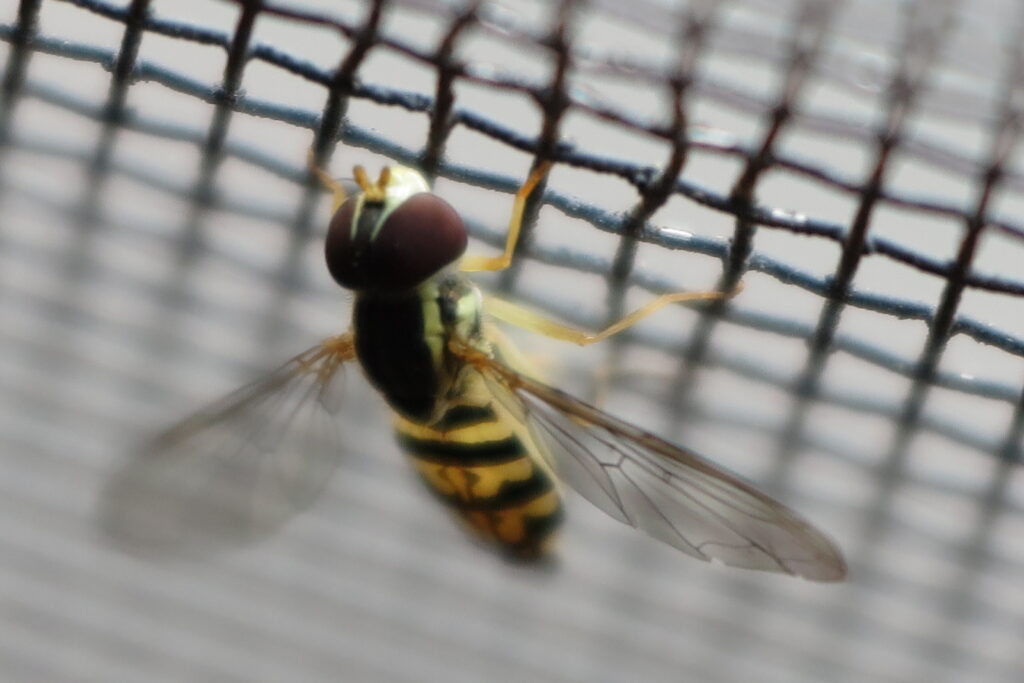
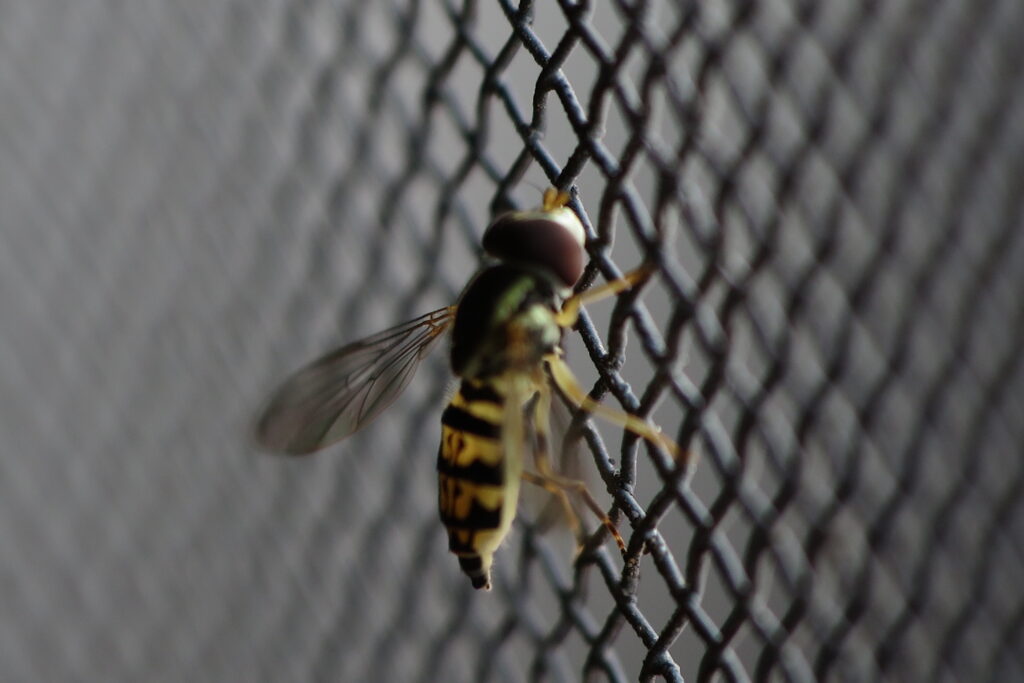
The calligrapher fly (Toxomerus sp.) is best known for its distinctive yellow-and-black markings, but its ecological importance extends far beyond its appearance. Across much of North, Central, and South America, these small hoverflies contribute to pollination while moving through landscapes rich in flowering vegetation. Although often overlooked compared to bees, they play an important supporting role in maintaining healthy plant communities.
Many people associate pollination exclusively with bees, butterflies, or hummingbirds. However, hoverflies are among the most significant insect pollinators in many ecosystems. The calligrapher fly belongs to a group of insects that regularly transfer pollen between flowers while obtaining resources needed for survival.
Because they are widespread and frequently observed around blooms, calligrapher flies contribute to pollination across a broad geographic range. Their presence in both natural and human-managed environments allows them to assist flowering plants in many different settings. This makes them valuable contributors to ecosystem stability and plant reproduction.
Pollination occurs when pollen is transferred from one flower to another, allowing plants to produce seeds and continue their life cycle. As calligrapher flies visit flowers throughout the growing season, they become part of this process. Even though they are not as famous as bees, their repeated flower visits help support numerous plant species.
The significance of their contribution becomes more apparent when viewed at a larger scale. A single fly may visit many flowers in a day, but thousands of hoverflies collectively influence entire plant communities. These small interactions accumulate over time and contribute to the long-term success of flowering ecosystems.
For wildlife enthusiasts, the calligrapher fly serves as a reminder that pollination involves far more species than most people realize. Its role demonstrates how even small insects can make meaningful contributions to environmental health and biodiversity.
How Calligrapher Flies Contribute to Pollination
Calligrapher flies contribute to pollination through repeated flower visitation. As they move among blooms, pollen grains can adhere to portions of their body and later be deposited onto other flowers. This transfer supports the reproductive processes of many flowering plants.
Unlike specialist pollinators that focus on a narrow group of plant species, calligrapher flies often interact with a variety of flowers. This broad pattern of visitation allows them to contribute across multiple plant communities. Their flexibility helps ensure that pollination services remain available throughout changing seasonal conditions.
The body structure of the fly plays a role in this process. Although not as densely covered in hairs as many bees, calligrapher flies still come into contact with pollen while visiting flowers. Repeated contact creates opportunities for pollen movement between plants.
Flower visitation by hoverflies can be particularly important in locations where bee populations are temporarily reduced or less active. In such situations, alternative pollinators help maintain ecological balance. Calligrapher flies become part of a larger network of insects supporting plant reproduction.
Compared to some highly specialized pollinators, calligrapher flies function more as versatile generalists. A specialist may focus almost exclusively on a small number of plant species. The calligrapher fly, however, often contributes across a wider range of flowering plants.
This flexibility increases its ecological value. By interacting with many different blooms, the fly helps distribute pollination services throughout an ecosystem. Such broad participation supports plant diversity and contributes to the resilience of natural communities.
Flowers and Plant Communities Associated with Calligrapher Flies
Calligrapher flies are frequently associated with flowering plants that provide accessible floral resources. Many native wildflowers attract hoverflies throughout the growing season. These blooms often become focal points for insect activity and pollination interactions.
Garden flowers also play an important role. Residential gardens, botanical displays, and ornamental plantings often host calligrapher flies during periods of active blooming. Their presence demonstrates how pollination can occur even within highly managed environments.
Native flowering plants are especially important because they form long-standing ecological relationships with local pollinators. In many regions, calligrapher flies regularly visit these species as part of broader pollination networks. These interactions help maintain healthy plant populations across landscapes.
Open clusters of small flowers are often particularly attractive to hoverflies. Such blooms provide convenient access to floral resources and may support repeated visitation. Many members of the carrot family, daisy family, and other flowering plant groups are known to attract hoverflies.
Plant communities containing diverse flowering species tend to support greater numbers of pollinators overall. Areas with blooms available across multiple seasons create continuous opportunities for pollination activity. This diversity benefits both plants and insects.
Rather than relying on a single plant species, calligrapher flies interact with a wide range of flowering vegetation. Their broad associations allow them to contribute to pollination across different ecosystems, landscapes, and geographic regions throughout the Americas.
Why Calligrapher Fly Pollination Matters to Ecosystems
Pollination is one of the most important ecological services occurring in nature. Without pollinators, many flowering plants would struggle to reproduce successfully. Calligrapher flies contribute to this process and help support the continued existence of numerous plant species.
Healthy plant communities provide benefits that extend far beyond individual flowers. Plants stabilize soil, produce oxygen, store carbon, and create habitat for countless organisms. By supporting plant reproduction through pollination, calligrapher flies indirectly contribute to these broader environmental functions.
Their role also helps sustain biodiversity. Flowering plants support insects, birds, mammals, reptiles, and other wildlife. Successful pollination allows these plant populations to persist, creating resources that benefit entire ecosystems.
A useful comparison is to think of pollinators as maintenance workers for natural systems. Each individual contribution may seem small, but together they help keep ecosystems functioning properly. Calligrapher flies are one part of this larger workforce that supports ecological stability.
The importance of hoverflies becomes even clearer when viewed collectively. While a single fly may influence only a limited number of flowers, large populations contribute across entire landscapes. Their combined activity helps maintain productive and diverse plant communities.
Although often overshadowed by bees, calligrapher flies remain valuable pollinators in their own right. Their widespread distribution, frequent flower visitation, and contribution to plant reproduction make them an important component of healthy ecosystems throughout the Americas.
Popular Searches About Calligrapher Flies
Explore Calligrapher Fly Guide
Explore More Wildlife

Support Encounters World
Help support wildlife photography and get behind the scenes discoveries on Patreon.