
Calligrapher Fly Habitat: Range, Environment, and Preferred Living Conditions
Quick Facts
Primary Habitat: Flower-rich meadows and open vegetation areas
Secondary Habitat: Gardens, parks, agricultural fields, and woodland edges
Climate Preference: Temperate to tropical climates
Environment Type: Open landscapes with abundant plant growth
Elevation Range: Sea level to over 8,000 feet (2,400 m) depending on species
Geographic Distribution: North America, Central America, and South America
Calligrapher Fly Range and Natural Environment
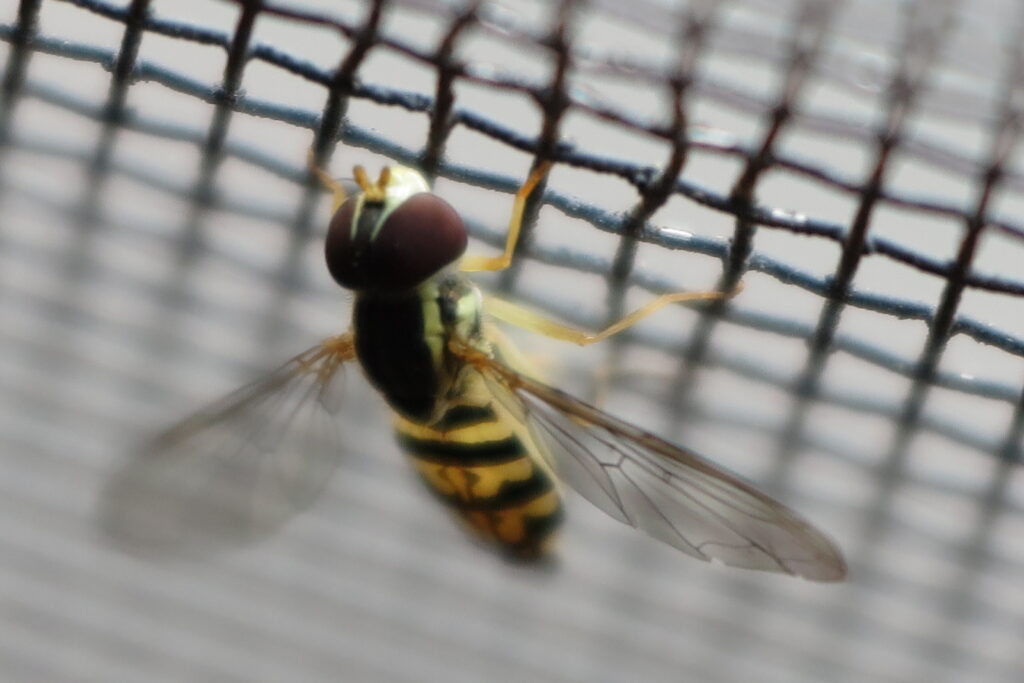
The calligrapher fly (Toxomerus sp.) is a widespread hoverfly found throughout much of the Western Hemisphere. Species within this genus occur from southern Canada through the United States, across Central America, and into large portions of South America. This extensive distribution allows the group to occupy a remarkable variety of landscapes and environmental regions.
Unlike insects that are limited to isolated geographic pockets, calligrapher flies occur across thousands of miles of diverse terrain. They are frequently encountered in areas where flowering vegetation is abundant and where suitable environmental conditions persist throughout at least part of the year. Their broad range makes them one of the more commonly observed hoverfly groups in many regions.
Naturalists often encounter calligrapher flies during walks through outdoor spaces where plant life is plentiful. Their presence is not restricted to remote wilderness areas, and they can appear in landscapes that have experienced varying levels of human influence. This flexibility has helped the genus remain widespread across different countries and climates.
Across their range, calligrapher flies occupy environments that support rich insect communities. Areas with seasonal blooms, mixed vegetation, and stable growing conditions often support healthy populations. Because the genus contains numerous species, individual distributions may vary, but the overall group remains broadly represented throughout the Americas.
Compared to some specialized insects that occupy only narrow geographic regions, calligrapher flies demonstrate impressive environmental versatility. A species confined to a single mountain range or isolated ecosystem has limited opportunities for expansion. The calligrapher fly, by contrast, has successfully established populations across a continent-spanning range.
This broad distribution contributes to the insect’s visibility among wildlife observers. Whether exploring northern temperate regions or warmer southern climates, there is a good chance of encountering a member of the Toxomerus genus. Their ability to persist across such a wide area reflects their adaptability to numerous environmental settings.
Calligrapher Fly Habitat Overview Across Different Landscapes
Calligrapher flies are associated with a wide range of landscape categories rather than a single specialized habitat. They are commonly found in open environments where vegetation receives ample sunlight and where flowering plants occur regularly throughout the growing season. These broad environmental categories provide the foundation for their distribution.
Many populations occur within mixed vegetation zones where grasses, shrubs, and flowering plants grow together. Such areas often support a diverse community of insects, creating productive environments for hoverflies and other pollinating species. The combination of plant diversity and structural variation makes these landscapes especially valuable.
Woodland edges are another common environment occupied by calligrapher flies. Rather than remaining deep within heavily shaded forests, they are frequently observed where open spaces meet tree cover. These transition zones often contain greater plant diversity and receive more sunlight than dense forest interiors.
Open landscapes also support significant numbers of calligrapher flies. Fields, meadows, and other expansive vegetation-dominated areas frequently provide suitable conditions. The abundance of flowering plants within these settings often contributes to the visibility of hoverflies throughout the warmer months.
Compared to some hoverfly species that favor highly specific habitats, calligrapher flies display a broader environmental tolerance. Certain insects may depend heavily on wetlands, mature forests, or isolated ecosystems. Calligrapher flies, however, occupy numerous landscape categories across their geographic range.
Human-modified environments further demonstrate this adaptability. Parks, gardens, landscaped properties, and agricultural regions may all support populations when suitable vegetation is present. This ability to utilize both natural and altered environments contributes significantly to the success and widespread distribution of the genus.
Specific Habitat Types Occupied by Calligrapher Flies
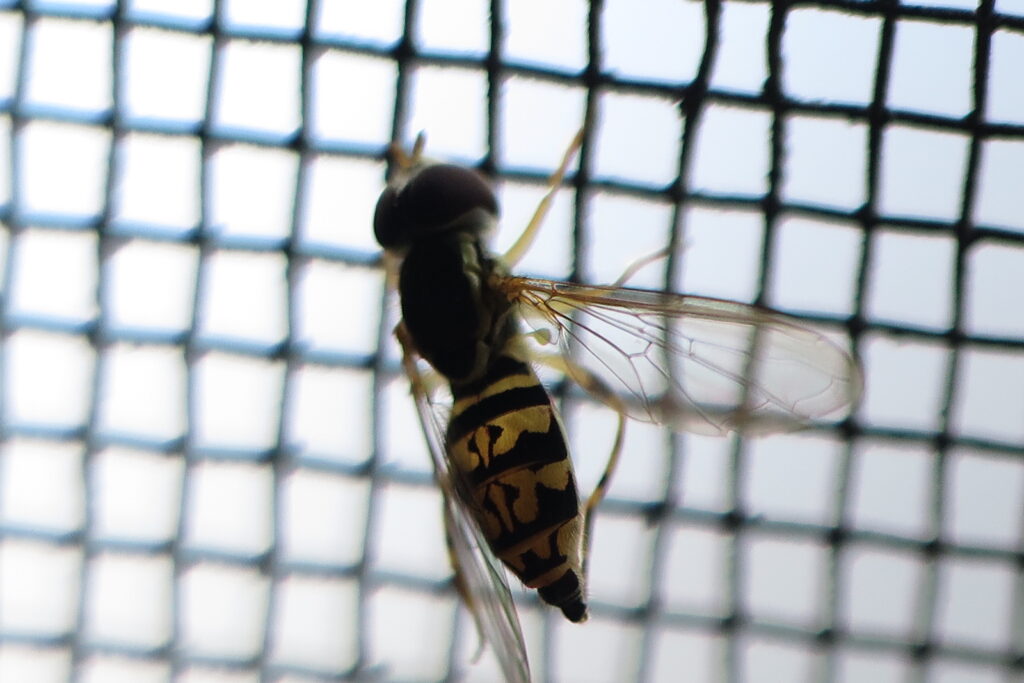
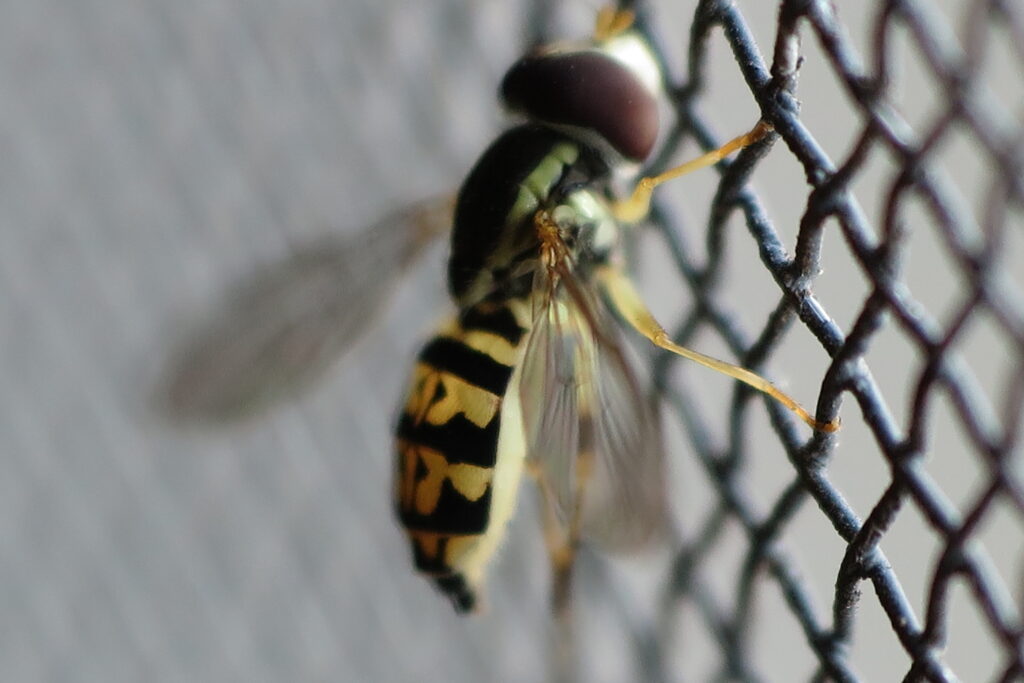
Flower-rich meadows represent one of the most recognizable habitats for calligrapher flies. These environments provide extensive plant diversity and seasonal blooms across large areas. The abundance of flowering vegetation creates favorable conditions that support frequent observations of hoverflies throughout the growing season.
Grasslands also serve as important habitat types. Native prairies, open fields, and managed grassy landscapes often contain flowering plants scattered throughout the vegetation. These habitats provide open flight space while still offering access to diverse plant communities.
Woodland margins and forest edges frequently support calligrapher fly populations. These transition zones combine features of open and wooded environments, creating a habitat with varying light levels and plant composition. The structural diversity found along edges often attracts numerous insect species.
Wetland-associated habitats can also support members of the genus. Marsh edges, moist meadows, and vegetated areas surrounding ponds or streams may provide suitable conditions when flowering plants are present. Although calligrapher flies are not restricted to wetlands, they can be regular components of these ecosystems.
Human-altered environments represent another major habitat category. Residential gardens, botanical gardens, public parks, roadside plantings, and agricultural landscapes often contain resources that support hoverfly populations. In some locations, these modified environments may host large numbers of individuals during favorable seasons.
Habitat use can vary within a single region. One calligrapher fly may spend much of its time near a flowering garden edge, while another occupies a nearby meadow or field margin. This flexibility allows populations to take advantage of numerous habitat opportunities across the landscape.
Environmental Conditions Supporting Calligrapher Fly Populations
Calligrapher flies are most commonly associated with climates that support active plant growth for significant portions of the year. Temperate and subtropical regions often provide especially favorable conditions, though members of the genus occur across a wide range of climate zones. Their distribution reflects an ability to tolerate environmental variation while still relying on productive vegetation communities.
Temperature plays an important role in habitat suitability. Warm conditions generally support greater insect activity and increased plant productivity. During periods of sustained cold weather, populations become less visible as seasonal cycles influence activity levels and life stages.
Vegetation structure is another important environmental factor. Areas containing a mixture of grasses, flowering plants, shrubs, and scattered woody vegetation often provide ideal conditions. These layered plant communities create environmental complexity that supports diverse insect populations.
Moisture availability also influences habitat quality. Regions receiving sufficient rainfall to maintain healthy plant growth are often more supportive of hoverfly populations. Extremely dry conditions can reduce vegetation abundance and limit the environmental resources available within a habitat.
Seasonal changes strongly affect environmental conditions throughout the year. Spring and summer often bring periods of active plant growth and abundant flowering vegetation. In many regions, these seasons correspond with the highest visibility of calligrapher flies across the landscape.
A useful comparison can be made to a well-maintained community garden. Just as a garden thrives when provided with sunlight, water, and fertile growing conditions, calligrapher fly habitats tend to flourish when environmental factors support diverse plant communities. The combination of suitable climate, vegetation structure, moisture, and seasonal productivity creates the conditions that allow these distinctive hoverflies to persist across much of the Americas.
Popular Searches About Calligrapher Flies
Explore Calligrapher Fly Guide
Explore More Wildlife

Support Encounters World
Help support wildlife photography and get behind the scenes discoveries on Patreon.