
Calligrapher Fly Facts Guide: Fascinating Facts About Toxomerus Hoverflies
Quick Facts
Animal Type: Hoverfly
Family: Syrphidae
Average Size: 0.2–0.5 inches (5–13 mm)
Global Range: North, Central, and South America
Notable Feature: Wasp-like markings with no ability to sting
Amazing Facts About the Calligrapher Fly
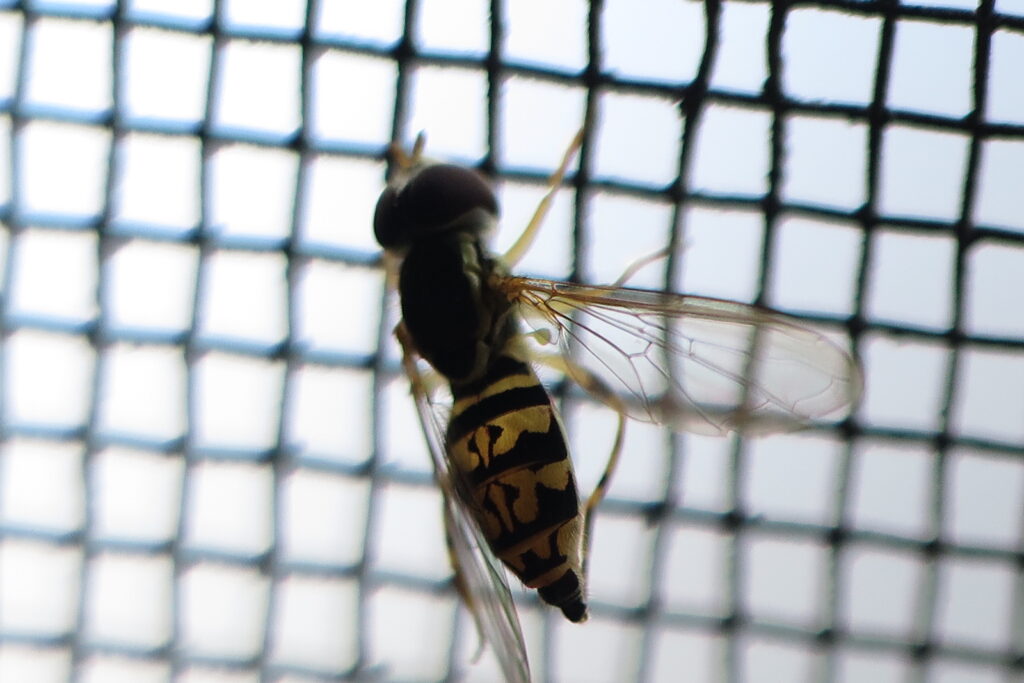
The calligrapher fly is one of the most commonly misidentified insects in the Americas. Many people assume it is a yellowjacket or small wasp because of its bright yellow-and-black markings. In reality, it is a harmless hoverfly that belongs to an entirely different group of insects.
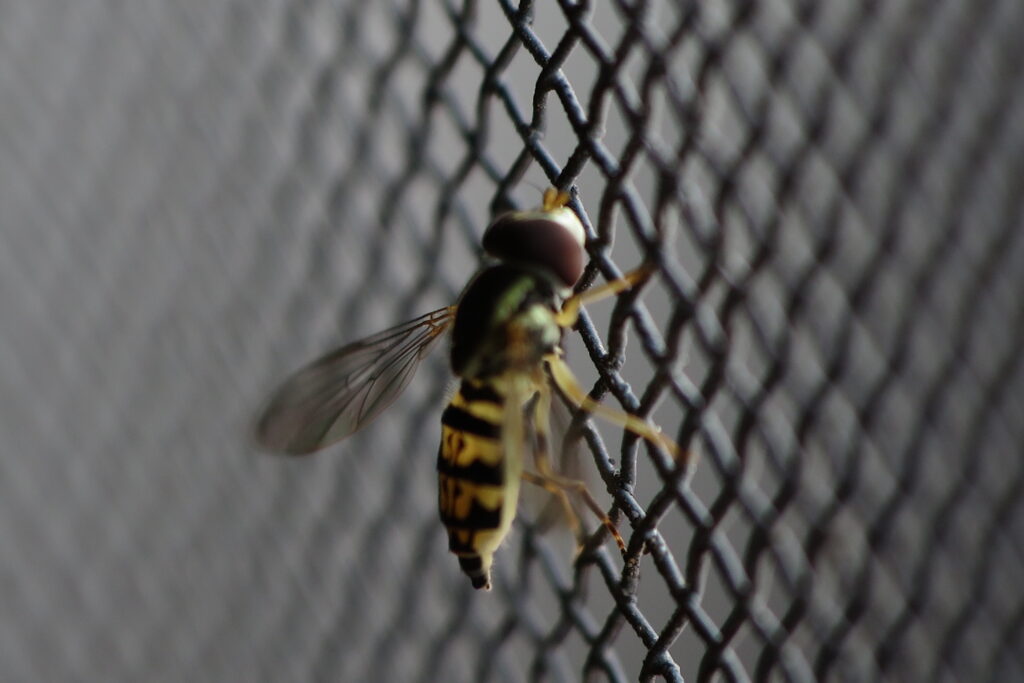
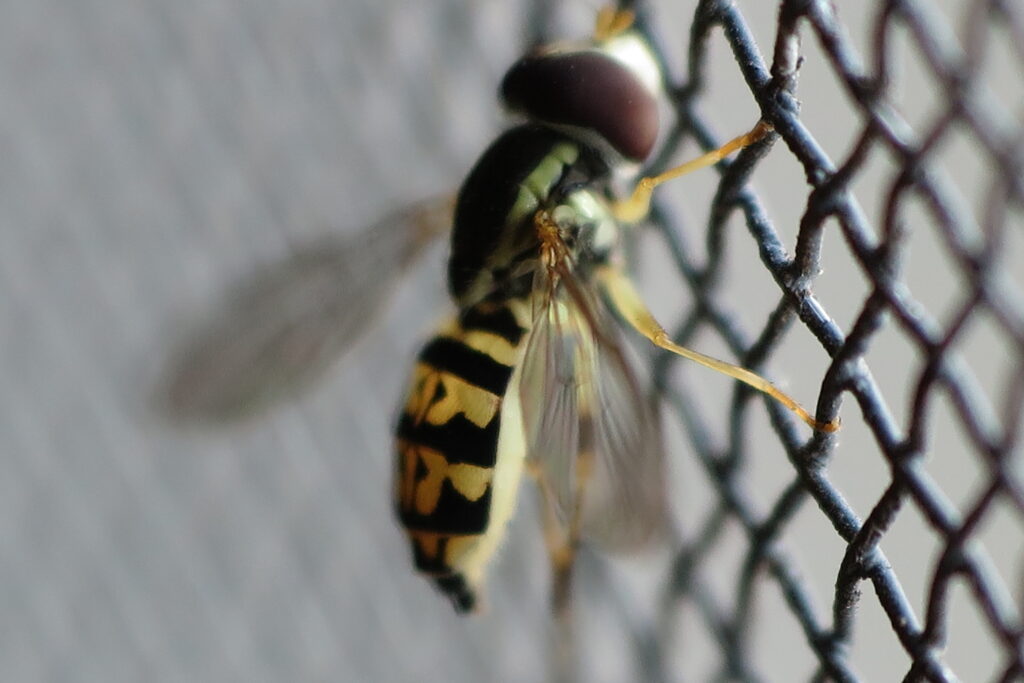
Its unusual common name comes from the decorative markings found on the abdomen. These patterns often resemble handwritten symbols, brush strokes, or artistic calligraphy. Few insects possess markings that appear so carefully designed and distinctive.
The genus Toxomerus contains numerous species distributed across a vast geographic range. While individual species vary in appearance, most share the recognizable color patterns and body shape that make the group famous among naturalists. This diversity has helped the genus become one of the most successful hoverfly groups in the Western Hemisphere.
Despite their small size, calligrapher flies are surprisingly visible. They are frequently observed in gardens, parks, meadows, and other outdoor spaces where flowering plants occur. Their tendency to remain active during daylight hours makes them easier to encounter than many other insects.
Many wildlife photographers enjoy documenting calligrapher flies because of their intricate patterns. Close-up photographs often reveal details that are difficult to notice with the naked eye. The abdomen frequently displays markings that look more like artwork than natural coloration.
Although they resemble stinging insects, calligrapher flies have earned a reputation as harmless visitors. Learning this fact often changes how people view them, transforming concern into curiosity and appreciation.
Calligrapher Fly Appearance and Identification Facts
One of the most interesting facts about calligrapher flies is that their appearance functions as a form of protection. Their yellow-and-black coloration closely resembles that of yellowjackets and other stinging insects. This resemblance discourages many predators from attacking them.
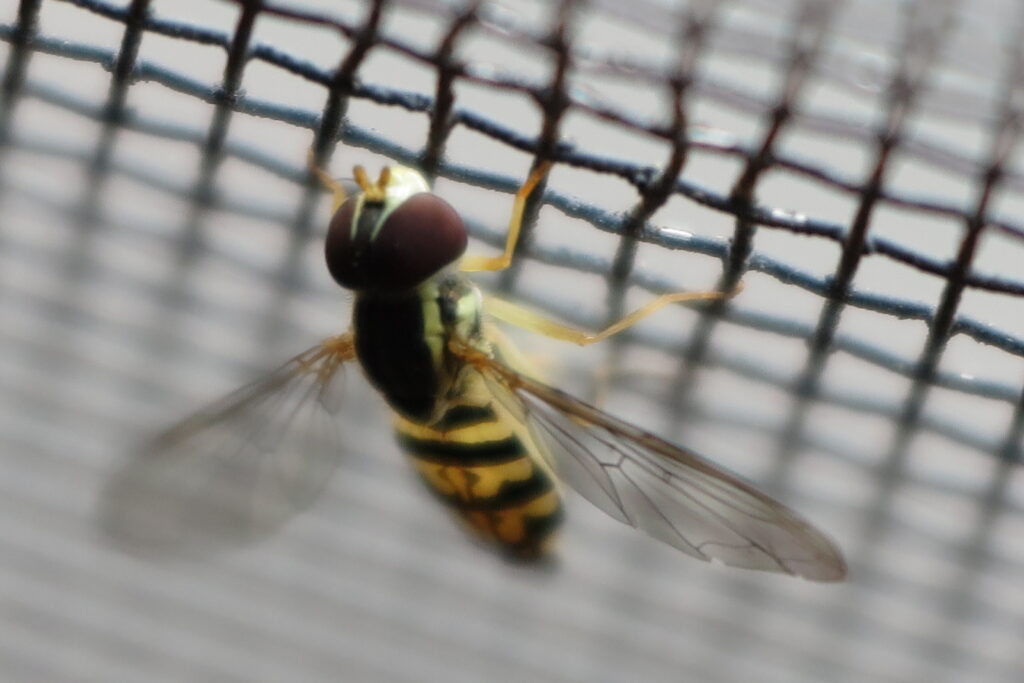
The large compound eyes are among the most noticeable features of the insect. In some lighting conditions, the eyes may appear reddish or bronze-colored, creating a striking contrast with the rest of the body. These oversized eyes contribute significantly to the fly’s recognizable appearance.
Unlike bees and wasps, calligrapher flies possess only a single pair of wings. This feature immediately identifies them as true flies. Observers examining photographs closely can often use wing count as one of the quickest identification methods.
The abdomen is often decorated with patterns that vary between species. Some markings appear as loops, curved lines, or segmented shapes rather than simple stripes. These decorative designs inspired the common name and remain one of the most fascinating aspects of the genus.
Most individuals are relatively small, often measuring less than half an inch long. Despite their modest size, their bright coloration allows them to stand out against vegetation and flowers. This makes them surprisingly easy to spot once observers know what to look for.
A common misconception is that all yellow-and-black insects are wasps. Calligrapher flies demonstrate why careful observation matters. A closer look frequently reveals an entirely different insect hidden behind a familiar color pattern.
Unique Biological Facts About Calligrapher Flies
Calligrapher flies undergo complete metamorphosis during their life cycle. This means they pass through egg, larval, pupal, and adult stages before reaching maturity. Each stage looks dramatically different from the others.
The larval stage bears almost no resemblance to the adult fly. A person observing the larva without prior knowledge would likely never guess it would eventually become a brightly marked hoverfly. This transformation is one of the most remarkable aspects of their biology.
Many species within the genus are widespread across multiple countries and climate zones. Their adaptability has allowed them to occupy a variety of environments throughout the Americas. This broad distribution contributes to their success as a group.
The scientific name Toxomerus refers not to a single species but to an entire genus. Numerous individual species exist within this classification, each possessing slight differences in markings and distribution. Collectively, they form one of the largest hoverfly groups in the region.
Calligrapher flies belong to the family Syrphidae, commonly known as hoverflies. This family contains thousands of species worldwide and includes some of the most important pollinating flies on Earth. The calligrapher fly is part of this larger and highly successful lineage.
Scientists continue studying hoverflies because of their ecological importance and incredible diversity. Even common species can reveal new information about insect evolution, adaptation, and ecosystem function.
Ecological and Wildlife Facts About Calligrapher Flies
Calligrapher flies contribute to biodiversity across much of the Americas. Their presence adds to the richness of insect communities and helps support balanced ecosystems. Even small insects can play important roles within larger ecological networks.
These flies participate in pollination while moving among flowering plants. Although bees often receive most of the attention, hoverflies are valuable pollinators in many ecosystems. Their contributions help support plant reproduction and ecological stability.
Calligrapher flies also occupy an important position within food webs. They serve as prey for birds, spiders, amphibians, reptiles, and predatory insects. This role allows energy to move through ecosystems and supports numerous wildlife species.
One fascinating fact is that their mimicry benefits not only the individual insect but also the entire species. Predators that learn to avoid yellow-and-black insects may leave many hoverflies untouched. This collective advantage improves survival rates throughout populations.
Because they occur across such a large geographic range, calligrapher flies are familiar to naturalists in many countries. Their widespread distribution makes them one of the hoverflies people are most likely to encounter. Yet despite their visibility, many remain unaware of their identity.
Perhaps the most surprising fact is that a harmless fly can successfully convince both predators and humans that it is something far more dangerous. This remarkable deception, combined with its ecological value and distinctive appearance, makes the calligrapher fly one of the most fascinating hoverflies in the Americas.
Popular Searches About Calligrapher Flies
Explore Calligrapher Fly Guide
Explore More Wildlife

Support Encounters World
Help support wildlife photography and get behind the scenes discoveries on Patreon.