
European Earwig Diet: Food Sources, Feeding Habits, and Foraging Behavior
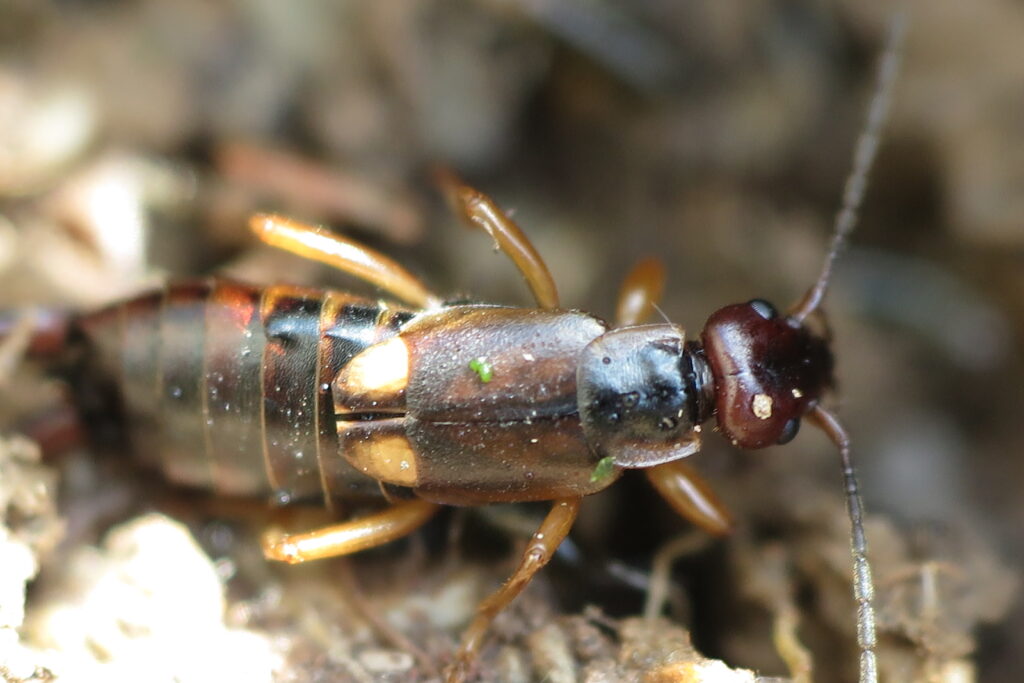
Quick Facts
Diet Type: Omnivore
Main Food Sources: Plant material, insects, fungi, and decaying matter
Feeding Time: Primarily Nighttime
Foraging Method: Ground Searching and Scavenging
Seasonal Diet Changes: Yes, depending on food availability
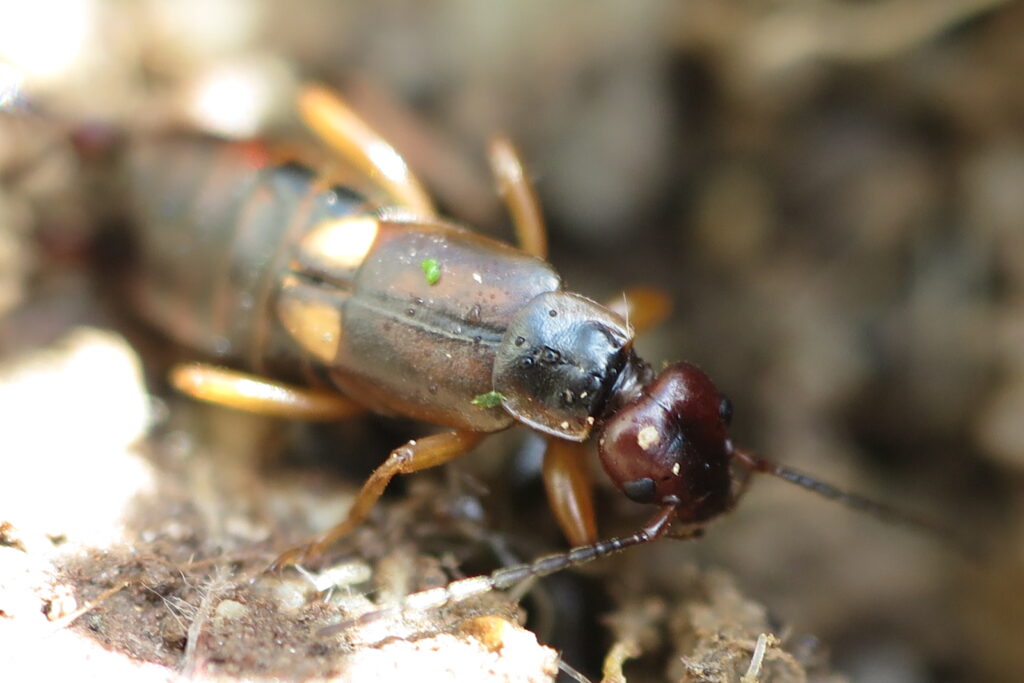
Predatory Adaptations: Strong mandibles and sensory antennae
European Earwig Feeding Ecology Overview
The European Earwig (Forficula auricularia) survives on an extremely flexible diet that allows it to occupy a wide range of environments. Throughout Europe, North America, Australia, and other introduced regions, these insects locate food among soil, vegetation, leaf litter, and surface debris. Their ability to consume numerous food sources contributes significantly to their success.
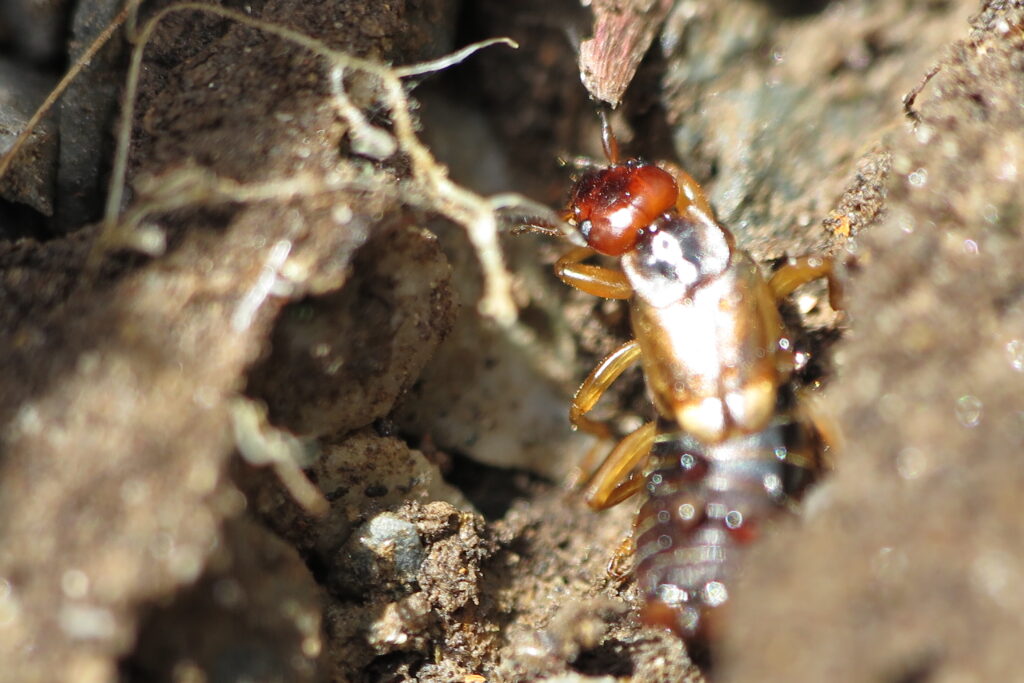
Many feeding activities occur beneath cover where moisture and darkness provide protection. Earwigs often search beneath stones, bark, garden mulch, and fallen leaves while exploring for edible material. Because much of this activity occurs at night, direct observations are relatively uncommon.
Unlike highly specialized insects that depend upon a single food source, European Earwigs use a broad feeding strategy. Plant material, animal matter, and decomposing organic substances may all contribute to their diet. This flexibility allows populations to survive changing environmental conditions.
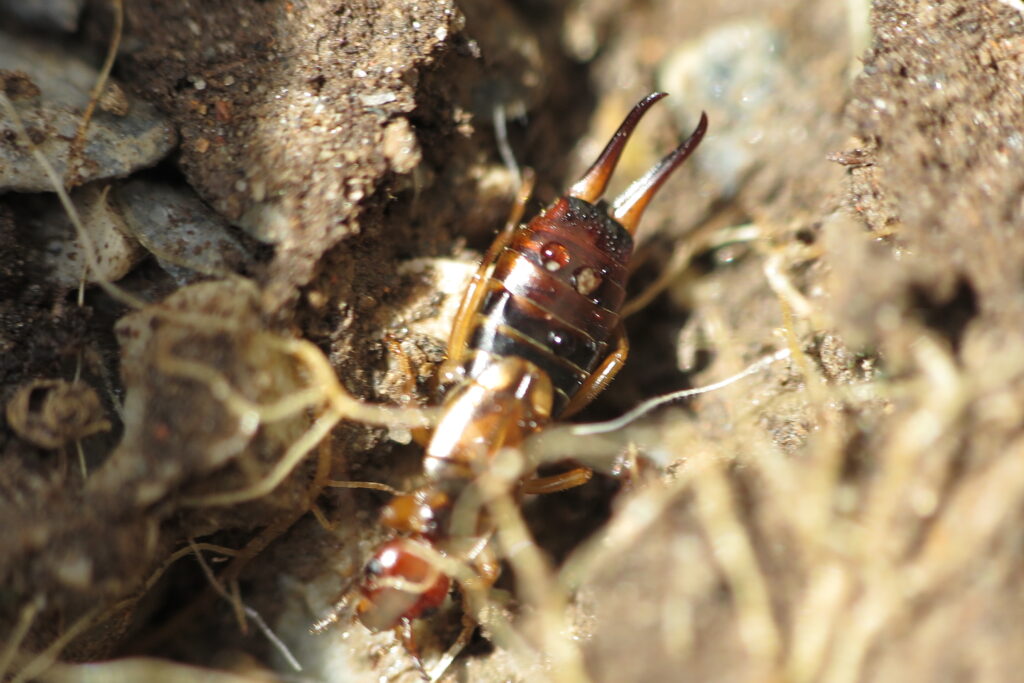
Observing an earwig moving quickly beneath a rock often reveals a purposeful search pattern. The insect pauses, investigates surfaces, and continues forward as though examining every available object. These movements reflect the constant search for suitable food resources.
Their feeding ecology resembles that of a scavenger capable of taking advantage of numerous opportunities. Rather than relying upon a single resource, earwigs exploit whatever materials become available. This opportunistic approach helps explain their worldwide distribution.
Throughout the year, dietary needs shift according to seasonal conditions. Food availability, temperature, and environmental changes all influence what the insect consumes. This adaptability remains one of the most important features of the species.
European Earwig Diet and Feeding Strategy
The European Earwig is considered an omnivore because it consumes both plant and animal material. This mixed diet provides access to a broad range of nutrients and reduces dependence on a single food source. Such flexibility allows populations to persist under changing conditions.
Some populations may consume larger amounts of plant material, while others depend more heavily upon animal matter. Local environmental conditions often influence these differences. The ability to adjust feeding habits contributes greatly to the species’ success.
Compared to specialized herbivorous insects, earwigs demonstrate remarkable dietary versatility. Many insects depend entirely upon one type of plant, but earwigs readily exploit numerous resources. Their feeding strategy resembles that of a generalist rather than a specialist.
The species can be compared to raccoons or crows, which consume a wide variety of available foods. Both animals survive because they take advantage of multiple opportunities rather than relying upon a narrow diet. European Earwigs follow a similar strategy on a much smaller scale.
Young earwigs and adults often consume similar foods. As individuals grow, they continue utilizing many of the same resources available within their environment. This consistency helps support development throughout the life cycle.
Seasonal changes may influence feeding preferences. Certain foods become abundant during particular times of year, allowing earwigs to shift their diet accordingly. This flexibility reduces the risk associated with fluctuating food supplies.
European Earwig Natural Food Sources
Plant material represents an important portion of the European Earwig diet. Soft leaves, flowers, fruits, and tender plant tissues may all be consumed. In gardens, damaged petals or ripening fruits sometimes show evidence of feeding.
Fungi and decaying organic matter also contribute significantly to their diet. Decomposing leaves, dead plant material, and organic debris provide readily available resources. These materials help support populations living within soil and leaf litter.
Animal matter forms another important component of the diet. Small insects, insect eggs, aphids, mites, and soft-bodied invertebrates may be consumed. This predatory behavior allows earwigs to obtain protein and other nutrients.
Dead insects are frequently scavenged when encountered. Rather than allowing available food to go unused, earwigs readily consume carrion. This opportunistic feeding strategy improves survival in environments where resources fluctuate.
Aphids provide one example of an important food source. Earwigs may feed upon these soft-bodied insects when available, helping reduce their numbers. In some agricultural situations, this behavior may benefit certain crops.
Seeds, algae, and microscopic organisms may also contribute to the diet under specific conditions. Their broad feeding habits allow them to exploit numerous small resources within their environment. Few materials are ignored if they provide nutritional value.
European Earwig Feeding Behavior and Survival Strategies
The European Earwig locates food primarily through exploration and sensory investigation. Long antennae continuously touch surfaces and help detect potential food sources. These sensory structures function as important tools during foraging.
Most feeding activity occurs during darkness. Cooler temperatures and reduced exposure to predators allow individuals to move across the ground more safely. Nighttime activity also reduces water loss during warmer conditions.
Earwigs search methodically through leaf litter, soil cracks, bark crevices, and plant material. They frequently pause to inspect objects before moving forward. This behavior creates the appearance of an insect carefully examining its surroundings.
Their movement while feeding can be compared to a person searching through shelves in a store. Each location receives attention before the insect continues onward. This deliberate investigation increases the likelihood of locating food.
Competition may occur when multiple individuals occupy the same area. Nevertheless, food resources are often distributed widely enough to reduce direct conflict. Earwigs frequently feed independently even when several individuals share shelter.
During periods of limited resources, dietary flexibility becomes especially important. Earwigs can switch between plant material, animal matter, and decomposing organic substances depending upon availability. This adaptability allows populations to survive unfavorable conditions.
Your observation of an earwig rapidly crossing shaded ground while investigating the surface closely reflects natural feeding behavior. Individuals often move with purpose while searching for edible material hidden beneath debris or within soil crevices. Their continuous exploration serves both feeding and survival.
The European Earwig succeeds because it combines omnivorous feeding habits, flexible food selection, and efficient searching behavior. Its ability to exploit multiple food sources has allowed the species to spread across much of the world while thriving in natural, agricultural, and urban environments.
Popular Searches About European Earwigs
Explore European Earwig Guide
Explore More Wildlife

Support Encounters World
Help support wildlife photography and get behind the scenes discoveries on Patreon.