
European Earwig vs Silverfish: Identification, Differences, and Comparison Guide
Quick Facts
European Earwig Size: 0.5–1 inch
Silverfish Size: 0.5–0.75 inch
Primary Difference: Forceps vs Tail Filaments
Body Shape: Flattened vs Teardrop-Shaped
Activity Period: Mostly Nocturnal for Both
Best Identification Feature: Rear Appendages
European Earwig and Silverfish Overview
The European Earwig (Forficula auricularia) and the Silverfish (Lepisma saccharinum) are two insects that occasionally cause confusion because both possess elongated bodies and frequently appear inside homes, basements, garages, and other sheltered areas. Despite these similarities, the two insects belong to entirely different insect groups and possess very different physical characteristics.
Most encounters with either species occur unexpectedly. A person lifting a storage box, moving a flowerpot, or entering a damp basement may suddenly notice one running across the floor. Their quick movements often make close identification difficult.
The European Earwig originated in Europe and has spread across much of North America and other temperate regions. Silverfish possess an even broader global distribution and have lived alongside humans for centuries. Both insects successfully occupy environments that provide moisture and shelter.
At first glance, both species may appear as long, narrow insects with numerous body segments. Closer observation immediately reveals major differences in body structure, appendages, and coloration. These characteristics make identification relatively straightforward.
The comparison resembles two tools that perform different functions despite having similar shapes. Both insects possess elongated bodies, yet their anatomy and appearance clearly separate them once important features are examined.
Many homeowners mistakenly identify silverfish as earwigs or vice versa. Learning several key characteristics allows rapid identification during future encounters.
European Earwig vs Silverfish Appearance
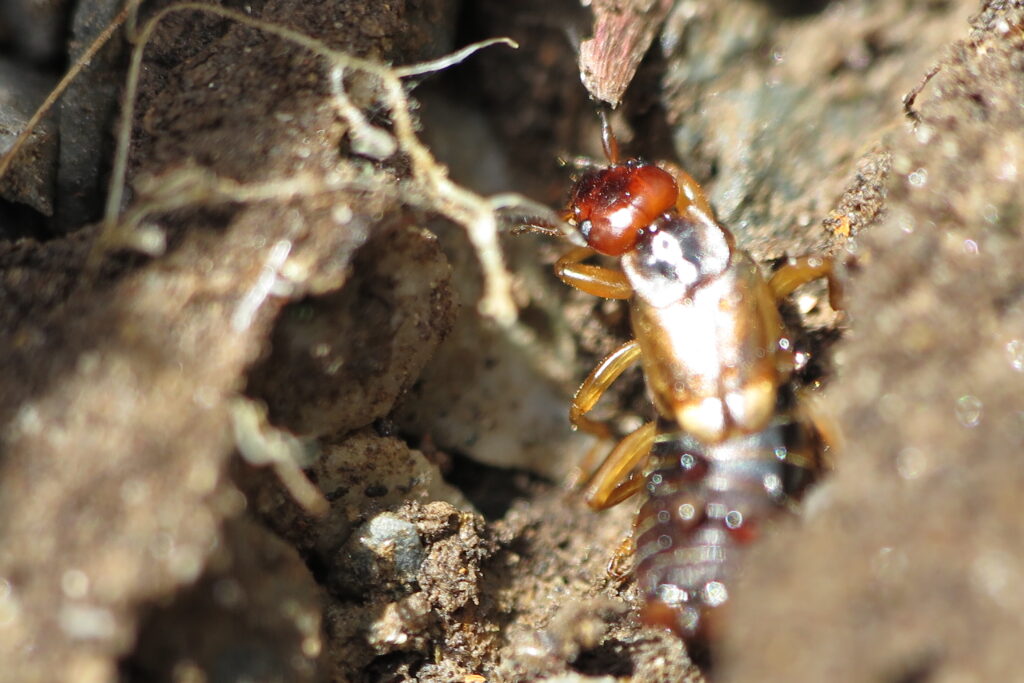
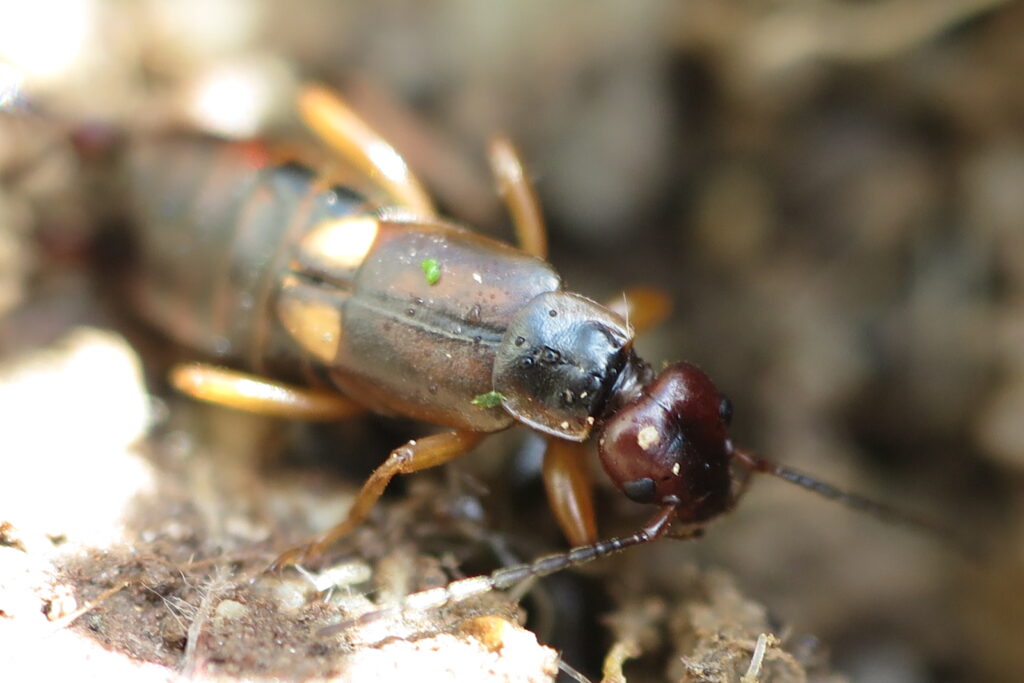
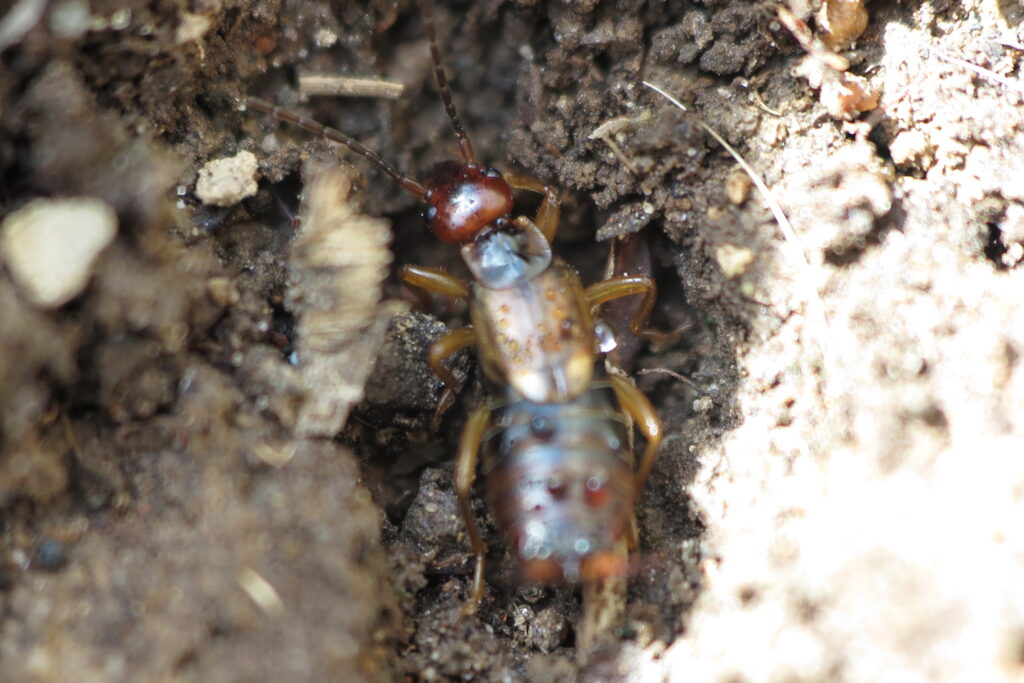
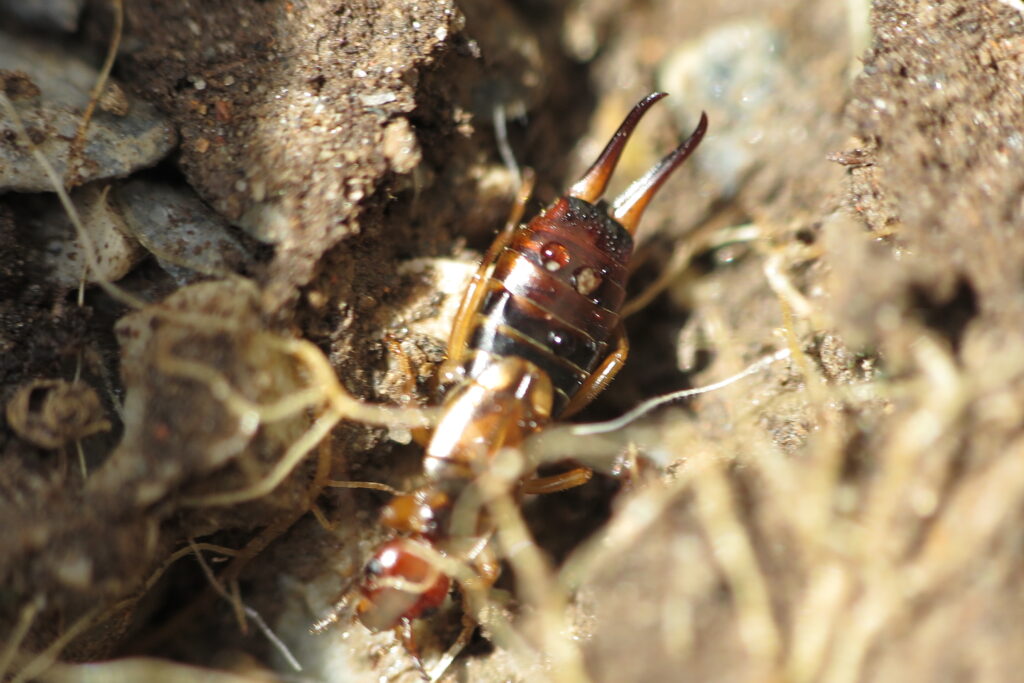
The European Earwig possesses a flattened, elongated body that typically measures between one-half and one inch in length. Its coloration usually ranges from reddish-brown to dark brown. The body appears segmented, with visible forceps at the end of the abdomen.
Silverfish display a very different appearance. Their bodies are covered with silvery scales that create a metallic sheen. The shape resembles a teardrop, gradually narrowing toward the rear.
The most important difference involves the appendages at the end of the abdomen. Earwigs possess curved forceps or pincers, while silverfish have three long tail-like filaments. These structures immediately separate the two species.
European Earwigs also have visible wing covers. Although the wings remain folded beneath these structures, the short forewings are usually apparent. Silverfish completely lack wings.
The two insects can be compared to a pair of pliers and a small fish. Earwigs appear equipped with forceps, while silverfish possess flowing rear filaments that resemble tails. These differences remain visible even from moderate distances.
Coloration further aids identification. Earwigs usually appear brown or reddish, whereas silverfish exhibit gray or metallic silver tones. Lighting often enhances the reflective appearance of silverfish scales.
Movement and Activity Differences
Both species are primarily active during nighttime hours. Darkness provides protection while allowing movement through homes, basements, garages, and outdoor environments. Because of this, people often discover them unexpectedly.
European Earwigs move with a quick running motion. Their legs propel them rapidly across soil, wood, and debris while the body remains close to the ground. They often appear to move with purpose toward shelter.
Silverfish move quite differently. Their bodies wiggle from side to side as they run, creating a fish-like motion that inspired their common name. This movement appears smooth and flowing compared to the direct movements of earwigs.
The difference in movement can be compared to a mouse running versus a fish swimming. Earwigs move with quick, straightforward bursts, while silverfish glide with flexible body motions. Observing movement alone often allows identification.
European Earwigs frequently occupy outdoor areas and occasionally enter structures. Silverfish spend much more time indoors, particularly in damp environments such as bathrooms, basements, and storage areas. These preferences influence where people encounter them.
Seasonal activity also differs. Earwigs commonly appear in gardens and outdoor spaces during warmer months, while silverfish may remain indoors throughout the year. This distinction provides another useful clue.
Habitat, Risk, and Identification Tips
European Earwigs generally occur outdoors beneath rocks, mulch, bark, and garden debris. Although they sometimes enter homes, they usually remain associated with outdoor environments. Moist soil and protected locations support their populations.
Silverfish strongly prefer indoor conditions with high humidity. Bathrooms, laundry rooms, basements, attics, and storage areas often provide suitable environments. Paper products and stored materials may attract them.
Neither species poses significant danger to humans. Earwigs may pinch with their forceps if handled, while silverfish cannot bite or sting. Both insects are considered nuisance species rather than dangerous pests.
Damage potential differs between the two. Earwigs occasionally feed on plants and garden materials, while silverfish may damage paper, books, cardboard, and certain household items. Their impacts depend largely upon location.
A simple identification method involves examining the rear of the body first. Two curved pincers indicate an earwig, while three tail filaments identify a silverfish. This single observation solves most identification problems.
The European Earwig and Silverfish share several superficial similarities, including elongated bodies and nocturnal activity. However, their anatomy, movement, coloration, and preferred environments differ considerably. Understanding these differences allows homeowners and naturalists to confidently identify both species whenever they appear.
Popular Searches About European Earwigs
Explore European Earwigs Guide
Explore More Wildlife

Support Encounters World
Help support wildlife photography and get behind the scenes discoveries on Patreon.