
How to Get Rid of Earwigs: European Earwig Control and Prevention Guide
Quick Facts
Pest Status: Occasional Household and Garden Pest
Most Active Season: Spring through Fall
Common Problem Areas: Gardens, Mulch, Basements, and Foundations
Primary Attraction: Moisture and Shelter
Best Prevention Method: Moisture Reduction and Cleanup
Indoor Risk Level: Low
European Earwig Problems and Why They Appear
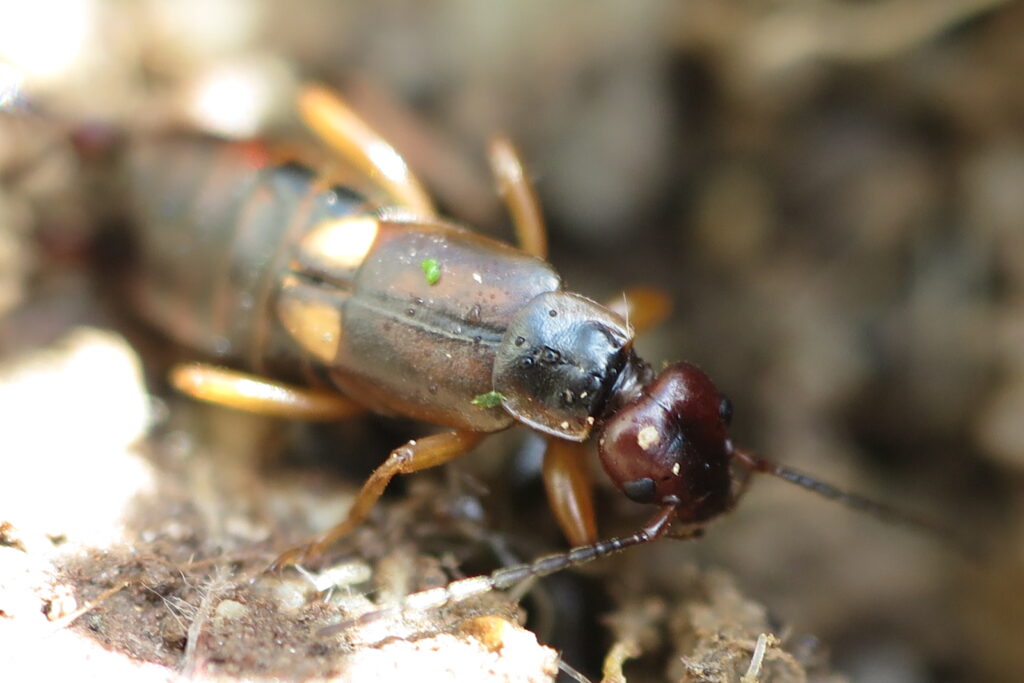
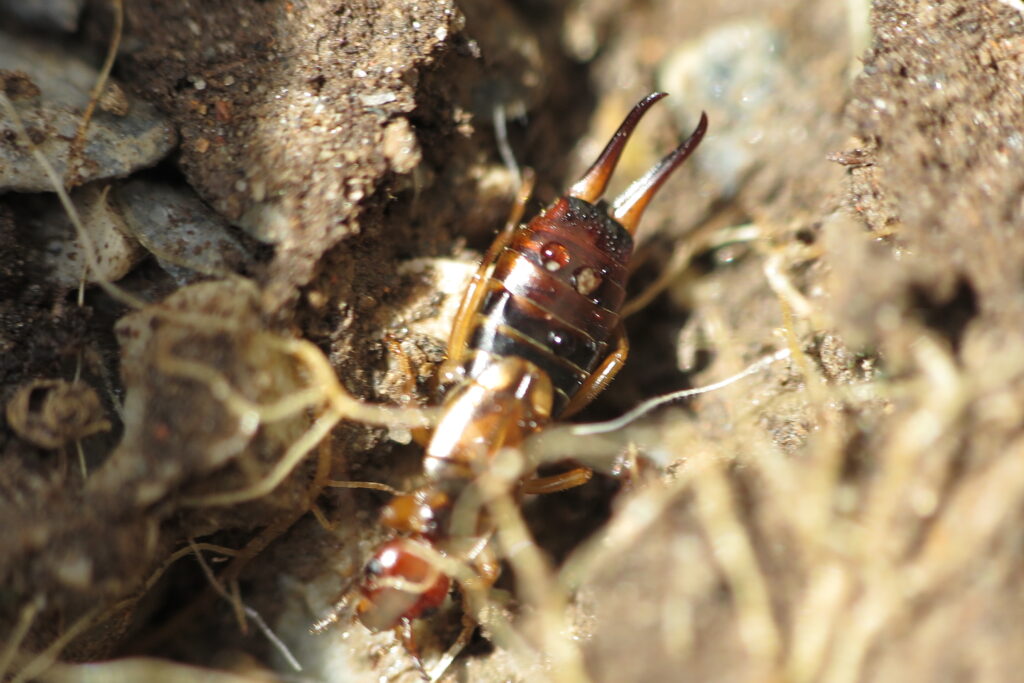
The European Earwig (Forficula auricularia) commonly appears around homes, gardens, and landscaping areas where moisture and shelter are readily available. Although these insects are not dangerous, large numbers can become frustrating when they gather beneath objects or enter buildings. Their presence often surprises homeowners because the insects remain hidden for much of the day.
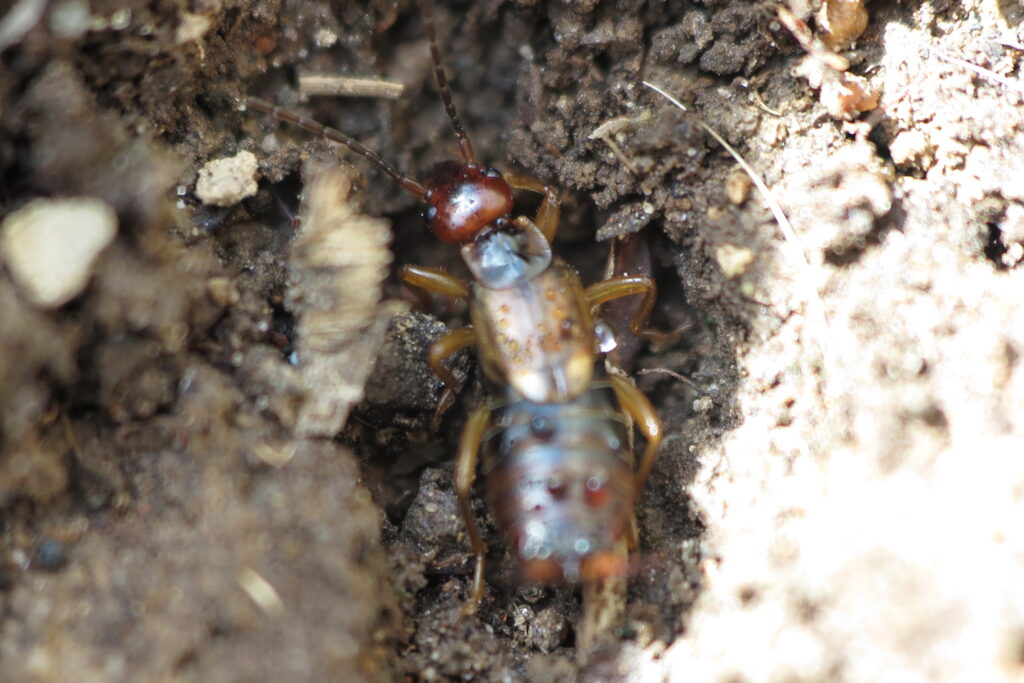
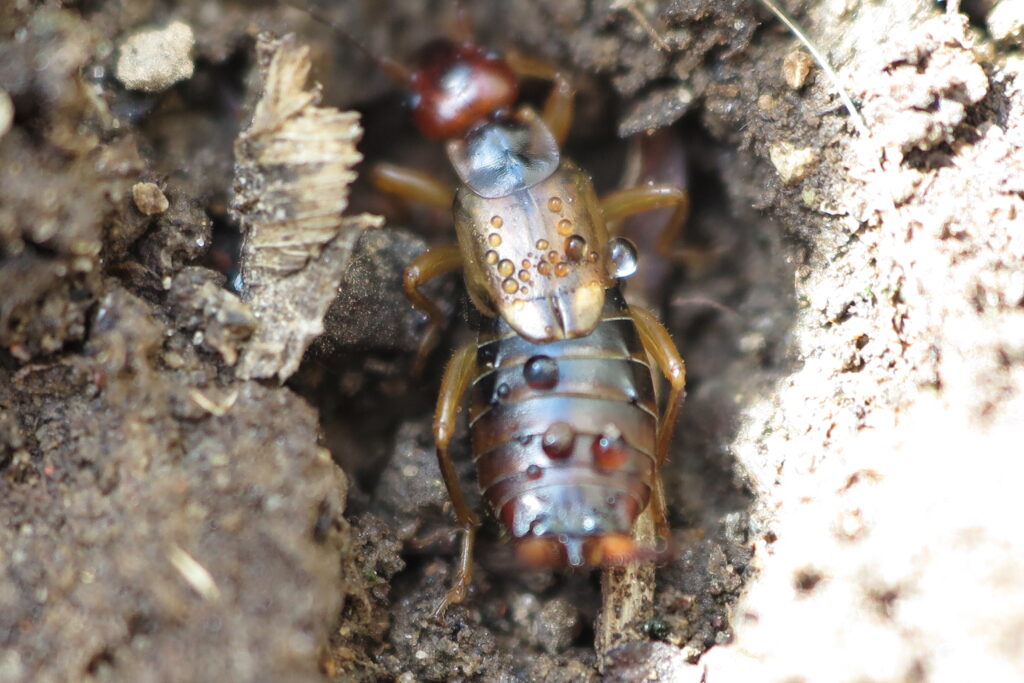
Many infestations begin outdoors rather than indoors. Mulch beds, flower gardens, wood piles, leaf litter, and decorative stones create ideal hiding locations. As populations increase, some individuals may wander into garages, basements, and entryways.
Homeowners frequently discover earwigs after moving flower pots, landscape timbers, or outdoor decorations. Several individuals may occupy the same sheltered location, creating the appearance of an infestation. In reality, these insects simply concentrate where favorable conditions exist.
The situation can be compared to people seeking shade during a hot summer day. Earwigs gather wherever conditions remain cool, protected, and stable. Removing these favorable areas often reduces the number of insects present.
Indoor appearances usually occur accidentally. Small gaps around doors, windows, and foundations allow earwigs to enter structures. Once inside, they often seek dark locations with higher humidity.
Understanding why earwigs appear is the first step toward reducing their numbers. Most control methods focus on making the surrounding environment less attractive rather than eliminating every insect individually.
European Earwig Outdoor Control Methods
Outdoor management remains the most effective approach for reducing earwig populations. Since most individuals live outside, addressing conditions around the home produces the greatest results. Prevention often works better than treatment.
Removing excessive mulch can help reduce shelter opportunities. Thick layers of organic material retain moisture and provide numerous hiding places. Thinner mulch layers often become less attractive to earwigs.
Leaf piles, grass clippings, and yard debris should be cleaned regularly. These materials create cool, protected environments that support large populations. Removing debris reduces the amount of available shelter.
Firewood stacks, decorative rocks, and unused containers may also harbor earwigs. Raising these materials above the ground or relocating them away from structures can reduce activity near homes. Small changes in landscaping often produce noticeable improvements.
Garden irrigation practices may influence earwig abundance. Overwatering creates moist conditions that favor survival. Allowing soil surfaces to dry slightly between watering periods can make certain areas less attractive.
The process resembles removing shade from a campsite to discourage insects. When favorable conditions disappear, populations often decline naturally. Environmental management remains one of the most effective long-term solutions.
Indoor Earwig Prevention and Home Protection
Most earwigs found indoors entered accidentally while searching for shelter. Sealing cracks and gaps around foundations can reduce these entries. Weather stripping around doors and windows also limits access.
Basements, crawl spaces, and garages often provide the cool conditions preferred by earwigs. Reducing humidity through ventilation or dehumidifiers may discourage indoor activity. Dry environments generally support fewer individuals.
Outdoor lighting occasionally attracts insects toward buildings. Reducing unnecessary lighting near entrances may help limit nighttime activity around doors. This simple adjustment can reduce accidental entry.
Vacuuming provides an easy method for removing earwigs found indoors. Since the insects do not reproduce rapidly inside homes, isolated individuals rarely indicate serious infestations. Physical removal is often sufficient.
A house with excessive moisture can function like a sheltered cave for earwigs. Damp conditions encourage them to remain indoors longer. Correcting moisture problems often resolves indoor encounters.
Storage boxes, cardboard, and clutter may provide temporary hiding places. Organizing these materials reduces available shelter and makes future sightings easier to detect. Clean, dry areas become less suitable for earwigs.
Long-Term Earwig Management and Population Reduction
Successful earwig control usually involves several small changes rather than one dramatic treatment. Moisture reduction, habitat cleanup, and exclusion methods often work together to reduce populations. Consistency produces the best results.
Natural predators also help regulate earwig numbers outdoors. Birds, amphibians, spiders, and predatory insects may consume earwigs throughout the year. Healthy ecosystems frequently prevent populations from becoming excessively large.
Chemical treatments are rarely necessary for small populations. Because earwigs are generally harmless and beneficial in some situations, non-chemical approaches often provide sufficient control. Many homeowners find that environmental adjustments solve the problem.
Monitoring conditions throughout spring and summer can identify problem areas early. Damp mulch, accumulated leaves, and excessive debris often predict where earwigs may concentrate. Addressing these locations reduces future activity.
The process can be compared to managing weeds in a garden. Eliminating favorable conditions often proves more effective than repeatedly treating the symptoms. Long-term prevention remains the most reliable solution.
It is important to remember that European Earwigs play natural roles in outdoor ecosystems. Complete elimination is rarely necessary or practical. The goal is usually reducing unwanted encounters around homes and gardens.
Through moisture management, habitat reduction, exclusion techniques, and routine maintenance, most earwig problems can be controlled successfully. These methods provide safe and effective solutions while minimizing impacts on other beneficial organisms in the environment.
Popular Searches About European Earwigs
Explore European Earwig Guide
Explore More Wildlife

Support Encounters World
Help support wildlife photography and get behind the scenes discoveries on Patreon.