
European Earwig Life Cycle: Development, Growth, and Reproduction Stages
Quick Facts
Life Cycle Stages: Egg, Nymph, Juvenile, Adult
Egg Laying Season: Late Winter to Spring
Development Type: Incomplete Metamorphosis
Number of Molts: 4–5 Instars
Average Lifespan: 1–2 Years
Parental Care: Present in Females
European Earwig Life Cycle Overview
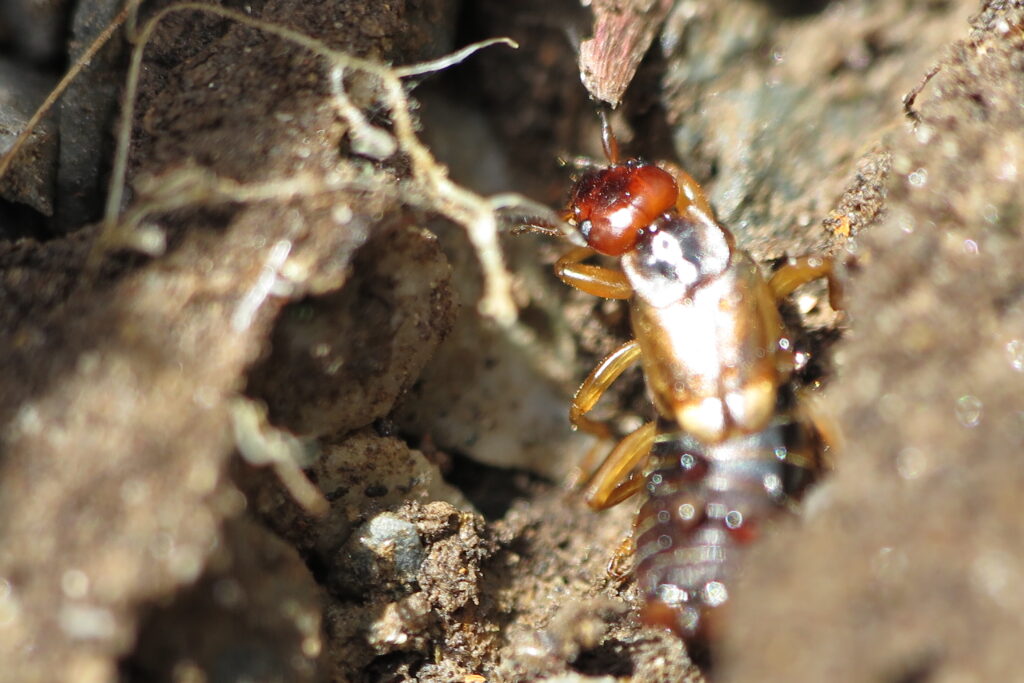
The European Earwig (Forficula auricularia) undergoes a gradual life cycle that transforms a small white egg into a fully developed adult with forceps and wings. Unlike butterflies or beetles that experience complete metamorphosis, earwigs develop through a process known as incomplete metamorphosis. Young individuals resemble miniature adults and become larger through successive molts.
Throughout Europe, North America, and other regions where the species occurs, the timing of development generally follows seasonal changes. Eggs are produced during colder months, while young earwigs emerge as temperatures begin to rise. The warmer seasons provide favorable conditions for growth and development.
Many people only observe adult earwigs, rarely realizing that several life stages occur beneath the soil surface or hidden within sheltered locations. Much of the species’ development takes place in protected environments where moisture and stable temperatures exist. These hidden stages contribute to the insect’s secretive nature.
The life cycle can be compared to a child gradually growing into adulthood rather than undergoing a dramatic transformation. Each stage looks similar to the one before it, but size, coloration, and body structures steadily change over time. This gradual progression distinguishes earwigs from many other insects.
The complete life cycle usually requires approximately one year, although environmental conditions may influence development rates. Temperature, food availability, and seasonal weather all affect how quickly individuals mature. These factors contribute to differences between populations.
European Earwig Egg Stage and Early Development
The life cycle begins when females lay eggs within underground chambers or protected soil cavities. These locations provide stable temperatures and protection from changing weather conditions. The eggs remain hidden beneath the surface during much of their development.
European Earwig eggs appear small, oval, and pale white. They often occur in clusters containing several dozen eggs. Their smooth appearance contrasts sharply with the darker coloration of adult earwigs.
One of the most remarkable features of the species involves maternal care. Female earwigs remain with the eggs and actively protect them. This behavior is relatively uncommon among insects and greatly increases the survival of the developing young.
The female also cleans and rearranges the eggs during development. These actions help prevent fungal growth and maintain suitable conditions. Her attention continues until the young eventually emerge.
The egg chamber can be compared to a nursery protected beneath the soil. The female serves as both guardian and caretaker throughout this vulnerable period. Few insects provide such extensive parental attention.
Environmental conditions strongly influence development time. Cooler temperatures may slow growth, while favorable conditions allow embryos to develop more rapidly. The eggs eventually hatch into small nymphs that resemble tiny adults.
Nymph Growth and Juvenile Development
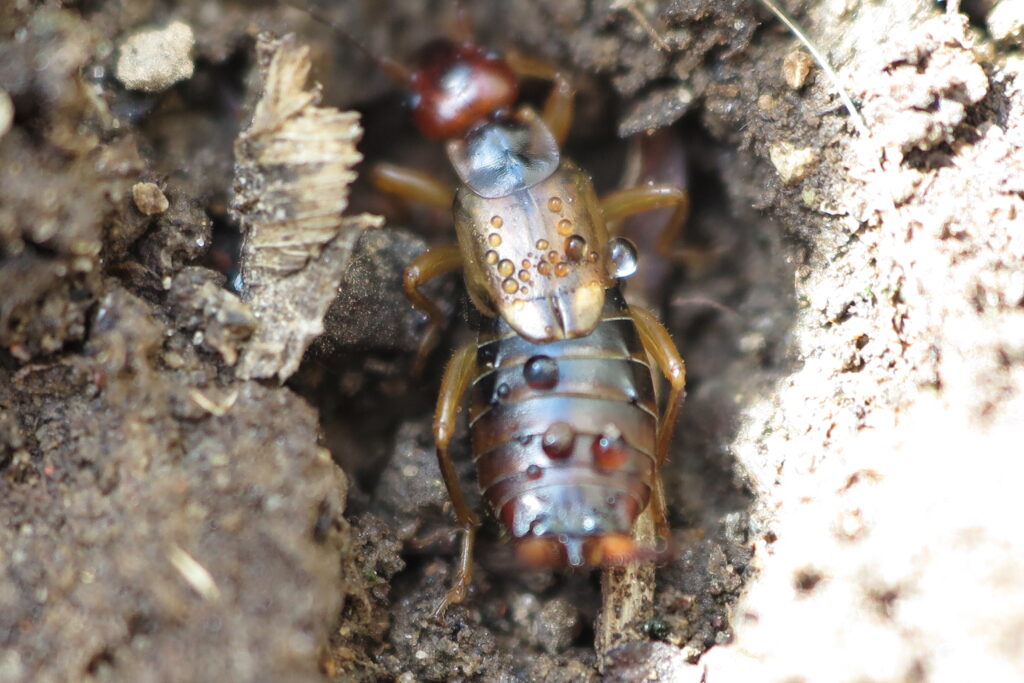
Newly hatched earwigs emerge as pale, soft-bodied nymphs. Although they resemble adults, they lack fully developed forceps, wings, and darker coloration. Their small size makes them difficult to observe in natural settings.
As growth continues, the nymphs pass through several developmental stages called instars. During each molt, the outer exoskeleton is shed and replaced with a larger one. This process allows the insect to increase in size.
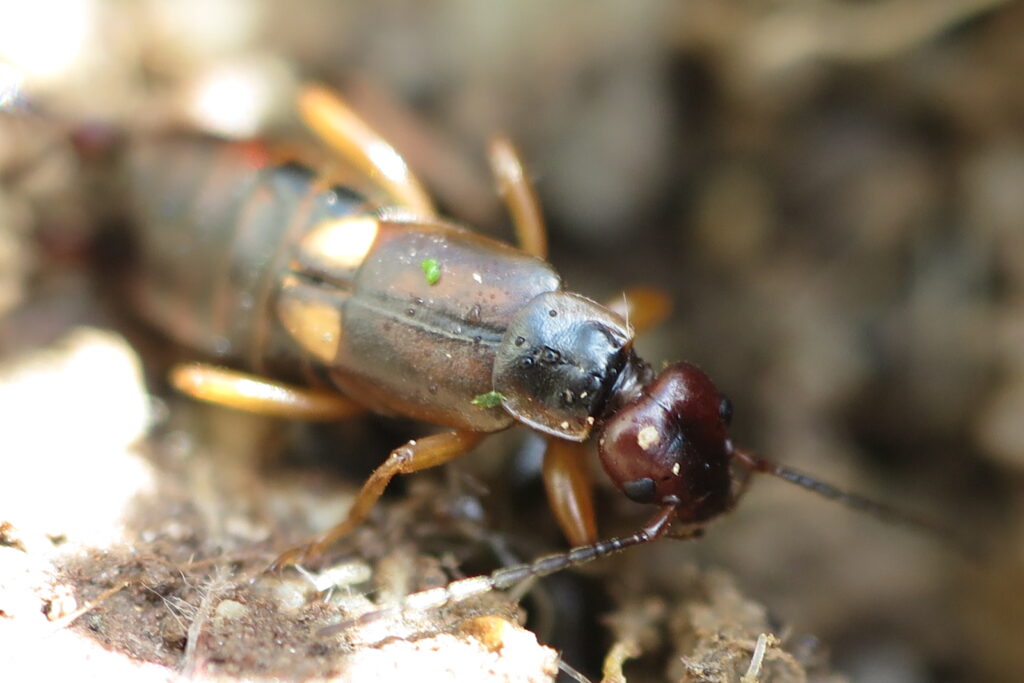
The body gradually darkens with age. Forceps become more pronounced, and adult characteristics slowly develop. Each successive stage brings the insect closer to maturity.
Young earwigs often remain near the female during their earliest stages. This association provides additional protection while the nymphs become established. Maternal care gradually decreases as the young become more independent.
The growth process resembles a child repeatedly outgrowing clothing and replacing it with larger sizes. Each molt provides additional space for continued development. Over several stages, the insect acquires its adult appearance.
Development rates vary depending on environmental conditions. Warm temperatures and abundant food often accelerate growth, while unfavorable conditions may slow it. These differences influence how quickly individuals reach adulthood.
Adult Stage and Reproductive Maturity
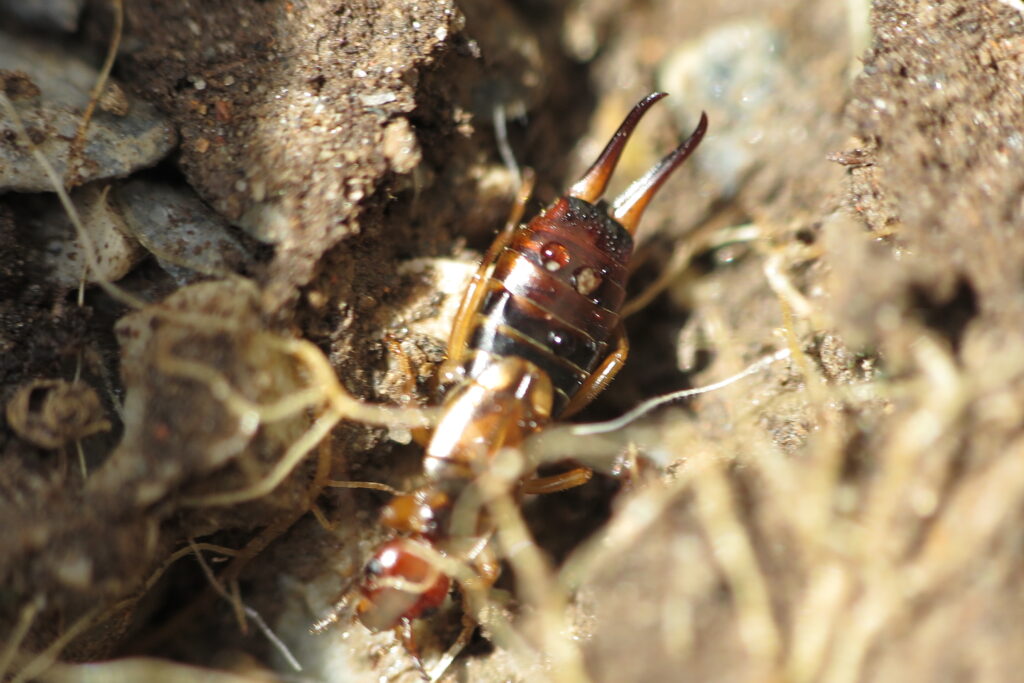
After completing several molts, the European Earwig reaches adulthood. Mature individuals possess fully developed forceps, hardened exoskeletons, and reproductive organs. Adult coloration generally becomes darker and more consistent.
Males and females can be distinguished by the shape of their forceps. Males possess larger and more strongly curved pincers, while females typically display straighter appendages. These differences assist identification in the field.
Adults spend much of their lives feeding, reproducing, and preparing for future generations. The reproductive cycle eventually begins again when females create underground chambers for egg laying. This annual pattern maintains local populations.
The adult stage often lasts several months. During this time, individuals experience seasonal changes, environmental fluctuations, and various survival challenges. Their longevity contributes to the success of the species.
The mature earwig can be compared to a fully developed tool that has acquired all of its functional components. The forceps, wings, and hardened body represent the final stage of development. These structures allow adults to reproduce and survive.
Most individuals complete their life cycle within one to two years. Environmental conditions, climate, and resource availability influence lifespan. Some adults survive long enough to experience multiple seasons before dying.
The European Earwig life cycle demonstrates a gradual pattern of growth from protected eggs to independent adults. Through incomplete metamorphosis, repeated molts, and maternal care, the species successfully develops across a variety of environments. These developmental stages contribute to the continued success of one of the world’s most recognizable earwigs.
Popular Searches About European Earwigs
Explore European Earwig Guide
Explore More Wildlife

Support Encounters World
Help support wildlife photography and get behind the scenes discoveries on Patreon.