
Banker Horse Adaptations Guide: Survival Traits and Unique Coastal Adaptations
Quick Facts
Adaptation Type: Physical, Behavioral, and Physiological
Primary Survival Feature: Efficient Use of Coastal Resources
Environmental Specialization: Barrier Island Ecosystems
Most Notable Adaptation: Strong Hooves and Compact Build
Climate Tolerance: Heat, Wind, Salt, and Seasonal Storms
Survival Advantage: Ability to Thrive in Resource-Limited Environments
Introduction to Banker Horse Adaptations
The Banker Horse (Equus ferus caballus) is one of the most unique feral horse populations in North America. Descended from colonial-era horses, these animals have spent centuries adapting to life on North Carolina’s barrier islands. Over generations, natural selection favored traits that improved survival in a coastal environment unlike the grasslands and plains commonly associated with horses.
Adaptations are characteristics that increase an animal’s ability to survive and reproduce within a particular environment. In the case of the Banker Horse, these traits developed in response to isolation, changing weather conditions, limited resources, and the challenges associated with living near the Atlantic Ocean. The result is a horse population with a distinctive combination of physical and physiological features.
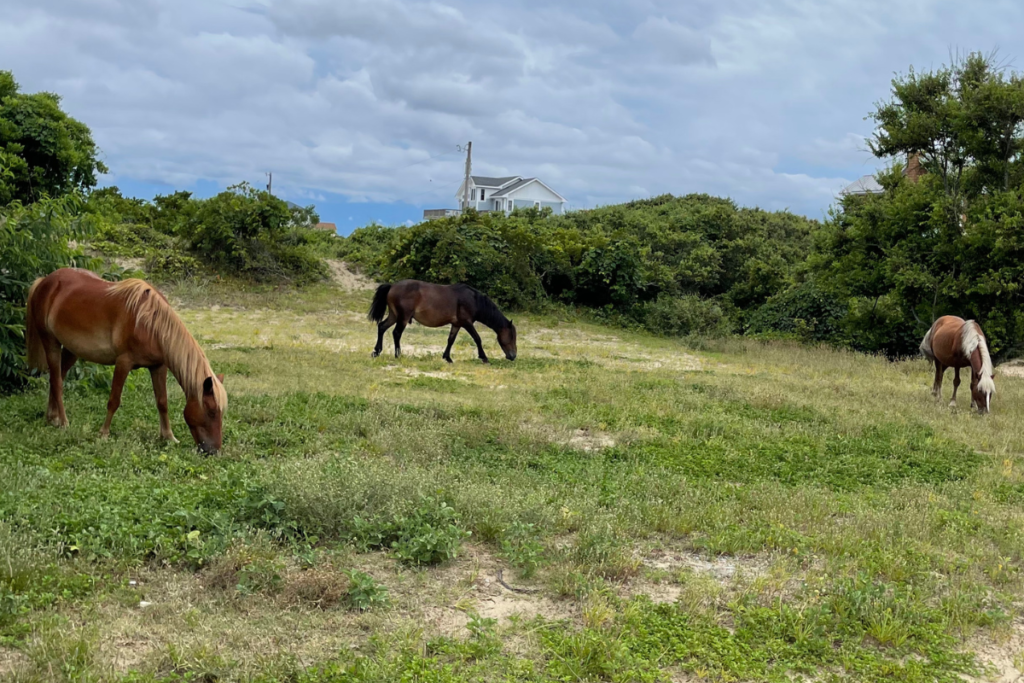
Many of these adaptations are visible to observers. The compact body, durable hooves, and efficient overall build immediately distinguish Banker Horses from numerous modern horse breeds. Other adaptations operate internally and influence how the horses process food, conserve energy, and withstand environmental stress.
Together, these traits have allowed Banker Horses to persist for hundreds of years in an environment that might seem unsuitable for large mammals. Their continued survival serves as an impressive example of how animals can gradually adapt to unique ecological conditions over time.
Banker Horse Physical Adaptations for Coastal Survival
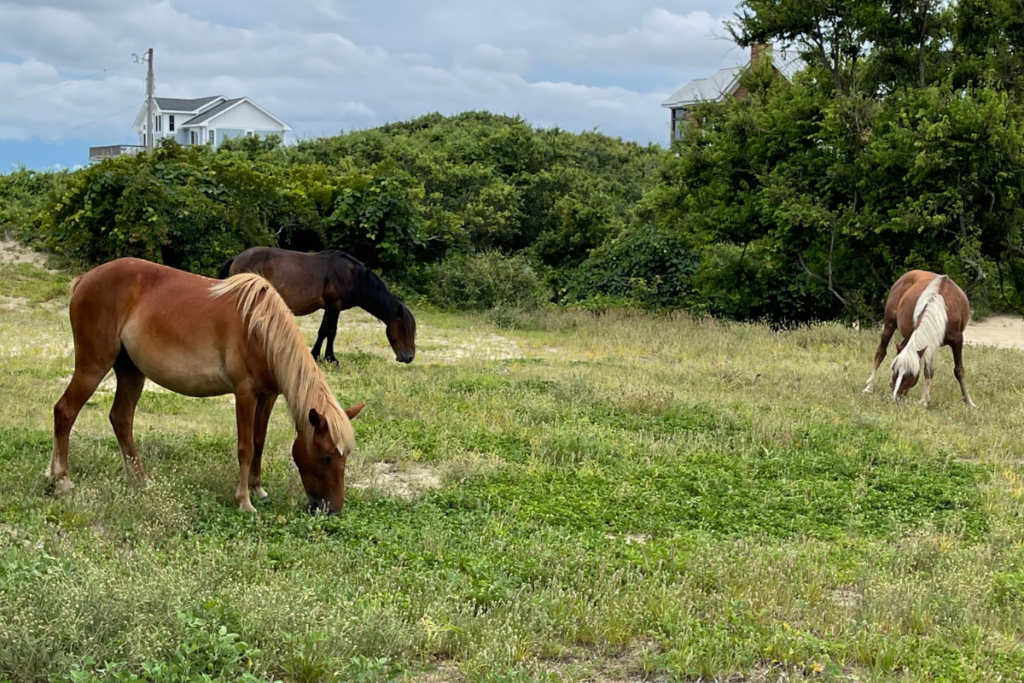
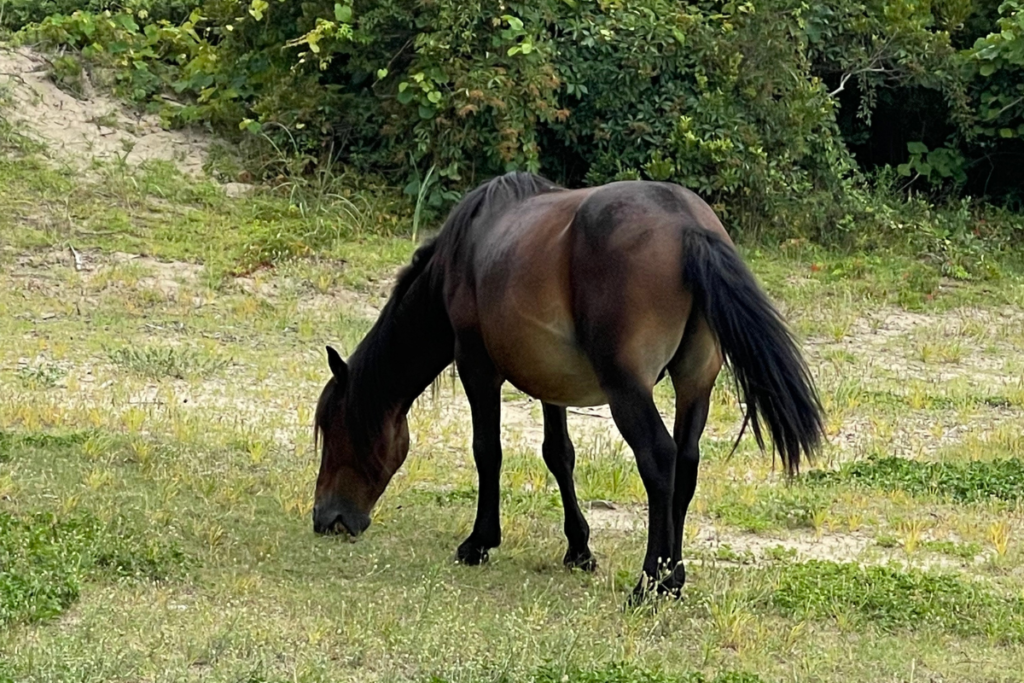
One of the most important physical adaptations is the compact body structure of the Banker Horse. Compared to many domestic riding breeds, these horses tend to be shorter, sturdier, and more efficient in overall design. This body type requires fewer resources to maintain while still providing strength and endurance.
Their relatively small size offers several advantages. A compact horse generally requires less food and water than a much larger animal. In environments where resources fluctuate throughout the year, this efficiency can significantly improve survival prospects.
Strong legs and balanced proportions contribute to movement across uneven terrain. The body structure resembles a well-designed off-road vehicle rather than a specialized racing machine. Every part of the horse appears suited for practicality rather than speed alone.
Another notable adaptation involves the thick mane and tail commonly observed in many individuals. These features provide additional protection from weather, insects, and environmental exposure. While often viewed simply as cosmetic traits, they can contribute to overall resilience.
The combination of moderate size, sturdy proportions, and efficient body design has allowed Banker Horses to persist in an environment that places continual demands on physical performance. These characteristics remain among the population’s most recognizable adaptations.
Banker Horse Hoof and Physiological Adaptations
The hooves of Banker Horses are widely regarded as one of their most remarkable adaptations. Generations of natural selection have favored exceptionally durable hooves capable of functioning without horseshoes. This trait allows the horses to move effectively across varied coastal terrain.
Strong hoof walls help resist wear while providing stability. Unlike many domestic horses that rely on regular hoof maintenance, Banker Horses must depend entirely on natural hoof quality. Their success demonstrates the effectiveness of this adaptation.
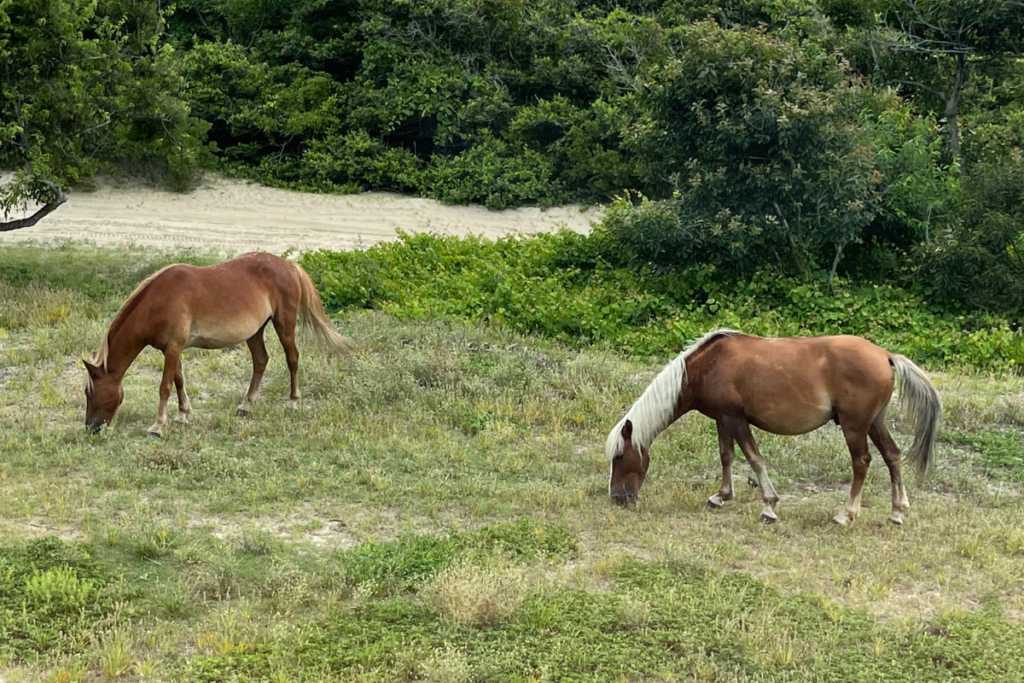
Physiological efficiency also plays an important role in survival. Banker Horses are capable of extracting nutrients from vegetation that may be considered relatively low quality by domestic horse standards. This ability allows them to maintain condition even when resources are not ideal.
Water management represents another important physiological adaptation. Although freshwater remains essential, Banker Horses have developed the ability to cope with conditions influenced by salt exposure. This tolerance contributes to their long-term success in coastal environments.
A useful comparison is to think of these horses as fuel-efficient vehicles. Rather than requiring premium resources at all times, they are capable of functioning effectively under conditions that might challenge less adapted populations. This efficiency is a major reason for their continued survival.
Banker Horse Environmental and Behavioral Adaptations
Banker Horses have also developed adaptations that help them cope with changing environmental conditions. Coastal ecosystems experience storms, strong winds, temperature fluctuations, and seasonal variation. Survival requires flexibility and the ability to respond to these challenges over time.
Weather tolerance is particularly important. These horses regularly experience conditions ranging from hot, humid summers to cold winter storms. Their coats adjust seasonally, providing insulation during cooler periods while remaining suitable for warmer weather.
Another adaptation involves efficient energy use. Rather than expending unnecessary effort, Banker Horses often maintain a steady pace throughout daily activities. This strategy helps conserve resources while still allowing individuals to travel and function effectively.
Long-term isolation has likely reinforced many of these adaptations. Because the population remained separated from most mainland horse populations, traits beneficial to coastal survival were preserved across generations. This process gradually strengthened characteristics that improved fitness within the local environment.
Perhaps the greatest adaptation of the Banker Horse is the way multiple traits work together. Durable hooves, efficient digestion, compact body structure, weather tolerance, and resource conservation collectively form a survival package perfectly suited to life on barrier islands. These adaptations have allowed the population to endure for centuries and remain one of the most successful feral horse populations in North America.
Popular Searches About Banker Horses
Explore Banker Horse Guide
Explore More Wildlife

Support Encounters World
Help support wildlife photography and get behind the scenes discoveries on Patreon.