
Banker Horse Behavior Guide: Social Structure, Movement Patterns, and Survival Behaviors
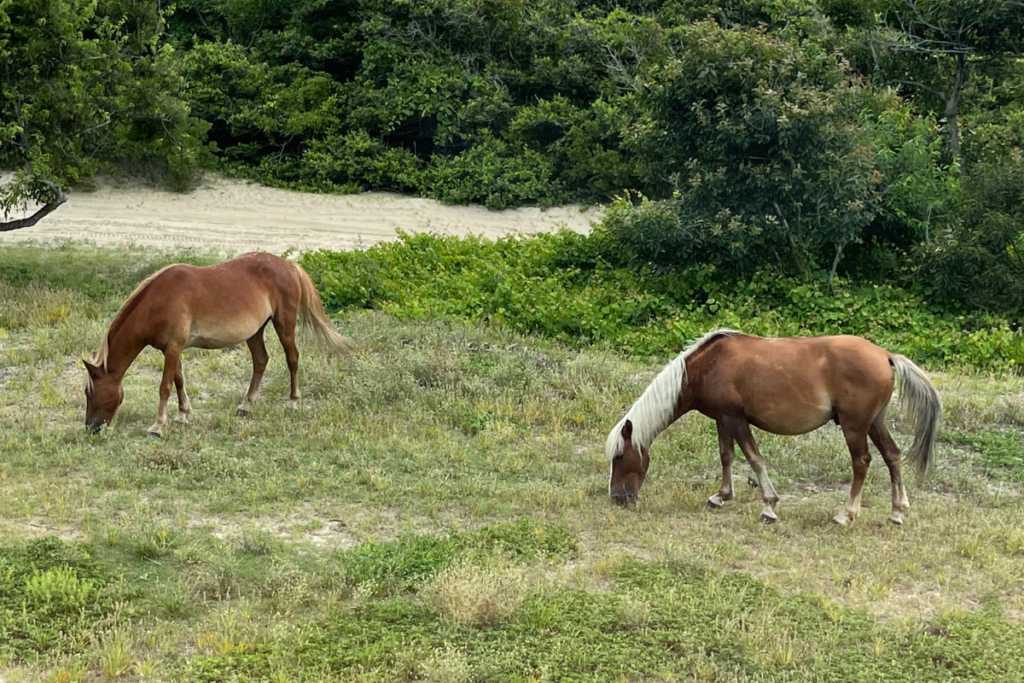
Quick Facts
Activity Type: Primarily Diurnal
Social Structure: Herd-Based Bands
Territorial Behavior: Limited Territoriality Within Herds
Movement Style: Steady Walking with Occasional Bursts of Speed
Communication Method: Vocalizations, Body Language, and Facial Signals
Defense Strategy: Group Awareness and Rapid Flight Response
Introduction to Banker Horse Behavior
The Banker Horse (Equus ferus caballus) is a feral horse population found along the barrier islands of North Carolina. Descended from domestic horses introduced centuries ago, these animals have developed behavioral patterns that allow them to function successfully without direct human management. Their daily activities reflect a balance between conserving energy and responding to the challenges of a natural environment.
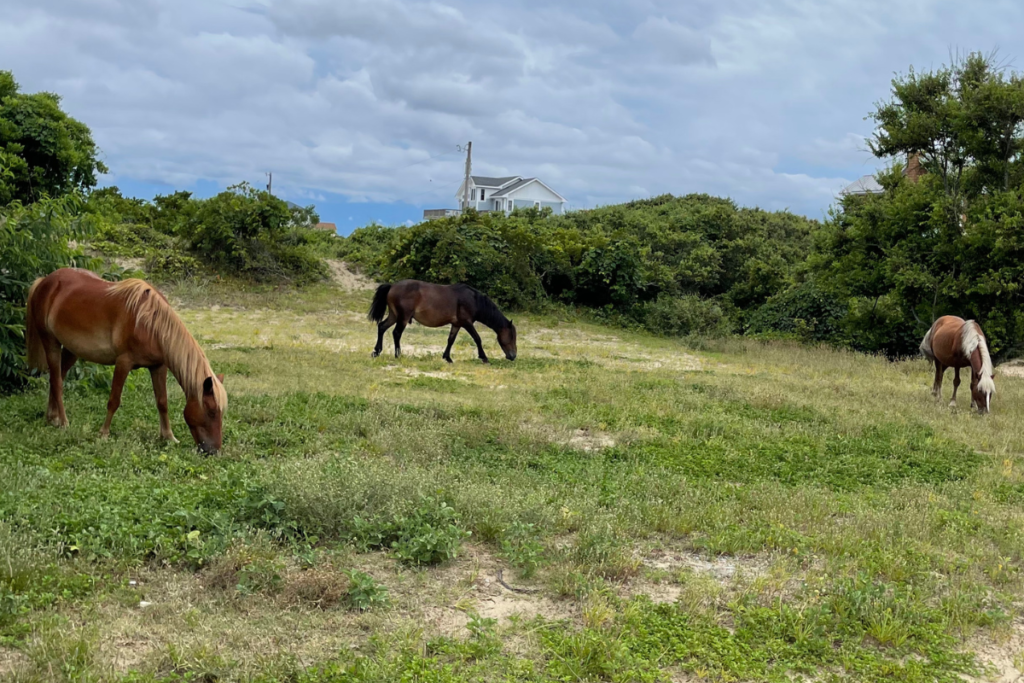
Observing a group of Banker Horses often creates a sense of calm movement across the landscape. Individuals may spend long periods traveling, pausing, and interacting while remaining loosely connected to the rest of the herd. Even when spread across a large area, the animals maintain an awareness of one another.
Unlike many large mammals that spend much of the day resting in one location, Banker Horses are frequently on the move. Their behavior reflects the need to continuously navigate their surroundings while remaining attentive to changing conditions. This creates a lifestyle characterized by steady activity rather than long periods of complete inactivity.
To a wildlife observer, the herd often appears organized without seeming rigidly structured. Horses drift, regroup, and reposition themselves naturally, creating a constantly shifting social landscape. These subtle interactions form the foundation of their behavioral ecology.
Banker Horse Behavioral Tendencies and Daily Habits
Banker Horses generally display calm and deliberate behavioral tendencies. When undisturbed, they often move through their environment at a relaxed pace while maintaining awareness of nearby herd members. Their behavior rarely appears rushed unless a specific situation demands a faster response.
A notable characteristic is their balance between independence and social cohesion. Individual horses frequently make their own movements and decisions, yet they seldom stray far from the group. This relationship resembles a family walking through a park, where members spread out but remain connected.
Adaptability is another defining aspect of their behavior. Weather conditions, resource availability, and seasonal changes can influence how much time horses spend moving, resting, or interacting. This flexibility has helped the population persist for generations in a dynamic environment.
When viewed from a distance, Banker Horses often appear remarkably patient. They may spend extended periods engaged in routine activities while exhibiting little unnecessary movement. This energy-efficient lifestyle allows them to maintain steady daily activity without excessive exertion.
The overall temperament of the population is generally alert but not constantly reactive. Horses routinely monitor their surroundings while continuing their normal activities. This combination of attentiveness and composure contributes to the stable social structure commonly observed within herds.
Banker Horse Movement and Activity Patterns
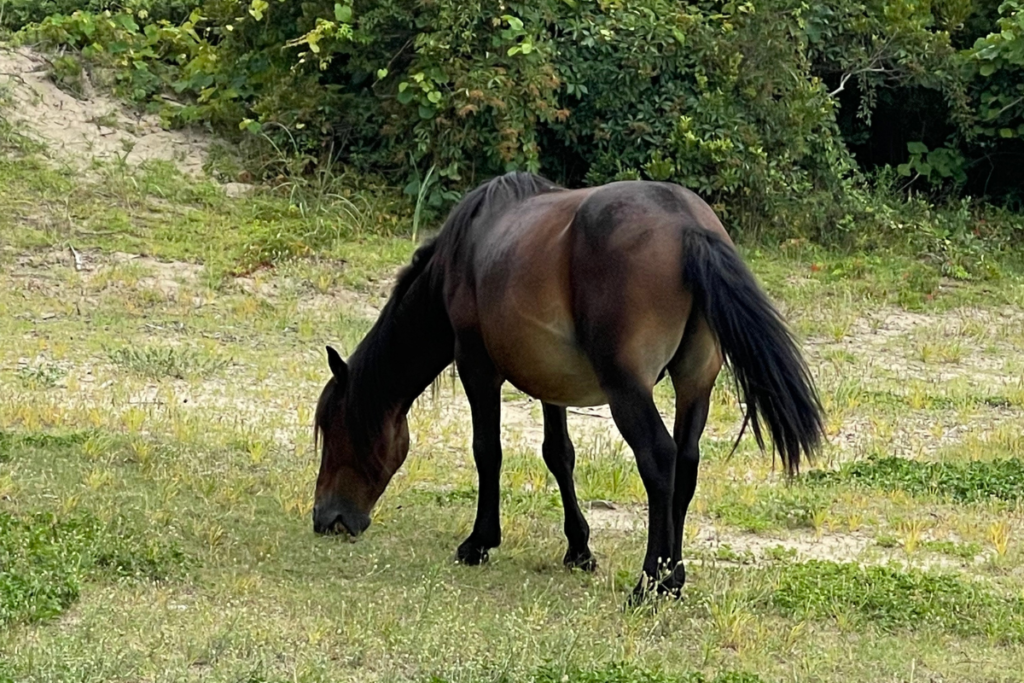
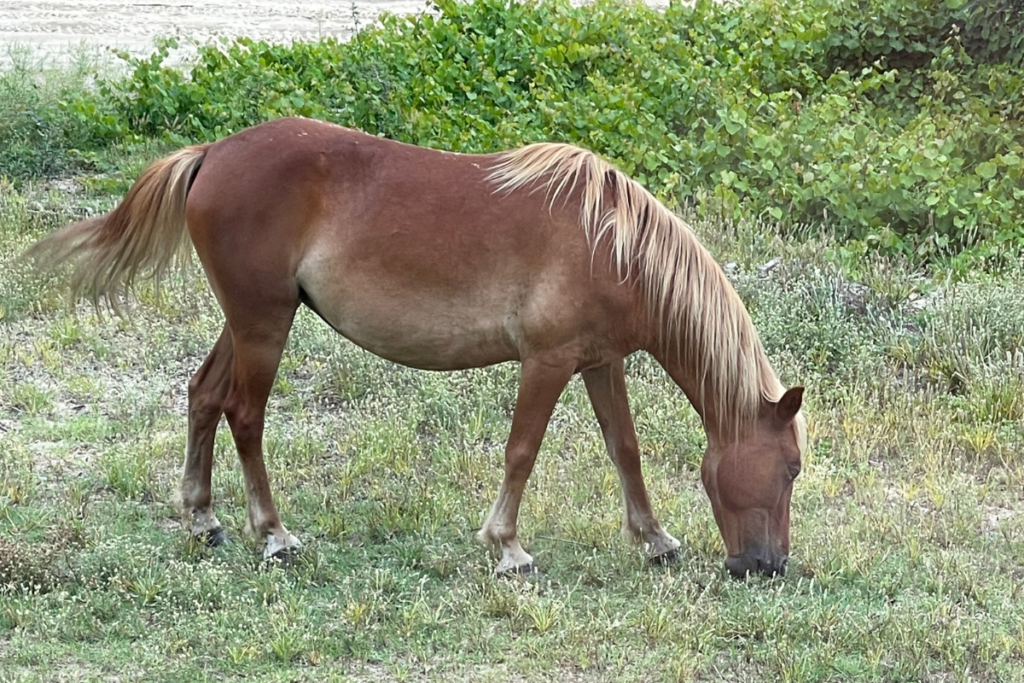
Movement plays a central role in the daily life of a Banker Horse. Most travel occurs through walking, allowing individuals to cover significant distances while conserving energy. This steady pace can continue for hours as horses move across the landscape.
The majority of activity occurs during daylight hours. Early morning and late afternoon are often periods of increased movement, while the hottest portions of the day may involve reduced activity. This schedule helps balance energy use with environmental conditions.
Their gait is typically smooth and efficient. A herd moving together often resembles a slow-moving river, with individuals flowing around obstacles while maintaining overall direction. This coordinated movement allows the group to travel without requiring constant interaction.
Although walking dominates their daily routine, Banker Horses are capable of impressive bursts of speed. When necessary, they can quickly transition into trotting, cantering, or galloping. These faster movements are generally reserved for specific circumstances rather than routine travel.
Seasonal changes can influence activity patterns as well. During certain times of the year, horses may spend more time traveling or interacting with herd members. Despite these variations, efficient movement remains a defining characteristic of the species throughout the year.
Banker Horse Interaction and Survival Behavior
Social interaction is fundamental to Banker Horse survival. Herd members constantly exchange information through posture, ear position, facial expressions, and vocalizations. These signals allow individuals to communicate without relying solely on sound.
When potential danger is detected, horses often respond collectively. One individual’s awareness may quickly influence the behavior of nearby herd members. This shared vigilance increases the likelihood that threats are detected early.
Flight is the primary defense strategy. Rather than confronting danger directly, Banker Horses typically rely on speed and mobility. A startled herd can move rapidly away from perceived threats, demonstrating the powerful survival instincts retained from their wild ancestors.
Hierarchy also plays a role in daily interactions. While dominance relationships exist, they are often maintained through subtle displays rather than constant conflict. A change in posture, movement, or position may communicate social status without requiring physical confrontation.
One particularly interesting survival behavior is the tendency for herd members to remain aware of one another even while spread out across a large area. If one horse reacts suddenly, nearby individuals often respond as well. This network of shared awareness functions much like an early warning system, helping the herd respond quickly to changing conditions while maintaining the social connections that are essential to long-term survival.
Popular Searches About Banker Horses
Explore Banker Horse Guide
Explore More Wildlife

Support Encounters World
Help support wildlife photography and get behind the scenes discoveries on Patreon.