
Banker Horse Distribution Guide: Range, Population Locations, and Geographic Distribution
Quick Facts
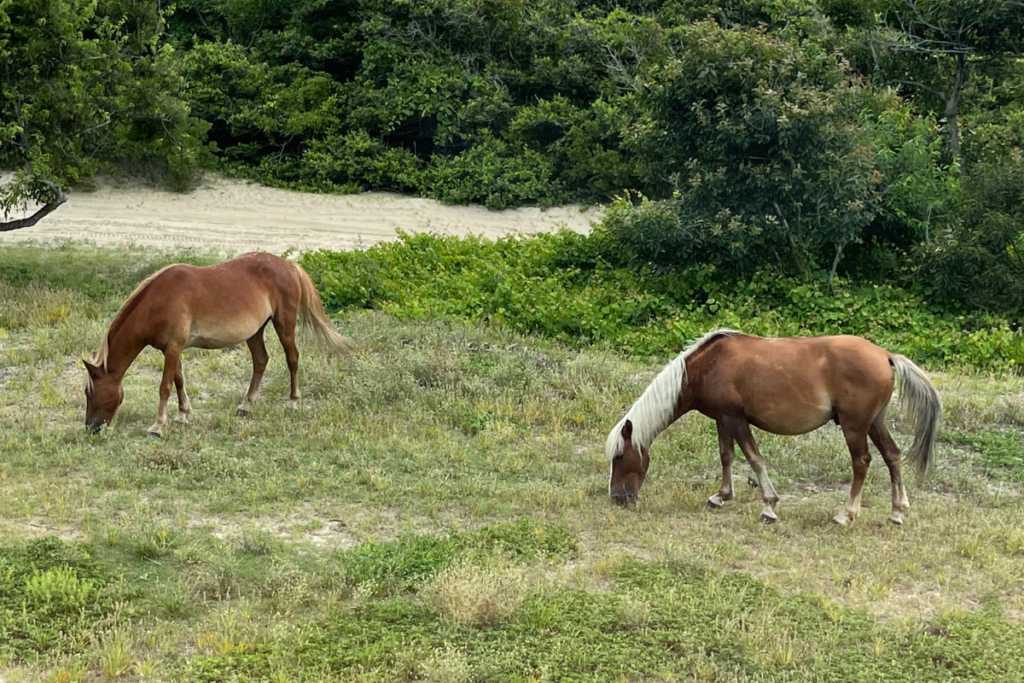
Native Range: North Carolina Barrier Islands
Primary Population Areas: Corolla and Shackleford Banks
Geographic Region: Atlantic Coast of the United States
Historic Distribution: Broader Coastal North Carolina Region
Current Distribution: Isolated Barrier Island Populations
Population Type: Managed Feral Horse Population
Introduction to Banker Horse Distribution
The Banker Horse (Equus ferus caballus) is one of the most geographically unique feral horse populations in North America. Unlike western horse populations that occupy vast stretches of public land, Banker Horses are confined to a relatively small portion of the Atlantic coastline. Their restricted distribution has contributed significantly to their distinct identity and historical importance.
For centuries, these horses have been associated with North Carolina’s barrier islands. Their presence within this narrow coastal region has allowed them to develop characteristics that distinguish them from many other feral horse populations. The combination of isolation and environmental pressures has helped preserve traits linked to their historical ancestry.
Modern Banker Horse populations occur within a limited geographic area, making them one of the most localized horse populations in the United States. Despite their small range, they remain internationally recognized because of their cultural significance and connection to early colonial history.
Understanding where Banker Horses live provides important insight into their conservation, genetics, and long-term survival. Their distribution is not simply a matter of geography; it represents centuries of adaptation within one of the most distinctive coastal environments in North America.
Banker Horse Historic Range and Geographic Origins
Historical evidence suggests that horses associated with the Banker lineage once occupied a broader portion of North Carolina’s coastal region. During earlier centuries, populations likely occurred across multiple barrier islands and adjacent coastal areas. These horses became established as European exploration and settlement expanded throughout the region.
The barrier islands served as natural corridors connecting various coastal landscapes. Horses moving through these environments may have occupied larger areas than the populations observed today. Historical accounts describe feral horses as familiar features of portions of the Atlantic coastline.
Over time, changes in land use, development, transportation, and human activity influenced distribution patterns. Areas that once supported horse populations gradually became less suitable as coastal communities expanded. These changes contributed to the fragmentation of the historical range.
Isolation eventually became one of the defining characteristics of the Banker Horse population. As populations became separated from one another and from mainland horse populations, distinct traits were preserved. This separation helped maintain the genetic and physical characteristics associated with the Banker Horse.
A useful comparison is to imagine islands functioning as natural time capsules. While horse populations elsewhere mixed extensively with outside breeds, the relative isolation of coastal populations allowed certain historical characteristics to persist. This process played a major role in shaping the distribution seen today.
Modern Banker Horse Population Locations
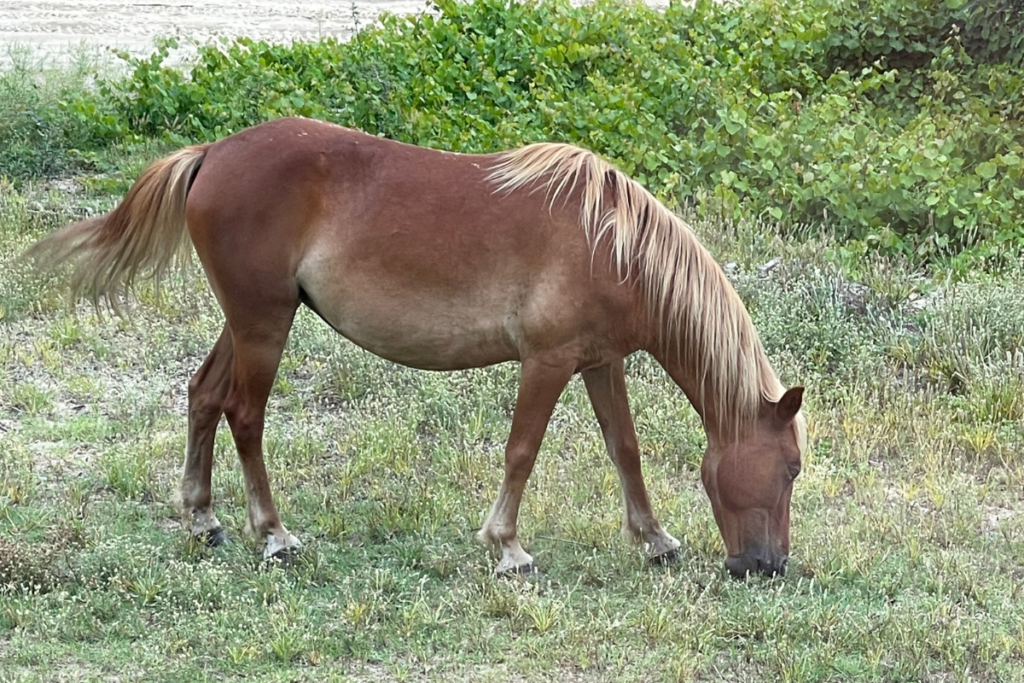
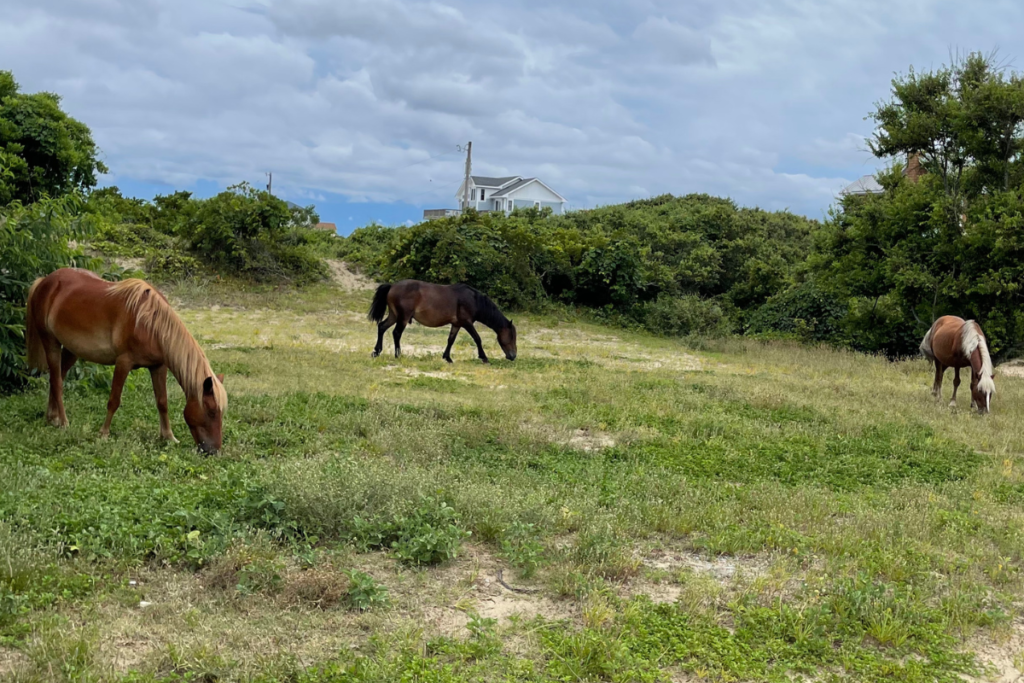
Today, the most well-known Banker Horse population occurs near Corolla in the northern Outer Banks. These horses have become famous among visitors and wildlife enthusiasts who travel to the region hoping to observe them. The Corolla herd represents one of the most visible examples of the Banker Horse population.
Another important population occurs on Shackleford Banks. This herd occupies a separate section of North Carolina’s barrier island system and contributes significantly to the preservation of the Banker Horse lineage. The Shackleford population remains an important focus of conservation and management efforts.
Although both populations belong to the Banker Horse lineage, geographic separation has created distinct herd units. Each population occupies its own portion of the coastline while maintaining the characteristics that define the breed. This separation helps reduce excessive concentration within a single location.
Unlike Mustangs, which occur across numerous western states, Banker Horses are confined to only a handful of coastal population centers. Their limited distribution makes them considerably more vulnerable to environmental change and population fluctuations.
Despite occupying a relatively small geographic area, these populations attract attention from around the world. Their distribution may be limited, but their historical and cultural significance extends far beyond the boundaries of North Carolina.
Factors Influencing Banker Horse Distribution
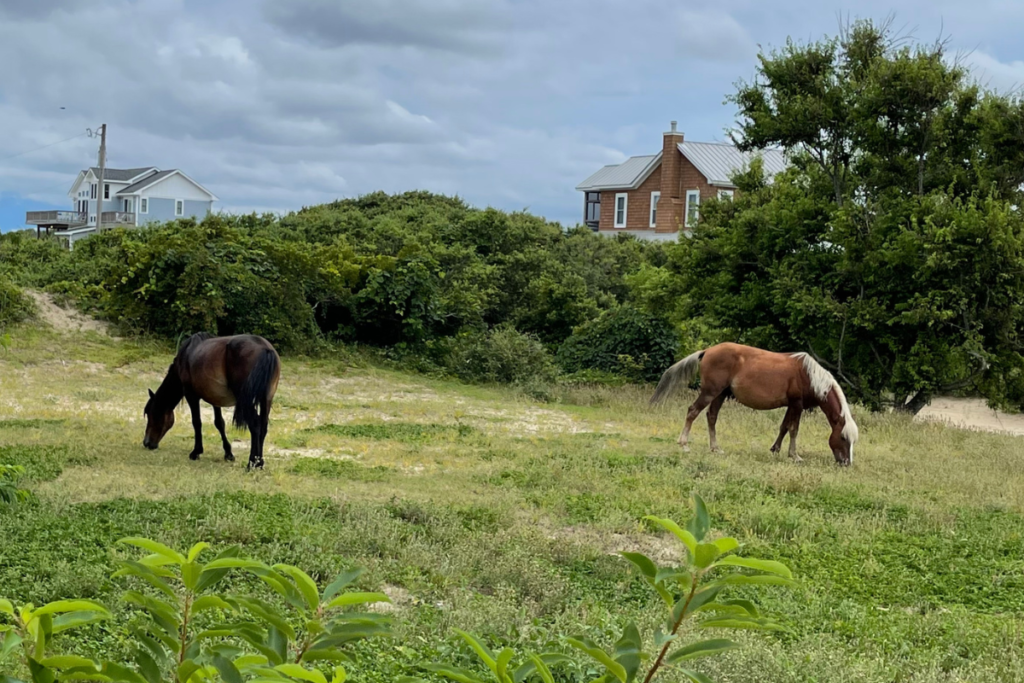
Geographic isolation remains one of the most important factors influencing Banker Horse distribution. Barrier islands naturally separate populations from mainland environments and restrict opportunities for large-scale expansion. These natural boundaries have shaped distribution patterns for generations.
Coastal landscapes themselves play a significant role. Suitable areas must contain enough resources to support horse populations while also providing space for movement and population stability. Not every section of coastline can support long-term horse occupancy.
Human management has become another important influence. Because Banker Horses exist within a restricted range, conservation programs often help maintain healthy population levels and prevent overcrowding. These efforts contribute directly to the modern distribution of the population.
Environmental events can also affect distribution patterns. Hurricanes, coastal storms, erosion, and shifting landscapes continually reshape portions of the barrier islands. These natural processes influence the locations where horses can persist over long periods.
The modern distribution of the Banker Horse reflects a combination of history, geography, conservation, and environmental conditions. While their range is far smaller than that of many feral horse populations, it remains one of the most distinctive in North America. The continued presence of Banker Horses within North Carolina’s barrier islands serves as a living reminder of the population’s remarkable history and enduring connection to the Atlantic coast.
Popular Searches About Banker Horses
Explore Banker Horse Guide
Explore More Wildlife

Support Encounters World
Help support wildlife photography and get behind the scenes discoveries on Patreon.