
Banker Horse Habitat Guide: Where Banker Horses Live and Thrive
Quick Facts
Primary Habitat: Barrier Island Landscapes
Secondary Habitat: Maritime Forests and Coastal Grasslands
Climate Preference: Warm Temperate Coastal Climate
Environment Type: Coastal Ecosystems
Elevation / Depth Range: Sea Level to Low Coastal Elevations
Geographic Distribution: Outer Banks and Coastal Barrier Islands of North Carolina
Introduction to Banker Horse Habitat
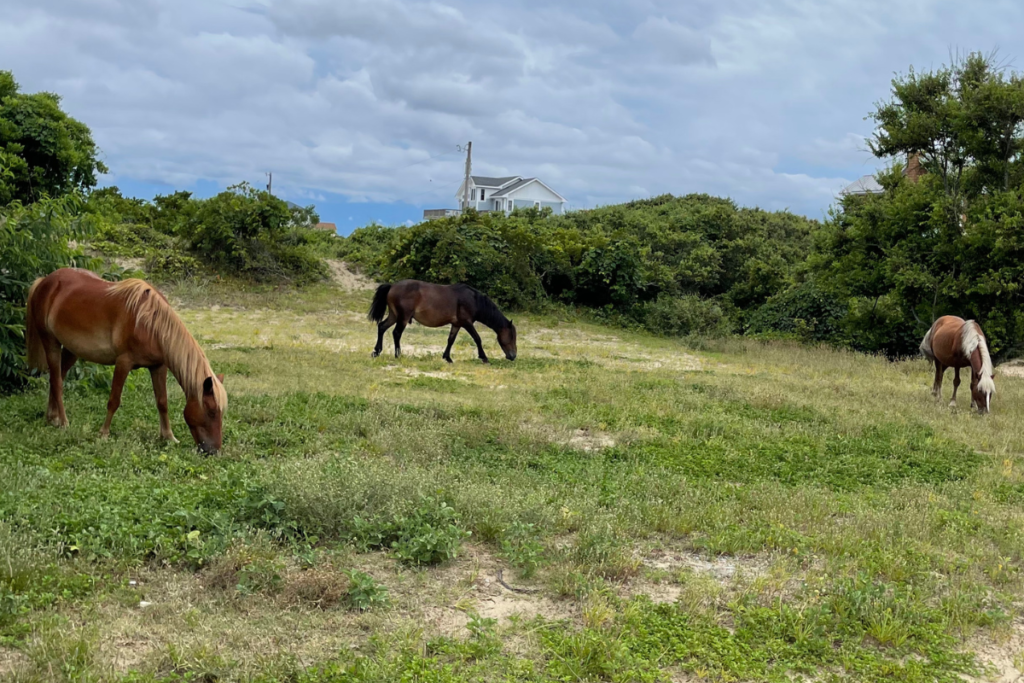
The Banker Horse (Equus ferus caballus) is a feral horse population associated with the barrier islands of North Carolina. Unlike many horse populations that occupy grasslands, plains, or mountain valleys, these horses are connected to a narrow strip of land positioned between the Atlantic Ocean and mainland coastal environments. Their surroundings create one of the most distinctive settings occupied by any feral horse population in North America.
Across the world, horses have successfully adapted to a wide range of environments, from open steppes to desert regions. The Banker Horse represents a unique example of a population living within a coastal ecosystem shaped by wind, salt, storms, and shifting landscapes. This setting differs dramatically from the environments commonly associated with wild horse populations.
The scenery surrounding Banker Horses often includes expansive horizons, low vegetation, scattered woodlands, and natural coastal features. These landscapes create a constantly changing backdrop influenced by weather and seasonal conditions. Visitors frequently associate the horses with the natural beauty of these coastal environments.
Although the overall geographic range of the Banker Horse is relatively limited, the environments within that range are surprisingly diverse. Open areas, wooded sections, and coastal habitats all contribute to the landscape occupied by this historic horse population. Together, these environments create a distinctive ecological setting unlike any other feral horse habitat in the United States.
Banker Horse Range and Habitat Overview
The Banker Horse occupies one of the most geographically restricted ranges among North America’s feral horse populations. Unlike western mustangs that may roam across vast stretches of public land, Banker Horses are largely confined to a series of barrier islands along the North Carolina coast. This narrow distribution gives the population a unique ecological identity.
Despite the limited overall range, the horses utilize a variety of landscape categories within their coastal environment. Open spaces, mixed vegetation zones, wooded areas, and shoreline-associated habitats all contribute to the broader habitat mosaic. This variety allows the horses to occupy multiple habitat types within a relatively small geographic area.
Compared to western feral horses, Banker Horses are less widespread but often more specialized. Mustangs may inhabit deserts, mountains, grasslands, and shrublands across multiple states, while Banker Horses remain closely associated with coastal ecosystems. This specialization has helped shape many of their physical and ecological characteristics.
The population demonstrates a notable ability to utilize different portions of the coastal landscape as conditions change. Areas that appear very different to human observers may all function as suitable habitat for the horses. This flexibility allows them to make use of the resources available within a constantly evolving environment.
Although their range is geographically narrow, Banker Horses occupy a surprisingly complex landscape. The combination of coastal influence, vegetation diversity, and natural landforms creates an environment that supports one of the most distinctive horse populations in North America.
Banker Horse Habitat Types Across Coastal Landscapes
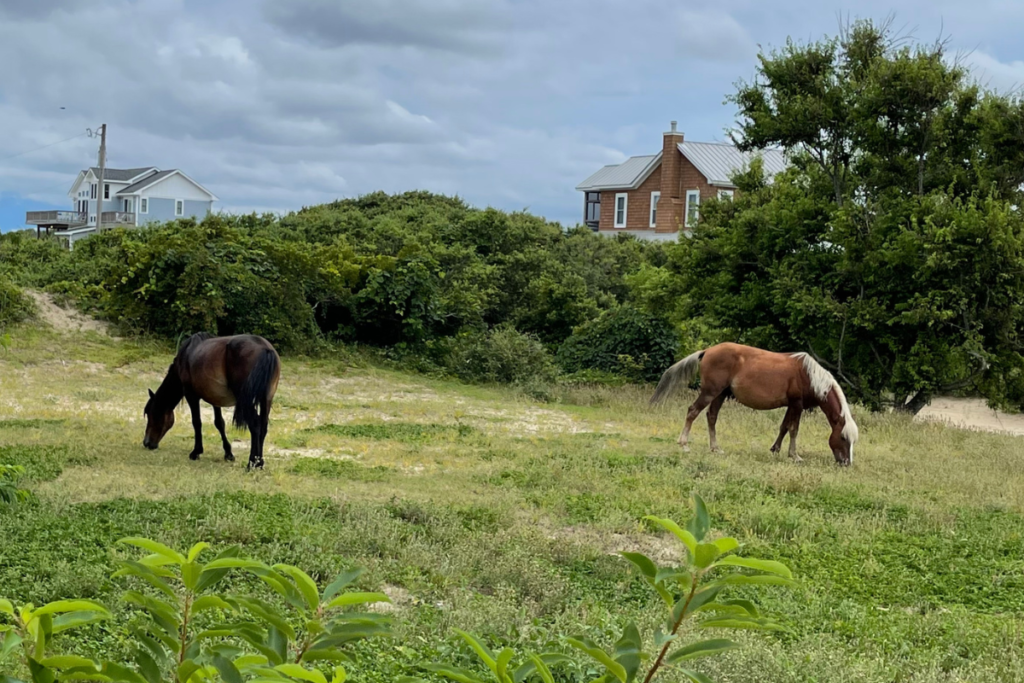
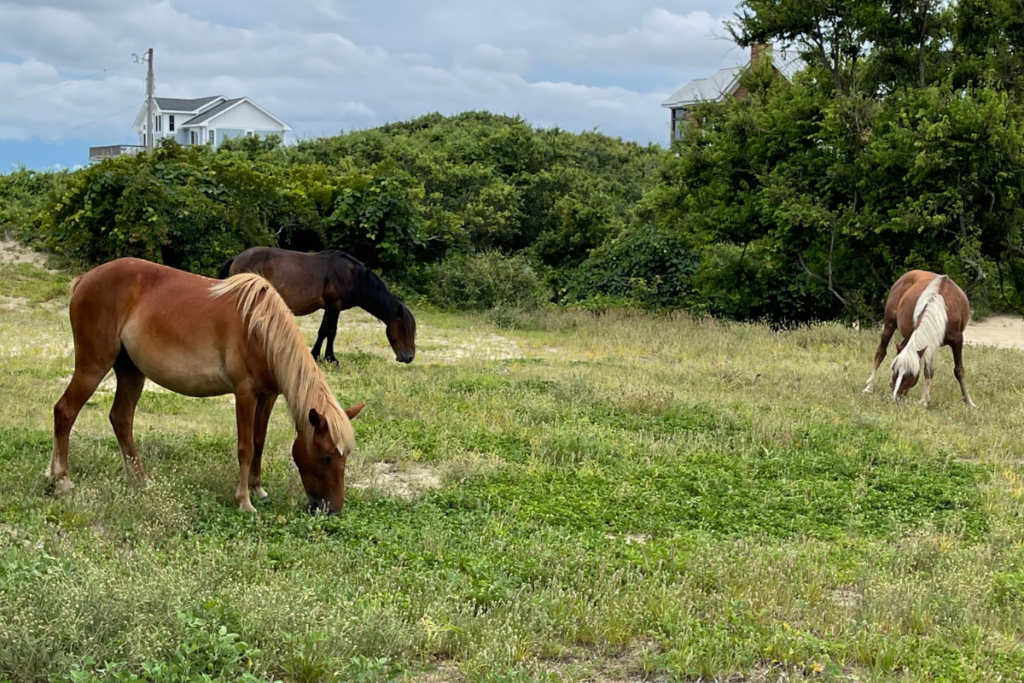
Barrier island grasslands represent one of the most visible habitat types occupied by Banker Horses. These open areas provide broad views of the surrounding landscape and support many of the plant communities associated with coastal ecosystems. Horses are frequently observed moving through these open environments.
Maritime forests form another important habitat category. These coastal woodlands contain salt-tolerant trees and shrubs adapted to life near the ocean. The forests create shaded environments that differ significantly from surrounding open areas while contributing to overall habitat diversity.
Shrub-dominated regions also play a role in the habitat structure of the Banker Horse. Dense vegetation patches create transitional zones between open and wooded landscapes. These areas contribute additional plant diversity and increase habitat complexity across the barrier islands.
Dune systems provide yet another distinct habitat type. Although often associated with sandy terrain and sparse vegetation, dunes contribute to the overall environmental mosaic occupied by the horses. These natural landforms influence wind patterns, vegetation distribution, and landscape structure.
Habitat variation can occur over surprisingly short distances. A horse may move from an open grassy area into a maritime forest and later pass through shrub-dominated vegetation within the same day. This diversity of habitat types helps create the distinctive coastal environment associated with Banker Horses.
Environmental Conditions Supporting Banker Horses
The Banker Horse exists within a climate strongly influenced by the Atlantic Ocean. Coastal temperatures tend to be moderated compared to inland environments, producing relatively mild winters and warm summers. These conditions contribute to the long-term suitability of the region for large grazing mammals.
Salt exposure is one of the defining environmental characteristics of the habitat. Ocean spray, coastal winds, and marine influences shape the landscape in ways rarely experienced by inland horse populations. The result is an environment where both plants and animals must tolerate conditions associated with proximity to the ocean.
Wind is another major environmental factor. Coastal landscapes are frequently exposed to breezes ranging from gentle airflow to powerful storm-driven gusts. The environment can sometimes resemble a constantly ventilated outdoor space, where air movement influences vegetation growth and landscape structure.
Seasonal weather patterns contribute additional variation. Summers often bring heat, humidity, and abundant plant growth, while winter introduces cooler temperatures and changing environmental conditions. These seasonal shifts influence the appearance and productivity of the landscape throughout the year.
The terrain itself is generally low-lying and relatively flat compared to mountain or upland environments. Sandy soils, coastal vegetation, and proximity to sea level create a setting unlike most horse habitats worldwide. Together, climate, salt influence, wind exposure, seasonal variation, and coastal terrain form the environmental foundation that supports the continued survival of the Banker Horse population.
Popular Searches About Banker Horses
Explore Banker Horse Guide
Explore More Wildlife

Support Encounters World
Help support wildlife photography and get behind the scenes discoveries on Patreon.