
Banker Horse History Guide: Origins, Heritage, and Historical Timeline
Quick Facts
Origin Period: Likely 1500s–1600s
Ancestral Lineage: Spanish Colonial Horses
Historical Range: Atlantic Coast Barrier Islands
Cultural Significance: One of America’s Historic Feral Horse Populations
Modern Population Status: Protected and Managed
Historical Notability: Linked to Early European Exploration
Introduction to Banker Horse History
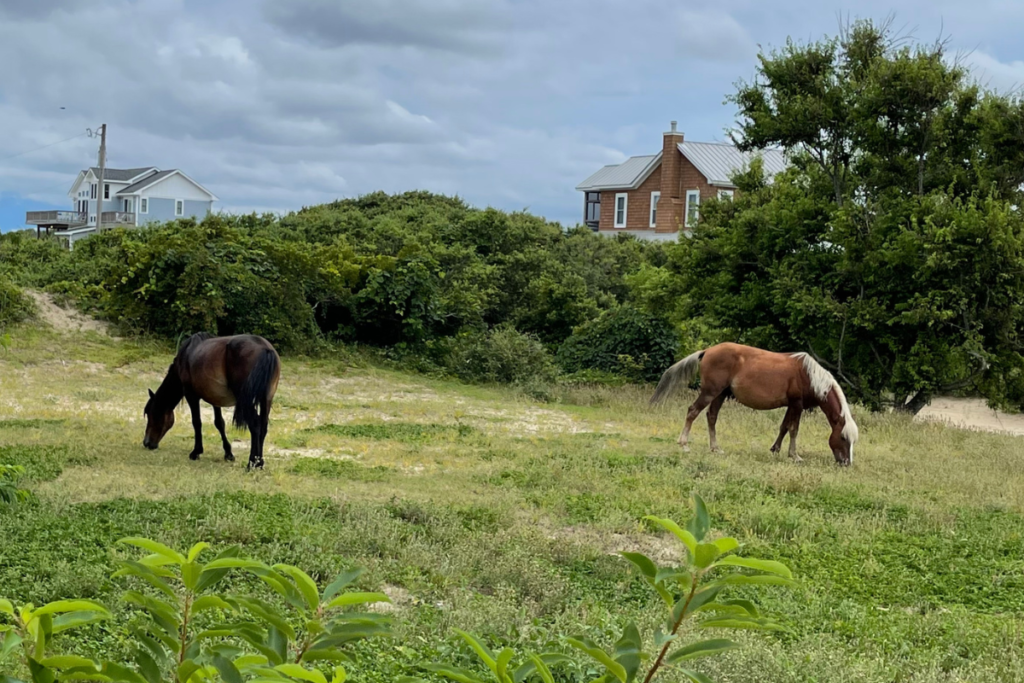
The Banker Horse (Equus ferus caballus) is one of the most historically significant feral horse populations in the United States. For centuries, these horses have occupied North Carolina’s barrier islands, becoming closely tied to local culture, folklore, and coastal history. Their story combines exploration, survival, and adaptation across generations.
Unlike modern horse breeds that were intentionally developed through selective breeding programs, the Banker Horse’s history is deeply connected to the early movement of people, animals, and goods along the Atlantic coast. Their origins stretch back hundreds of years, creating a living link to some of the earliest periods of European influence in North America.
Today, visitors often encounter Banker Horses as wildlife, yet their historical significance extends far beyond their modern appearance. These animals represent one of the few surviving feral horse populations believed to retain connections to early colonial-era horses. Their continued presence provides a glimpse into a much older chapter of American history.
The history of the Banker Horse is not defined by a single event. Instead, it is a story shaped by centuries of coastal isolation, environmental challenges, and human interactions. Understanding that history helps explain why this population remains unique among North America’s feral horses.
Banker Horse Origins and Early Historical Roots
The most widely accepted theory traces the ancestry of Banker Horses to Spanish horses introduced during the 1500s and early 1600s. Explorers, colonists, and maritime expeditions transported horses throughout the New World, establishing populations in regions that were previously without them. Some of these animals eventually became separated from direct human control.
For generations, local legends suggested that shipwrecks contributed to the establishment of the horse population. According to these stories, horses survived maritime disasters and reached nearby islands, where they later reproduced. While the shipwreck explanation remains popular, modern research suggests that intentional introduction may have played a larger role than previously believed.
Historical records indicate that Spanish colonial horses were widely distributed throughout portions of the southeastern United States. As settlements expanded and transportation routes developed, horses became increasingly important for travel, labor, and communication. Some populations eventually became feral and adapted to life outside human management.
Genetic studies have provided additional support for Spanish ancestry. Researchers have identified characteristics linking Banker Horses to colonial Spanish horse lineages. These findings help explain why the population differs from many modern domestic breeds.
The early history of the Banker Horse resembles a historical puzzle assembled from archaeology, genetics, written records, and local tradition. While some details remain uncertain, evidence consistently points toward a deep connection with the earliest European horse populations introduced to North America.
Banker Horse Development Through the Colonial Era
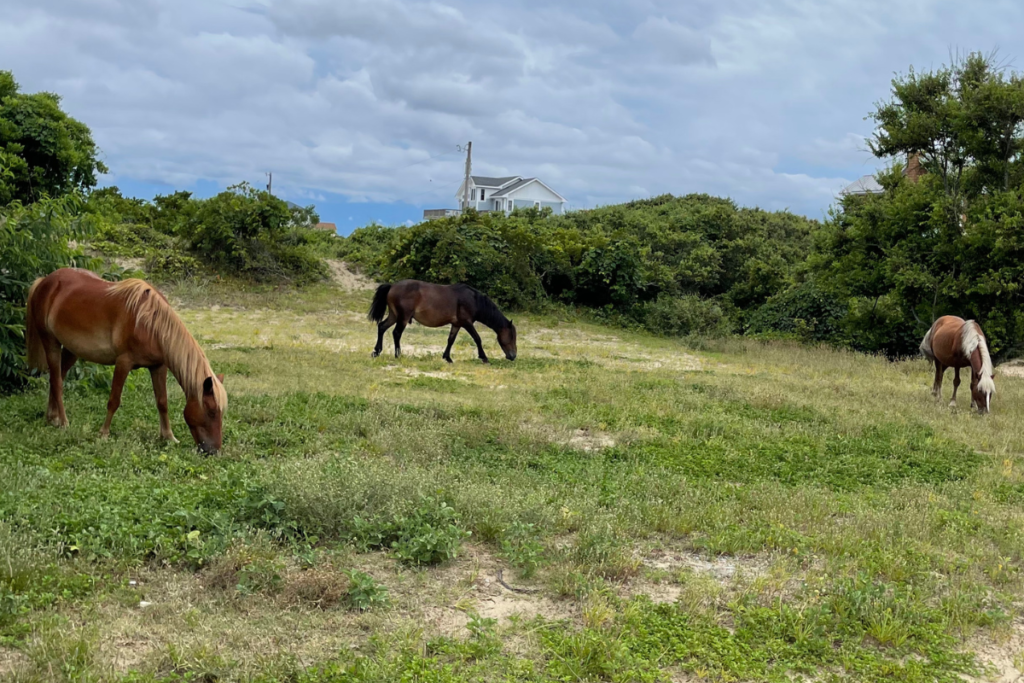
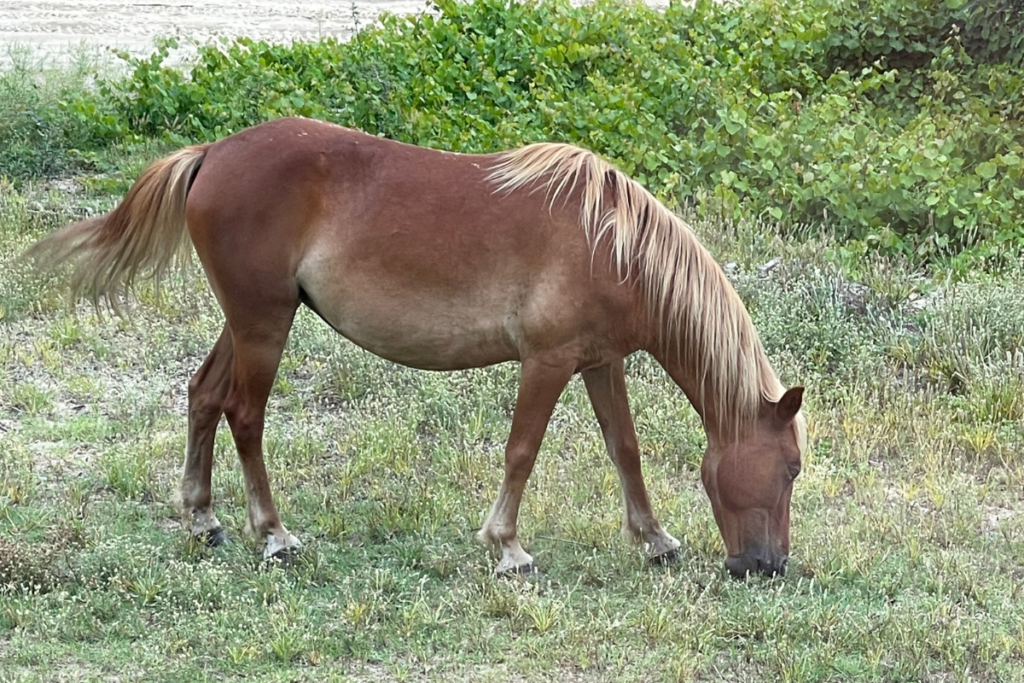
As centuries passed, the horses became increasingly isolated from mainland populations. This separation allowed unique traits to persist while reducing the influence of newer horse breeds. Over time, the population developed characteristics that reflected both its ancestry and long-term isolation.
Colonial communities occasionally interacted with the horses. Historical accounts describe horses being captured, traded, or incorporated into local economies. These interactions influenced the population while also helping preserve awareness of their existence throughout the region.
The barrier islands functioned almost like natural historical preserves. Because the horses remained geographically separated from many domestic breeding programs, they retained features that might otherwise have disappeared. In this sense, the islands served as living museums of colonial-era horse genetics.
By the eighteenth and nineteenth centuries, the horses had become an established part of the coastal landscape. Residents, travelers, and sailors frequently encountered them and incorporated them into local stories and traditions. Their presence gradually became woven into regional identity.
Compared to many livestock populations that changed dramatically through selective breeding, Banker Horses followed a different historical path. Their development was influenced more by environmental pressures and isolation than by intensive human management, resulting in a population with unusual historical continuity.
Modern Conservation and Historical Legacy of Banker Horses
The twentieth century brought new challenges for the Banker Horse population. Development, changing land use, increased tourism, and shifting environmental conditions created pressures that threatened long-term population stability. As a result, conservation efforts became increasingly important.
Organizations, researchers, and local communities began working to preserve the horses and their historical heritage. Management programs were developed to help maintain healthy populations while protecting the animals from modern threats. These efforts continue today and play a vital role in the horses’ future.
The historical importance of the Banker Horse extends beyond genetics alone. The population has become a symbol of resilience, representing centuries of survival in a dynamic coastal environment. Their story connects modern observers to exploration, colonization, maritime history, and environmental adaptation.
A useful comparison can be made to historic buildings preserved from earlier centuries. Just as a colonial structure offers insight into the past, Banker Horses provide a living connection to historical events that shaped North America. They are not simply descendants of old horses; they are part of an ongoing historical narrative.
Today, Banker Horses remain among the most celebrated feral horse populations in the United States. Their history continues to attract researchers, historians, wildlife enthusiasts, and visitors interested in the origins of these remarkable animals. Through conservation and public appreciation, their historical legacy is likely to endure for generations to come.
Popular Searches About Banker Horses
Explore Banker Horse Guide
Explore More Wildlife

Support Encounters World
Help support wildlife photography and get behind the scenes discoveries on Patreon.