
Banker Horse Life Cycle Guide: Growth Stages, Development, and Lifespan
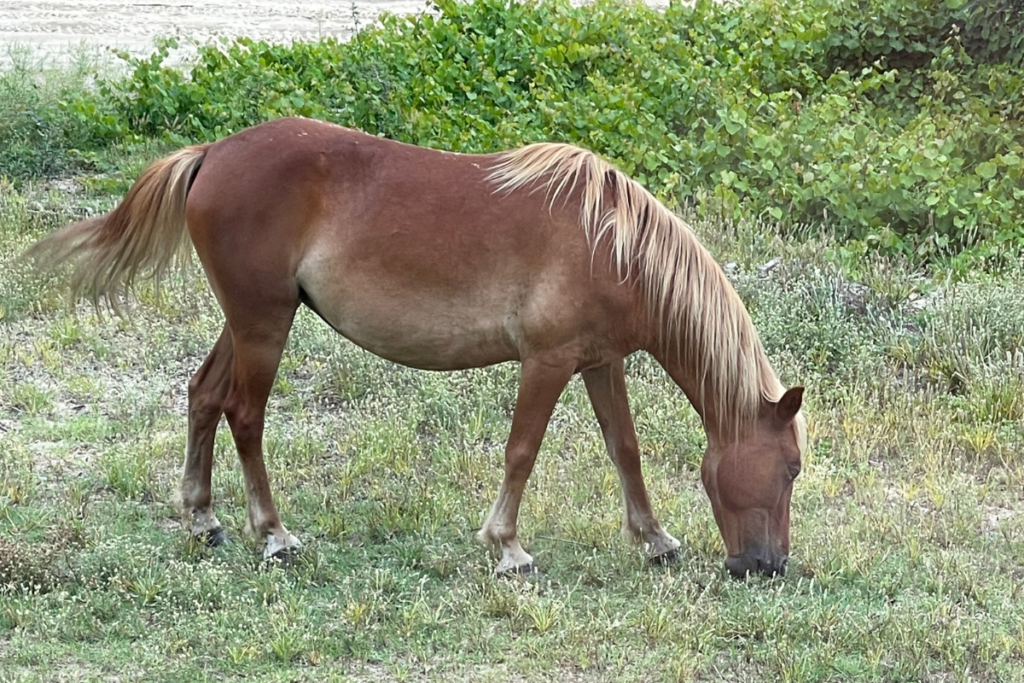
Quick Facts
Life Cycle Type: Mammalian Development
Birth Type: Live Birth
Average Offspring: One Foal
Juvenile Stage Length: Approximately 2–4 Years
Age of Maturity: 2–4 Years
Average Lifespan: 20–30 Years
Introduction to the Banker Horse Life Cycle
The Banker Horse (Equus ferus caballus) follows a life cycle that spans multiple decades, beginning as a newborn foal and progressing through several stages of growth before reaching adulthood. Like other horse populations, each stage involves significant physical and developmental changes that prepare individuals for survival and reproduction. These transitions occur gradually over many years rather than rapidly over a single season.
Every adult Banker Horse once began life as a vulnerable foal dependent upon its mother for protection and nutrition. Through steady growth and learning, young horses develop the strength, coordination, and experience necessary to become independent members of the herd. This progression forms the foundation of population continuity.
The life cycle reflects both biological development and social integration. Physical growth alone is not enough for long-term success. Young horses must also learn how to interact with herd members, recognize environmental challenges, and navigate the social structure of the population.
Understanding the Banker Horse life cycle provides insight into how these historic feral horses maintain stable populations across generations. From birth to old age, each stage contributes to the continued survival of one of North America’s most iconic feral horse populations.
Banker Horse Birth and Early Foal Development
The life cycle begins with the birth of a foal after an approximately eleven-month gestation period. Most mares give birth to a single offspring, which enters the world surprisingly well developed compared to many mammals. This advanced condition is important because mobility becomes critical almost immediately after birth.
Within a short period, newborn foals are typically capable of standing and attempting to walk. Although their movements may appear awkward at first, coordination improves rapidly. This early mobility helps young horses remain close to their mothers and reduces vulnerability during the earliest days of life.
The first months of development focus heavily on growth. Foals rely primarily on their mother’s milk for nutrition while gradually becoming stronger and more active. During this stage, body proportions often appear different from those of adults, with relatively long legs and a smaller body frame.
Learning begins almost immediately after birth. Young horses observe herd members, follow their mothers, and gradually become familiar with their surroundings. These early experiences contribute to future survival and social development.
A useful comparison is to think of a foal as a student entering its first year of school. Physical growth is important, but so is learning how to function within a larger social group. Both processes occur simultaneously throughout early development.
Banker Horse Juvenile Growth and Adolescence
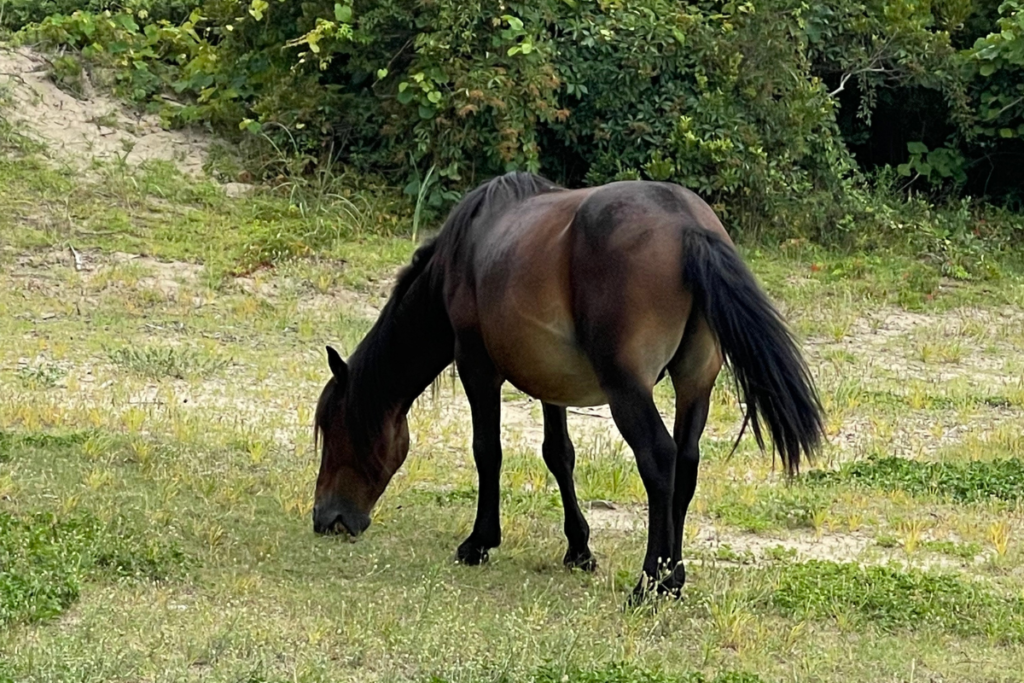
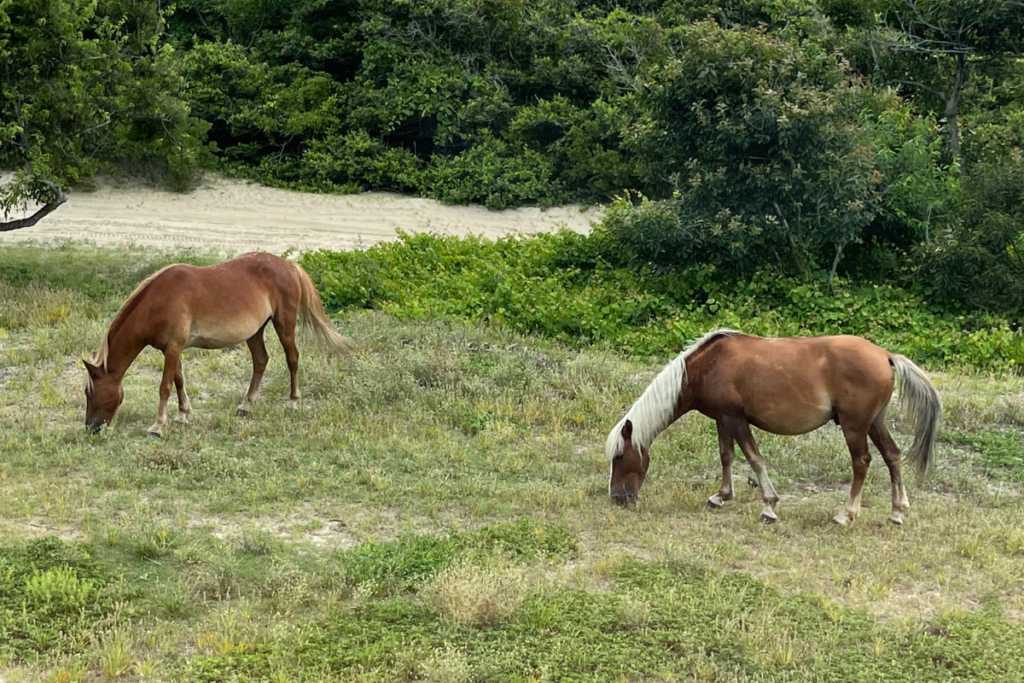
As foals mature, they enter the juvenile stage of the life cycle. During this period, growth remains rapid, but dependence on the mother gradually decreases. Young horses begin spending more time interacting with other members of the herd while developing greater independence.
Physical changes become increasingly noticeable throughout adolescence. Muscle mass increases, body proportions become more balanced, and coordination continues improving. Traits characteristic of adult Banker Horses begin to emerge as juveniles mature.
Nutrition shifts during this stage as young horses transition fully to a plant-based diet. Grazing becomes a primary daily activity, supporting continued growth and development. Increased body size requires greater energy intake, making efficient feeding increasingly important.
Social learning remains a major component of juvenile development. Young horses establish relationships, observe adult behaviors, and learn herd dynamics through daily interactions. These experiences help prepare them for adult roles within the population.
Compared to newborn foals, adolescents display far greater confidence and physical ability. They are capable of keeping pace with herd movements and participating more fully in group activities. This stage serves as the bridge between dependency and adulthood.
Banker Horse Adult Maturity and Aging
Adult maturity is typically reached between two and four years of age, although complete physical development may continue beyond that point. Mature horses possess the strength, body proportions, and reproductive capability associated with adulthood. At this stage, individuals become fully integrated members of the population.
The adult phase represents the longest portion of the life cycle. During these years, horses contribute to herd stability, reproduction, and the continuation of the population. Most individuals spend the majority of their lives in this stage.
Prime adult horses often display their greatest combination of strength, endurance, and experience. Physical condition is generally at its peak, and individuals are fully capable of navigating the challenges associated with life in a natural environment. These years represent the most productive period of the life cycle.
As horses age, gradual physical changes begin to appear. Older individuals may show signs of wear, including changes in body condition, teeth, and overall appearance. Despite these changes, many continue functioning successfully within the herd for years.
The final stage of the life cycle reflects the cumulative effects of decades of survival and experience. A Banker Horse that reaches old age has successfully navigated every previous developmental stage, from vulnerable foal to mature adult. Through birth, growth, maturity, reproduction, and aging, the life cycle continues across generations, ensuring the persistence of this historic feral horse population along North Carolina’s barrier islands.
Popular Searches About Banker Horses
Explore Banker Horse Guide
Explore More Wildlife

Support Encounters World
Help support wildlife photography and get behind the scenes discoveries on Patreon.