
Groundhog Burrow Guide: Tunnel Structure, Entrances, and Underground Chambers
Quick Facts
Burrow Type: Multi-chamber underground tunnel system
Average Entrance Size: 8–12 inches (20–30 cm) wide
Typical Depth: 3–6 feet (0.9–1.8 m) below ground
Maximum Tunnel Length: Up to 50 feet (15 m) or more
Number of Entrances: Usually 2–5 openings
Primary Purpose: Shelter, protection, breeding, and winter hibernation
Groundhog Burrow Identification and Overview
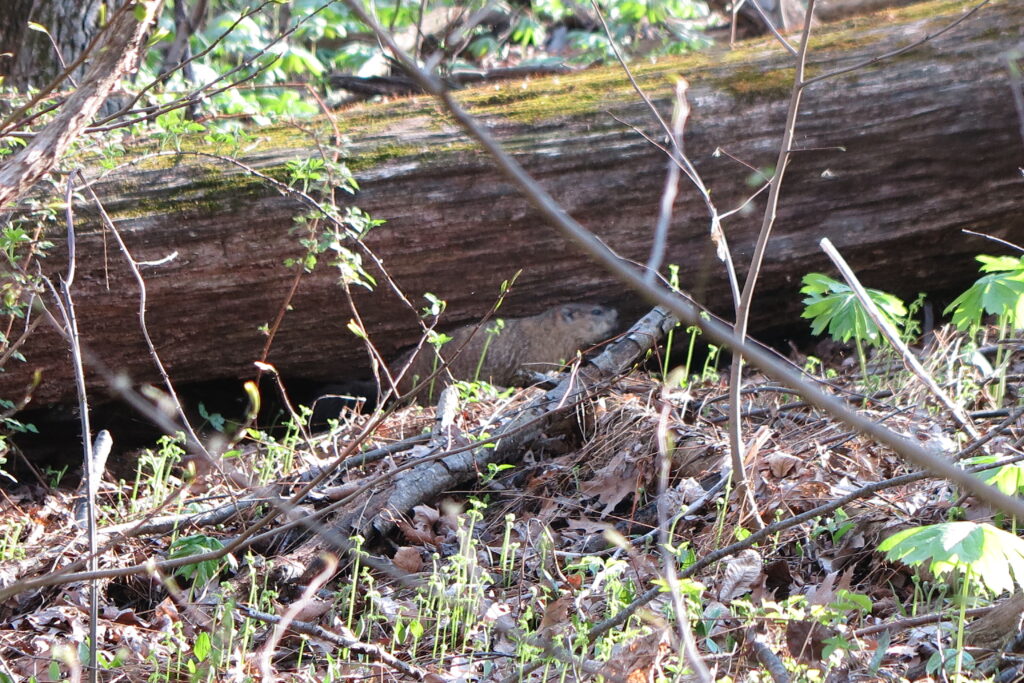
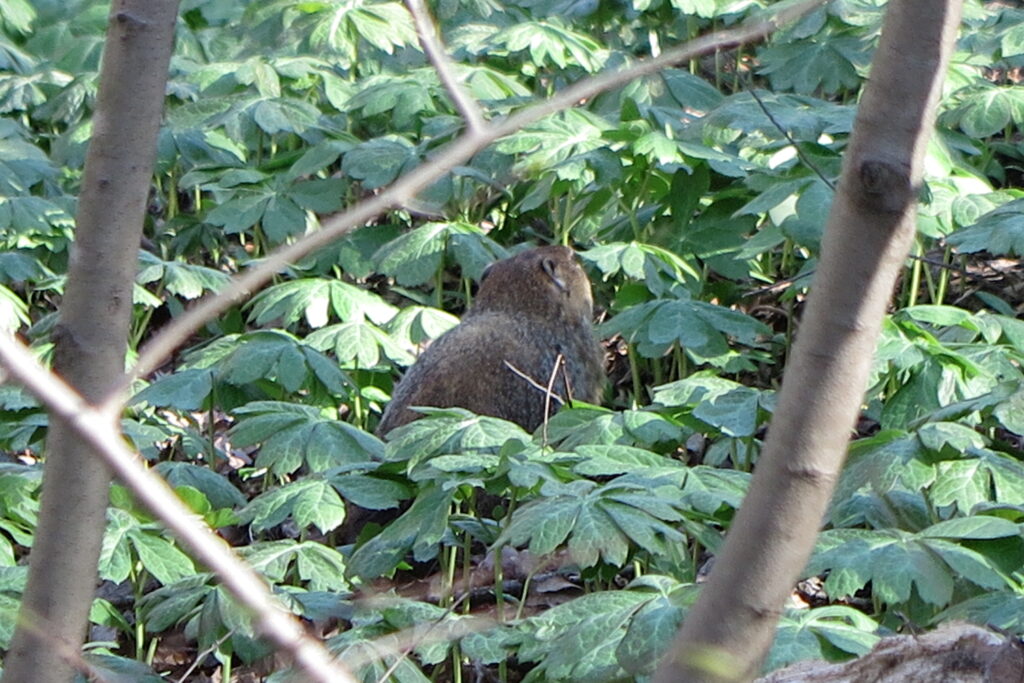
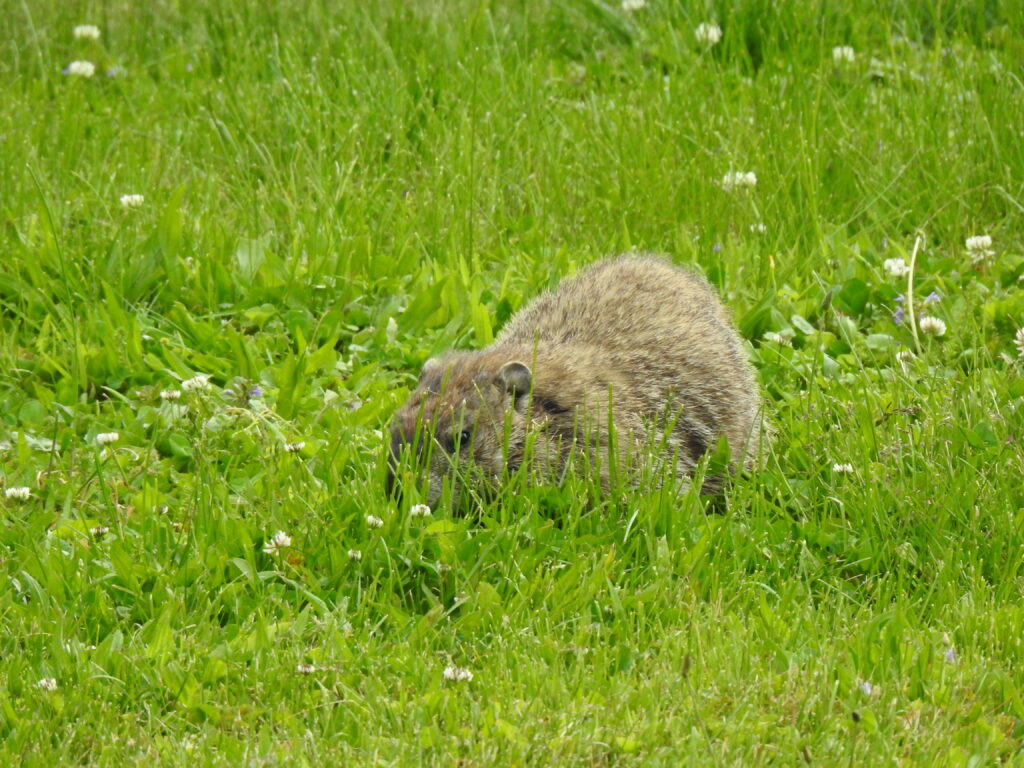
The groundhog (Marmota monax), also known as the woodchuck, is famous not only for its appearance but also for the extensive underground burrows it creates. Across much of the United States, southern Canada, and parts of Alaska, these tunnel systems are among the most recognizable signs of the species. Even when the animal itself remains hidden, its burrow often reveals its presence.
Groundhog burrows can be found in a variety of landscapes where suitable soil conditions exist. Observers frequently discover them along field edges, hillsides, roadsides, fence lines, and open grassy areas. A freshly excavated mound of dirt surrounding a large hole is often the first indication that a groundhog occupies the area.
Unlike simple animal dens consisting of a single cavity, a groundhog burrow is a surprisingly complex underground structure. Multiple chambers, connecting tunnels, emergency exits, and seasonal living spaces may all exist within the same system. What appears from above to be a single hole may actually connect to a network extending dozens of feet beneath the surface.
These burrows serve as the center of a groundhog’s life throughout much of the year. They provide shelter from weather, protection from predators, secure locations for raising young, and insulated environments during winter dormancy. Understanding the structure of a groundhog burrow helps explain why these animals are so successful across their extensive North American range.
Groundhog Burrow Structure and Underground Design
A typical groundhog burrow begins with a main entrance that often measures between eight and twelve inches in diameter. Freshly dug soil is usually piled nearby, creating a fan-shaped mound that can help distinguish a groundhog burrow from openings used by other animals. The entrance often slopes downward before connecting to deeper tunnel sections.
Below the surface, the tunnel system may extend much farther than most people expect. Many burrows contain passageways ranging from twenty to fifty feet in total length, though exceptionally large systems may exceed these measurements. The tunnels branch into different sections, creating a functional underground layout rather than a single straight passage.
Several specialized chambers may occur within the burrow. Resting chambers provide secure areas for daily shelter, while nesting chambers are often lined with dried vegetation. Some systems also contain designated waste areas, helping maintain cleanliness throughout the primary living spaces.
Multiple entrances represent another important feature of many groundhog burrows. A main entrance is commonly accompanied by one or more secondary exits located elsewhere on the property. These alternative openings provide additional access points and can serve as emergency escape routes if danger approaches.
Compared to the simple dens used by many mammals, a groundhog burrow resembles a carefully planned underground home. The combination of interconnected tunnels, separate chambers, and multiple exits demonstrates a level of structural complexity that surprises many wildlife observers. These engineering achievements make groundhog burrows among the most impressive mammal-made structures found in North America.
Types of Groundhog Burrows Throughout the Year
Groundhogs often use different burrow systems for different purposes during the year. A summer burrow may function primarily as a daily shelter and retreat location, while other burrows become more important during specific seasons. This variation allows the animal to utilize underground spaces efficiently as environmental conditions change.
Breeding burrows are commonly associated with reproductive activities and the raising of young. These systems often contain well-developed nesting chambers where offspring spend their earliest weeks of life. The protected underground environment helps shield vulnerable young from harsh weather and potential threats.
Winter burrows are particularly important because they support the groundhog during hibernation. These burrows are typically constructed in locations that provide stable underground conditions throughout the coldest months. Deep chambers help insulate the animal from freezing temperatures occurring above ground.
Temporary refuge burrows may also exist within an individual’s territory. These simpler structures are often used as convenient escape locations when the animal is feeding or traveling farther from its primary residence. Although less elaborate than major burrow systems, they still provide valuable protection.
The existence of multiple burrow types demonstrates how important underground structures are to groundhog survival. Rather than relying on a single tunnel network year-round, many individuals utilize several systems designed for different needs. This flexibility contributes significantly to the species’ long-term success across a wide variety of landscapes.
Groundhog Burrow Functions and Survival Benefits
Protection is one of the most important functions provided by a groundhog burrow. When danger appears, the nearest tunnel entrance offers immediate access to a secure underground environment. A groundhog feeding in an open area can retreat into safety within seconds if threatened.
Burrows also provide effective shelter from weather extremes. During periods of intense summer heat, underground chambers remain considerably cooler than surface conditions. In winter, the insulating properties of soil help maintain temperatures that are far more stable than the freezing air above.
The underground system serves as a secure location for reproduction and offspring development. Young groundhogs spend their earliest weeks protected within nesting chambers before eventually emerging above ground. This sheltered environment reduces exposure to predators and environmental hazards during a vulnerable stage of life.
Another advantage involves long-term energy conservation. Underground chambers allow groundhogs to remain protected while minimizing unnecessary exposure to harsh conditions. During winter hibernation, these stable environments become especially important for maintaining survival through extended periods of inactivity.
Groundhog burrows can continue benefiting wildlife even after they are abandoned. Numerous mammals, reptiles, amphibians, and invertebrates may later occupy portions of the tunnel system. In this way, a single burrow can influence local ecosystems long after the original builder has moved elsewhere.
When viewed as a whole, the groundhog burrow is far more than a simple hole in the ground. It functions as a shelter, nursery, refuge, climate-controlled retreat, and survival tool all at once. These underground engineering projects play a central role in the life of the groundhog and represent one of the species’ most remarkable adaptations.
Popular Searches About Groundhogs
Explore Groundhog Guide
Explore More Wildlife

Support Encounters World
Help support wildlife photography and get behind the scenes discoveries on Patreon.