
Groundhog Damage and Prevention Guide: Signs of Groundhog Activity and How to Protect Property
Quick Facts
Primary Type of Damage: Burrowing and vegetation feeding
Common Problem Areas: Gardens, lawns, fields, sheds, and foundations
Most Active Season: Spring through early fall
Typical Warning Signs: Burrow entrances, soil mounds, plant damage, and tracks
Property Risk Level: Moderate to high in suitable areas
Prevention Methods: Exclusion fencing, habitat modification, and regular monitoring
Groundhog Damage Introduction and Property Impact Overview
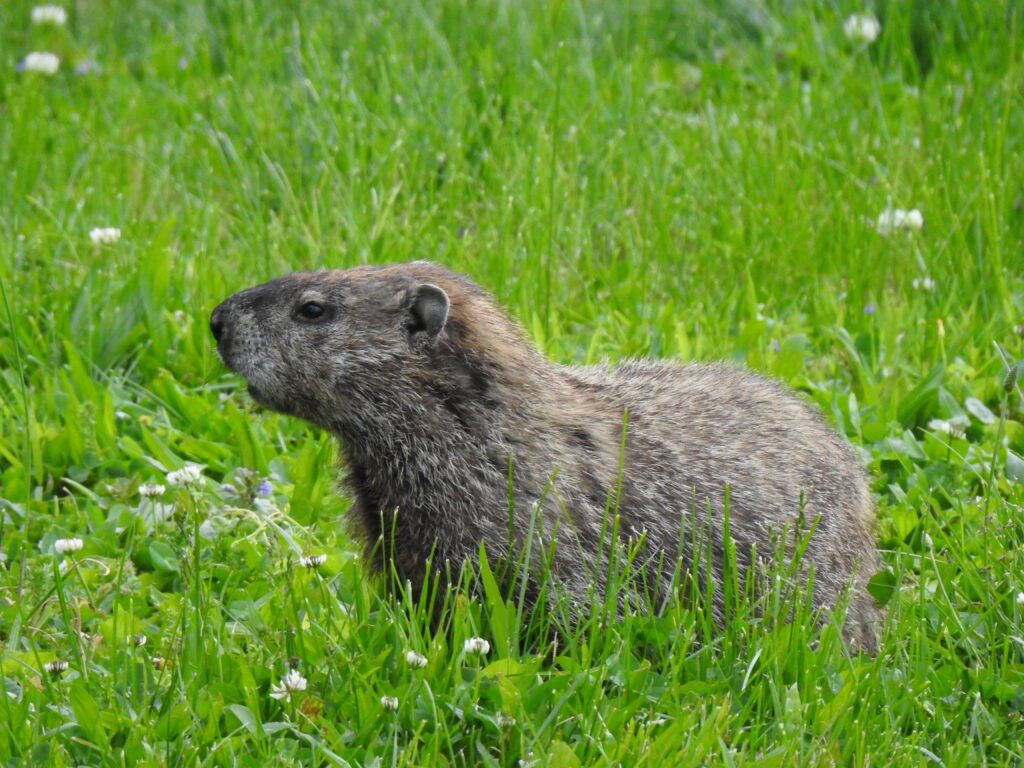
The groundhog (Marmota monax), also known as the woodchuck, is a widespread North American mammal found throughout much of the United States, southern Canada, and parts of Alaska. Although many people enjoy observing these animals in the wild, groundhogs can sometimes create challenges when their activities occur near homes, farms, gardens, or other developed areas. Their presence is often first noticed through visible signs left behind on the landscape.
Groundhog-related damage is usually associated with feeding activity or the construction of extensive underground burrows. In some situations, the effects are minor and largely cosmetic. In other cases, repeated activity may create concerns for property owners, gardeners, and agricultural producers.
The level of damage varies considerably depending on location and land use. A groundhog living along the edge of an undeveloped meadow may go unnoticed for years, while one occupying a vegetable garden can quickly attract attention. Understanding the signs of activity helps identify potential issues before they become more significant.
Because groundhogs are common across a large geographic range, interactions with people occur regularly. Learning how to recognize damage and apply preventative measures allows property owners to address concerns while understanding the natural behavior of this native wildlife species.
Common Groundhog Damage and Warning Signs
One of the most recognizable signs of groundhog activity is the presence of burrow entrances. These openings are typically large, round holes accompanied by freshly excavated soil. The surrounding dirt often forms a fan-shaped mound that can be visible from a considerable distance.
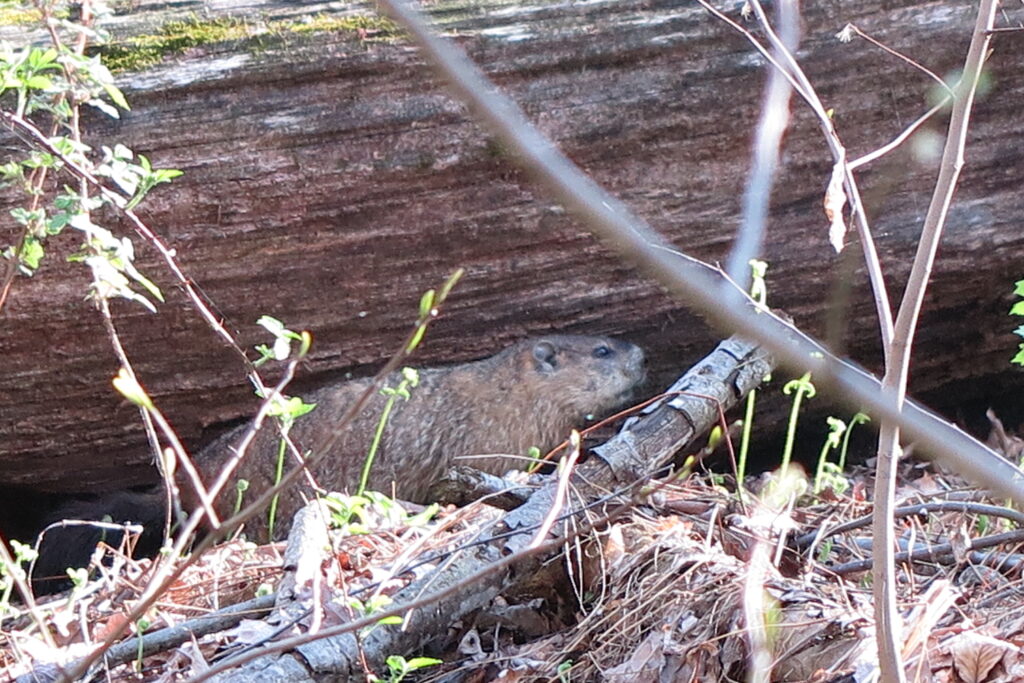
Groundhog burrows occasionally appear near structures such as sheds, decks, barns, retaining walls, and foundations. While a single burrow does not automatically create structural problems, repeated excavation beneath support areas may increase concerns over time. Property owners often discover activity only after noticing new holes or displaced soil.
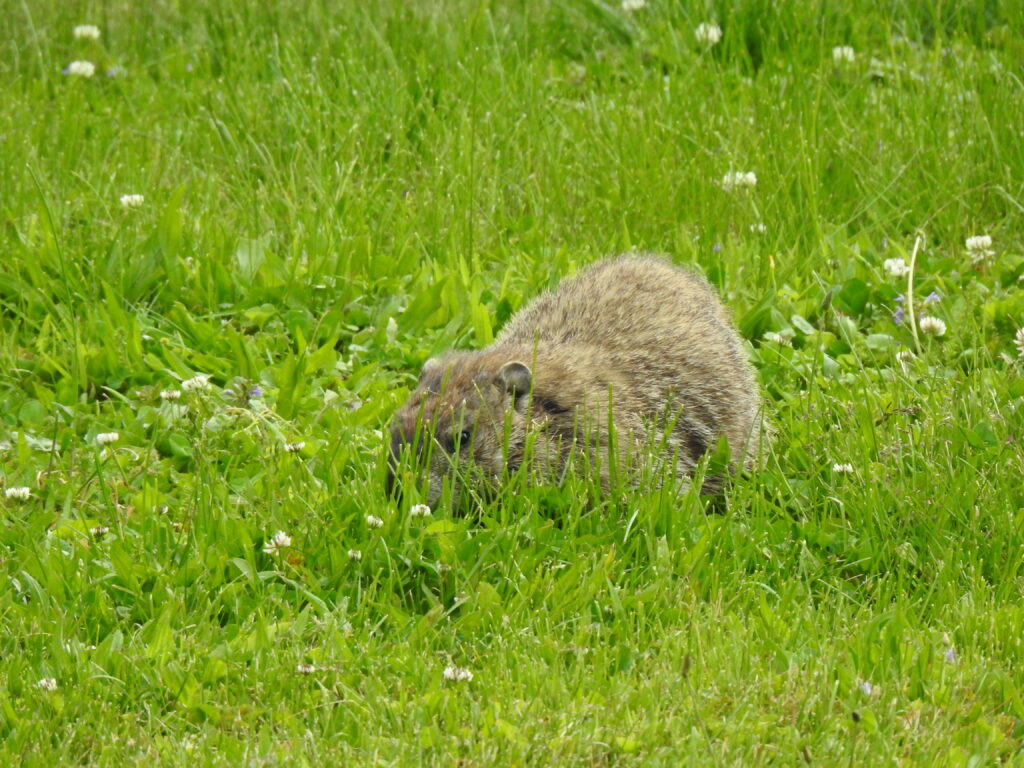
Vegetation damage is another common indicator. Groundhogs frequently feed on garden plants, flowers, vegetables, and agricultural crops. Damage often appears as cleanly clipped stems, partially eaten leaves, or missing portions of plants that seemed healthy only a short time earlier.
Lawn and landscape impacts may also occur around active burrow systems. Soil brought to the surface can create uneven patches, while repeated movement around entrances may alter nearby vegetation. These visible changes often provide the first clue that a groundhog has established itself nearby.
Tracks and droppings may occasionally be found near active areas. Although less obvious than burrows or feeding damage, these signs can help confirm the presence of a groundhog. When multiple indicators occur together, identifying the source of activity becomes much easier.
Areas Most Vulnerable to Groundhog Damage
Gardens are among the most commonly affected locations. Vegetable plots frequently contain nutrient-rich plants that attract feeding groundhogs throughout the growing season. Lettuce, beans, peas, and other tender crops can experience noticeable damage when left unprotected.
Agricultural fields may also experience impacts, particularly where crops grow adjacent to suitable groundhog habitat. Hay fields, soybean fields, and other cultivated areas sometimes provide both feeding opportunities and locations for burrow construction. In these situations, activity may extend across larger portions of the landscape.
Residential properties can attract groundhogs when open lawns, ornamental plantings, and undisturbed corners provide favorable conditions. Burrows occasionally appear beneath decks, porches, sheds, and similar structures where cover is available. These locations offer protection while remaining close to food sources.
Golf courses, parks, utility corridors, and landscaped commercial properties may experience similar issues. Large open areas with maintained vegetation often provide conditions that groundhogs readily utilize. Managers of these properties frequently monitor for signs of burrow development before problems become more extensive.
The greatest risk often occurs in transitional environments where developed areas meet open vegetation. These edge locations provide easy access to both natural and human-maintained resources. As a result, many groundhog conflicts originate in places where wildlife habitat and human land use overlap.
Groundhog Prevention Methods and Property Protection
Prevention is generally more effective than addressing established problems after they occur. One of the most reliable methods involves installing properly designed exclusion fencing around gardens and vulnerable areas. A fence extending below ground level can help discourage digging beneath the barrier.
Regular property inspections can also reduce the likelihood of long-term issues. Checking for new burrow entrances, fresh soil mounds, and feeding damage allows concerns to be identified early. Small problems are often easier to manage than extensive activity that has continued unnoticed for months.
Vegetation management may help make certain areas less attractive. Maintaining clear visibility around structures and reducing dense cover can discourage groundhogs from establishing burrows near buildings. Open sightlines also make it easier to monitor for signs of activity.
Protective barriers around individual plants can provide additional defense in gardens and landscaped areas. Wire cages, raised beds, and reinforced enclosures are commonly used to protect valuable vegetation from browsing wildlife. These methods are often most effective when installed before damage begins.
Property owners should also pay attention to inactive burrows. Old burrow systems may occasionally be reoccupied if conditions remain suitable. Monitoring previously used locations can help prevent future problems from developing unexpectedly.
Successful prevention usually involves combining several strategies rather than relying on a single solution. Exclusion, monitoring, vegetation management, and early detection work together to reduce potential conflicts. By understanding groundhog activity and taking proactive measures, property owners can better protect gardens, landscapes, and structures while coexisting with this widespread North American mammal.
Popular Searches About Groundhogs
Explore Groundhog Guide
Explore More Wildlife

Support Encounters World
Help support wildlife photography and get behind the scenes discoveries on Patreon.