White-Tailed Deer Behavior | Movement, Social Habits, and Survival Instincts
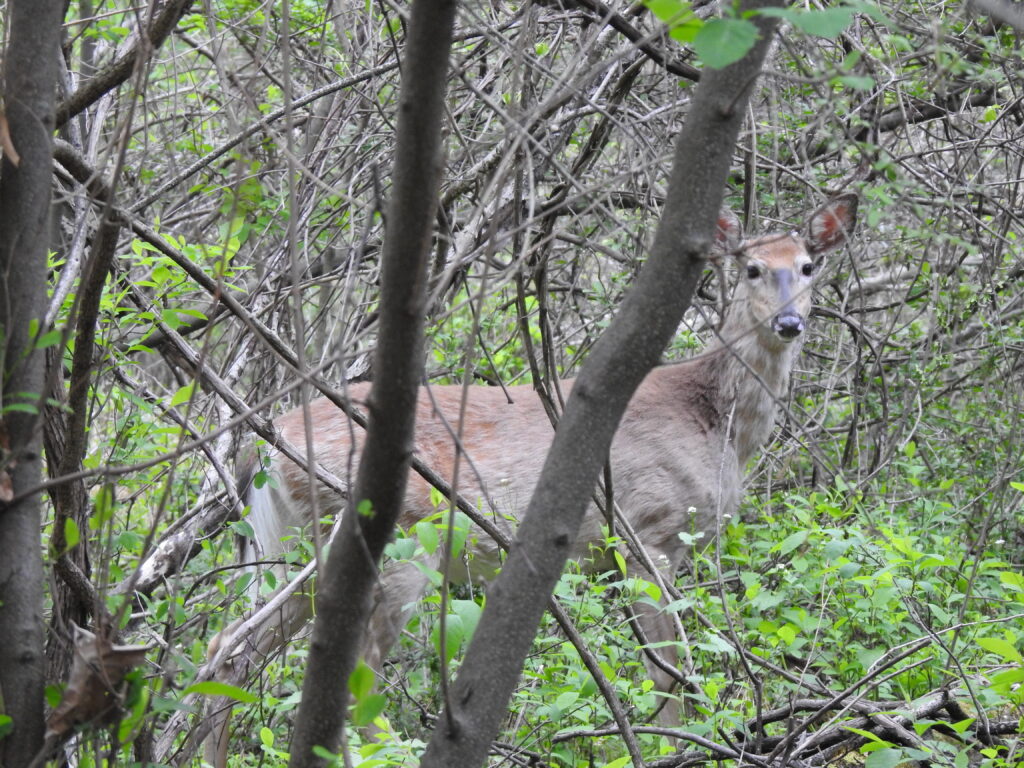
Quick Facts
Activity Type: Crepuscular (most active at dawn and dusk)
Social Structure: Small family groups and loose seasonal herds
Territorial Behavior: Bucks establish dominance areas during breeding season
Movement Style: Light-footed walking with explosive bursts of speed
Communication Method: Body posture, scent marking, vocal sounds, and tail signals
Defense Strategy: Speed, alertness, camouflage, and rapid escape movements
White-Tailed Deer in Everyday Wildlife Observation
White-tailed deer are among the most frequently observed large mammals in North America, appearing in forests, farmland edges, river valleys, and even suburban neighborhoods. Their widespread range stretches from southern Canada through the United States and into parts of Central and South America. Because they adapt so well to changing landscapes, many people encounter deer regularly without needing to travel deep into remote wilderness. Even so, watching them closely often reveals behavior that feels cautious, intelligent, and highly refined.
In quiet woodland settings, deer usually appear calm and deliberate, moving carefully while constantly monitoring their surroundings. A group feeding near the edge of a forest may seem relaxed at first glance, yet nearly every individual remains alert to distant sounds or movement. Ears rotate independently, noses lift repeatedly into the air, and heads rise suddenly at the smallest disturbance. This balance between calm feeding and constant awareness creates the impression of an animal that never fully lets its guard down.
Their behavior changes noticeably depending on time of day, season, and human activity nearby. During cooler hours near sunrise and sunset, deer become especially visible as they travel between resting and feeding areas. In heavily populated regions, they may shift activity toward nighttime to avoid roads, noise, and human presence. These adjustments demonstrate how flexible the species has become across many environments.
Unlike some mammals that rely on aggression or intimidation, white-tailed deer survive largely through caution and rapid response. Much of their behavior centers around avoiding danger before it becomes immediate. Watching a deer pause silently in dense vegetation often feels similar to observing a smoke detector constantly scanning for threats before reacting. This constant vigilance shapes nearly every aspect of the species’ daily life and contributes greatly to its long-term survival across such a large geographic range.
White-Tailed Deer Behavioral Tendencies and Daily Awareness
White-tailed deer generally display calm and controlled behavior when undisturbed, often spending long periods quietly moving, resting, or observing their surroundings. Their body language tends to appear relaxed but attentive, with even feeding individuals remaining aware of nearby movement. Unlike highly aggressive hoofed mammals such as bison, deer rarely attempt to dominate their surroundings physically. Instead, their behavior relies more on awareness, caution, and timing.
When observing groups of deer, it becomes clear that individuals constantly react to one another’s movements. If one deer suddenly lifts its head or freezes in place, nearby deer often respond immediately even before identifying the source of concern themselves. This shared attentiveness allows groups to react quickly to possible danger. The effect resembles a crowd of people becoming silent after noticing someone else react to an unexpected sound nearby.
White-tailed deer are also highly adaptable in the way they respond to human presence. In remote forests, they often flee quickly at the first sign of disturbance. In suburban areas where they encounter people regularly, some individuals become more tolerant and may continue feeding while observing from a safe distance. Even in these situations, however, the animal remains cautious and ready to move instantly if it senses increased danger.
Seasonal changes can also influence overall behavior and temperament. During autumn breeding periods, bucks become noticeably more assertive and active while searching for mates or competing with rivals. At other times of year, behavior becomes quieter and more routine, especially during colder winter conditions when conserving energy becomes increasingly important. These seasonal shifts help create a yearly cycle of changing movement, social interaction, and alertness throughout the species’ range.
Although white-tailed deer are often described as timid animals, their behavior is more accurately described as calculated and responsive. They continuously gather information from sound, scent, and movement while adjusting their reactions accordingly. This constant processing of environmental signals gives the species an almost strategic quality in how it navigates daily life. Rather than reacting blindly, deer often pause, observe, and evaluate situations before deciding whether to remain still or flee.
White-Tailed Deer Movement and Activity Cycles
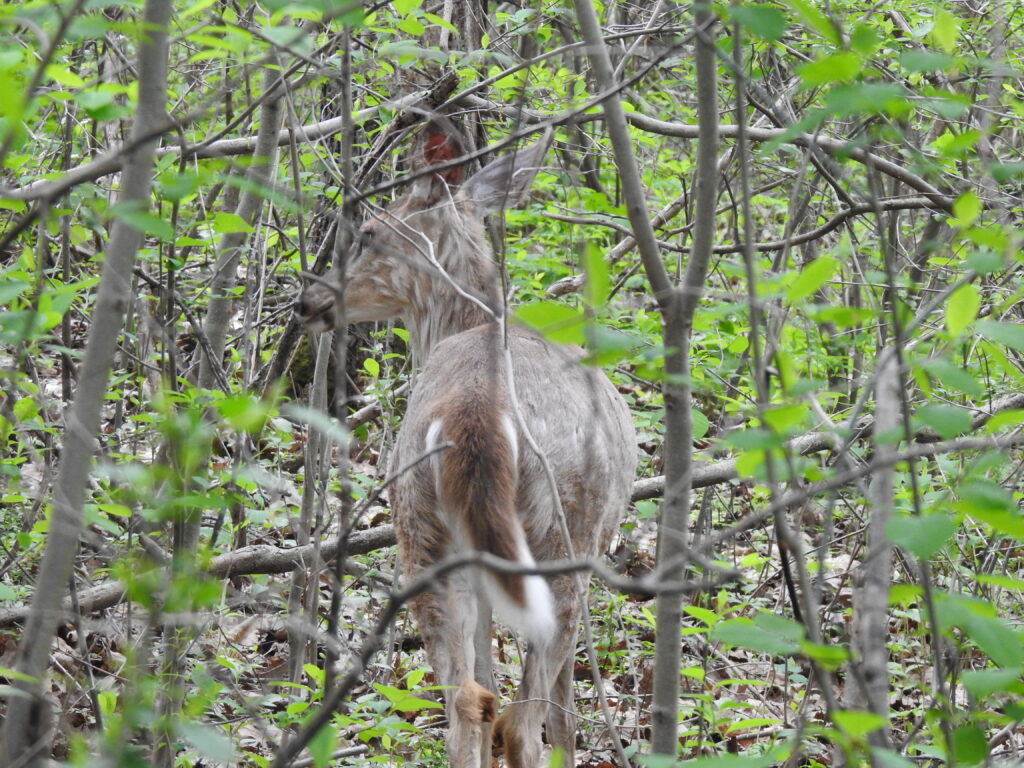
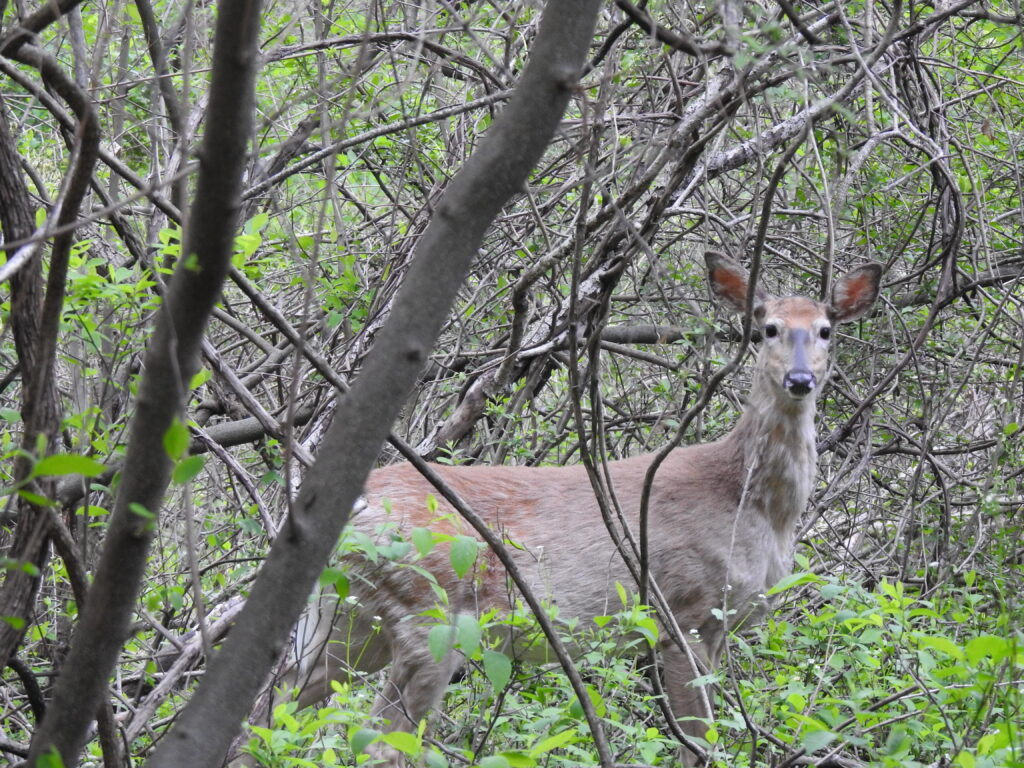
The movement of a white-tailed deer is smooth, controlled, and surprisingly quiet for an animal of its size. When relaxed, deer often walk with careful steps that place little pressure on leaves or branches beneath them. This measured pace allows them to travel through forests with minimal noise while remaining attentive to their surroundings. Their motion can appear almost weightless at times, particularly in dense woodland where they weave easily between obstacles.
White-tailed deer are most active during crepuscular periods, meaning activity peaks around dawn and dusk. Early morning often brings slow movement from resting areas toward feeding locations, while evening activity increases again before darkness fully settles in. During the middle of the day, especially in warmer weather, deer usually become less active and spend more time resting in shaded or concealed areas. In regions with heavy human activity, many deer shift even further toward nighttime movement patterns.
When startled, their movement changes instantly from calm walking to explosive bursts of speed. A fleeing deer can leap over fallen logs, brush, and fences with remarkable agility. Their bounding escape pattern, sometimes called stotting or flagging, creates a series of spring-like jumps that resemble a compressed coil rapidly releasing energy. Watching a deer sprint through the woods often feels similar to watching a rubber ball ricochet unpredictably through obstacles while barely slowing down.
Seasonal weather also affects how deer use energy and movement. During winter, movement may become more limited as deer conserve calories and avoid unnecessary exertion in harsh conditions. Snow depth can influence travel routes, forcing animals to use established paths that require less effort. In contrast, autumn often brings increased activity as bucks travel greater distances during breeding season.
Young fawns move differently from adults and often appear less coordinated during their earliest weeks of life. Their smaller legs and lighter bodies produce quick, uncertain movements that gradually become smoother with age. Adult deer, however, display remarkable balance and efficiency even while traveling across steep slopes or uneven forest floors. This combination of precision, speed, and agility allows the species to navigate a wide variety of landscapes successfully.
White-Tailed Deer Interaction and Survival Responses
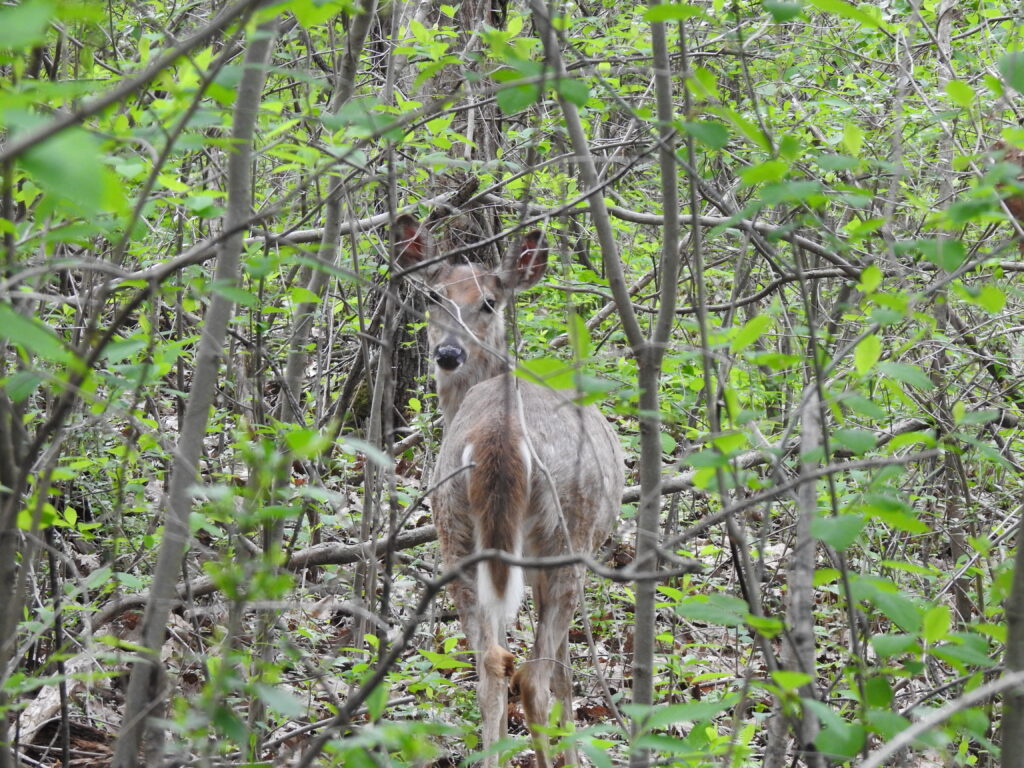
White-tailed deer rely heavily on awareness and rapid reaction when responding to danger. One of their first responses to uncertainty is usually complete stillness, allowing them to observe quietly before making sudden movements that might reveal their location. If the threat continues, the deer often raises its tail to expose the bright white underside before fleeing. This signal can alert nearby deer instantly and trigger group-wide escape behavior.
Communication between deer occurs through body posture, scent, sound, and movement rather than complex vocalizations alone. A quick stomp of the front hoof may signal nervousness or warn other deer nearby. Fawns and mothers communicate using soft bleats, while bucks may produce grunts during breeding periods. Much of this communication remains subtle and difficult for humans to notice unless observing the animals closely.
Social behavior varies depending on season and age. Females and young deer commonly remain in loose family groups, especially outside the breeding season. Mature bucks often spend more time alone or in small bachelor groups before autumn arrives. During breeding periods, interactions between males become more intense as they compete for dominance through displays, posture, and physical confrontation.
Their survival instincts become especially noticeable when reacting to predators or sudden disturbances. A deer may freeze completely among vegetation, relying on camouflage to avoid detection. If escape becomes necessary, it usually happens instantly and without hesitation. This rapid shift from motionless observation to full-speed flight is one of the species’ most effective defensive behaviors.
White-tailed deer also depend heavily on memory and familiarity with their surroundings. Individuals often learn travel routes, escape paths, and safer resting areas over time. In heavily hunted or disturbed regions, deer may become increasingly cautious and alter movement patterns to avoid repeated danger. These learned survival responses demonstrate how adaptable and behaviorally flexible the species has become throughout its range.
Popular Searches About White Tail Deer
Explore White Tail Deer Guide
Explore More Wildlife

Support Encounters World
Help support wildlife photography and get behind the scenes discoveries on Patreon.