White-Tailed Deer Diet | Feeding Habits, Natural Foods, and Seasonal Foraging
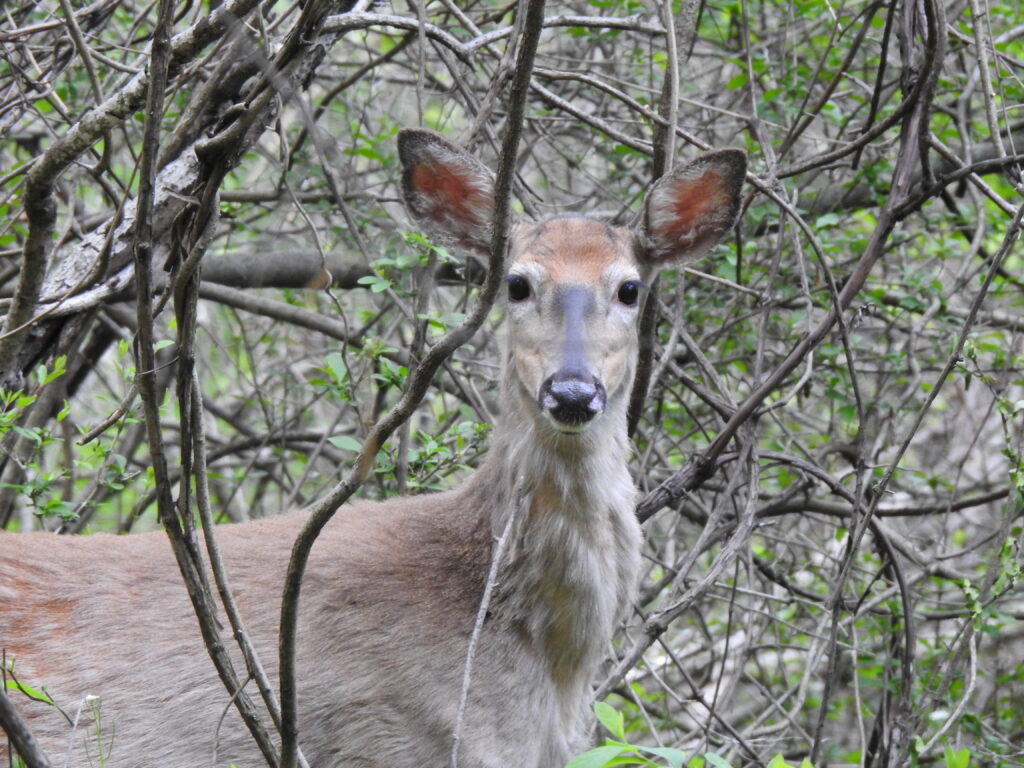
Quick Facts
Diet Type: Herbivore
Main Food Sources: Leaves, shrubs, grasses, fruits, nuts, and agricultural crops
Feeding Time: Primarily dawn and dusk
Foraging Method: Selective browsing and grazing
Seasonal Diet Changes: Shifts between soft vegetation, mast crops, and woody browse depending on season
Predatory Adaptations: Strong senses, cautious feeding behavior, and rapid escape response while foraging
White-Tailed Deer Feeding Habits Across Their Range
The white-tailed deer is a widespread herbivore found throughout much of North America, Central America, and parts of South America. Across forests, farmlands, wetlands, and mixed landscapes, this species depends heavily on plant life for survival. Deer are often seen feeding quietly during the cooler hours of the day, moving slowly through vegetation while searching for edible growth. Their feeding activity plays a major role in shaping how they interact with the environment year-round.
Unlike highly specialized herbivores that depend on only a few plant species, white-tailed deer consume a wide variety of vegetation depending on season and availability. This flexible feeding style allows them to survive across dramatically different climates and landscapes. A deer feeding in a northern forest during winter may rely on very different food sources than one living near southern wetlands or agricultural land. Despite these regional differences, the species remains consistently tied to areas that support abundant plant growth.
Much of the deer’s daily routine revolves around locating safe feeding areas while remaining alert to danger. Early mornings and evenings often bring the most visible feeding activity as deer emerge quietly from cover to browse. In calm settings, they may spend long periods feeding slowly and methodically while carefully scanning their surroundings. This cautious feeding style gives the species a calm appearance, though every movement still reflects constant awareness.
Food availability also influences how deer distribute themselves across different landscapes throughout the year. Seasonal changes in vegetation, weather conditions, and plant growth patterns can alter feeding areas significantly. During productive seasons, deer often appear healthy and well-fed with thicker body condition and smooth coats. In harsher periods, feeding becomes more focused on locating enough nutrition to maintain energy and survive changing environmental conditions.
White-Tailed Deer Dietary Patterns and Feeding Adaptability
White-tailed deer are herbivores with an extremely flexible feeding strategy that allows them to consume many different types of plant material. Rather than depending on one primary food source, deer adjust their diet constantly based on region, season, and plant availability. This adaptability makes them more versatile than many grazing mammals that rely heavily on grasses alone. In many ways, white-tailed deer function more like selective plant samplers than strict grazers.
Their feeding style is commonly described as browsing, meaning they feed heavily on leaves, shoots, twigs, and other elevated vegetation rather than focusing entirely on ground-level plants. This differs from animals such as cattle, which primarily graze broad stretches of grass continuously. Deer often move slowly while feeding, choosing individual plants or portions of vegetation carefully instead of consuming everything in one area. This selective approach allows them to target higher-quality plant material rich in nutrients.
Dietary flexibility becomes especially important across their massive geographic range. Northern deer populations may rely heavily on woody vegetation during winter, while southern populations often have access to greener plant growth for much longer periods of the year. Agricultural regions can also influence feeding patterns significantly, with some deer incorporating crops into their diet when available. Few large herbivores adapt to changing food conditions as effectively as white-tailed deer.
Seasonal shifts strongly influence overall feeding tendencies. Spring and summer usually provide softer, moisture-rich vegetation that supports rapid body growth and recovery after winter. Autumn introduces high-energy food sources that help deer prepare for colder conditions ahead. Winter diets become far more limited in many northern environments, forcing deer to rely on tougher plant material with lower nutritional value.
Although white-tailed deer are highly adaptable feeders, they still depend on environments that provide sufficient plant diversity throughout the year. Areas with little vegetation variety often support lower-quality diets and reduced long-term health. Their success across so many ecosystems comes largely from their ability to shift food choices quickly as environmental conditions change. This flexible feeding behavior remains one of the species’ greatest survival advantages.
Natural Foods Eaten by White-Tailed Deer
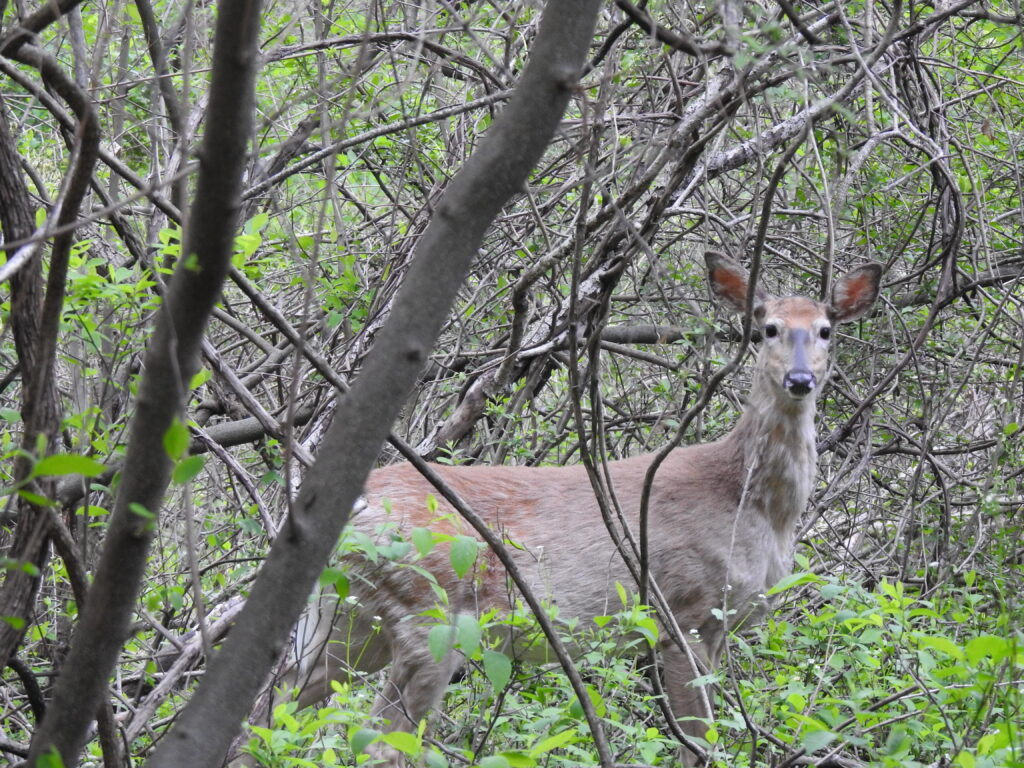
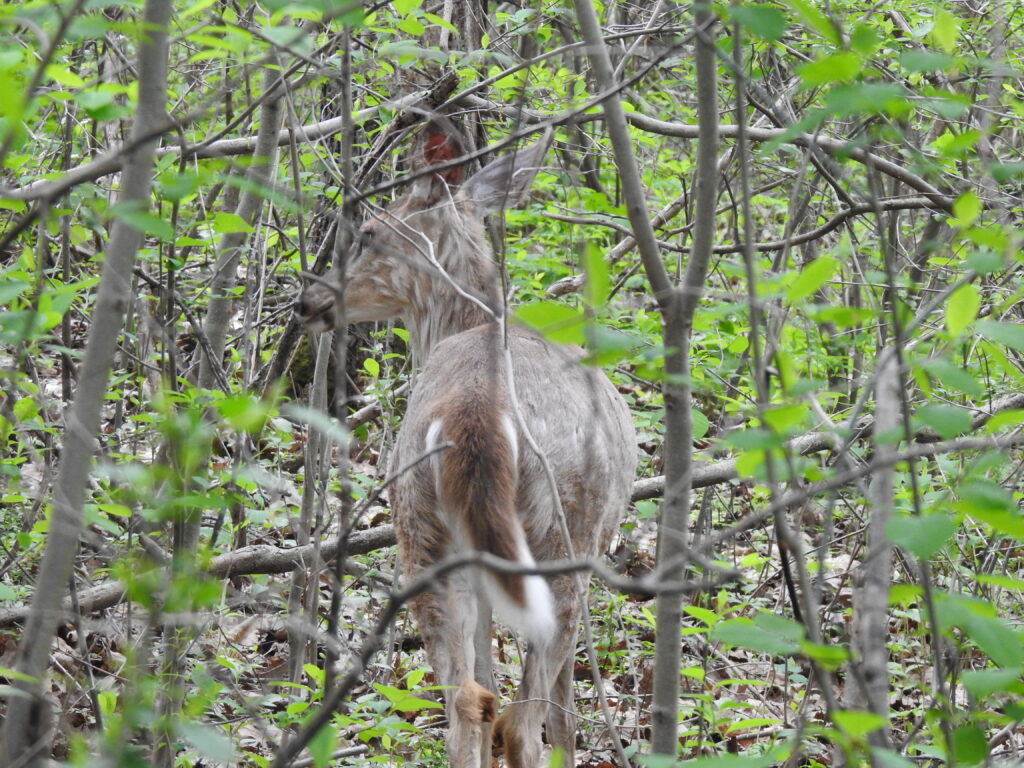
Leaves from shrubs, saplings, and low-growing trees make up a major portion of the white-tailed deer’s natural diet throughout much of the year. Deer commonly feed on tender new growth because younger vegetation contains higher moisture and nutrient content than older plant material. In forested regions, they frequently consume shoots from species such as maple, oak, dogwood, and sumac. This browsing behavior can noticeably shape vegetation growth patterns in areas with large deer populations.
Grasses and herbaceous plants also become important food sources during warmer months. Fresh spring grasses, clover, wildflowers, and soft green vegetation provide valuable nutrition after winter conditions fade. In open meadows and field edges, deer may spend long periods feeding on low vegetation during cooler parts of the day. These softer foods are easier to digest and support body maintenance during periods of active growth.
Fruits, nuts, and mast crops play an especially important role during late summer and autumn. Acorns are among the most significant seasonal foods for white-tailed deer in many forest ecosystems because they provide concentrated energy and fat reserves before winter arrives. Apples, berries, persimmons, and other fruits are also consumed when available. In some regions, a strong acorn season can noticeably improve deer body condition heading into colder months.
Winter diets often become much harsher and more limited, especially in northern climates with snow cover and frozen vegetation. During these periods, deer may rely heavily on woody browse such as twigs, bark, evergreen needles, and dormant buds. These foods contain less nutrition and are more difficult to process, but they allow survival when softer vegetation disappears. The shift resembles a person relying on preserved foods during difficult conditions after fresh supplies become scarce.
Young fawns begin life feeding entirely on milk before gradually transitioning to vegetation as they grow. Their early diet supports rapid development during the first months of life. Adult deer, meanwhile, continue adjusting food choices constantly based on environmental conditions and seasonal availability. This ongoing dietary flexibility helps explain how white-tailed deer maintain such broad distribution across different ecosystems.
White-Tailed Deer Feeding Behavior and Survival Strategies
White-tailed deer feed with a cautious and deliberate approach that balances nutrition with constant awareness of danger. While feeding, deer rarely remain fully focused on vegetation for long periods without scanning their surroundings. Heads lift frequently, ears rotate toward distant sounds, and scent is constantly sampled from the air. This repeated pattern allows the animal to continue feeding while remaining prepared to escape quickly if necessary.
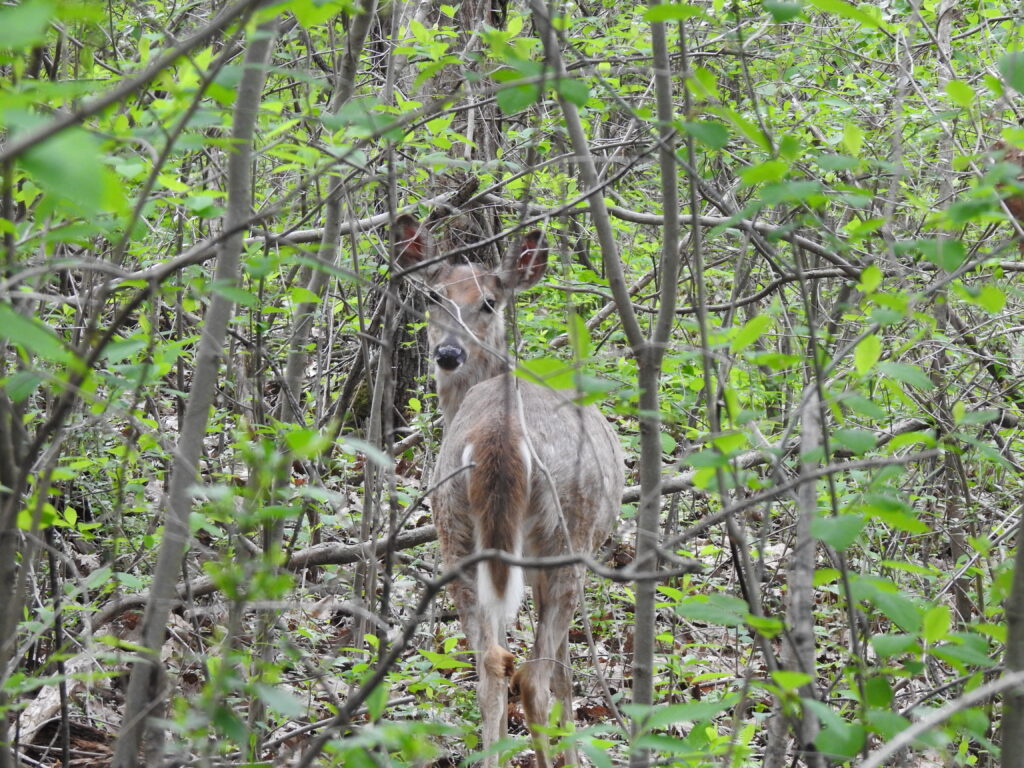
Their feeding movements are usually slow and controlled, especially in woodland environments. Deer often take a few steps, feed briefly, pause to observe, and then continue moving gradually through vegetation. This method reduces the likelihood of remaining exposed in one location for too long. Watching a feeding deer can resemble observing someone carefully walking through a crowded room while remaining aware of every nearby movement.
Competition for food can increase during winter or in areas with high deer populations. When resources become limited, deer may feed more heavily on less preferred vegetation or travel farther in search of available plant growth. In agricultural regions, some deer adapt by feeding near crop fields where food remains more abundant. These adjustments allow the species to survive seasonal shortages that might challenge less adaptable herbivores.
White-tailed deer also rely heavily on memory and environmental familiarity while feeding. Individuals often return repeatedly to productive feeding locations during favorable seasons. Trails through vegetation may become well established as deer move between resting and feeding areas over time. These repeated patterns help conserve energy and improve feeding efficiency in landscapes where food sources shift seasonally.
One of the species’ strongest feeding-related survival traits is its ability to remain highly alert even while consuming food. A deer can shift from calm feeding behavior to explosive flight within seconds if threatened. Powerful legs and quick reflexes allow rapid escape through dense vegetation or uneven terrain while abandoning feeding areas immediately. This combination of selective feeding, environmental awareness, and rapid response helps white-tailed deer survive across a wide variety of challenging environments.
Popular Searches About White Tail Deer
Explore White Tail Deer Guide
Explore More Wildlife

Support Encounters World
Help support wildlife photography and get behind the scenes discoveries on Patreon.