White-Tailed Deer Habitat | Range, Environment, and Woodland Living Areas
Quick Facts
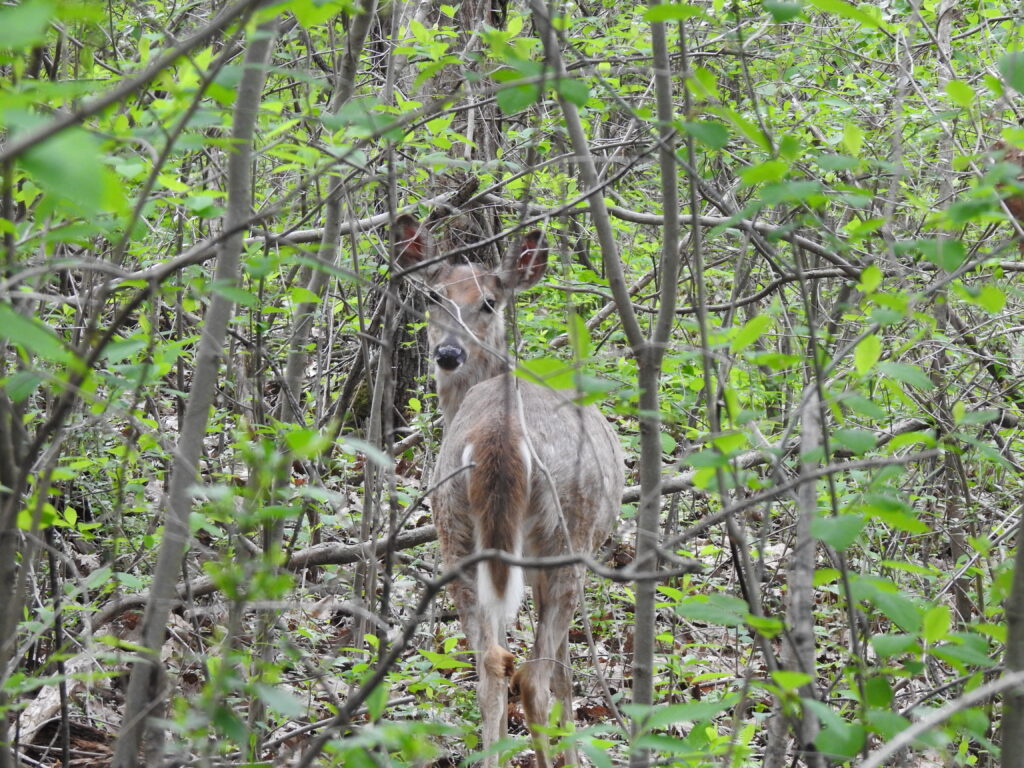
Primary Habitat: Deciduous forests and woodland edges
Secondary Habitat: Grasslands, wetlands, farmland, and suburban areas
Climate Preference: Temperate climates with seasonal variation
Environment Type: Forest-edge and mixed vegetation ecosystems
Elevation / Depth Range: Sea level to mountainous regions above 10,000 feet
Geographic Distribution: North America, Central America, and northern South America
White-Tailed Deer Across North America’s Natural Landscapes
The white-tailed deer is one of the most widely distributed large mammals in the Americas, occupying an enormous range that stretches from southern Canada to parts of South America. Its presence can be observed across many different environments, from quiet northern wilderness to regions shaped heavily by human development. Because the species adapts so successfully to changing conditions, deer remain common in both remote natural areas and landscapes altered by agriculture or expanding suburbs. This ability to persist across such varied terrain has made the white-tailed deer one of the most familiar wild mammals on the continent.
Across much of its range, the species is associated with landscapes that provide a balance of cover and open space. Deer are rarely tied to a single isolated environment and instead thrive in transitional areas where vegetation changes gradually from one type to another. This creates countless opportunities for the species to spread into new regions and maintain strong populations. Even heavily developed areas often still support deer if patches of natural vegetation remain connected.
The environmental tone surrounding white-tailed deer habitat often feels calm and layered with seasonal change. In autumn, deer may appear within landscapes covered in fallen leaves and fading vegetation, while winter sightings often occur against pale forests and frozen fields. During spring and summer, the species blends into green undergrowth and dense woodland shade. These changing seasonal surroundings contribute greatly to the animal’s strong association with North American wilderness.
Although many hoofed mammals are restricted to very specific climates or terrain, white-tailed deer display remarkable flexibility across their geographic range. Some populations live near coastal marshes, while others survive in dry scrubland or mountainous forests. This adaptability allows the species to occupy far more environments than many similar mammals. As a result, the white-tailed deer has become deeply connected to a wide variety of ecosystems throughout the Americas.
White-Tailed Deer Range and Habitat Distribution
White-tailed deer occupy an enormous variety of environments across their range, making them one of the most adaptable deer species in the world. Their distribution covers broad sections of North America and extends into tropical regions farther south. Unlike species that depend heavily on one specialized environment, white-tailed deer can live successfully across mixed landscapes with changing vegetation and climate conditions. This flexibility allows populations to remain stable in areas where other large mammals may struggle.
The species is especially common in landscapes that combine wooded cover with nearby openings. Areas containing patches of trees mixed with meadows, fields, or shrubby growth often support high deer populations. These mixed environments provide visual cover while still maintaining access to varied vegetation. Compared to species such as moose, which are more strongly tied to colder northern habitats, white-tailed deer occupy a much wider environmental range.
In many parts of the United States, deer have expanded beyond traditional wilderness and into suburban environments. Neighborhood greenbelts, overgrown drainage corridors, and undeveloped property edges frequently provide enough vegetation for deer to remain present year-round. This expansion has allowed the species to persist even as natural landscapes continue changing due to roads, towns, and agriculture. Few large mammals have adapted to human-altered environments as effectively as white-tailed deer.
Regional appearance and population density can vary greatly depending on local environmental conditions. Northern populations are often associated with larger forest systems and colder climates, while southern populations may occupy brushlands, swamps, or open woodland. In mountainous areas, deer can also occur at surprisingly high elevations if vegetation and seasonal conditions remain suitable. These regional differences demonstrate how broad the species’ habitat tolerance truly is.
Despite their adaptability, white-tailed deer are still closely connected to areas containing sufficient vegetation cover and environmental diversity. Landscapes with no protective cover or limited plant growth generally support fewer deer over long periods. Their strongest populations are usually found in areas where multiple habitat types overlap naturally. This relationship with mixed landscapes helps explain why deer are so frequently encountered near woodland edges and transitional environments.
White-Tailed Deer Habitat Types and Preferred Environments
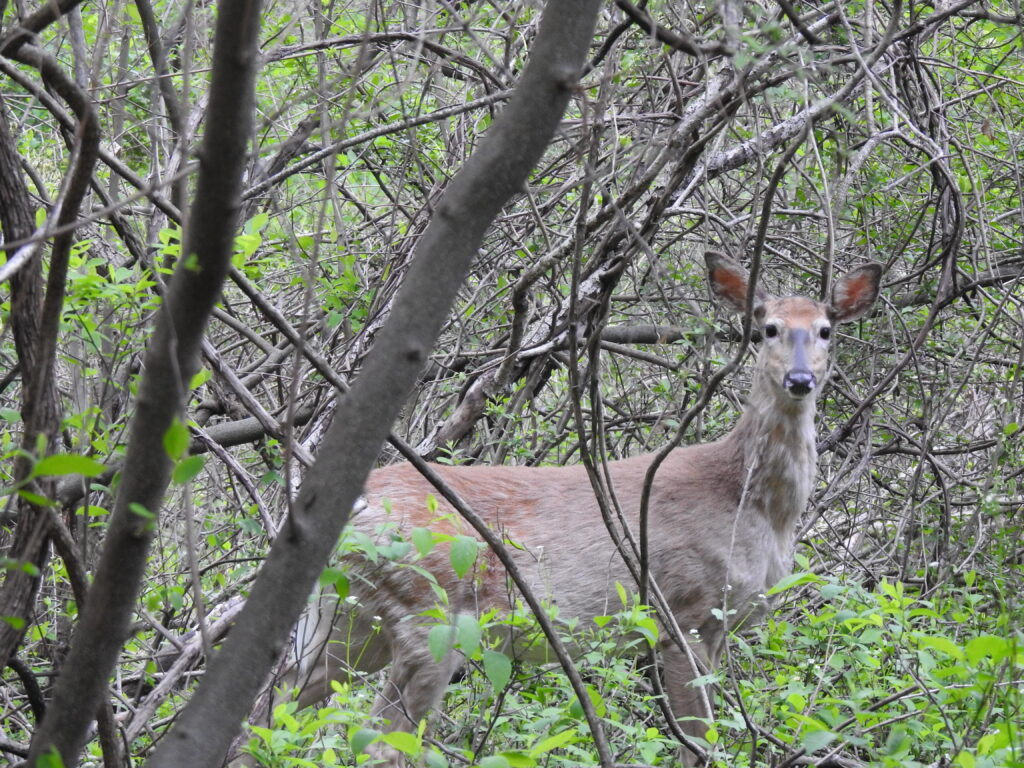
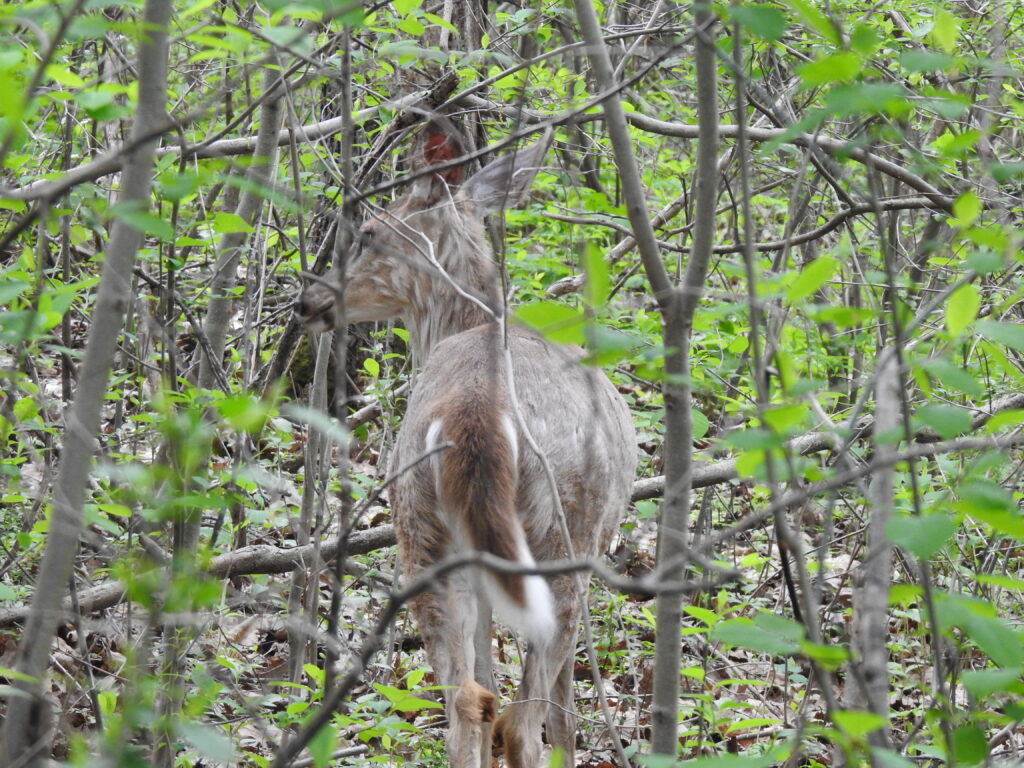
Forests are among the most important habitat types used by white-tailed deer throughout much of their range. Deciduous woodlands with a mix of trees, undergrowth, and open spacing provide ideal conditions for shelter and concealment. Deer are especially common in younger forests where sunlight reaches the ground and encourages thick vegetation growth beneath the canopy. Dense mature forests with little understory vegetation often support fewer deer because they provide less accessible plant cover.
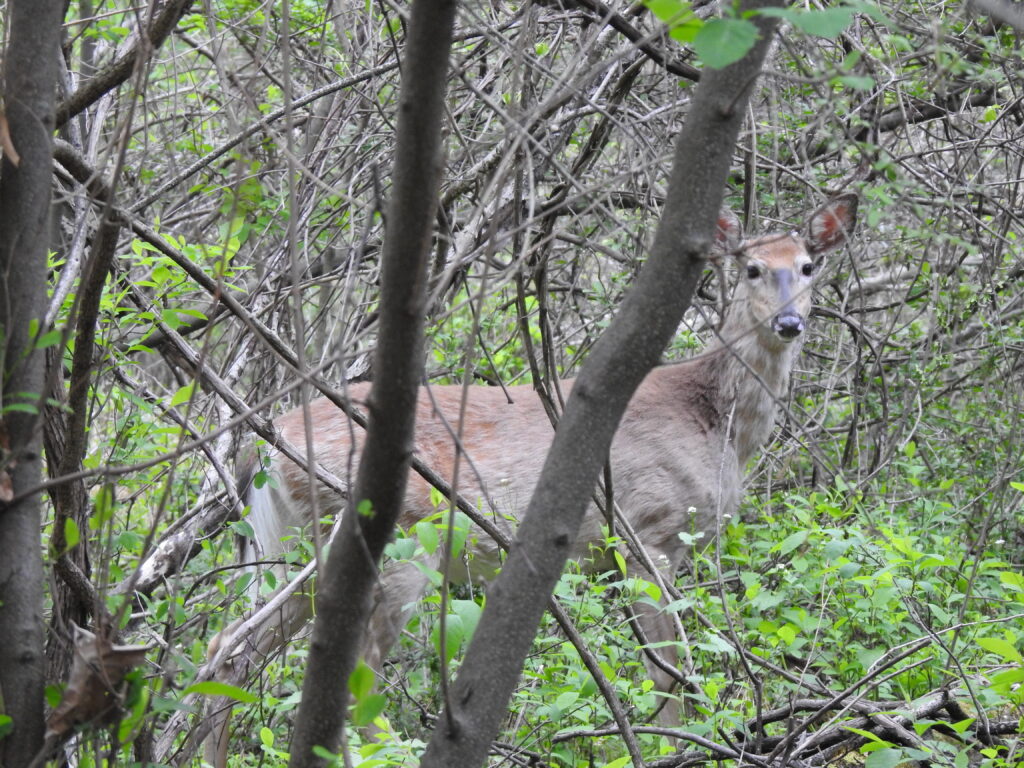
Woodland edges are particularly important because they combine multiple environmental features within a relatively small area. Deer commonly use areas where forests meet meadows, fields, roadsides, or wetlands. These edge habitats create a patchwork of vegetation heights and open sightlines that benefit the species greatly. Compared to deep forest interiors, edge zones often support more visible deer activity and higher population density.
Wetlands and swampy environments also support deer populations in many regions. Marsh edges, wooded floodplains, and lowland swamps provide moisture-rich vegetation and thick seasonal cover. In warmer southern regions, deer may spend significant time within swamp forests and brush-filled wetlands. These environments can appear difficult for large mammals to navigate, yet white-tailed deer move through them with surprising ease.
Grasslands and agricultural landscapes are another major habitat category used by the species. Open farmland bordered by tree lines or brushy ditches often creates excellent deer habitat. Croplands, abandoned fields, and overgrown pasture edges provide broad transitional zones where deer can move between cover and open terrain. In many rural regions, these mixed agricultural environments support some of the largest deer populations.
Human-altered habitats have also become increasingly important for white-tailed deer survival. Suburban parks, golf courses, utility corridors, and undeveloped lots often provide enough vegetation and shelter for deer to remain nearby permanently. In some areas, deer have become so comfortable within suburban landscapes that sightings occur regularly during daylight hours. This ability to occupy environments shaped heavily by people highlights the species’ remarkable environmental flexibility.
Environmental Conditions Supporting White-Tailed Deer
White-tailed deer thrive in climates with moderate seasonal variation, though the species can tolerate a surprisingly wide range of temperatures and weather conditions. Populations exist in snowy northern forests, humid southeastern wetlands, dry plains, and mountainous terrain. Their seasonal coat changes help them adapt to both warm summers and freezing winters. This flexibility allows the species to survive across environments that experience dramatically different annual weather patterns.
Vegetation structure plays a major role in determining whether an area can support deer populations successfully. Landscapes with layered plant growth, including shrubs, saplings, grasses, and mature trees, generally provide the best environmental conditions. Areas with completely open terrain or extremely dense vegetation tend to support fewer deer. The species benefits most from environments that combine visibility, shelter, and varied plant structure within close proximity.
Terrain also influences habitat suitability in many parts of the species’ range. Rolling hills, wooded valleys, river corridors, and gentle mountain slopes often create ideal conditions because they produce environmental diversity across relatively short distances. Deer can move between sheltered areas and more open terrain while remaining close to cover. In steep or rocky regions, populations may become concentrated in lower valleys where vegetation remains more accessible.
Seasonal environmental changes affect habitat conditions throughout the year. During autumn, forests filled with fallen leaves and cooling temperatures create ideal seasonal conditions for deer movement and visibility. Winter environments can become far harsher, especially in northern areas with deep snow and prolonged cold. In these regions, deer often rely on evergreen cover or sheltered valleys that reduce wind exposure and conserve warmth. Their ability to endure winter conditions resembles how insulated outdoor clothing protects people during severe weather.
Humidity and rainfall patterns also influence vegetation growth and overall habitat quality. Regions with regular seasonal moisture generally support thicker plant growth and greater environmental diversity. Drier landscapes can still support deer populations, though vegetation may become more scattered and seasonal. Across all these environments, the white-tailed deer succeeds best in areas where changing weather and terrain continue producing diverse natural cover throughout the year.
Popular Searches About White Tail Deer
Explore White Tail Deer Guide
Explore More Wildlife

Support Encounters World
Help support wildlife photography and get behind the scenes discoveries on Patreon.