
Groundhog Hibernation Guide: Winter Dormancy and Seasonal Survival
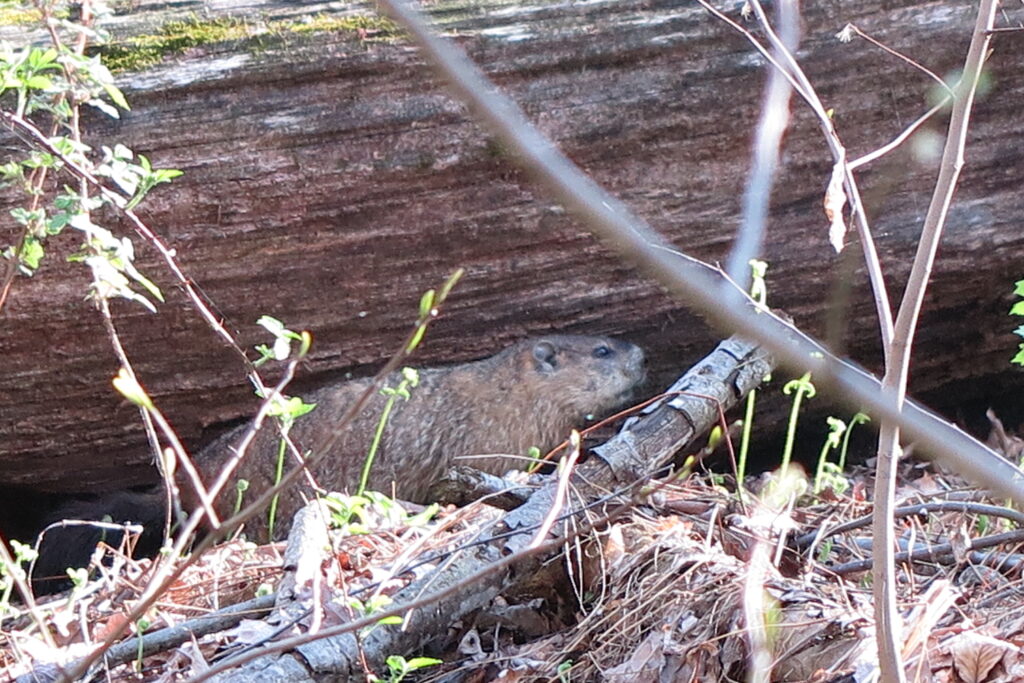
Quick Facts
Hibernation Type: True hibernation
Hibernation Season: Late fall through early spring
Body Temperature Change: Drops significantly during hibernation
Heart Rate During Hibernation: Reduced from around 80 beats per minute to as few as 5 beats per minute
Winter Shelter: Deep underground hibernation burrow
Primary Survival Method: Conserving stored body fat while remaining dormant
Groundhog Hibernation Introduction and Seasonal Survival
The groundhog (Marmota monax), also known as the woodchuck, is one of the few North American mammals that undergoes true hibernation. Found throughout much of the United States, southern Canada, and parts of Alaska, this species experiences dramatic seasonal changes that influence its yearly cycle. As temperatures decline and food becomes increasingly scarce, groundhogs prepare for one of the most remarkable survival strategies in the animal kingdom.
Unlike many animals that remain active throughout winter, groundhogs spend months in a state of deep dormancy beneath the ground. This adaptation allows them to survive periods when environmental conditions become unfavorable and vegetation is unavailable. Their annual hibernation cycle is a defining feature of the species and plays a major role in its long-term survival.
For much of the year, groundhogs are visible members of North American wildlife communities. During winter, however, they virtually disappear from the landscape. Beneath the surface, hidden within specialized burrows, they enter a physiological state that dramatically reduces energy requirements while protecting them from harsh seasonal conditions.
The transition from active summer mammal to hibernating winter resident represents one of the most extreme seasonal transformations among North America’s common wildlife species. Understanding this process reveals how groundhogs endure long winters and emerge successfully when warmer conditions return.
Groundhog Hibernation Overview and Annual Cycle
Groundhog hibernation is a predictable event that follows seasonal environmental changes. As autumn progresses and daylight hours decrease, physiological changes begin preparing the animal for winter dormancy. These changes occur gradually and are closely linked to environmental cues that signal the approach of colder weather.
Prior to hibernation, groundhogs spend considerable time accumulating body fat. These energy reserves become critically important because the animal will rely almost entirely on stored fat during the months ahead. By late autumn, individuals often appear noticeably heavier than they did during summer.
Unlike lighter forms of winter inactivity observed in some mammals, groundhog hibernation involves profound physiological changes. The animal enters a state where normal activity ceases almost entirely, allowing energy consumption to drop dramatically. This level of dormancy is why groundhogs are classified as true hibernators rather than simply winter sleepers.
The duration of hibernation varies according to geographic location and climate. Groundhogs living in northern regions often remain dormant longer than individuals inhabiting warmer portions of the range. In some locations, hibernation may extend for four months, while in colder climates it can continue for five months or more.
As spring approaches, increasing temperatures gradually trigger the end of the hibernation period. Groundhogs emerge from their winter burrows after months underground and begin transitioning back to normal activity. This annual cycle repeats throughout the animal’s life and remains one of its most important seasonal adaptations.

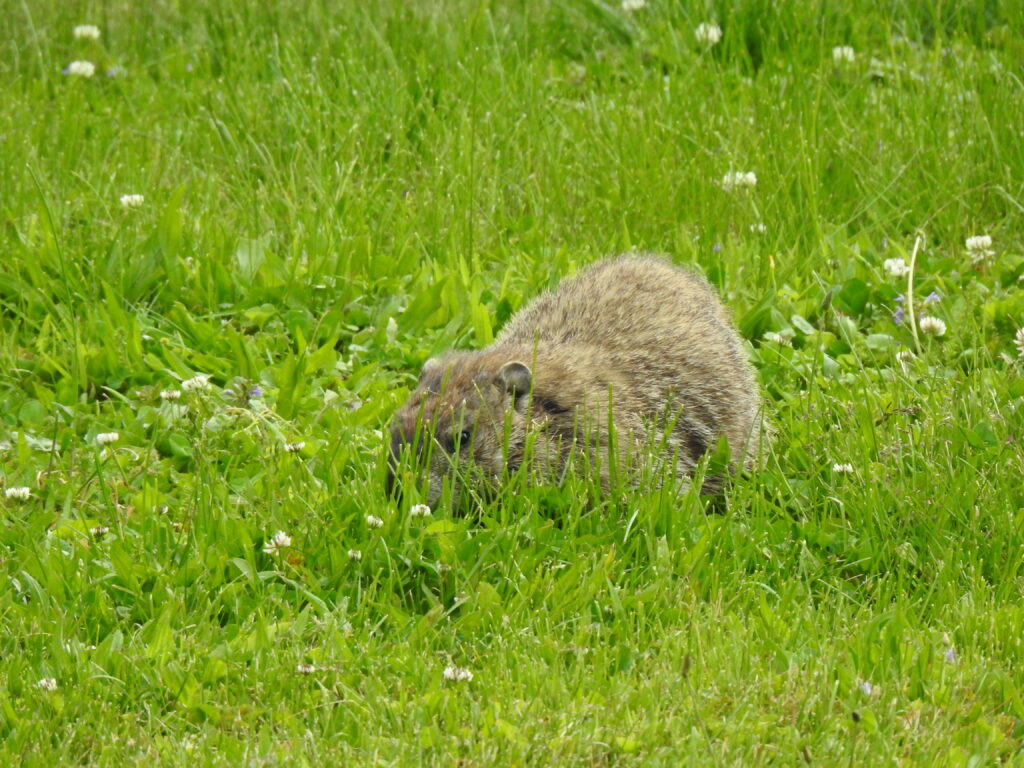
Groundhog Winter Dormancy Process and Physical Changes
The physiological changes that occur during hibernation are extraordinary. One of the most dramatic involves body temperature. During active periods, a groundhog maintains a temperature similar to many mammals, but while hibernating, that temperature drops significantly and approaches the surrounding underground conditions.
Heart rate also undergoes a remarkable transformation. An active groundhog may maintain a heart rate of approximately eighty beats per minute, but during deep hibernation, the rate can decline to only a few beats per minute. This reduction greatly decreases energy requirements and helps conserve vital fat reserves.
Breathing slows dramatically as well. Rather than taking frequent breaths throughout the day, a hibernating groundhog may go several minutes between breaths. These extended intervals reflect the extremely low metabolic rate that characterizes true hibernation.
Despite appearing almost lifeless, the animal remains physiologically regulated throughout the winter. Periodic arousals may occur during hibernation, during which body temperature and metabolism temporarily increase before dormancy resumes. These brief awakenings are a normal part of the hibernation process and occur in many true hibernators.
The overall effect can be compared to placing a machine into an ultra-low-power mode. Essential functions continue operating, but energy consumption is reduced to the minimum necessary for survival. This strategy allows groundhogs to endure months without feeding while remaining protected within their underground shelters.
Groundhog Hibernation Survival Adaptations and Winter Protection
The most important survival adaptation associated with hibernation is fat storage. Throughout late summer and autumn, groundhogs build substantial energy reserves that function as their sole fuel source during winter dormancy. Without these accumulated reserves, surviving several months underground would be impossible.
Specialized hibernation burrows provide another critical advantage. These winter shelters are often deeper than seasonal burrows and offer more stable environmental conditions. The surrounding soil acts as insulation, reducing exposure to extreme surface temperatures and helping maintain a relatively consistent underground environment.
Metabolic suppression is equally important for survival. By drastically reducing body temperature, heart rate, breathing rate, and overall energy use, groundhogs minimize the amount of stored fat required to survive winter. This adaptation allows a finite energy supply to last for months rather than days or weeks.
Hibernation also reduces exposure to many winter hazards. Instead of remaining active in freezing conditions where food is unavailable and weather is severe, groundhogs remain sheltered below ground until conditions improve. This strategy avoids many challenges faced by wildlife that must remain active throughout the coldest months.
Among North American mammals, few species demonstrate such an effective winter survival system. The combination of fat storage, specialized burrows, physiological transformation, and long-term dormancy allows groundhogs to persist across regions with harsh winters. These adaptations have helped make the species one of the most successful and widespread marmots in North America.
Popular Searches About Groundhogs
Explore Groundhog Guide
Explore More Wildlife

Support Encounters World
Help support wildlife photography and get behind the scenes discoveries on Patreon.