
Groundhog Identification Guide: How to Identify a Groundhog in the Wild
Quick Facts
Scientific Name: Marmota monax
Common Names: Groundhog, Woodchuck
Average Length: 16–27 inches (40–68 cm)
Average Weight: 5–14 pounds (2.3–6.4 kg)
Primary Coat Color: Brownish-gray with grizzled fur
Distinguishing Features: Stocky body, short tail, small rounded ears, and strong claws
Commonly Confused With: Beaver, muskrat, prairie dog, and nutria
Groundhog Identification Introduction
The groundhog (Marmota monax) is one of North America’s most recognizable mammals. Found throughout much of the United States, southern Canada, and parts of Alaska, this large rodent is frequently observed in fields, roadsides, parks, and other open landscapes. Its widespread distribution makes it a familiar sight for both wildlife enthusiasts and casual observers.
Many people know the species by its alternate name, woodchuck. Despite the popularity of this nickname, the animal is neither closely associated with wood nor capable of chucking it. The name has persisted through history, while the species itself remains one of the most visible members of the squirrel family.
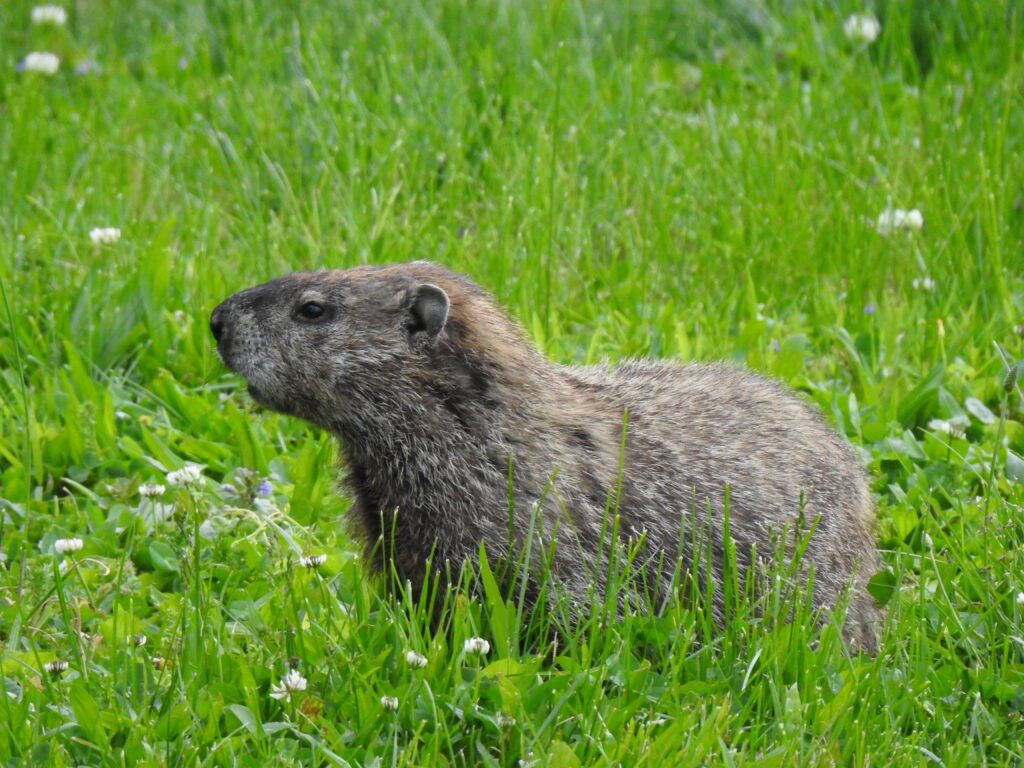
Correct identification is usually straightforward once the key physical features are understood. The combination of a compact body, coarse fur, short tail, and broad head creates a distinctive appearance that differs from most other mammals occupying similar environments. Even brief sightings often provide enough information for accurate recognition.
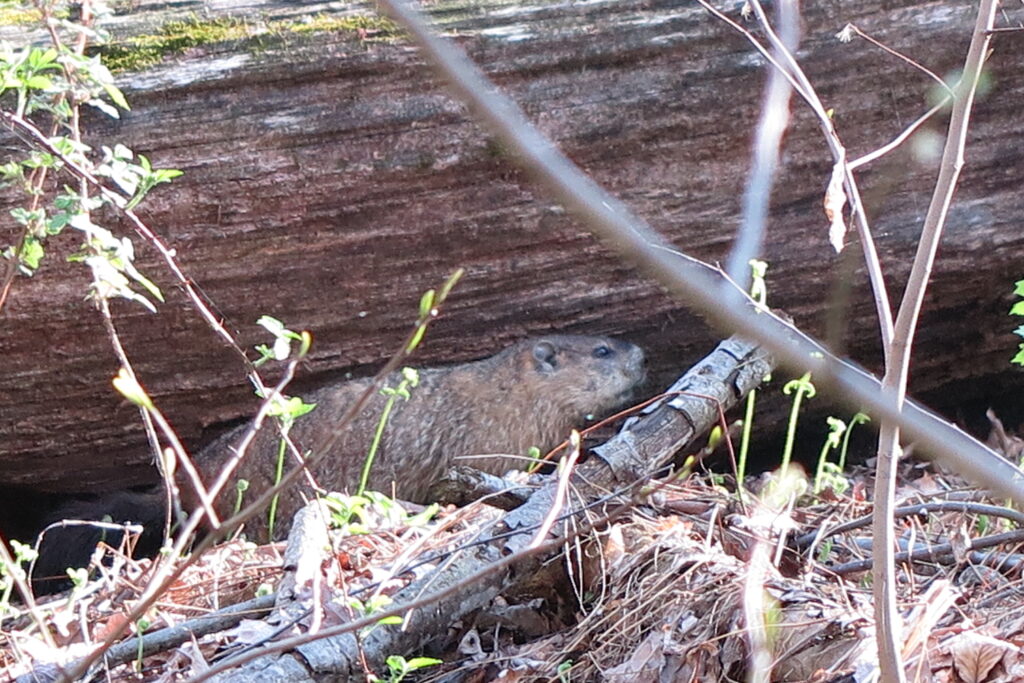
Groundhogs are often noticed while standing near burrow entrances or feeding in open areas. In these situations, observers can study the animal’s overall shape, coloration, and posture. Learning these visual characteristics helps distinguish groundhogs from other rodents and medium-sized mammals that may occur within the same region.
Groundhog Identification Features and Overall Appearance
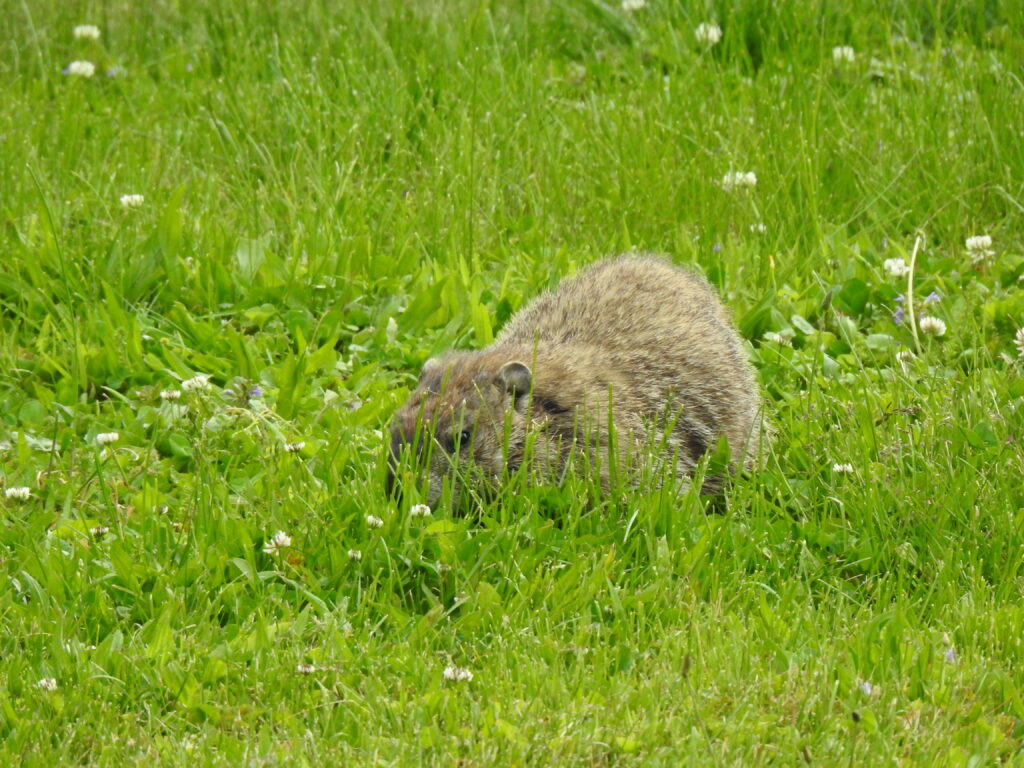
The first feature most people notice is the groundhog’s sturdy, barrel-shaped body. Adults typically measure between 16 and 27 inches long and possess a low, compact profile that keeps them close to the ground. Their overall build appears powerful rather than slender, giving the animal a distinctly stocky appearance.
Groundhog fur is generally a mixture of brown, gray, black, and tan tones. Individual hairs often contain multiple color bands, producing a grizzled effect when viewed from a distance. This coloration helps create a rough, textured appearance rather than a smooth, uniform coat.
The head is broad and rounded with a blunt muzzle that immediately contributes to the species’ recognizable profile. Small ears sit close to the head and may be difficult to notice at first glance. Dark eyes and prominent whiskers complete the facial features commonly associated with the species.
Another useful identification trait is the tail. Unlike tree squirrels that possess long, bushy tails, groundhogs have relatively short tails covered with coarse fur. The tail typically appears thick and rounded rather than flattened or highly feathered, helping separate the species from several look-alike mammals.
When standing upright, a groundhog can appear surprisingly large. Many observers compare its size to a medium house cat, though its body shape is considerably broader and heavier. This combination of size, coloration, and body proportions makes the species relatively easy to identify once its basic characteristics are known.
Physical Characteristics That Distinguish Groundhogs
One of the most important identifying features is the presence of strong forelimbs equipped with large digging claws. These claws are noticeably more developed than those of most squirrels and reflect the species’ association with underground tunnel systems. When viewed closely, the forefeet appear broad and powerful.
Groundhogs possess continuously growing incisors typical of rodents. These front teeth are usually hidden when the mouth is closed but become visible during feeding or close observation. Their orange-yellow coloration is common among many rodent species and helps strengthen the teeth against wear.
The neck appears thick and muscular, creating a smooth transition between the head and body. Unlike animals with long, slender necks, groundhogs often appear almost seamless from shoulder to muzzle. This characteristic contributes to their compact and heavy-bodied appearance.
Body posture can also aid identification. Groundhogs frequently sit upright while surveying their surroundings, creating a silhouette that resembles a small bear standing on its hind legs. This posture allows observers to appreciate the species’ broad chest and robust frame.
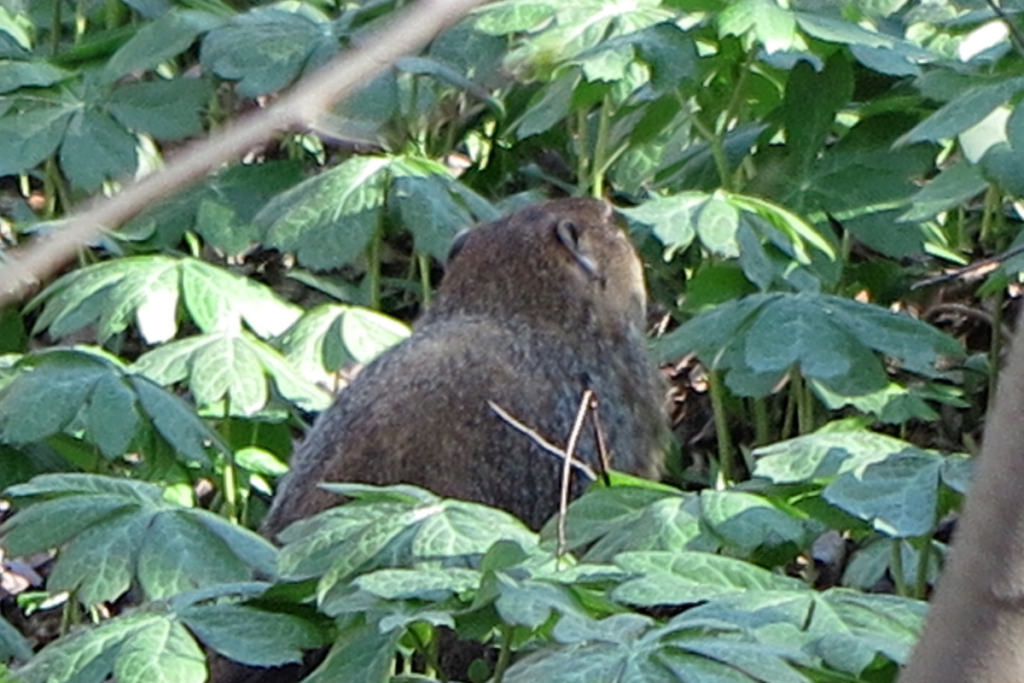
Coat variation may occur throughout the range, with some individuals appearing lighter gray while others display richer brown tones. Juveniles often possess softer-looking fur and a slightly smaller build than adults. Despite these variations, the core identifying features remain consistent across the species’ distribution.
Groundhog vs Similar Species Identification Guide
Groundhogs are commonly mistaken for beavers when viewed briefly from a distance. However, beavers possess a large, flattened tail that is impossible to miss upon closer inspection. Groundhogs lack this paddle-shaped tail and have a much more compact overall body structure.
Muskrats create another source of confusion, particularly near water. Muskrats are generally smaller and possess long, narrow tails that differ dramatically from the short tail of a groundhog. Their bodies also appear more streamlined and less bulky.
Prairie dogs share a similar body shape because they belong to the same broader rodent group. However, prairie dogs are noticeably smaller and often occur in large colonies, whereas groundhogs are typically encountered alone. The head of a groundhog is also broader and more heavily built.
Nutria can occasionally resemble large groundhogs at first glance. The most reliable difference is the tail, as nutria possess long, cylindrical tails while groundhogs have short, furry tails. Nutria are also more closely associated with aquatic environments.
When all identifying characteristics are considered together, groundhogs become relatively easy to recognize. Their stocky frame, grizzled coat, short tail, rounded ears, and powerful digging limbs create a combination of features rarely matched by other North American mammals. Observers who focus on these traits can usually identify a groundhog confidently, even during brief wildlife encounters.
Popular Searches About Groundhogs
Explore Groundhog Guide
Explore More Wildlife

Support Encounters World
Help support wildlife photography and get behind the scenes discoveries on Patreon.