
Groundhog Life Cycle Guide: From Baby Groundhog to Adult
Quick Facts
Breeding Season: Late winter to early spring
Gestation Period: Approximately 31–32 days
Average Litter Size: 2–6 young
Birth Location: Underground nesting chamber
Age of Independence: Around 2 months
Average Lifespan: 3–6 years in the wild
Groundhog Life Cycle Introduction and Growth Overview
The groundhog (Marmota monax), also known as the woodchuck, follows a seasonal life cycle closely tied to the changing conditions of North America. Found throughout much of the United States, southern Canada, and parts of Alaska, this species experiences distinct annual stages that influence reproduction, growth, maturity, and survival. Each phase plays an important role in maintaining healthy populations across its broad range.
From the birth of tiny underground offspring to the development of fully grown adults, groundhogs undergo a series of transformations throughout their lives. These changes occur gradually and are influenced by environmental conditions, seasonal timing, and natural developmental processes. Understanding these stages provides insight into how the species persists across diverse landscapes.
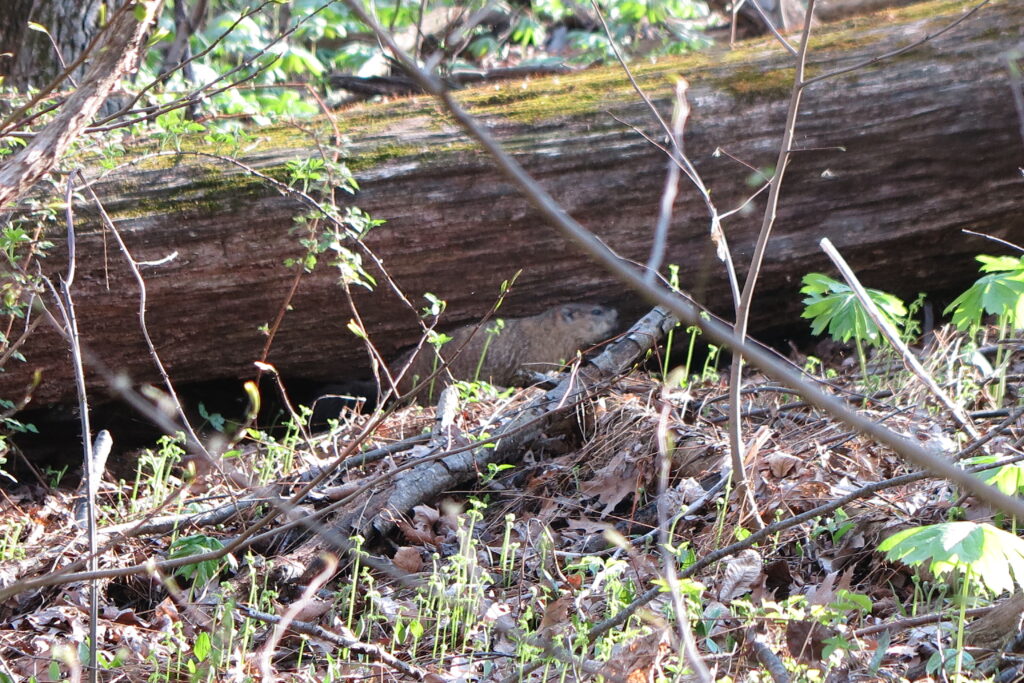
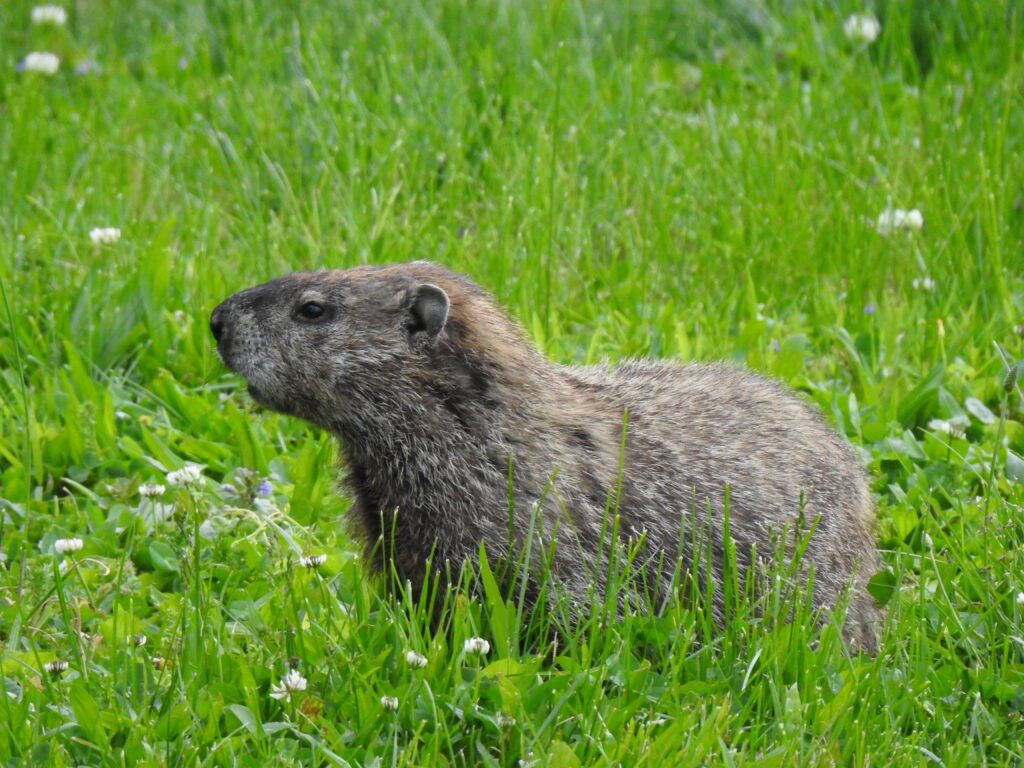
Most people encounter adult groundhogs feeding near burrows or standing alert in open areas, but every individual begins life hidden beneath the surface. The earliest stages occur entirely underground, where young groundhogs remain protected during a critical period of growth and development.
As the years progress, groundhogs transition from dependent offspring into independent adults capable of reproducing and establishing their own territories. This repeating cycle has allowed the species to remain one of the most successful and recognizable mammals throughout much of North America.
Groundhog Reproduction and Early Development
The groundhog life cycle begins with breeding activity that typically occurs shortly after adults emerge from winter hibernation. As seasonal conditions improve, males and females seek mates and begin the reproductive phase of the year. This timing ensures that offspring are born when environmental conditions become increasingly favorable.
Following successful breeding, females undergo a gestation period lasting approximately one month. During this time, development occurs within the safety of the mother’s body while she continues normal activities above ground. The relatively short gestation period allows young to be born early enough to take advantage of the growing season.
Birth takes place inside a specially prepared underground chamber. Litters commonly contain between two and six offspring, although larger or smaller litters occasionally occur. At birth, the young are blind, nearly hairless, and completely dependent on their mother for survival.
The nesting chamber provides a secure environment where early development can occur away from weather extremes and potential threats. During the first weeks of life, rapid growth takes place as the young gradually develop fur, open their eyes, and become increasingly active. These early developmental stages are critical for long-term survival.
By remaining hidden underground during their most vulnerable period, young groundhogs gain valuable protection while developing the physical characteristics needed for life above ground. This sheltered beginning gives them an opportunity to grow before facing the challenges of the outside world.
Juvenile Growth and the Path to Independence
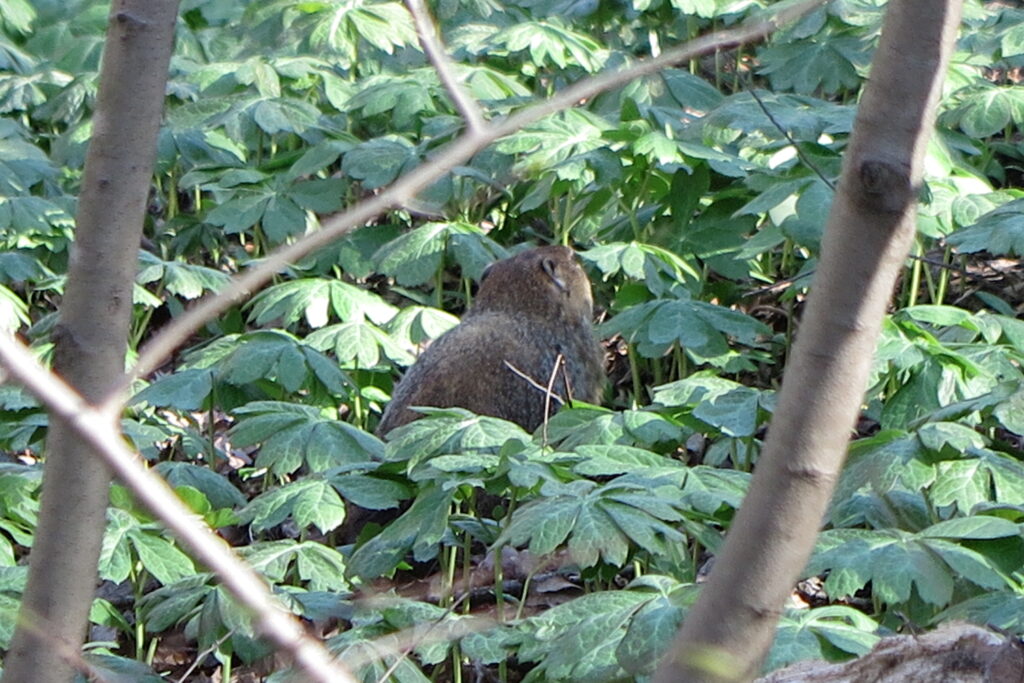
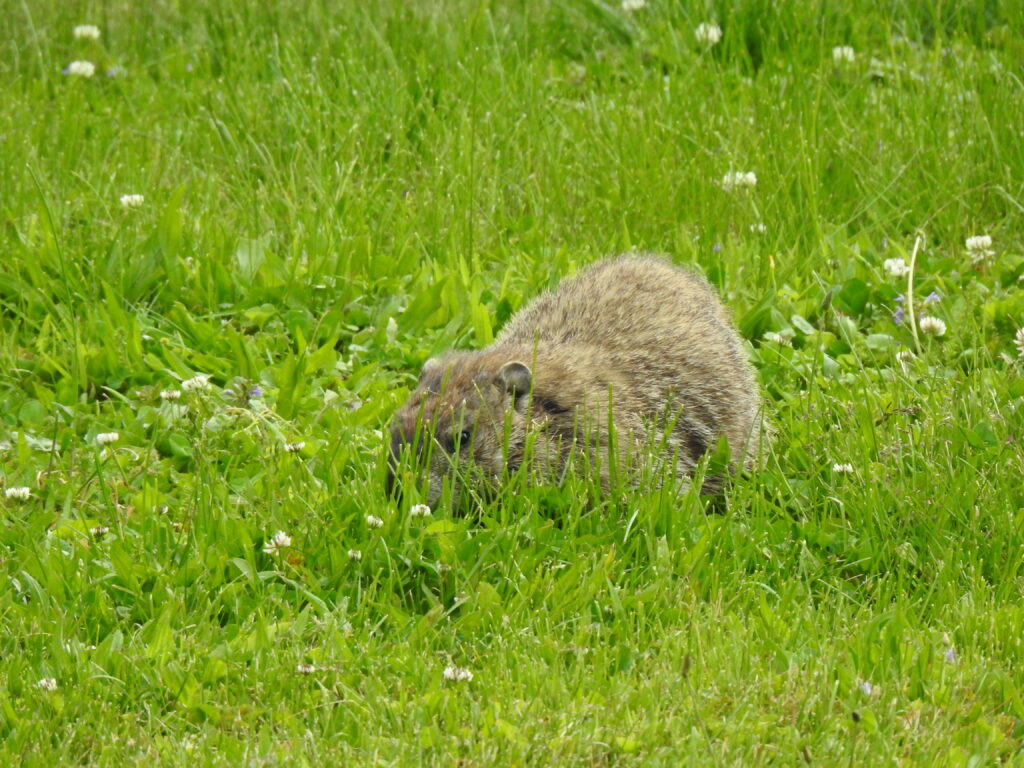
As young groundhogs continue developing, they become increasingly mobile within the nesting chamber. Strength, coordination, and awareness improve steadily during this stage. Their appearance gradually begins to resemble that of adult groundhogs, although they remain much smaller in size.
Several weeks after birth, juveniles begin exploring areas closer to the burrow entrance. These first experiences outside the nesting chamber represent important developmental milestones. Exposure to natural surroundings allows young groundhogs to become familiar with the environment they will eventually occupy independently.
Physical growth during this stage is rapid. Body weight increases significantly, fur becomes fully developed, and the powerful limbs characteristic of the species continue strengthening. By comparison, a young groundhog may increase its size many times over during just a few months of development.
The period leading to independence is marked by increasing self-sufficiency. Juveniles gradually spend less time relying on their mother and more time exploring their surroundings. They begin developing the skills needed to survive without parental support.
Around two months after birth, many young groundhogs are capable of living independently. Although they may remain near familiar areas for a period of time, they eventually begin establishing their own routines. This transition marks the end of the juvenile stage and the beginning of independent life.
Adult Life, Reproduction, and Aging in Groundhogs
Once maturity is reached, groundhogs enter the longest stage of their life cycle. Adult individuals spend years repeating seasonal patterns involving growth, survival, reproduction, and preparation for winter. These annual cycles continue throughout most of the animal’s life.
Sexual maturity is typically reached during the first or second year, depending on environmental conditions and individual development. At this stage, groundhogs become capable of producing offspring and contributing to future generations. Reproductive success helps maintain stable populations across the species’ range.
Adult life involves balancing energy demands with seasonal challenges. Throughout the warmer months, individuals focus on feeding, maintaining body condition, and preparing for future periods of dormancy. The success of these activities influences overall health and long-term survival.
As groundhogs age, signs of wear may gradually become apparent. Older individuals often display scars, worn teeth, or changes in coat condition resulting from years of environmental exposure. These physical characteristics provide evidence of a life spent navigating the challenges of the natural world.
Wild groundhogs commonly live between three and six years, although some individuals survive longer under favorable conditions. Throughout that time, they experience multiple seasonal cycles and may produce several generations of offspring. From a blind newborn hidden underground to a fully mature adult, the groundhog’s life cycle demonstrates a remarkable process of growth, adaptation, and renewal that continues year after year across North America.
Popular Searches About Groundhogs
Explore Groundhog Guide
Explore More Wildlife

Support Encounters World
Help support wildlife photography and get behind the scenes discoveries on Patreon.